ArticleGamecity Hamburg
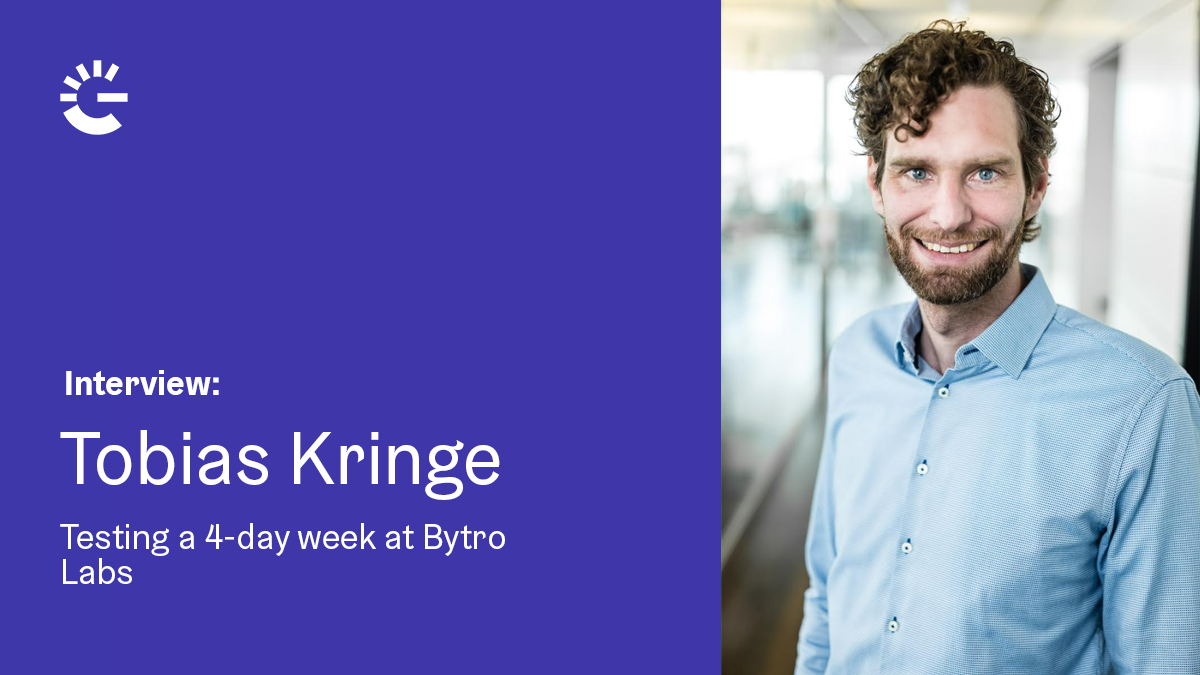
Bytro Labs Tests 4-Day Week: Interview with Tobias Kringe
1 pages~13 min full read
Bytro Labs, a Hamburg-based game studio with over 70 employees, initiated a three-month trial of a four-day work week from October to December 2022. The primary objective of this experiment was to foster a healthier, more productive work environment while evaluating whether reduced working hours could be offset by increased efficiency, higher work quality, and improved employee retention. The studio sought to determine if a results-oriented culture could maintain or exceed existing output levels without the traditional five-day structure.
The methodology relied on a decentralized, results-first approach rather than rigid scheduling. To ensure success, the company encouraged employees to minimize distractions, prioritize high-impact tasks, and limit meeting participation to essential contributions. While the trial allowed for significant flexibility—with some staff choosing to spread tasks across the week or weekend—the studio maintained a clear benchmark for success: no loss in overall productivity or output. Challenges identified during the process included managing team support on Fridays and ensuring equitable distribution of flexibility across different roles.
The initiative reflects a broader shift within the games industry, where studios are increasingly exploring flexible models to combat the sector's reputation for excessive crunch. By prioritizing employee well-being and autonomy, Bytro Labs aimed to enhance its competitive edge in talent acquisition and retention. The studio concluded that even if a strict four-day model is not permanently adopted, the emphasis on flexibility and output-based management represents a sustainable evolution for modern game development, particularly for companies operating long-term, live-service titles.
Gamecity Hamburg
Gamecity Hamburg
Gamecity Hamburg

Gamecity Hamburg
Gamecity Hamburg
Gamecity Hamburg

Gamecity Hamburg

Gamecity Hamburg
Gamecity Hamburg
Gamecity Hamburg
Gamecity Hamburg
Gamecity Hamburg
game.de · 2019
8Bit · 2026
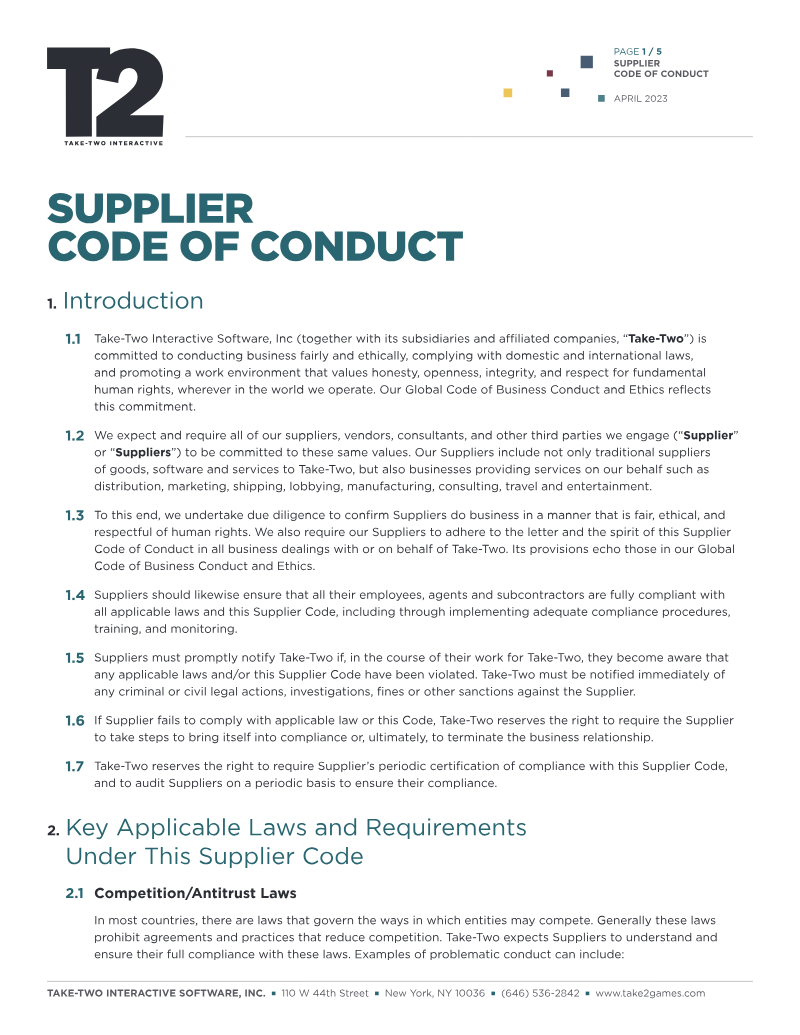
Take-Two Interactive · 2026
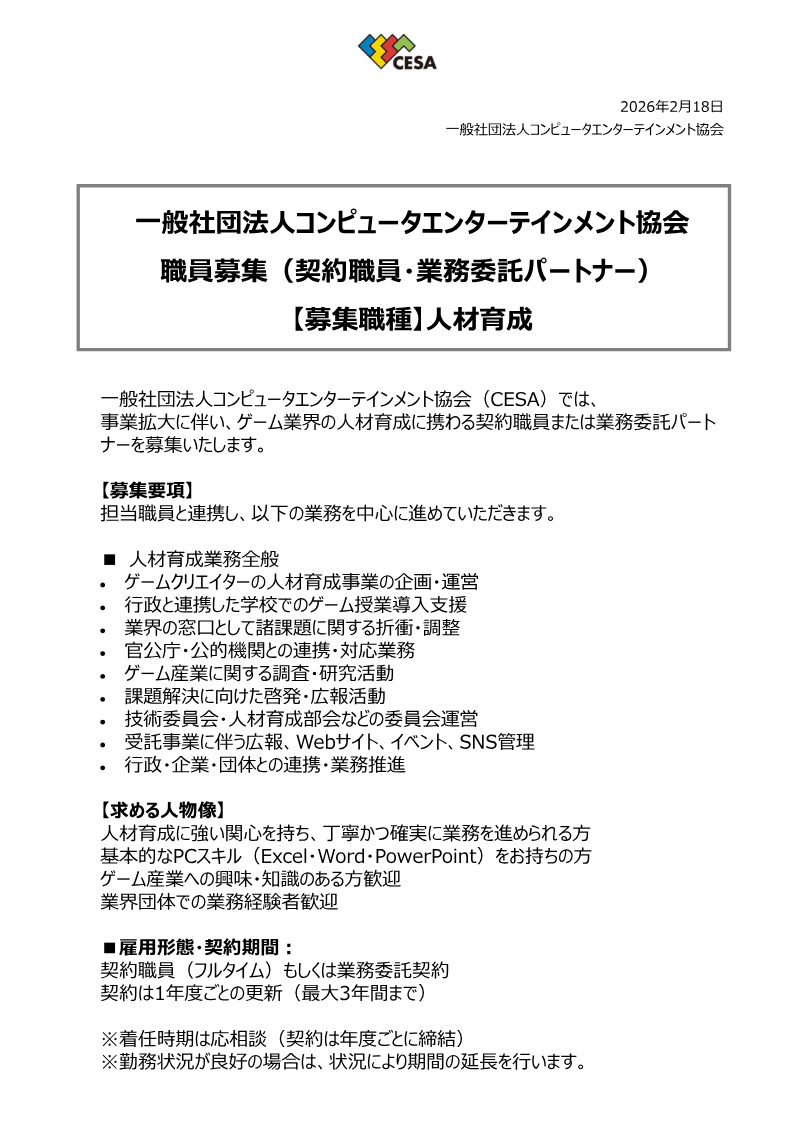
CESA – Computer Entertainment Supplier's Association · 2026
Ukie · 2025

Direcció General d’Innovació i Cultura Digital · 2025
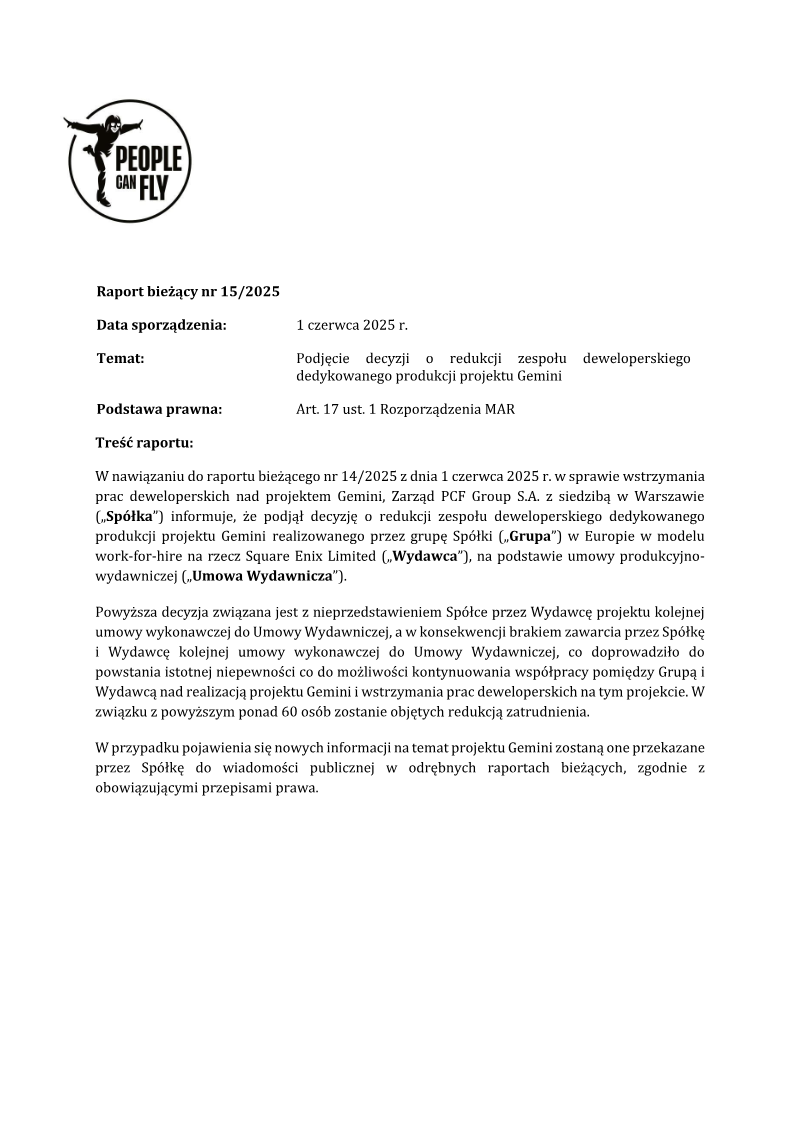
PCF Group · 2025
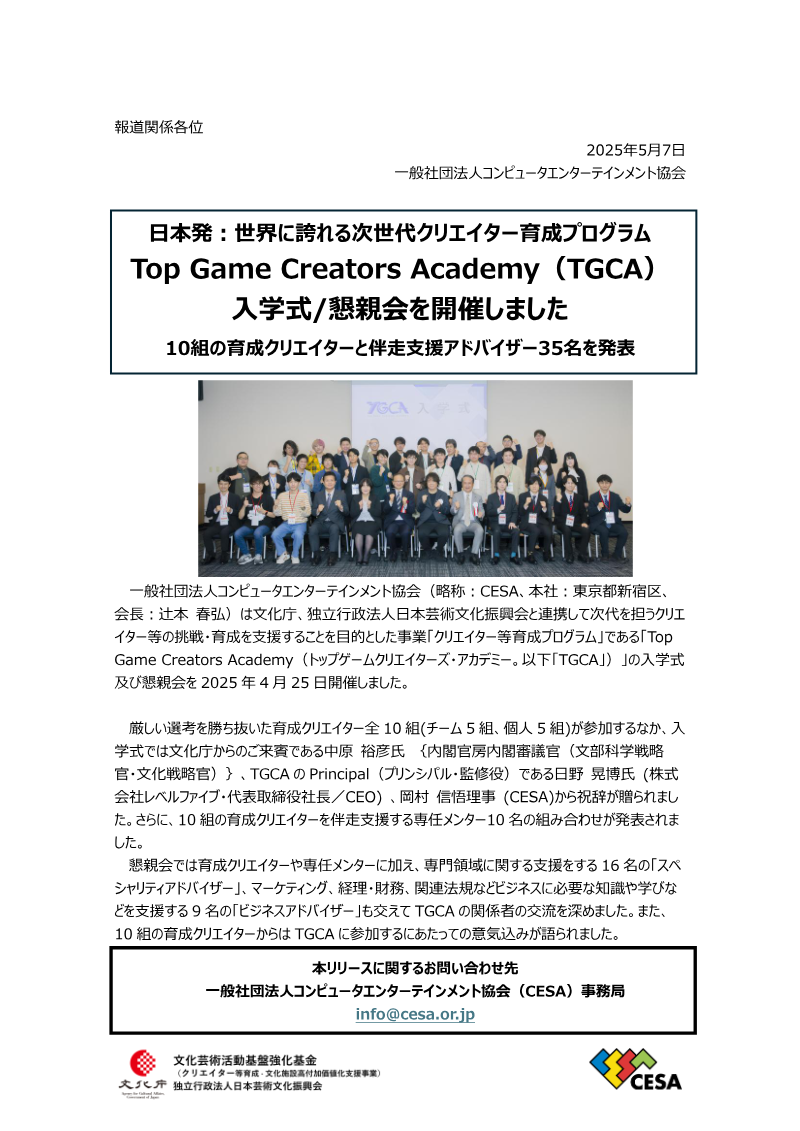
CESA – Computer Entertainment Supplier's Association · 2025
game – Verband der deutschen Games-Branche e. V. · 2025
Dataspelsbranschen · 2025
AEVI · 2025
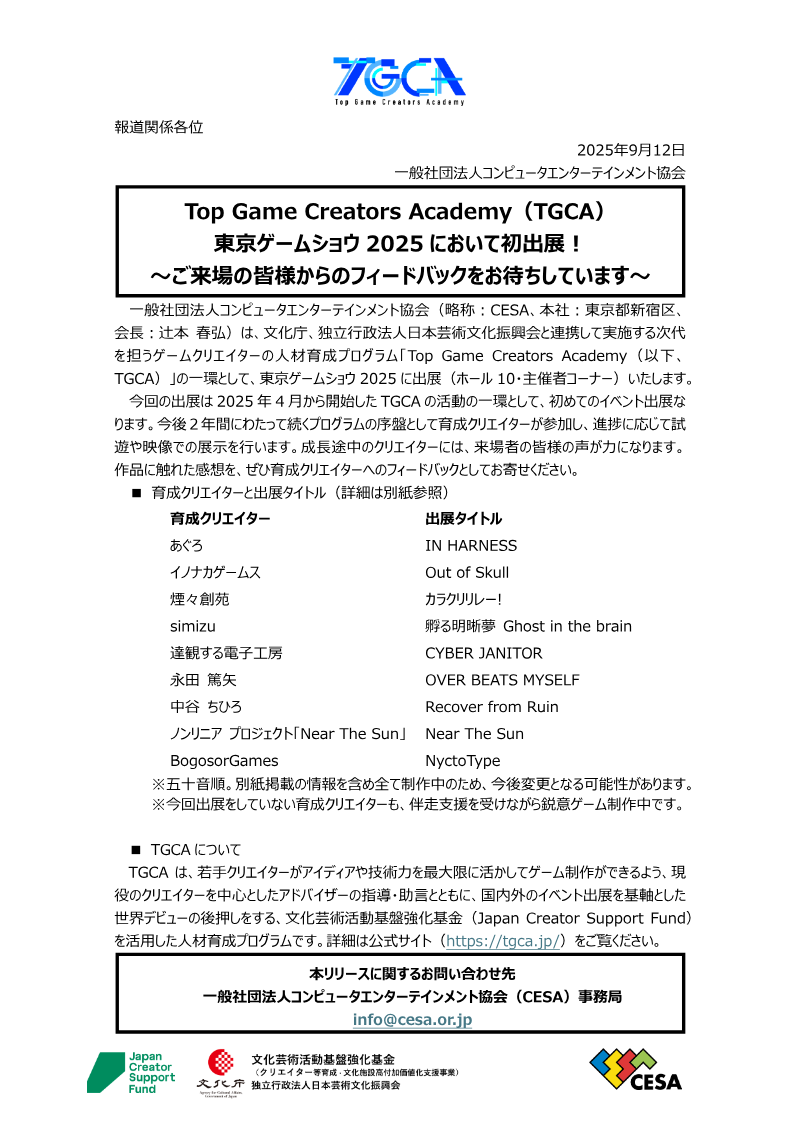
CESA – Computer Entertainment Supplier's Association · 2025