Loading the document
Key insights
4 slides
The disconnect
A new framework addresses the gap between BCI research and game development.
The BCI research community prioritizes technical signal analysis, while the game development community focuses on user experience and design principles.
Bridging the gap. The framework bridges the disconnect between the BCI research community’s focus on signal analysis and the game industry’s focus on user experience design.
1 / 4
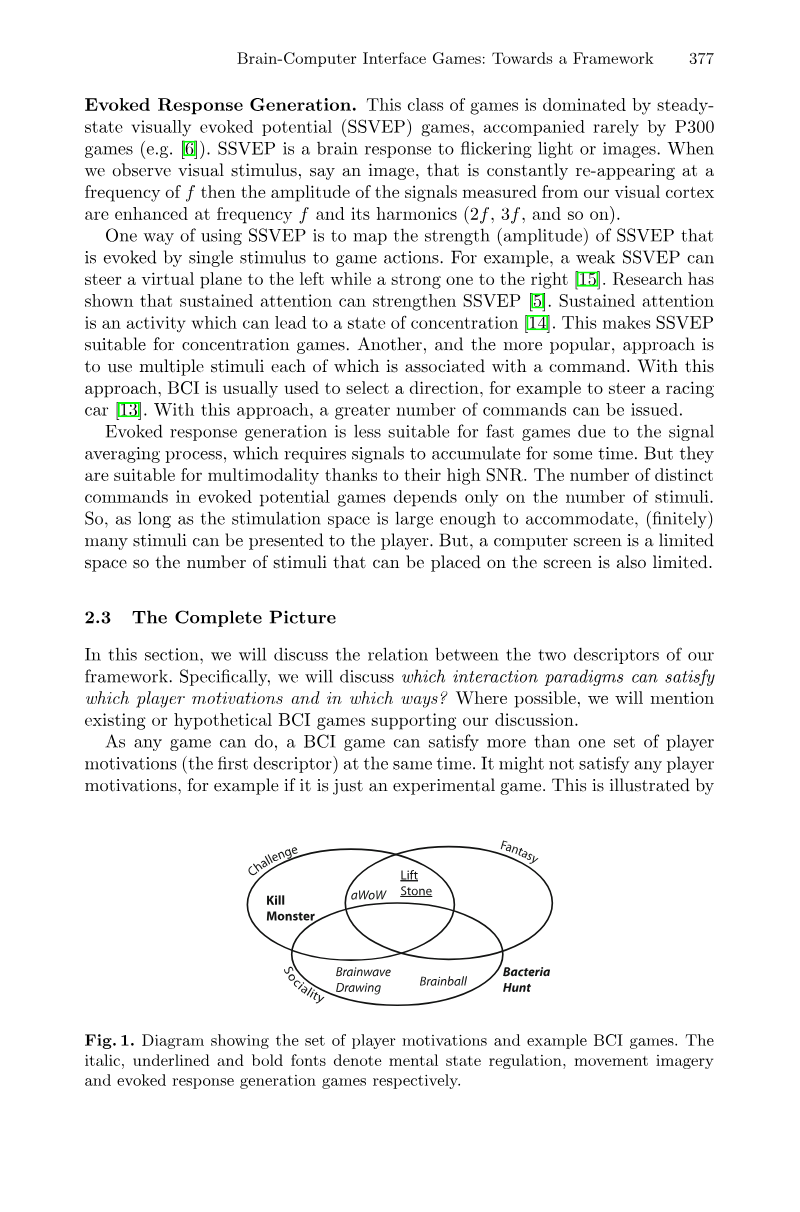
- 01Successful BCI game design requires aligning specific interaction paradigms—mental state regulation, movement imagery, or evoked response generation—with player motivations of challenge, fantasy, and sociality.See it on page 7
- 02Developers can mitigate BCI technical limitations, such as high recognition error rates and latency, by embedding these constraints directly into the game’s narrative or task structure.See it on page 1
- 03Mental state regulation is the most effective interaction paradigm for games focused on relaxation and social engagement.See it on page 4
- 04Movement imagery provides the most intuitive control scheme for fast-paced, action-oriented gameplay.See it on page 4
- 05The framework bridges the disconnect between the BCI research community’s focus on signal analysis and the game industry’s focus on user experience design.See it on page 1
- 06Evoked response generation utilizes brain reactions to external stimuli, such as flickering lights, to facilitate interaction.See it on page 5
Ask AI about this report
Summary
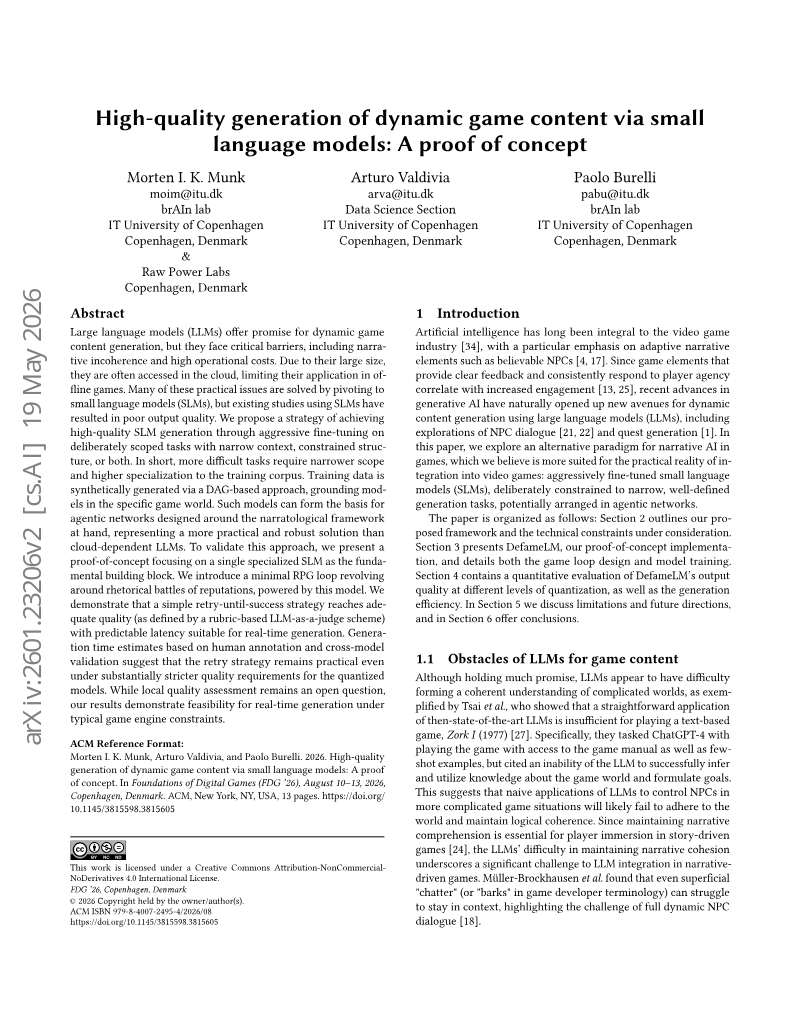
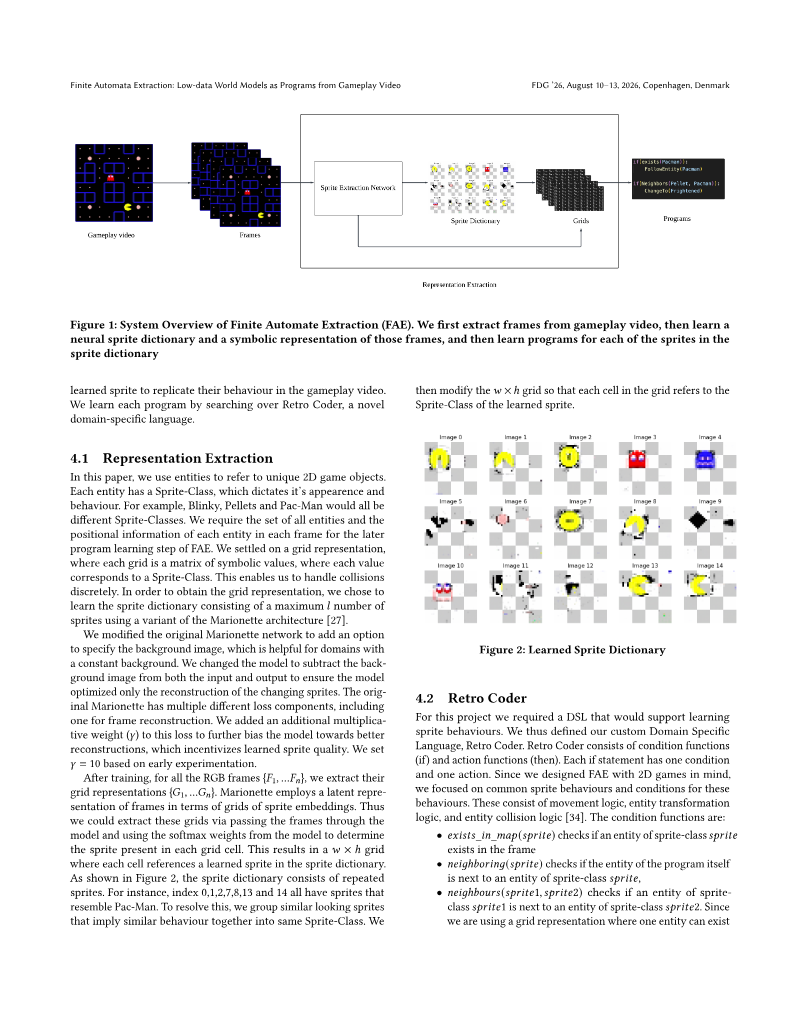
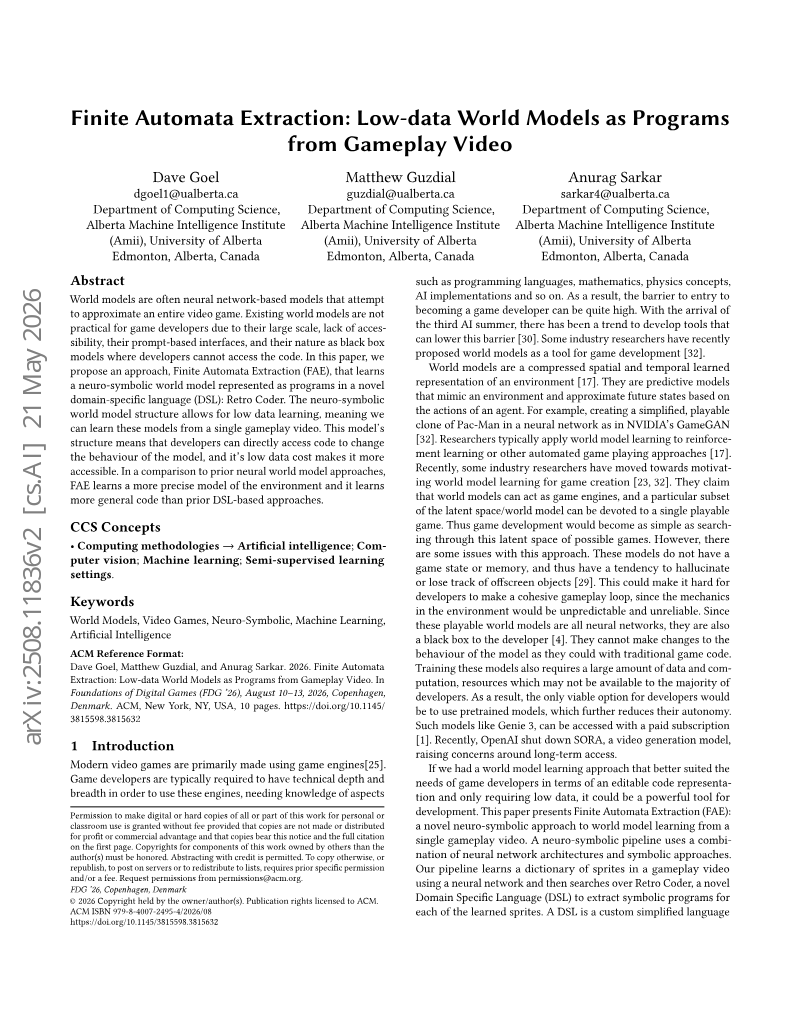
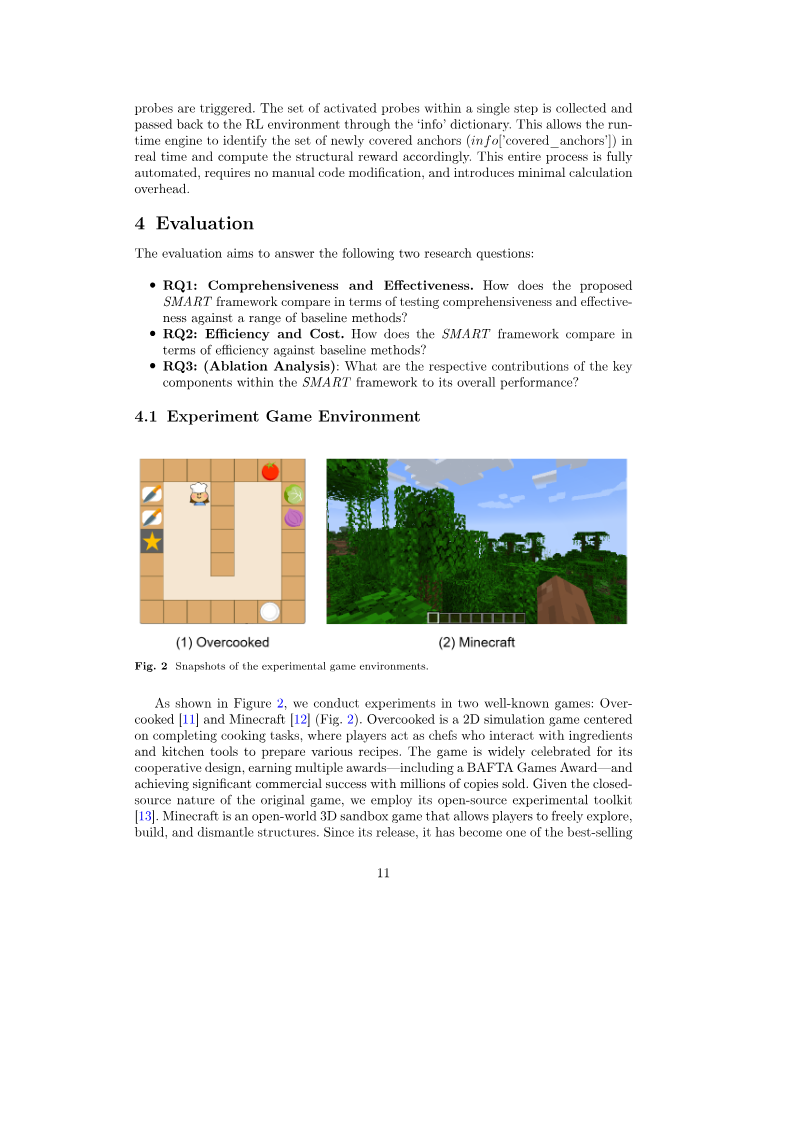
This framework addresses the existing disconnect between the brain-computer interface (BCI) research community, which prioritizes technical signal analysis, and the game development community, which focuses on user experience and design principles. By synthesizing research from both fields, the framework provides a structured approach to designing BCI-integrated games that are both technically reliable and engaging for the general population.
The proposed framework categorizes BCI games using two primary descriptors: player motivations and interaction paradigms. Player motivations are identified as challenge, fantasy, and sociality, which serve as the psychological drivers for engagement. Interaction paradigms are classified into three categories: mental state regulation, which involves relaxing or concentrating; movement imagery, which utilizes the visualization of physical actions; and evoked response generation, which relies on brain responses to external stimuli such as flickering lights.
The analysis highlights that successful BCI game design requires aligning these interaction paradigms with specific player motivations. For instance, mental state regulation is well-suited for social interaction and relaxation, while movement imagery offers intuitive control for fast-paced gameplay. The framework suggests that developers can mitigate the limitations of BCI technology—such as recognition errors or slow response times—by embedding these mechanics into the game’s narrative or task structure, thereby transforming technical challenges into intentional gameplay elements. Ultimately, the framework serves as a foundational guide for developers to create more immersive and meaningful BCI-enabled experiences by bridging the gap between neurophysiological interaction and traditional game design.