1 free read left. Create a free account for unlimited reading + AI research.
Create free account
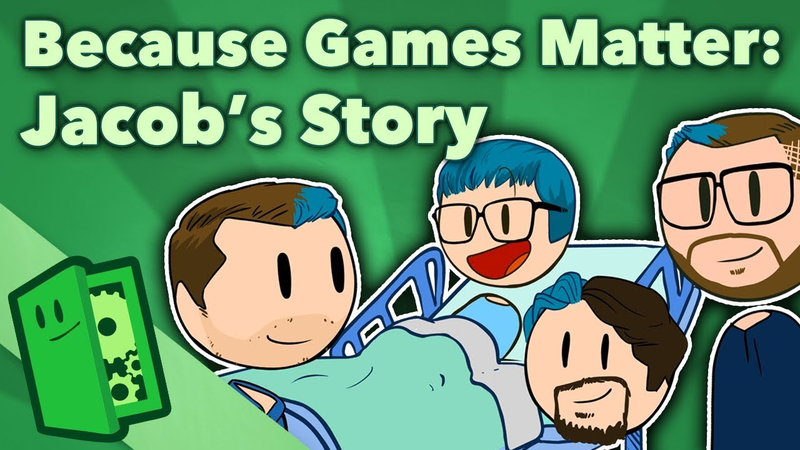
Because Games Matter - Jacob's Story - Extra Credits
Key insights
5 takeaways- 01The charity Child’s Play facilitates the donation of games, toys, and technology to approximately 180 hospitals annually to improve the quality of life for pediatric patients.
- 02Child Life Specialists and patient technology staff utilize consoles, virtual reality, and robotics to transform sterile clinical environments into spaces of engagement that mitigate the fear of surgery and recovery.
- 03While gaming does not cure underlying medical conditions, it functions as a core component of the healing process by building resilience and sustaining hope in children navigating severe health challenges.
- 04Gaming acts as a vital coping mechanism for children facing isolation and communication barriers, including deaf patients, by fostering a sense of normalcy and constructive distraction.
- 05Video games serve as a critical therapeutic tool for pediatric patients, providing essential emotional relief and social connection during prolonged hospitalizations and intensive treatments like chemotherapy.
Ask AI about this video
Transcript
Welcome back to another special because games matter episode of extra credits where we highlight the real world good that games can do. Today, we're going to be hearing from a young person that benefited from the Child's Play charity who actually relate their story in ASL and had it transcribed for us so they could tell you how much games have mattered in their life. This is Jacob's story. Hi, my name is Jacob. I'm 15 years old and love to have fun. Some of my favorite things are swimming, camping, riding a bike, drawing, baseball, playing card games, fishing, riding an ATV, driving anything remote controlled, and yes, playing video games. In a lot of ways, I think I'm a pretty typical 15-year-old kid, but in some ways I'm different from most. I was born profoundly deaf, so my world is silent and I communicate using American Sign Language. I had open heart surgery at just 4 months old to fix a defect in my heart. And I was also born with a genetic disorder called primary ciliary dyskinesia or PCD. It's a rare condition
that causes defects in the tiny hairs or cilia that line my respiratory tract. This means I can get a lot of lung and ear infections. In my case, it also means that all of my organs are positioned in mirror image inside of my body, a condition called situs inversus. Because I have PCD, I've been sick a lot in my life. I visit many specialists, have had a lot of surgeries and procedures, and have even had to stay in the hospital several times to treat infections. To stay as healthy as possible, I do breathing treatments with a nebulizer three to four times a day. And during my breathing treatments, I'm also hooked up to a machine called the vest. It vibrates and helps me cough to clear my airways. I'm hooked up to these machines for over an hour every day. Now, I don't like having PCD, but when I'm doing my treatments or when I'm sick, I get to game and that is fun. I grew up playing the Nintendo Wii. My favorite thing about the Wii is that my entire family enjoys playing. I've spent countless hours battling my brother and two sisters, winning trophies in Mario Kart, conquering Bowser together in Super Mario Brothers, hitting home runs and bowling strikes in Wii Sports, and
shooting tanks in Wii Play. Now, we can be fiercely competitive, but ultimately, playing the Wii connects us. Since I'm deaf and only communicate through sign language, and my family most easily communicates with spoken English, playing video games has always been a way for us to bond. But, a year ago, my life changed drastically when I started having pain in my side. My mom brought me to the hospital and we found out that I had a tumor growing on my kidney. Doctors who aren't very familiar with all my rare medical stuff sent me to see specialists at CS Mott Children's Hospital in Ann Arbor, a couple hours from my home. I stayed in the hospital for over a week waiting for surgery to remove the tumor. The nurses and doctors took great care of me, but I was scared, isolated, bored, and couldn't easily communicate with staff and other patients because I don't speak English. My mom and dad were with me, but I didn't have any visitors because I was so far from home. So, I spent most of my time watching television in my room. That's when I was introduced to staff members who work with kids at the hospital to help them have a better stay. These were child life specialists who comforted me through painful and scary procedures with games on an iPad
and filled the long days with painting, playing games, doing crafts, decorating cupcakes, bingo nights, playing drums in the teen room, or just visiting. I also met patient technology staff who came to my room with LEGO robots, a Nintendo Switch, virtual reality games like Moss, and an awesome little robot named Cozmo. These video game guys quickly became friends to me at a time that I desperately needed them. Their visits gave me something to look forward to and allowed me a brief moment to forget about being sick and in the hospital. I was able to have fun and feel a bit more normal. In the year since I first met them, so much has happened. After surgery to remove the tumor and one of my kidneys, the doctors told us that the tumor was cancer. At the time, I didn't really know anything about cancer, but everyone looked sad and I knew it was serious. Now, I know what cancer is. I know what it does to your body and I know how it makes you feel. I'm familiar with radiation therapy and I know about port access and chemotherapy infusions. I've experienced nausea, constipation, weight loss, fatigue, muscle pain, weakness, and losing all my hair. I
spent weeks in the hospital recovering from surgery, fighting side effects of treatments, and overcoming lung infections. There were hours spent traveling to and from the hospital, receiving chemotherapy infusions, visiting doctors, and having more tests. And on top of physically feeling terrible, one of the worst things about it all was the isolation. I couldn't go to school, and I couldn't have many visitors because of the risk of becoming sick. I couldn't do so much of what I loved. But, here's what I did have: hope. Even though there was so much to struggle through, there was always hope and something to look forward to, something to live for. Sometimes, hope came in fun and crazy ways, like seeing my friends and staff at the hospital dye their hair blue with me before I lost it all to chemo. I also found hope at pizza and live music nights, the Saturday arcades in the hospital conference room, or playing Xbox Connect in the teen room. Other times, I found it while playing Moss in virtual reality while getting chemo, racing Mario Kart, battling in Mario Party, making LEGO robots, driving my RC car down the
halls, or splatter painting in the Child Life Activity Room. One of my favorite memories is having a visit in my hospital room from Santa. When I experienced the joy he brought me with his smile and gift of a stuffed bear, I wanted to be a part of what he was doing. So, I tagged along while he visited other rooms, playing his elf and handing out gifts to other kids. Later, I even tied jingle bells to my wheelchair and rode through the hospital wishing everyone a Merry Christmas in sign language. Thankfully, I was able to spend Christmas at home with my family. A generous friend, knowing I couldn't do much and that I loved video games, gave me a Nintendo Switch for Christmas. I love it. I spent so many hours playing it while I was sick. My favorite games are Mario Kart and Mario Party. When my friends came to visit, or when I was isolated at home with only my family, we played the Switch. I also filled my time playing with my robot buddy Cozmo and my RC car. I don't know what I would have done without my games and tech. They kept me busy, engaged, and distracted from being sick. It's been a tough year, but I am feeling a lot better now. My
chemo is done, and so far my scans have come back cancer-free. I still have to do all my treatments for my lung disease, and that will never stop. But, I'm doing pretty well with that right now, too. Games, activities, and friends in the hospital can't fix my cancer or lung disease. They can't take away all the pain and struggle, but they have been a big part of what brings me hope. They've helped me through a lot, and I'm incredibly thankful for that. Well, Jacob, I'm incredibly thankful for you taking the time to share your story with us and giving us the opportunity to share it with so many others. So, please give Cozmo a big high five from Zoe and I. And if you at home would like the opportunity to help kids like Jacob, please head over to Child's Play Charities via the link below. Not only does Child's Play support hospitals with the gift of games and toys through their wish list program, but they also provide annual donations to 180 hospitals to help purchase technology and equipment needed to enhance the patient experience. And with the help of folks like you, we can continue to improve the lives of children in hospitals and domestic violence shelters through the power of play and the generosity of the
gaming community. able, please donate towards this amazing cause and help make some difficult days for children a little brighter.
Summary
The therapeutic role of video games in pediatric healthcare serves as the central focus of this narrative, which highlights how interactive play mitigates the psychological and physical burdens of chronic illness. Through the personal account of a 15-year-old patient born with primary ciliary dyskinesia and later diagnosed with kidney cancer, the narrative illustrates how gaming functions as a vital coping mechanism. For patients facing prolonged hospitalizations, isolation, and communication barriers—such as those experienced by deaf children—gaming provides a necessary bridge for social connection, emotional relief, and a sense of normalcy during intensive medical treatments like chemotherapy and daily respiratory therapy.
The account emphasizes the critical work of Child Life Specialists and patient technology staff within hospital environments. By providing access to consoles, virtual reality, and robotics, these professionals transform sterile clinical settings into spaces of engagement and hope. These interventions are shown to be particularly effective in alleviating the boredom and fear associated with surgery and recovery, offering patients a constructive distraction that fosters resilience.
The broader impact of these initiatives is supported by the work of Child’s Play, a charity that facilitates the donation of games, toys, and technology to medical facilities. By supporting approximately 180 hospitals annually, the organization ensures that pediatric patients have access to tools that enhance their quality of life. Ultimately, the narrative concludes that while games cannot cure underlying medical conditions, they play an essential role in the healing process by providing joy, fostering community, and sustaining hope for children navigating severe health challenges.
















Comments