Growth is increasingly concentrated within top-tier platform-style games.
These features are essential for driving engagement in modern titles.
Think of it like a social media app where connecting with friends and creating content is more important than how polished the…
Nimble independent developers are leveraging the democratization of game technology and distribution. This allows them to challenge established industry players effectively.
This shift aims to reduce reliance on third-party storefront fees. It also fosters deeper, more direct relationships with player bases.
It's like a band selling their music directly to fans instead of through a record label.
Broader cross-media strategies are necessary to maintain franchise relevance.
The Global Gaming Report 2025 examines the current state of the video game industry, identifying a market that has stabilized following the post-pandemic consolidation period. The central thesis posits that while high-quality gameplay remains the foundational requirement for success, it is no longer sufficient to guarantee market dominance. Instead, industry leaders must now prioritize social connectivity, creative player agency, and cross-media engagement to maintain relevance in an increasingly competitive landscape.
The findings highlight a significant shift in consumer preferences, particularly among younger demographics who prioritize social and creative elements over traditional graphical fidelity. This evolution in player behavior has created a challenging environment for AAA studios, which are currently being pressured by smaller, more agile independent developers. These indie studios are successfully leveraging the democratization of development tools and distribution channels to capture market share by responding more rapidly to changing player tastes.
Methodologically, the analysis draws upon Bain’s annual Video Game Consumption Survey, alongside secondary market research and interviews with industry participants. The report emphasizes that the industry is moving toward direct-to-consumer distribution models, which allow studios to bypass traditional storefront fees while fostering deeper, more direct relationships with their player bases. Ultimately, the report concludes that long-term viability in the gaming sector now depends on a company’s ability to extend franchises beyond the game itself, integrating them into broader media ecosystems to maximize player retention and engagement.

Aream & Co · 2026
Drake Star Partners · 2026

Modern Times Group · 2026
Aream & Co · 2026
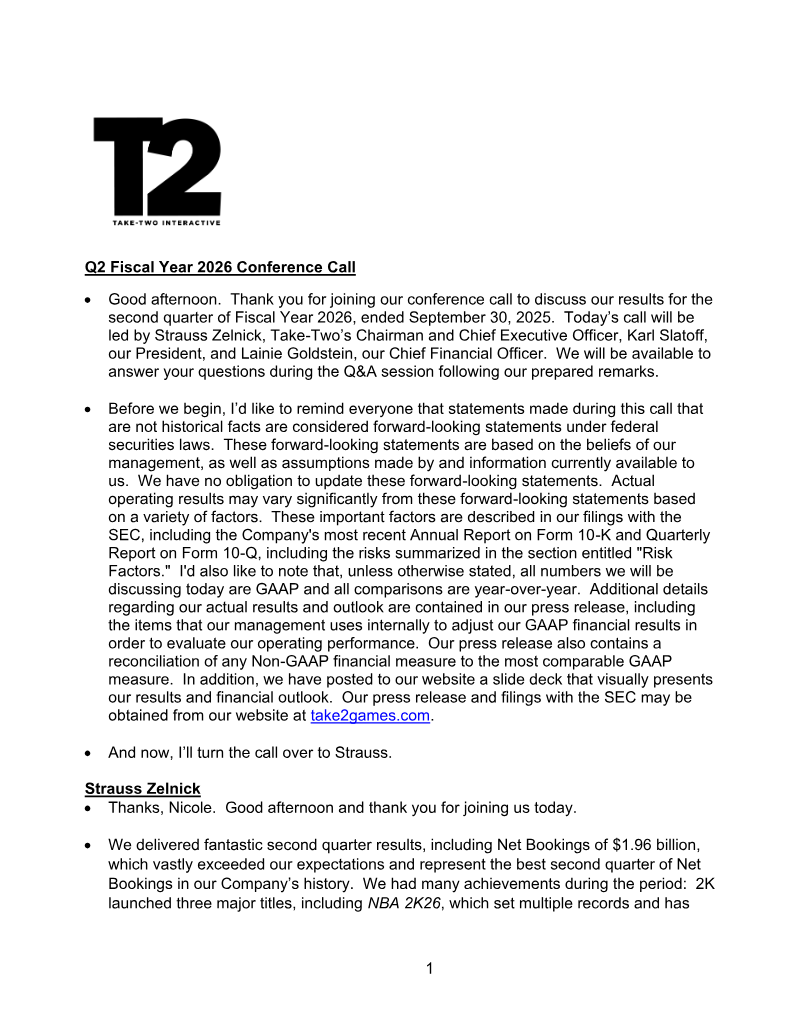
Take-Two Interactive · 2025
Drake Star Partners · 2025
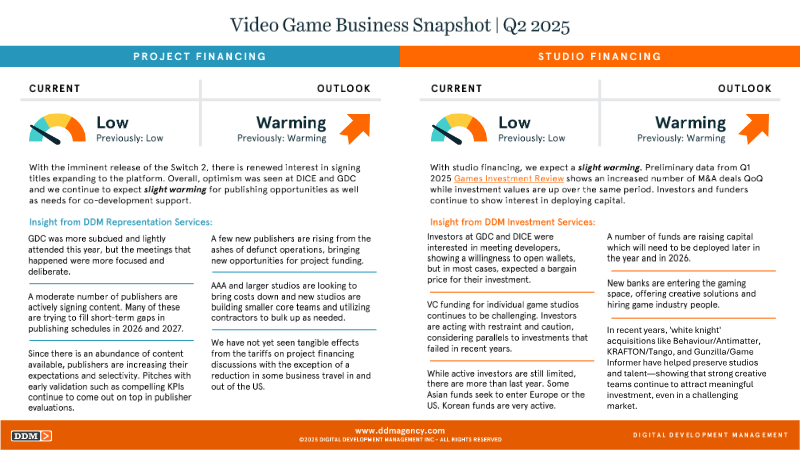
DDM · 2025

Drake Star Partners · 2025
Drake Star Partners · 2025

Aream & Co · 2025
DDM · 2025
Digital Development Management · 2025