1 free read left. Create a free account for unlimited reading + AI research.
Create free accountWhitepaper KLab
1 free read left. Create a free account for unlimited reading + AI research.
Create free accountWhitepaperKLab
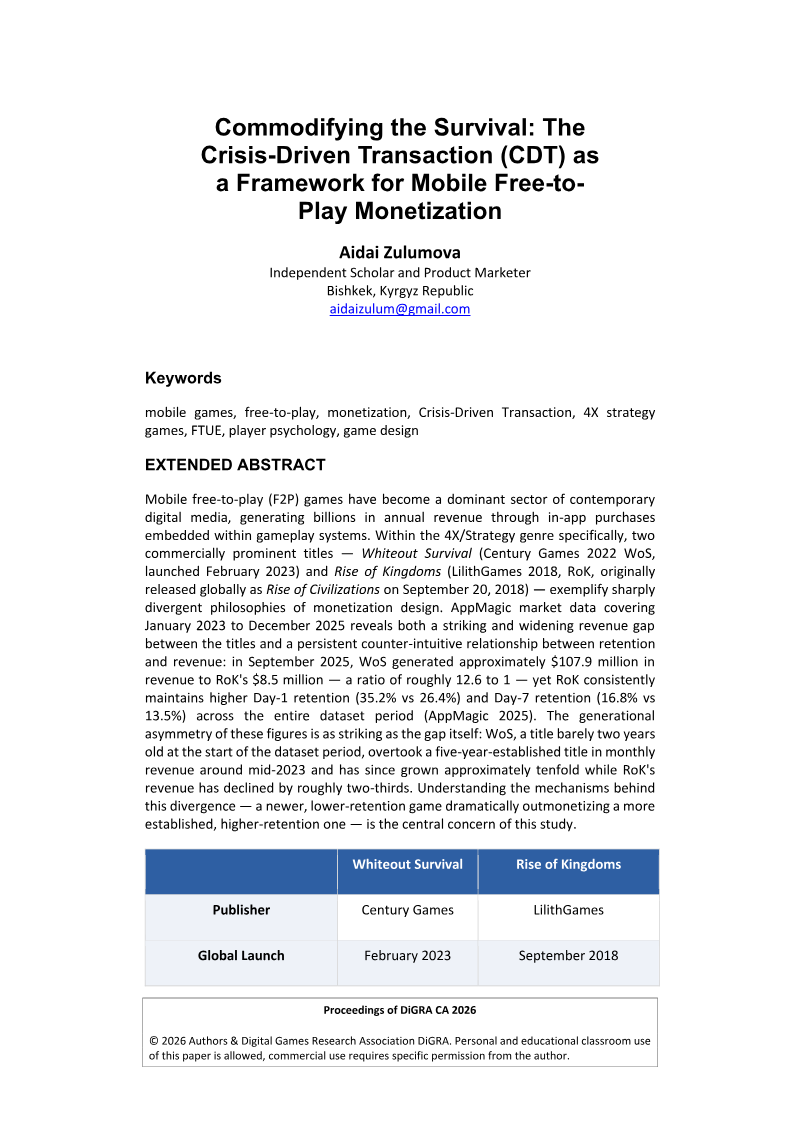
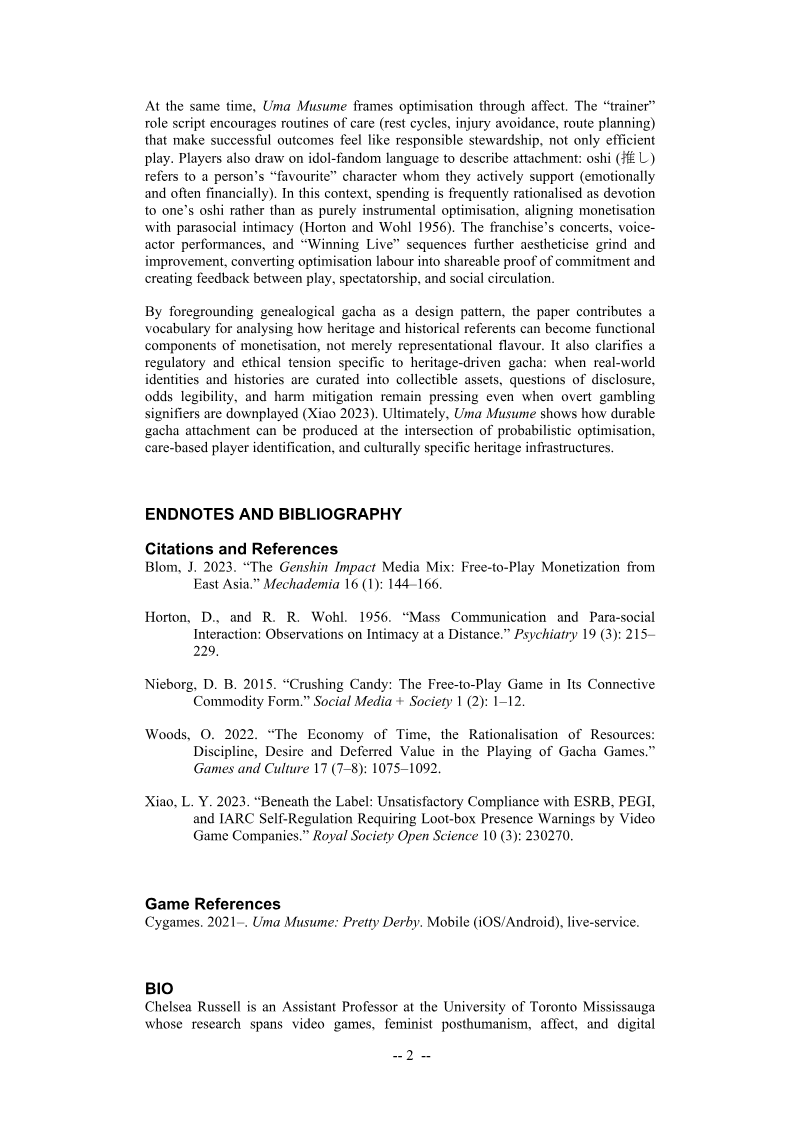
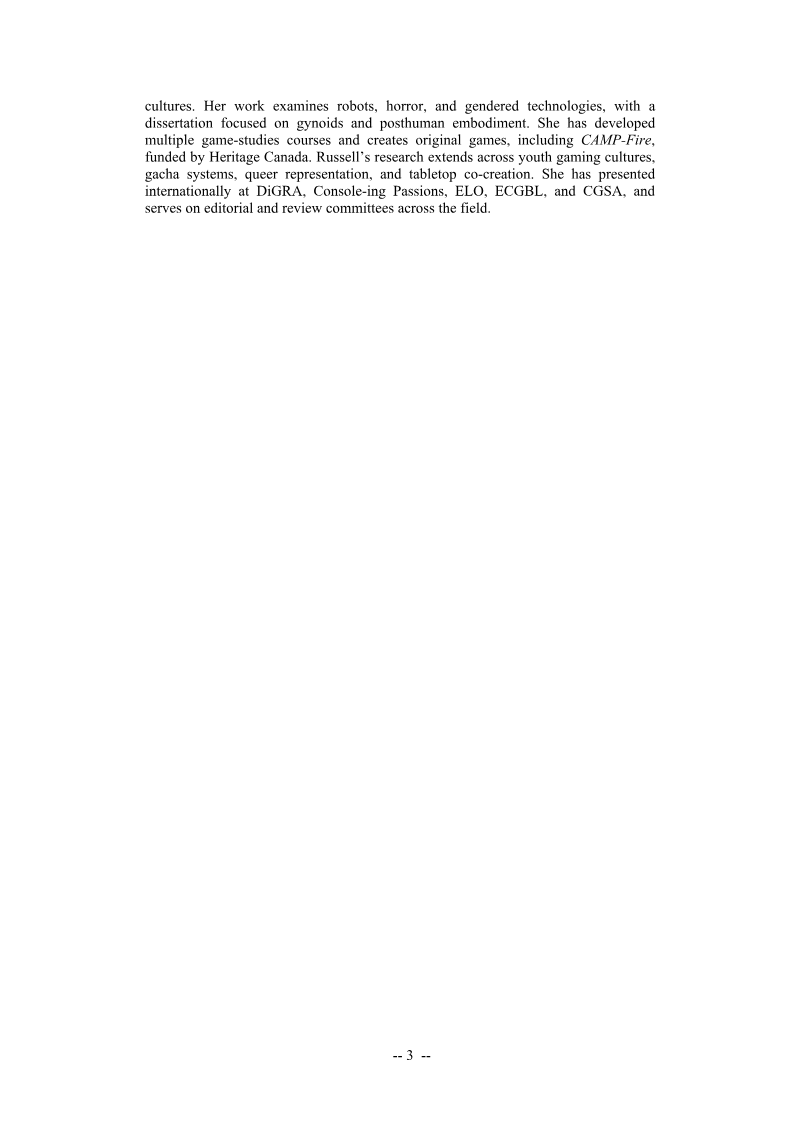
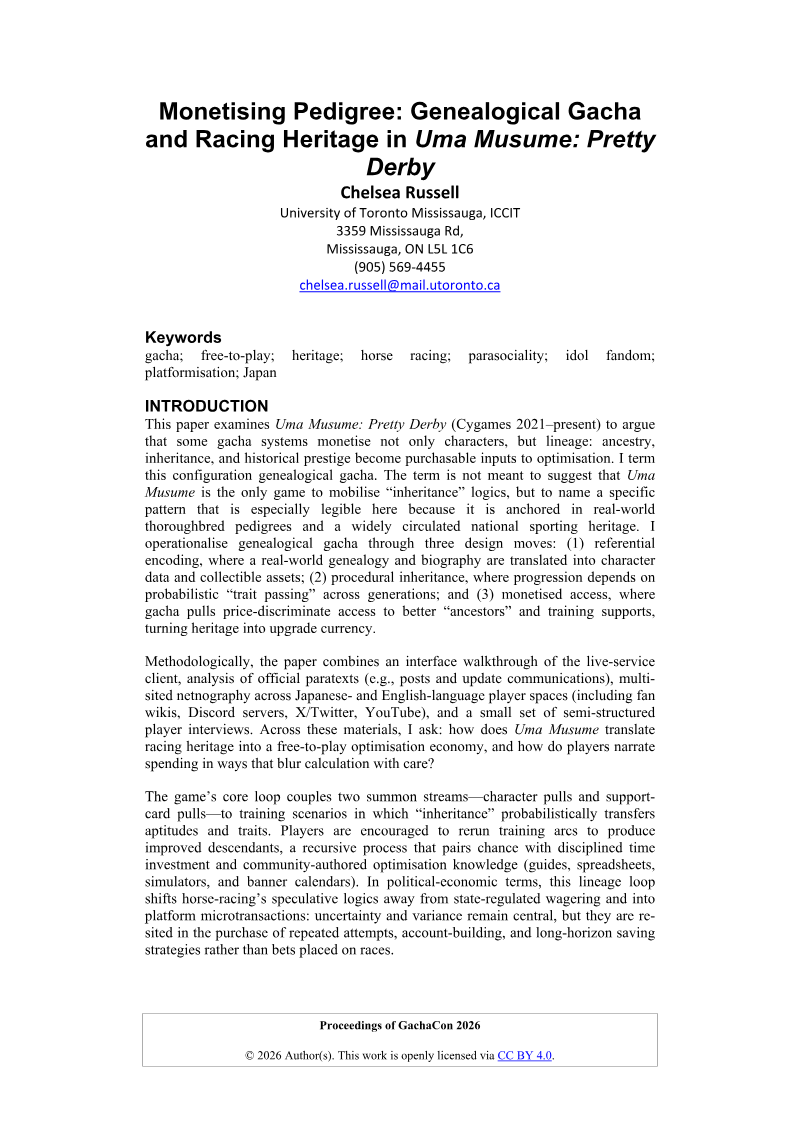
This analysis constructs a motivation model for smartphone social games by mapping user needs to Maslow’s hierarchy of needs. The research aims to identify the factors that drive long-term user engagement and retention. By categorizing game-related satisfaction into specific tiers—ranging from basic game accessibility and progression to social interaction and self-actualization—the model provides a framework for understanding why users continue playing. The study specifically excludes "preference for game genre/style" from the Maslow-based hierarchy, as it serves as a prerequisite for initial engagement rather than a developmental need.
The methodology utilizes real-world user data from two KLab Inc. titles, "Kaburin" and "Puzzle Wonderland." The researchers employed machine learning to analyze behavioral metrics, such as game progress speed, session frequency, and social interaction counts, to predict user retention. For "Kaburin," the model achieved 90% accuracy in predicting 30-day retention by analyzing flow-related elements (physiological and safety needs) and 80% accuracy by analyzing social factors (love needs).
Key findings indicate that user retention is strongly correlated with the fulfillment of these hierarchical needs. Specifically, data shows that users who engage in active communication—both initiating and receiving interactions—demonstrate significantly longer play durations, supporting the relevance of "esteem needs" in the model. The study concludes that while the importance of specific needs varies by individual, the model effectively predicts player behavior and confirms that social factors and flow-based progression are critical drivers for sustained engagement in the smartphone gaming industry.
KLab · 2026
KLab · 2026
KLab · 2026
KLab · 2026


KLab · 2026
KLab · 2026
KLab · 2026


KLab · 2026
The University of Electro-Communications · 2026
KLab · 2025
KLab · 2025

KLab · 2025