1 free read left. Create a free account for unlimited reading + AI research.
Create free accountArticle Eludamos: Journal for Computer Game Culture
1 free read left. Create a free account for unlimited reading + AI research.
Create free accountArticleEludamos: Journal for Computer Game Culture
Pinchbeck's 2009 Eludamos article examines persistent non-player characters in first-person shooters released between 1998 and 2007.
Dan Pinchbeck's 2009 Eludamos article examines persistent non-player characters (PNPCs) in first-person shooters, arguing that these characters are shaped primarily by gameplay and narrative economy rather than by technical limitation or surface demographics. Drawing on a genre-wide sample of 34 titles released between 1998 and 2007, the analysis shows that most games include roughly three to nine PNPCs, with allies appearing far more frequently than enemies. Pinchbeck contends that this pattern reflects the core structural simplicity of the genre: allied characters and shifting allegiances require more elaborate systems and interactions, so PNPCs typically serve epistemological and atmospheric purposes rather than functioning as recurring nemesis figures.
The study finds that PNPCs are most often delivered through audio or cutscenes instead of as dynamic, persistent in-game entities, with only a few titles, notably Half-Life 2, Condemned, and Quake 4, featuring fully embodied characters. Few PNPCs convey critical gameplay information directly. Instead, they operate as goal-communication devices that direct player attention and cultivate emotional engagement, rewarding immersion and enabling more complex affective experiences.
Pinchbeck further argues that PNPCs act as distributed problem-solvers, contextual supports, and emotional anchors. Using Barthes' narrative model, the analysis shows how ambiguous motives and off-screen timelines, as seen in System Shock 2, can expand a game's perceived complexity beyond its playable scope. Many PNPCs, the author observes, condition players to surrender problem-solving authority to the game system, frequently holding higher narrative status than the avatar. Examples from Halo, F.E.A.R., Half-Life 2, Perfect Dark Zero, and Deus Ex support the conclusion that PNPC construction follows a recurring archetypal framework that enables orientation, action delegation, and tension management, revealing deliberate links between rules and fiction across the genre.
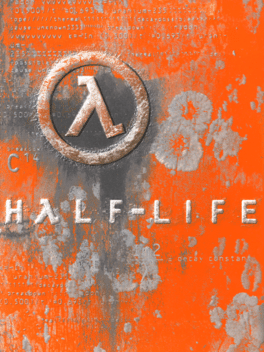 Half-LifeGame · Valve · 1998 · 51 documents
 Deus ExGame · Ion Storm · 2000 · 37 documents
 QuakeGame · id Software · 1996 · 26 documents
 Perfect DarkGame · Rare · 2000 · 20 documents
 Half-Life 2Game · Valve · 2004 · 19 documents
 F.E.A.R.Game · Monolith Productions · 2005 · 9 documents
Each row is a game or company this document names, each column a document, oldest first. A mark means that document names it. Select a row to see those documents.
Eludamos: Journal for Computer Game Culture · 2026
DiGRA · 2026