1 free read left. Create a free account for unlimited reading + AI research.
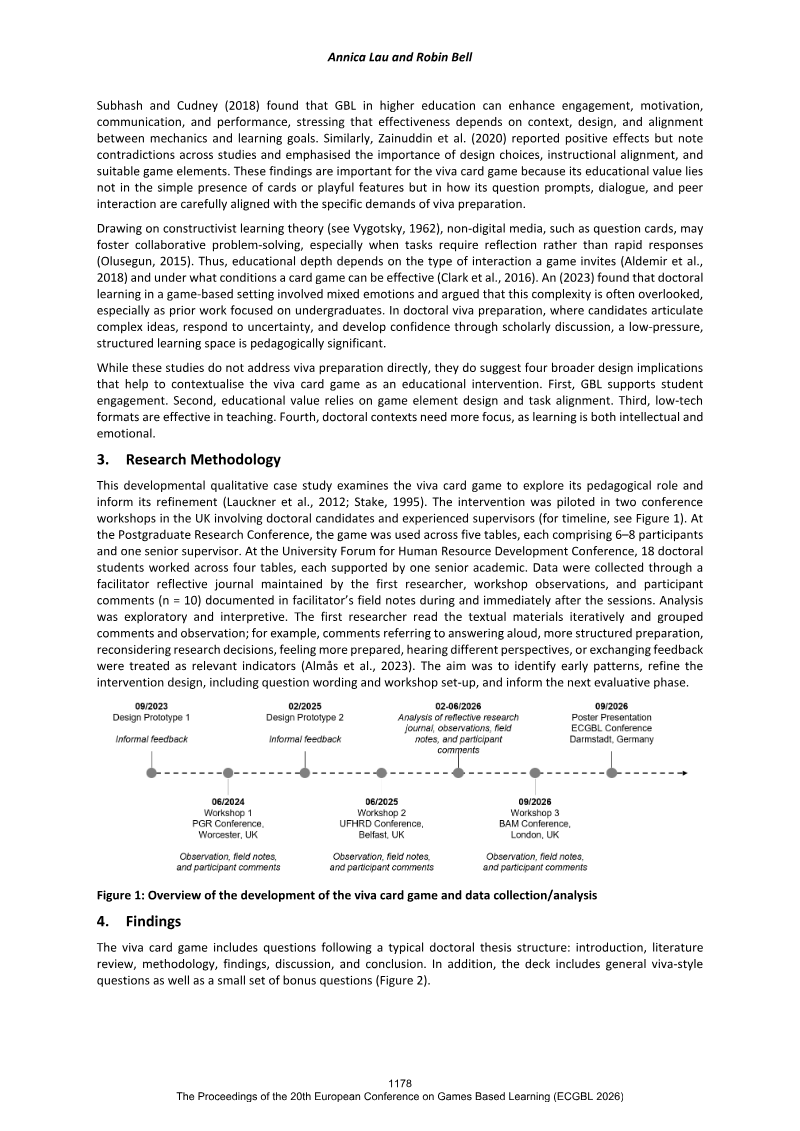
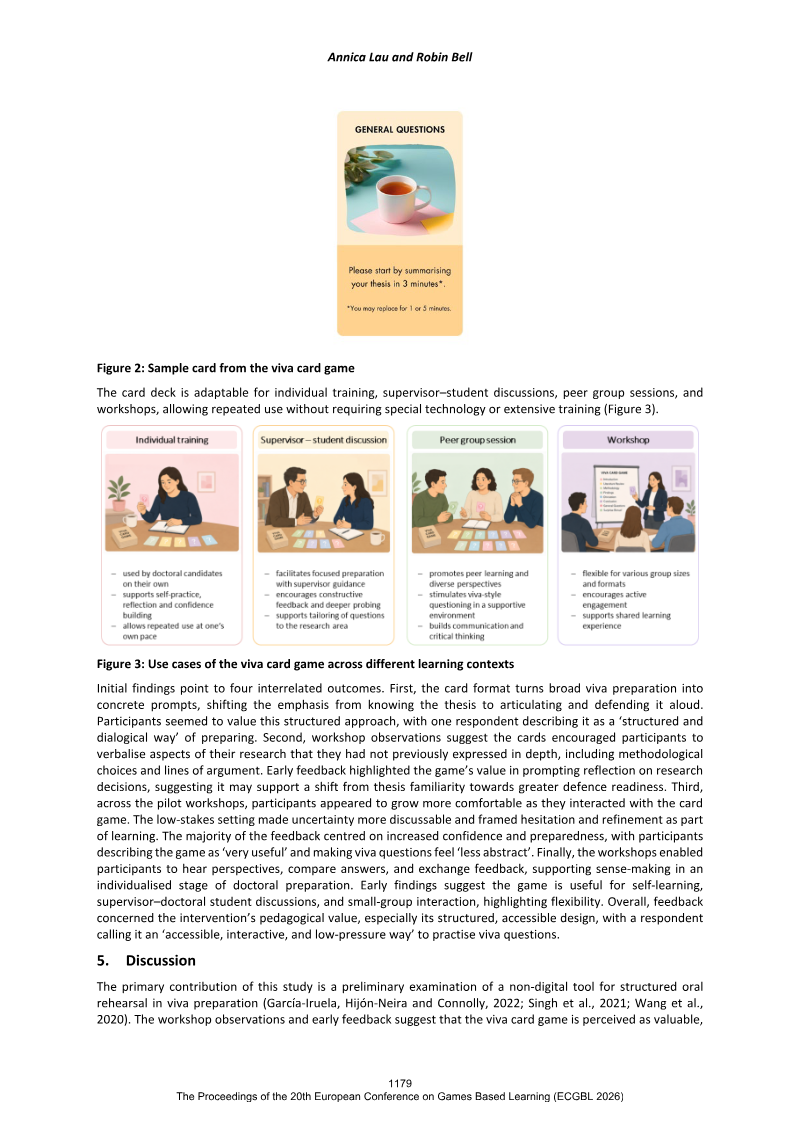
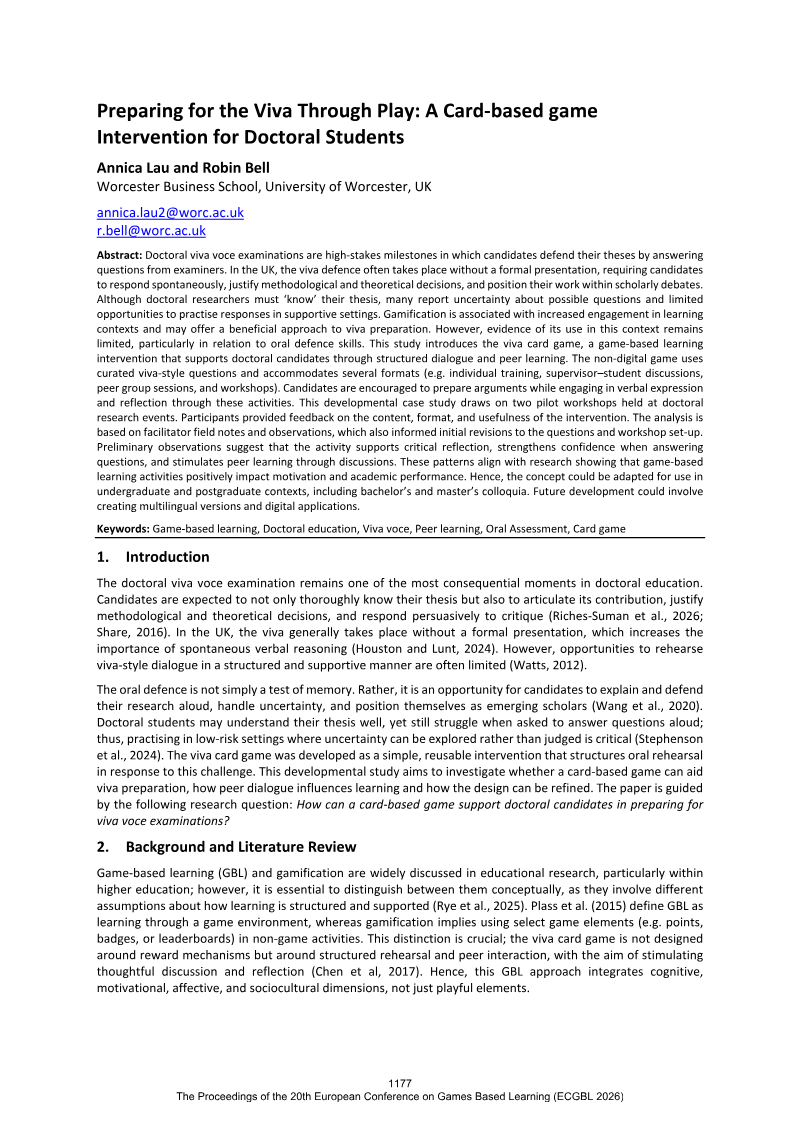
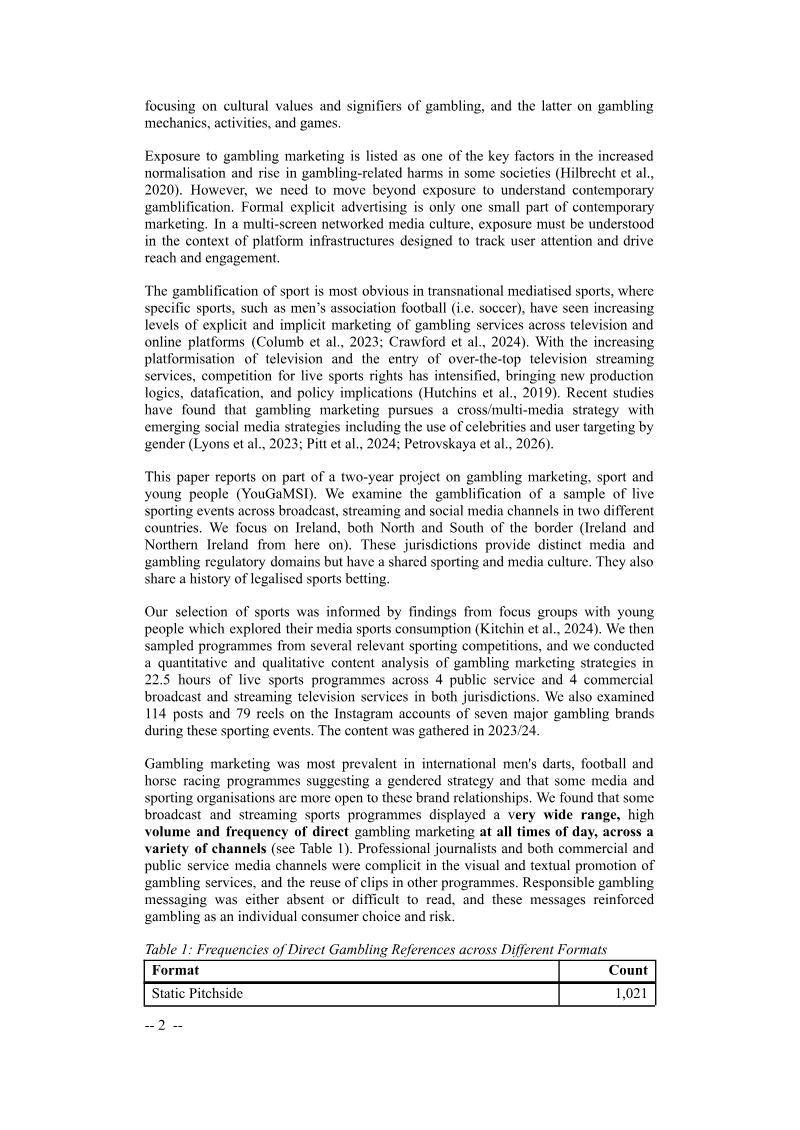
Create free accountArticle G|A|M|E – The Italian Journal of Game Studies
1 free read left. Create a free account for unlimited reading + AI research.
Create free accountArticleG|A|M|E – The Italian Journal of Game Studies
Rob Gallagher's 2017 peer-reviewed article argues that UK grime artists treat videogames as a musical and cultural resource. This challenges the stereotype of gamers as exclusively white, middle-class males.
Rob Gallagher's 2017 peer-reviewed article examines the long-standing relationship between grime music, which emerged from East London in the early 2000s, and videogame culture. Its central argument is that grime artists treat games as a musical and cultural resource, drawing on videogame references, samples, and sounds to construct identities and life narratives. This challenges the familiar stereotype of gamers as exclusively white, middle-class males. The article develops its case through two focused studies: D Double E's "Street Fighter Riddim" (2010) and Fatima Al Qadiri's Desert Strike EP (2012).
The article's analytical framework rests on shared structural logics between grime and games. Both operate through rule-bound play, sampling as recombination, and live performance as a generator of emergent outcomes. Fighting-game "special moves" and speedrun-style constraints find parallels in MCs' signature sonic gestures and constrained lyrical forms. Familiar sounds, including the Shakuhachi sample, game sound effects, and Wiley's "eski click," function both as playful contests over sonic ownership and as invocations of aesthetic lineages. The study finds that "Street Fighter Riddim" uses in-game characters as lyrical avatars, complicating debates about player and avatar identification, while noting that its reliance on stereotyped masculinities limits its progressive potential.
A further contribution concerns how players relate to onscreen characters. The article argues that connection often depends on rhythm, sound, and performative engagement rather than demographic similarity or narrative, and that simile and sensory engagement describe player-avatar relationships more accurately than metaphor. Al Qadiri's appropriation of a Gulf War game is read as reflecting a non-binary dynamic of power and cultural exchange. The article cautions against redemption narratives that value gaming or grime only once they are made "serious," and against gatekeeping that denies artists their claim to these genres.
The article's scope is cross-genre and largely qualitative, centered on the UK grime scene and its transnational connections, and it situates its analysis within game studies and popular music scholarship. It presents no new empirical data or statistics. Its conclusion reframes rule-bound frameworks and component libraries as the basis for live, configurative performance, blurring the boundaries between identity work and intermedial play.
Each row is a game or company this document names, each column a document, oldest first. A mark means that document names it. Select a row to see those documents.

G|A|M|E – The Italian Journal of Game Studies · 2026

G|A|M|E – The Italian Journal of Game Studies · 2026

G|A|M|E – The Italian Journal of Game Studies · 2026

G|A|M|E – The Italian Journal of Game Studies · 2026

G|A|M|E – The Italian Journal of Game Studies · 2026

G|A|M|E – The Italian Journal of Game Studies · 2026

G|A|M|E – The Italian Journal of Game Studies · 2026

G|A|M|E – The Italian Journal of Game Studies · 2026

G|A|M|E – The Italian Journal of Game Studies · 2026

G|A|M|E – The Italian Journal of Game Studies · 2026

G|A|M|E – The Italian Journal of Game Studies · 2026

G|A|M|E – The Italian Journal of Game Studies · 2026
DiGRA · 2003