1 free read left. Create a free account for unlimited reading + AI research.
Create free accountArticle How To Market A Game
1 free read left. Create a free account for unlimited reading + AI research.
Create free accountArticleHow To Market A Game
The viral success of 'Needle In A Haystack Simulator' and subsequent clones sparked concern.
Key Concern. The rise of AI-assisted game cloning has created significant anxiety within the indie development community.
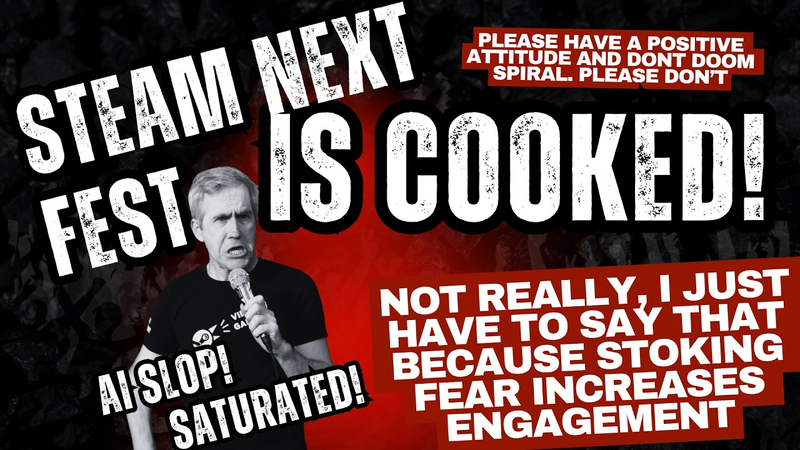
The rise of AI-assisted game cloning has sparked significant anxiety within the indie development community, particularly following the viral success of the game Needle In A Haystack Simulator and the subsequent emergence of multiple clones. The primary thesis is that while the threat of AI-driven copycats is real, it is frequently overstated, and the industry remains robust. The core argument posits that indie developers are not "cooked" and that the standard marketing playbook—prioritizing early Steam pages, public demos, and content creator engagement—remains the most effective strategy for success.
Analysis of the Needle In A Haystack situation reveals that cloning is not an automatic death sentence for original projects. Data from SteamDB indicates that while clones can gain traction, they rarely succeed through "shadow dropping" or low-effort releases. Success in the current market requires quality, consistent updates, and a first-mover advantage in releasing a playable demo. The analysis highlights that Steam’s ecosystem naturally favors original, high-momentum titles, and many clones fail to gain significant visibility because they lack the polish and community engagement of the original games.
The scope of this assessment covers the indie game industry on the Steam platform as of late 2026. The methodology relies on a comparative analysis of Steam follower data, release timelines, and market performance metrics for the Needle In A Haystack series. The findings suggest that developers often fall victim to the availability heuristic, allowing high-profile, negative anecdotes to distort their perception of risk. Ultimately, the industry is experiencing a period of cultural dominance, and developers are encouraged to ignore "doom-scrolling" narratives, maintain focus on core game design, and execute standard marketing strategies with increased speed and precision to mitigate the risks posed by copycats.
The games and companies this document names on the inner ring, other documents about them on the outer one. Select a cover to see it up close and open it in a new tab; drag to move, pinch or Ctrl + scroll to zoom.
How To Market A Game · 2026
How To Market A Game · 2026
How To Market A Game · 2026
How To Market A Game · 2026
How To Market A Game · 2026
How To Market A Game · 2026
How To Market A Game · 2026
How To Market A Game · 2026
How To Market A Game · 2026
How To Market A Game · 2026
How To Market A Game · 2026
How To Market A Game · 2026