Key insights
5 slides
New approach
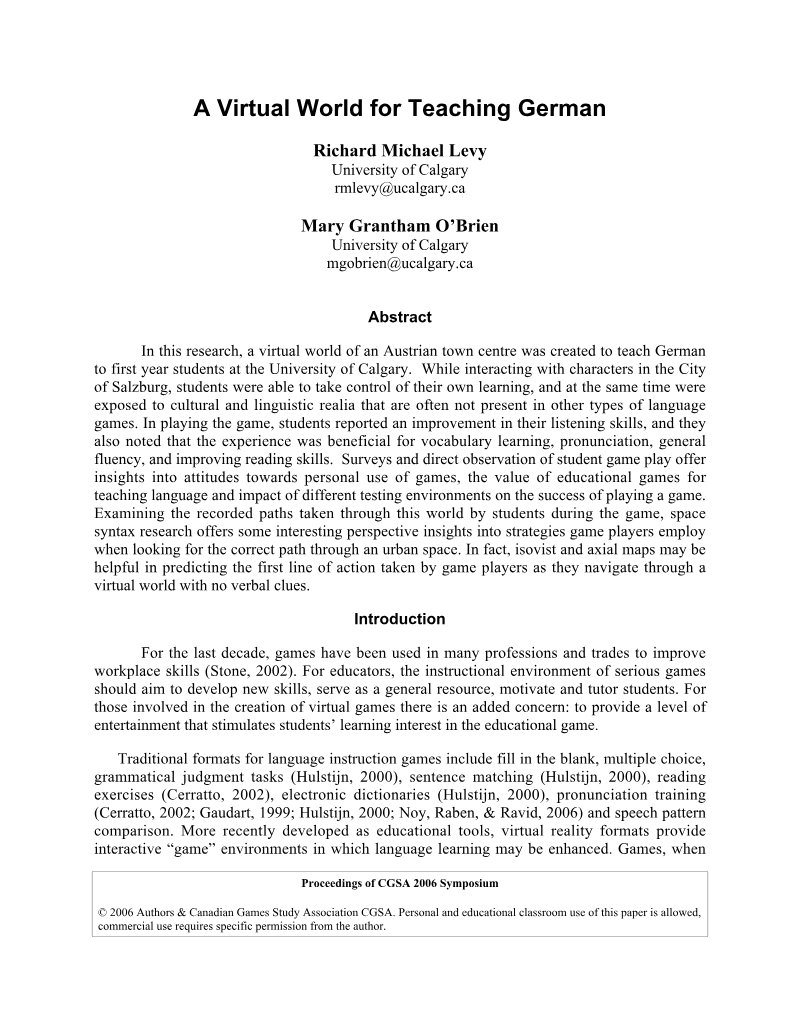
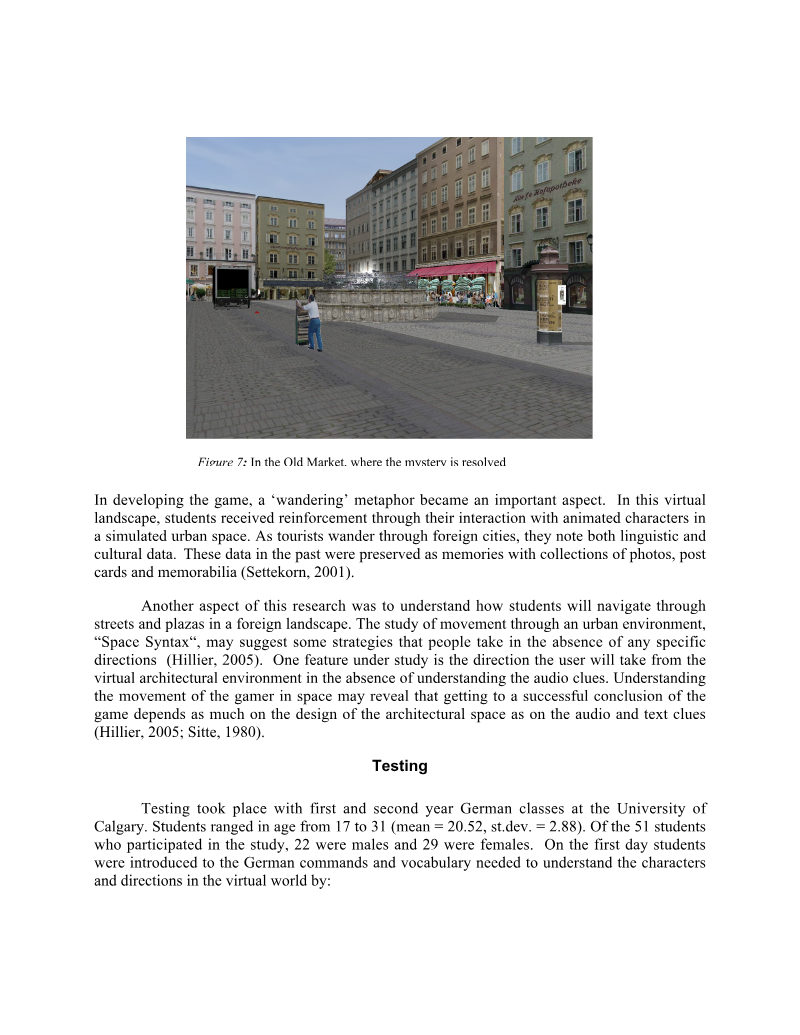
Immersive VR simulations enhance German language proficiency across multiple skills.
Integrating virtual reality simulations into language pedagogy offers a transformative approach. This method significantly improves listening comprehension, vocabulary acquisition, pronunciation, and reading proficiency.
1 / 5
- 01Immersive VR simulations of real-world locations, such as an architecturally accurate Salzburg, significantly improve German language proficiency across listening, vocabulary, pronunciation, and reading.See it on page 1
- 02Architectural layout is a primary driver of student behavior, as learners prioritize visual axes and sightlines over linguistic prompts when navigating virtual environments.See it on page 7
- 03Designers can use space syntax analysis, including isovist and axial maps, to predict and influence how students move through and interact with educational virtual spaces.See it on page 16
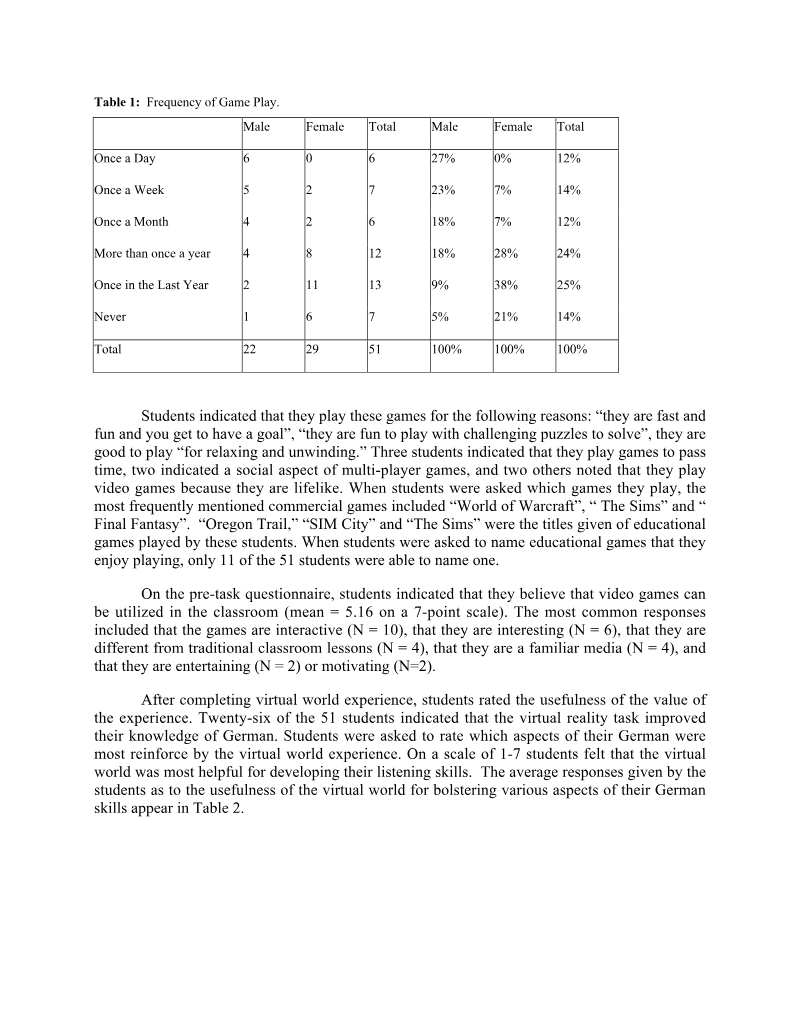
- 04Student success in virtual language simulations is primarily determined by academic aptitude rather than prior video game experience, ensuring broad accessibility.See it on page 11
- 05While students have lower production-quality expectations for educational software than commercial games, collaborative knowledge exchange remains essential for effective problem-solving.See it on page 10
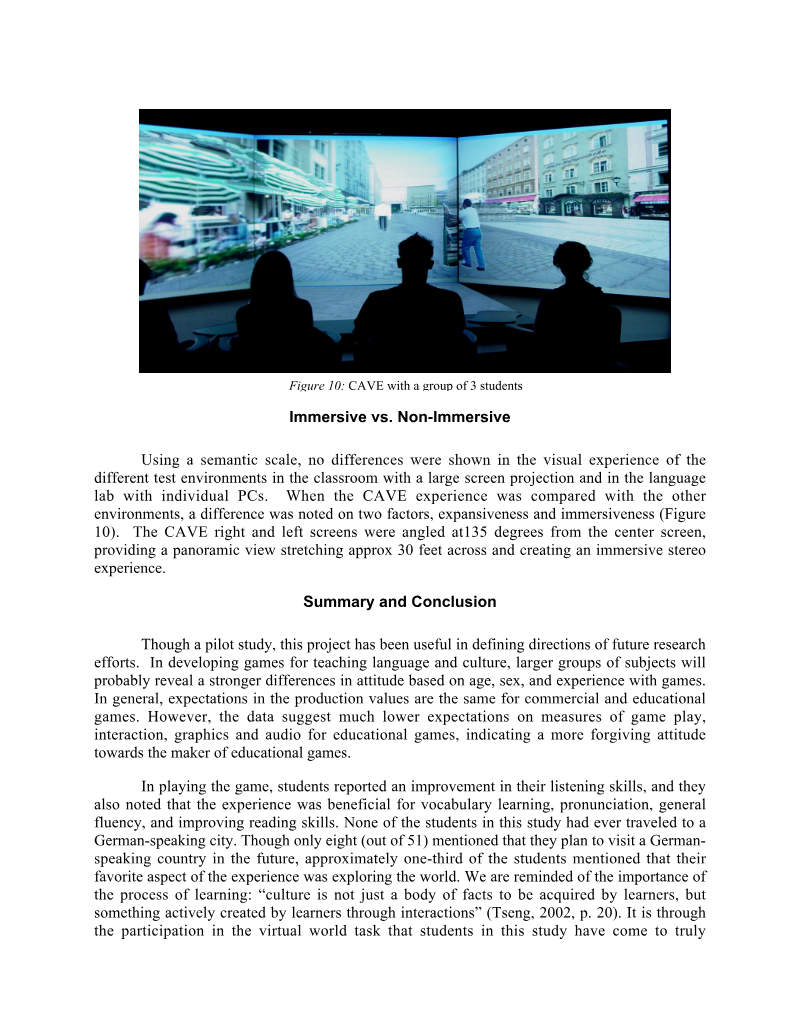
- 06Immersive, space-conscious simulations serve as a scalable and effective supplement to traditional classroom and language lab instruction.See it on page 15
Ask AI about this report
Summary
The integration of immersive virtual reality simulations into language pedagogy offers a transformative approach to teaching German, specifically through task-based gameplay set within an architecturally accurate recreation of Salzburg. By tasking first-year students with solving a mystery within this digital urban environment, educators can foster significant improvements in listening comprehension, vocabulary acquisition, pronunciation, and reading proficiency. This pedagogical model emphasizes the value of experiential learning, where cultural appreciation and linguistic development occur simultaneously through active navigation of a simulated foreign space.
Spatial design plays a critical role in the efficacy of these educational tools, as evidenced by the application of space syntax analysis. Students tend to rely heavily on visual axes and sightlines rather than linguistic prompts when traversing virtual landscapes, confirming that architectural layout directly dictates user behavior. Predictive modeling using isovist and axial maps demonstrates that designers can effectively anticipate and influence how learners move through unfamiliar environments. Consequently, the physical structure of a virtual world is as vital to the learning outcome as the curriculum itself.
Success within these virtual environments is primarily driven by a student’s academic aptitude rather than their prior history with video games, suggesting that the platform is accessible to a broad demographic of learners. While students maintain more lenient expectations regarding the production quality of educational software compared to commercial titles, the collaborative exchange of knowledge remains a fundamental component of successful navigation and problem-solving. Ultimately, these findings validate the use of immersive, space-conscious simulations as a robust supplement to traditional classroom and language lab instruction, providing a scalable framework for future language acquisition technologies.