Rockstar San Diego
Company
2 documents in the library are about Rockstar San Diego, from writers such as G|A|M|E – The Italian Journal of Game Studies and Jason Schreier. Each has a summary and key insights with the page they come from.
Connections
Each row is a game or company named alongside Rockstar San Diego, each column a document, oldest first. A mark means that document names it. Select a row to see those documents.
Documents about Rockstar San Diego
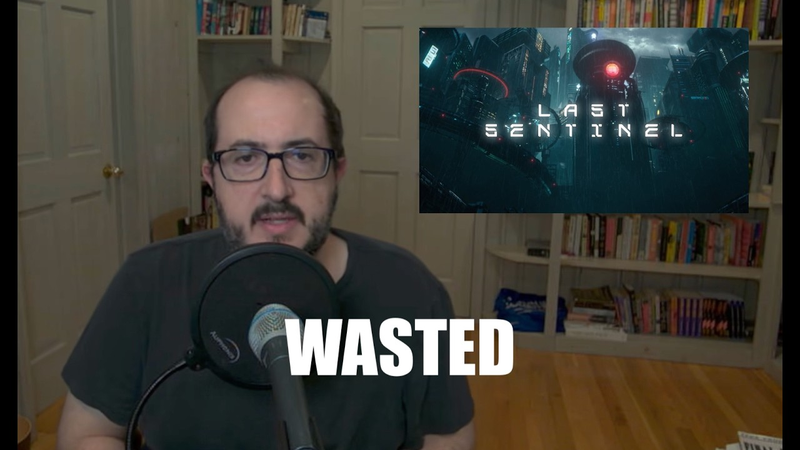
How One Game Studio Wasted Six Years Trying To Beat Grand Theft Auto
The collapse of Lightspeed LA’s ambitious project, Last Sentinel, serves as a cautionary tale regarding the challenges of replicating the success of established industry giants.
- Lightspeed LA, founded in 2020 by former Rockstar San Diego head Steve Martin and backed by Tencent, failed to deliver its open-world cyberpunk game 'Last Sentinel' after six years of development.
- The project was cancelled and 80 staff members were laid off following a failed 2026 playtest that resulted in an unmet ultimatum from Tencent.
- The studio struggled to bridge the production gap between its team of a few hundred employees and the 2,000-person workforce typically required to build high-fidelity, open-world titles like Grand Theft Auto.
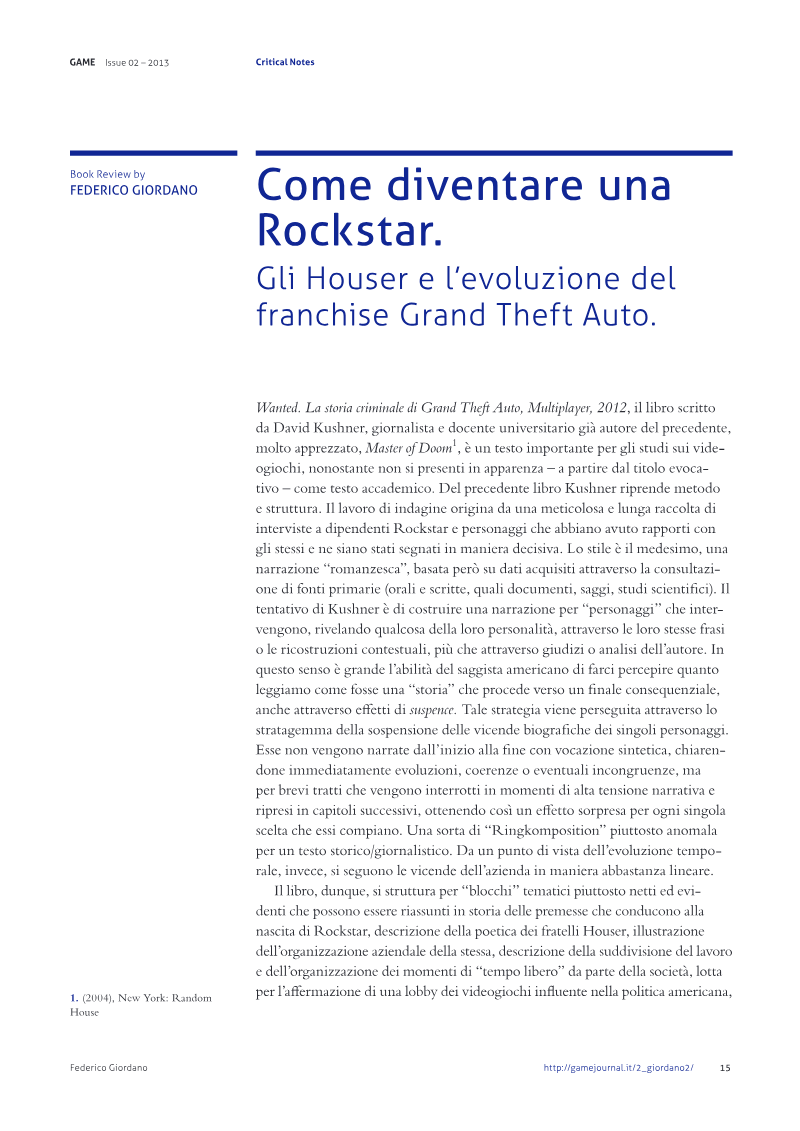
Come Diventare Rockstar: Gli Houser e l'Evoluzione del Franchise Grand Theft Auto
This Italian-language review, published in the 2013 issue of Critical Notes, assesses David Kushner's 2012 book "Wanted: The Criminal History of Grand Theft Auto," which examines Rockstar Games and the Houser brothers, Sam and Dan, along with the broader development of the Grand Theft Auto franchise.
- The review assesses David Kushner's 2012 book "Wanted: The Criminal History of Grand Theft Auto," which examines Rockstar Games, the Houser brothers Sam and Dan, and the development of the GTA franchise, and argues it is an important text for video game studies despite its non-academic framing.
- Kushner's method relies on extensive interviews with Rockstar employees and people affected by the company, combined with primary written sources, and uses a novelistic, character-driven narrative rather than explicit authorial judgment.
- The book identifies two sides to Rockstar's ethos: an idealistic push for artistic freedom, mature realism, a distinctive New York-inflected brand identity, and guerrilla marketing, alongside harsh management, schedules of up to sixteen hours a day, favoritism, and a lawsuit from Rockstar San Diego workers.