Marketing & User Acquisition
Campaigns, ad creatives, app store optimization and the cost of a player.
271 documents


Apptica · 2025
ReportCreative Analytics
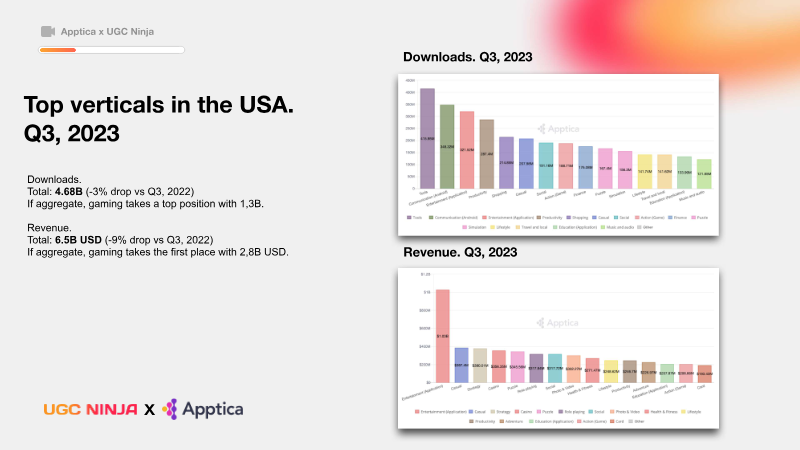
The mobile advertising landscape in the third quarter of 2023 reveals a shifting environment characterized by a decline in total advertisers but a significant surge in video-centric content. Data indicates that the total number of advertisers fell to 54,900, a 7% year-over-year decrease compared to the 59,000 recorded in the third quarter of 2022. Despite this overall contraction, the gaming, entertainment, and lifestyle verticals maintained upward momentum in advertiser activity. In the United States specifically, the market saw 4.68 billion downloads and $6.5 billion in revenue, with gaming securing the top position in both metrics despite slight year-over-year market drops. Creative strategies have pivoted heavily toward video formats, which now account for 80% of all creatives, up from 69% in the previous quarter. This growth comes at the expense of static images, while playable ads remain a niche segment at 2% of the market. Analysis of the 15.2 million total creatives shows a heavy platform bias toward Android, which hosts 68% of ad content compared to 32% on iOS. In the competitive US market, top-tier advertisers maintain a massive scale, averaging nearly 54,000 creatives across nine different ad networks. The rise of User-Generated Content (UGC) has become a central pillar of modern mobile UA strategy. Effective creative execution now relies on organic trends, charismatic creators, and native storytelling techniques. Key findings suggest that successful UGC ads utilize "problem-solution" narratives, text overlays to accommodate sound-off viewing, and sketches that align with brand values. By leveraging creators who mirror the target audience and utilizing cliffhangers or popular music, advertisers are increasingly focusing on engagement and virality to offset the broader downward trend in the number of active market participants.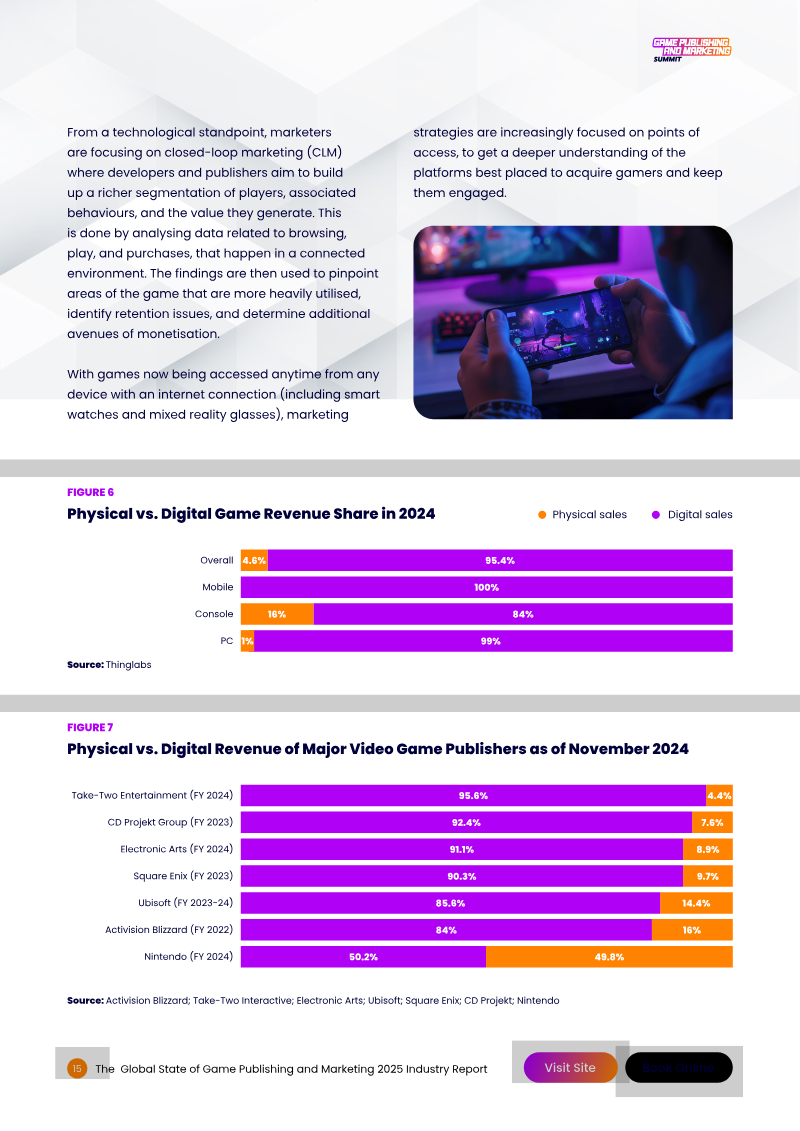

Epic Games · 2025
ReportGlobal State of Game Publishing & Marketing 2025 Industry Report
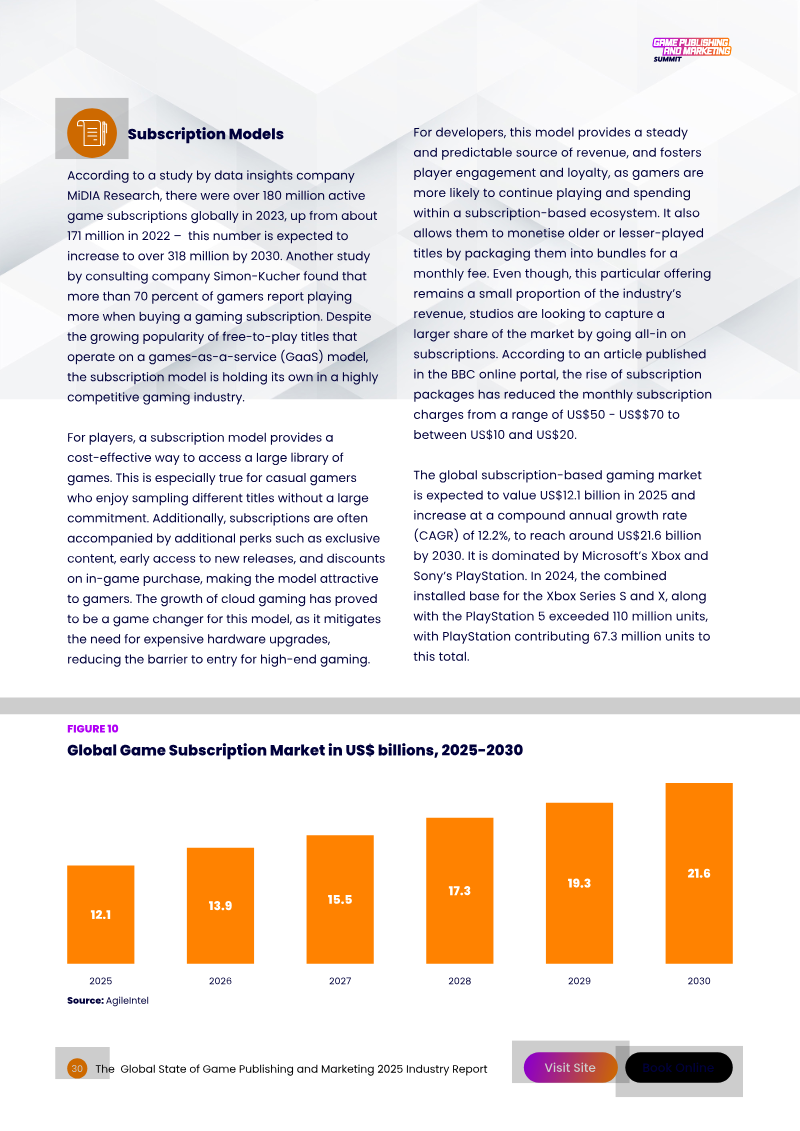
The global game publishing market is entering a period of significant expansion, projected to grow from $117.4 billion in 2025 to $150.7 billion by 2030. This growth is underpinned by a fundamental shift toward cross-platform development and the democratization of publishing tools, which has enabled independent titles to achieve massive commercial success alongside traditional publishers. A 40% increase in multi-platform launches reflects a strategic move to maximize player engagement, while the rise of "publishing as a service" models allows smaller studios to access professional marketing and analytical scale without traditional gatekeeping. The industry has almost entirely transitioned to a digital-first model, with digital sales accounting for 95% of total revenue. Marketing strategies now prioritize influencer partnerships and transmedia collaborations over traditional retail channels, as 40% of enthusiasts now make purchasing decisions based on creator recommendations. This digital dominance is further reinforced by the rise of Live Service Gaming, which is expected to reach $18.7 billion by 2030. Publishers are increasingly leveraging real-time AI data analytics and community-building initiatives to sustain long-term monetization and player retention in this competitive landscape. Revenue streams are diversifying rapidly as the market moves away from one-time purchases toward recurring models. While the premium purchase market shows only marginal growth, subscription models are forecasted to surge at a 12.2% CAGR, reaching $21.6 billion by 2030. Additionally, the esports sector remains a high-growth area, driven by sponsorships and media rights. Ultimately, sustainable growth in the modern era requires a player-centric approach that balances technological innovation with community engagement, ensuring that cross-platform strategies and AI-driven monetization can effectively offset rising development costs.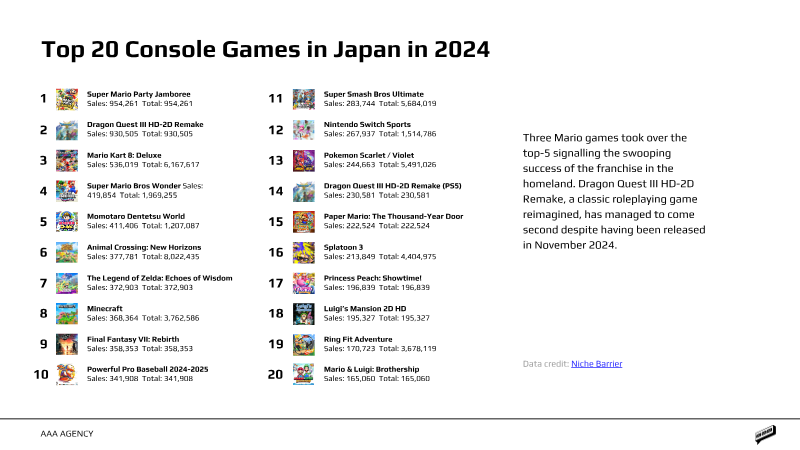

AAA Agency · 2025
ReportState of Gaming & Influencer Marketing 2025
The global gaming industry has entered a period of stabilization, with 2024 revenues reaching $187.7 billion and a projected player base of 4 billion by 2027. While mobile gaming remains the dominant sector, accounting for nearly half of all revenue at $92.6 billion, the market is undergoing a structural shift. PC gaming has emerged as a primary growth driver, evidenced by Steam’s record $10.8 billion revenue in 2024 and a historic surge in indie game sales, which surpassed AA and AAA titles for the first time. This evolution is supported by a transition toward hybrid monetization, cross-platform experiences, and a hardware market projected to reach $120 billion by 2028. Influencer marketing has become an indispensable pillar of this ecosystem, with spending expected to hit $32.55 billion by 2025. The landscape is moving away from raw traffic metrics toward "influence quality," where authentic storytelling and niche engagement take precedence over total follower counts. Nano-influencers, particularly on platforms like TikTok and Twitch, are achieving engagement rates exceeding 10%, significantly outperforming larger creators. While Instagram remains the preferred platform for 90% of brand partnerships, the rise of AI-driven optimization and virtual influencers is reshaping how content is produced and consumed across YouTube and emerging platforms like Kick. Successful game launches now rely on sophisticated, multi-platform influencer funnels that utilize early access marathons and Twitch Drops to convert awareness into long-term community advocacy. As social commerce expands globally, particularly following its success in Asian markets, the industry is prioritizing long-term strategic planning over short-term user acquisition. The integration of AI tools, augmented reality, and direct-shopping features indicates a future where gaming and creator content are inextricably linked, requiring brands to adopt agile, data-driven strategies to maintain loyalty in an increasingly fragmented global market.


Sensor Tower · 2025
ReportThe State of AAA Game Advertising: A Look Back on the Biggest Launches and Trends of the Past Year
The 2023 PC and console gaming landscape was defined by a strategic pivot toward new title launches, which commanded 50% of top advertising expenditures compared to only 20% the previous year. While established live-service giants like Fortnite maintained the highest individual ad spend at $57 million, new AAA releases such as Hogwarts Legacy and Diablo IV dominated the market through concentrated, multi-platform campaigns. Marketing budgets increasingly diversified across a broader media mix; although YouTube remained the primary channel with 35% of spend, platforms like TikTok, Instagram, and Over-the-Top services captured significant market share by utilizing short-form video content to drive engagement. Success in the AAA sector relied on distinct promotional philosophies tailored to specific business models. Diablo IV leveraged a live-service framework and extensive open betas to generate $666 million in five days, while Starfield utilized its inclusion in Xbox Game Pass to balance traditional sales with subscription-based accessibility. Marketing tactics for these titles ranged from long-term anticipation building to high-frequency social media accolades. Conversely, franchises facing critical headwinds, such as Call of Duty: Modern Warfare III, shifted their focus from celebrity-driven advertisements to influencer-led content and innovative cross-media partnerships with film and music icons to sustain momentum despite declining initial sales. The industry also witnessed the growing power of transmedia synergy and organic virality. The Fallout television series demonstrated the potential of cross-media adaptations by triggering a sixfold increase in mobile downloads and renewed interest in the legacy franchise. Similarly, Honkai: Star Rail illustrated how mobile-first spending can successfully drive multi-platform engagement. However, the emergence of titles like Lethal Company and PalWorld proved that traditional high-budget marketing is not the only path to success, as viral gameplay and creator-driven interest can achieve millions of sales with minimal advertising investment. This evolution highlights a market where massive corporate spending and organic digital trends coexist as primary drivers of commercial performance.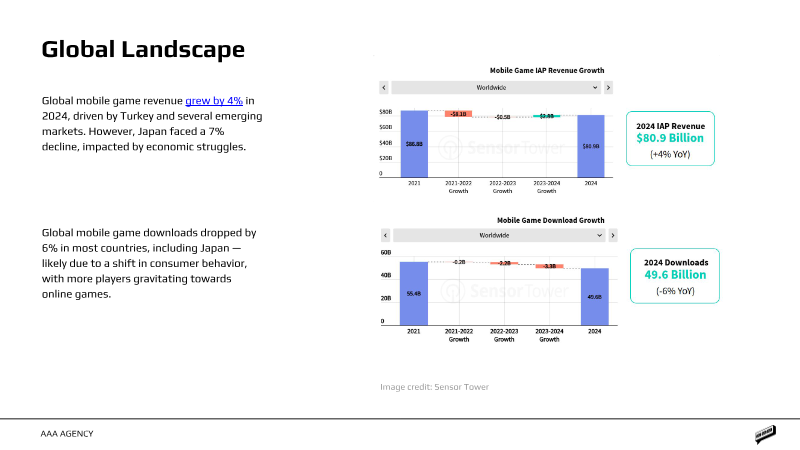

Nintendo · 2025
ReportJapan’s World of Gaming & Influencer Marketing 2025
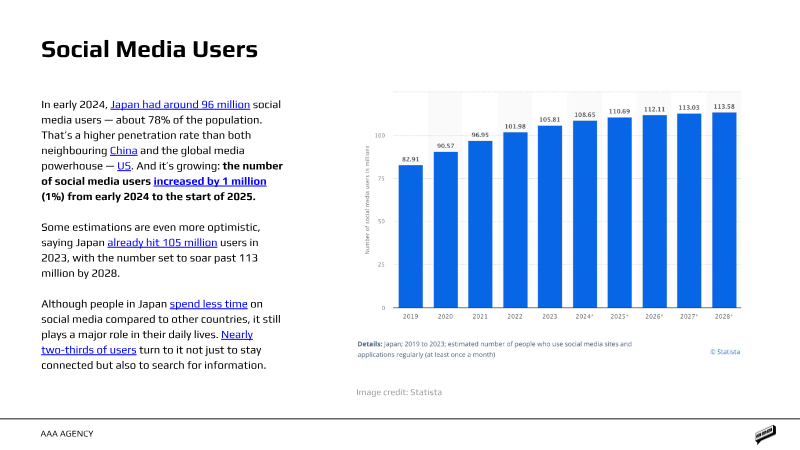
Japan represents the world’s third-largest gaming market, valued at $26.3 billion in 2024 with projections to exceed $60 billion by 2033. This growth is underpinned by a mature player base of 55.5 million, characterized by the highest average revenue per user globally at approximately $580. While mobile gaming currently commands 75% of consumer spending, the market is undergoing a structural transition. Digital distribution and subscription models are increasingly replacing physical media, while the PC sector exhibits a robust 8.8% annual growth rate. Domestic giants Sony and Nintendo maintain market leadership by leveraging iconic intellectual properties and a cultural preference for narrative-heavy genres such as RPGs and adventure titles. The ecosystem is increasingly defined by the convergence of gaming, live streaming, and broader entertainment. Esports revenue is expected to reach ¥21.8 billion by 2025, supported by a shift in viewership toward platforms like YouTube and Twitch. A unique cultural phenomenon in this space is the dominance of VTubers and virtual influencers, who drive significant engagement among Gen Z and Millennial demographics. Marketing strategies have pivoted toward these creators and nano-influencers to achieve authenticity, particularly as major publishers aim to quadruple the international market for Japanese content by integrating anime aesthetics into global entertainment ecosystems. Technological advancements in 5G, cloud streaming, and augmented reality are further diversifying the landscape, though traditional social dynamics remain influential. While YouTube and X serve as the primary digital hubs for the gaming community, professional networking continues to favor established platforms like Facebook over LinkedIn due to local cultural barriers. As the mobile sector prepares for a projected rebound to $21 billion by 2025, the industry focus remains on cross-platform accessibility and the expansion of "evergreen" franchises within an increasingly digital and interconnected global market.
AppLovin · 2025
ReportIntelligence Top Mobile Games Challenges: A User Acquisition, Ad & Product Monetization Report
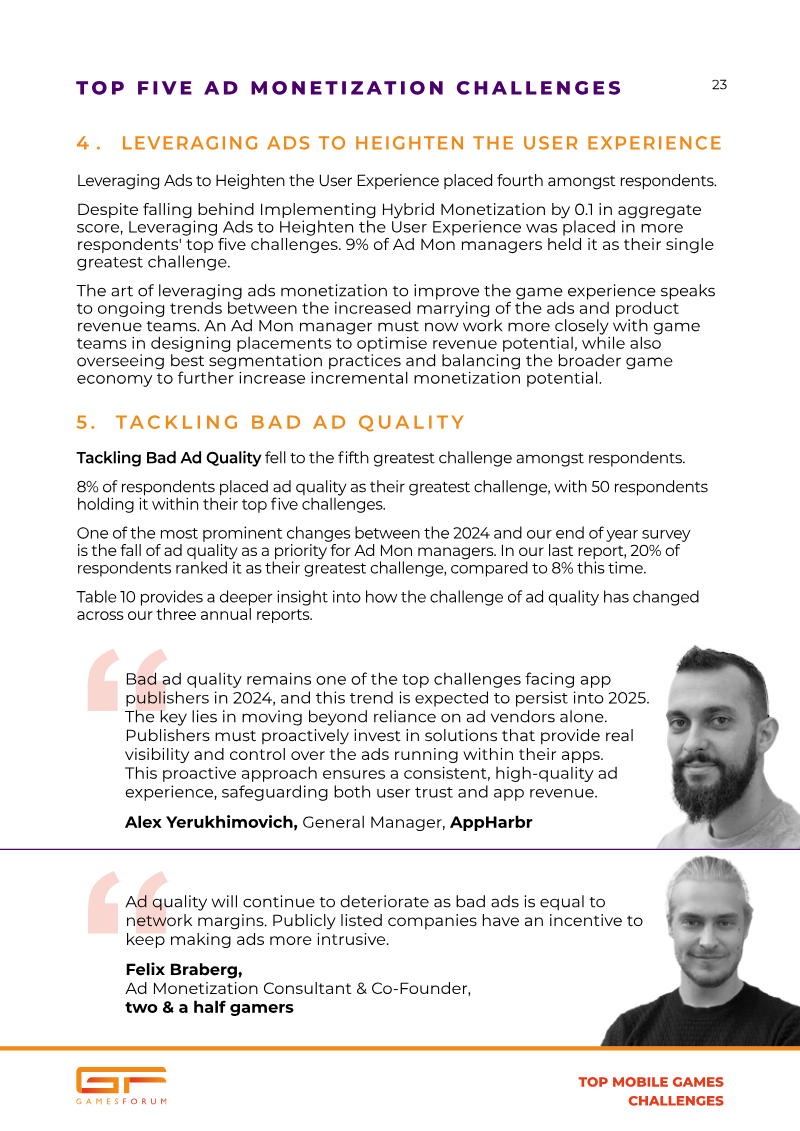
The mobile gaming landscape heading into 2025 is defined by the critical difficulty of performing within an increasingly crowded market space. Approximately 41% of user acquisition managers identify market saturation and rising costs per installment as their primary obstacles, driven largely by intense competition from non-gaming entities. This environment has forced a strategic pivot away from traditional acquisition tactics toward sustainable growth rooted in long-term retention and creative iteration. Consequently, the industry is transitioning from a focus on sheer volume to a model centered on maximizing lifetime user value through sophisticated engagement strategies. Ad monetization and product management sectors face parallel pressures, specifically regarding effective user segmentation and the declining value of electronic cost per mille (eCPM). While segmentation is the most widespread concern for monetization teams, senior executives are particularly focused on innovating new revenue streams to compensate for diminishing ad returns. In the realm of product management, LiveOps development and the accurate assessment of return on investment have emerged as the dominant priorities. Nearly 30% of product managers rank LiveOps as their most significant challenge, outweighing traditional concerns such as game economy balancing or initial prototype testing. To navigate these hurdles, the industry is moving toward data-driven personalization and revenue diversification. Success in the maturing mobile market now requires leveraging artificial intelligence for audience segmentation and expanding monetization models to include subscriptions and alternative storefronts. By moving beyond simple acquisition hacks and focusing on robust LiveOps and incremental growth through retention, developers aim to stabilize revenue in a volatile privacy-centric environment. This shift underscores a broader industry evolution where deep audience understanding and operational agility are the primary drivers of commercial viability.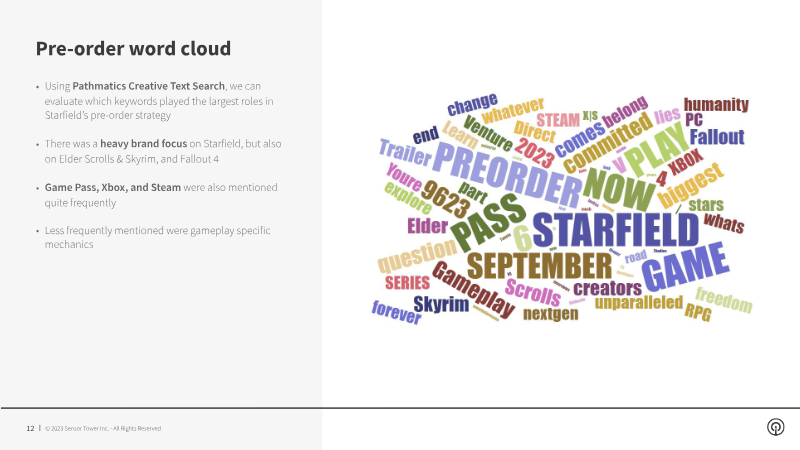

Sensor Tower · 2025
ReportStarfield: How It Achieved 10M Players
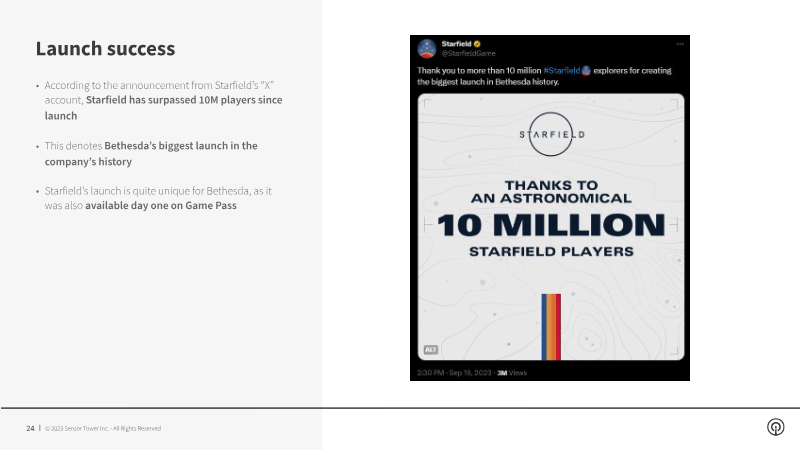
The marketing and commercial performance of Bethesda’s Starfield reflects a strategic evolution in digital promotion, transitioning from traditional trailer-based campaigns to a diversified, multi-channel approach. By prioritizing platforms like TikTok, Twitch, and Instagram during the 2023 pre-order phase, the campaign successfully built massive momentum, culminating in the title reaching the top of Steam’s Wishlist and securing over 300,000 followers prior to launch. A critical component of this success was the integration with Microsoft’s ecosystem, specifically leveraging "Day One on Game Pass" messaging and Bing’s AI search capabilities to maximize visibility and accessibility across the Xbox and PC markets. Upon release, the title became the largest launch in Bethesda’s history, surpassing 10 million players despite a highly competitive landscape featuring major RPG rivals. This achievement was supported by a substantial $21.2 million advertising investment, which ranked second in the RPG category for the year. A significant portion of this budget—over one-third—was allocated to Over-the-Top (OTT) advertising, signaling a shift toward high-impact streaming services. While the game achieved a favorable critical reception with a Metacritic score of 84, user sentiment remained polarized across Steam and Game Pass, and initial Twitch viewership saw a steady decline following the early-access period. The broader industry context for these findings is supported by digital marketing intelligence that tracks competitor spending, creative messaging, and regional targeting. By analyzing spend patterns across social and digital platforms, the data illustrates how major publishers are increasingly moving away from centralized video platforms toward fragmented, high-engagement social media and streaming services to capture audience attention in a crowded marketplace. This analysis covers the primary 2021 to 2023 launch window, focusing on the global RPG segment and the shifting dynamics of digital ad distribution.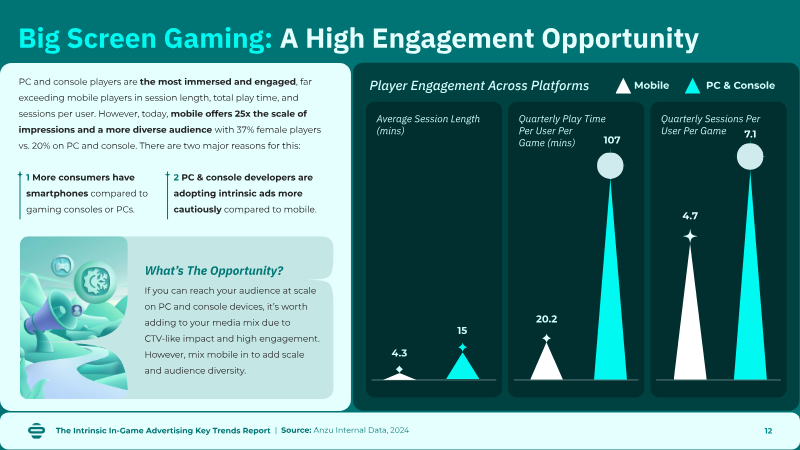

Anzu · 2025
ReportTrends Report 2025
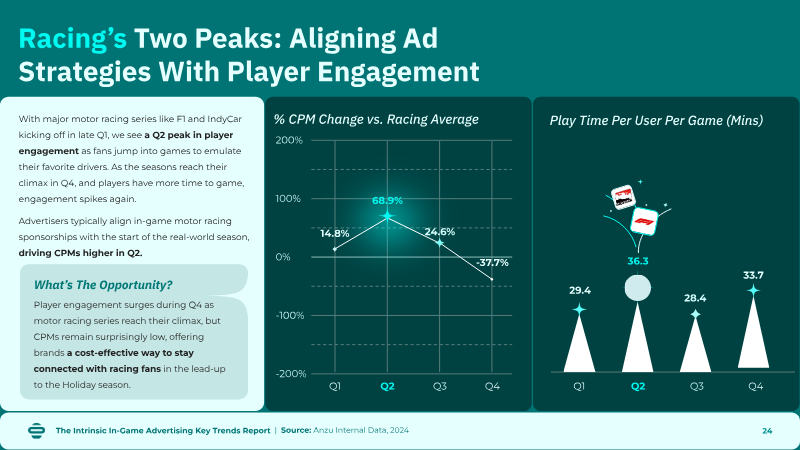
Intrinsic in-game advertising functions as a resilient, year-round engagement channel that maintains steady session volumes even during seasonal lulls in traditional media. While PC and console platforms offer superior immersion and average session lengths of 107 minutes, mobile gaming provides twenty-five times the impression scale and greater gender diversity. Market data reveals a significant strategic opportunity in the first quarter, particularly in North America, where advertising costs drop by over 25% despite high player activity. This period offers a cost-effective window for wellness and travel brands to reach an attentive audience at a lower entry point than the highly competitive fourth quarter. The effectiveness of this medium is driven by high viewability rates reaching nearly 100% and attention metrics that consistently outperform traditional digital formats. Although the sports genre commands the highest playtime and premium pricing, racing and simulation categories represent efficient alternatives where high engagement intersects with lower costs. Regional performance varies significantly, with European markets offering peak value in the first and third quarters, while the Asia-Pacific region follows a distinct cycle driven by second-quarter demand and localized cultural events. Beyond visibility, these advertisements generate substantial brand lift, including a 20-point increase in recall and a 6% conversion rate for physical foot traffic. While male players currently report higher brand favorability, female audiences demonstrate stronger purchase intent, suggesting a need for more nuanced targeting strategies. Overall campaign performance remains highly efficient, with conversion costs averaging 21% below established goals. To maximize these returns, advertisers must integrate gaming into their permanent media mix, while developers should align in-game events with high-demand periods and real-world sporting calendars to optimize revenue.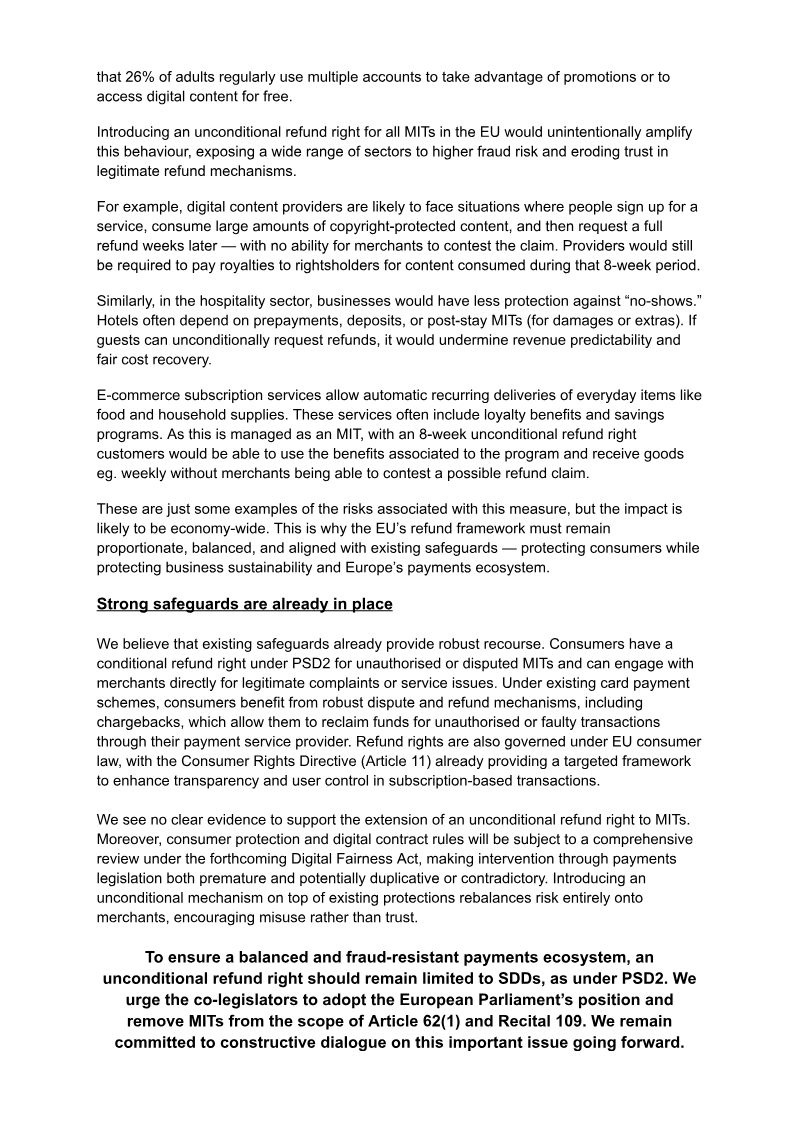
Video Games Europe · 2025
WhitepaperJoint Industry Statement
A coalition of European and international industry associations representing technology, media, banking, hospitality, travel, e‑commerce and fintech firms has voiced collective concern over the proposed unconditional refund right for merchant‑initiated transactions (MITs) in the EU Payment Services Regulation. The central argument is that extending the eight‑week unconditional refund provision, originally designed for SEPA Direct Debits (SDDs), to all MITs would create an unbalanced regulatory framework that undermines legal certainty, increases fraud risk and jeopardises the sustainability of many business models across the European economy. The coalition points to existing consumer protections under PSD2, which already grant an unconditional eight‑week refund for SDDs and a conditional dispute right for MITs, as sufficient. It cites a 2024 consumer fraud survey indicating that 40 % of adults admitted to some form of online fraud in the past year, 45 % view exploiting policy loopholes as acceptable, and 26 % regularly use multiple accounts to obtain free digital content. Extending unconditional refunds to MITs would likely amplify these behaviours, exposing merchants to systematic refund claims for goods and services already consumed. Sector‑specific analysis highlights heightened vulnerability for digital content providers, hospitality operators and subscription‑based e‑commerce services, where unconditional refunds could erode revenue predictability, increase operational costs and strain smaller merchants. The coalition warns that such outcomes run counter to EU objectives of supporting SMEs and maintaining a trustworthy payments ecosystem. The position urges legislators to retain the refund right exclusively for SDDs, rely on the existing PSD2 dispute mechanisms, and await the forthcoming Digital Fairness Act before introducing additional consumer‑protection measures in payments law.

AEVI · 2025
ReportGuide to Consumer Rights, Advertising and Data Protection: Spain
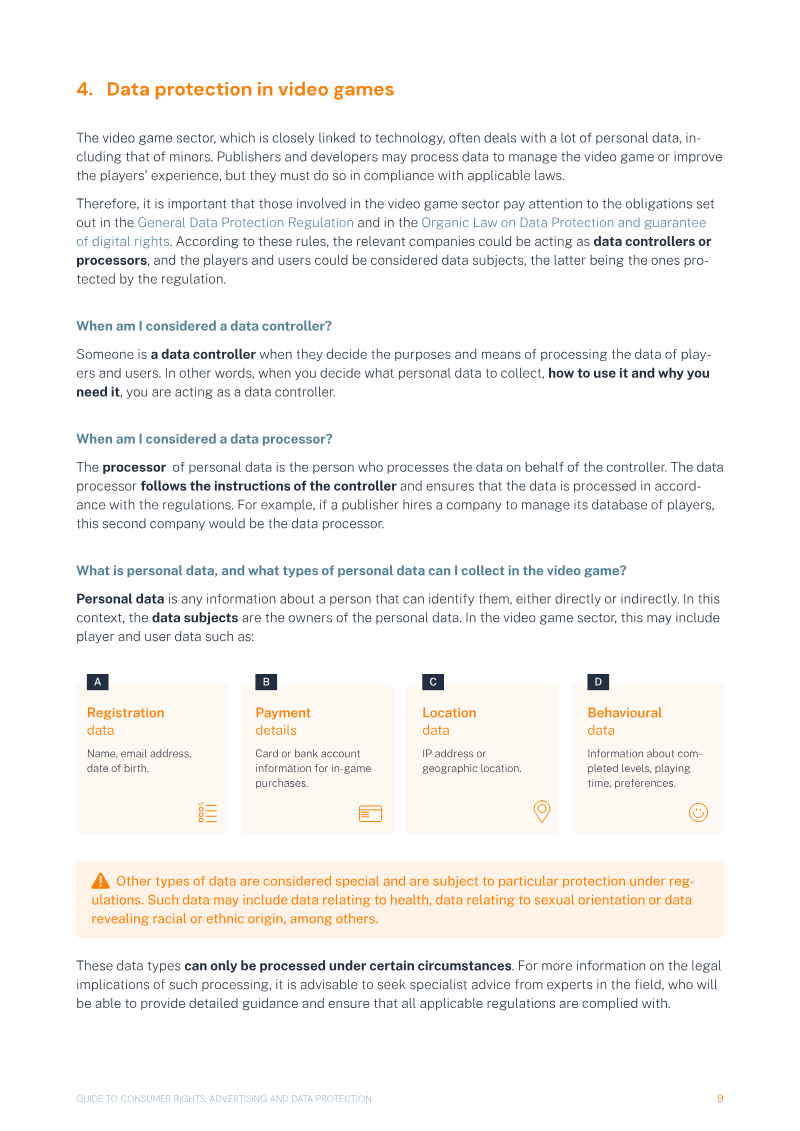
The guide is intended to equip Spanish video‑game publishers, developers and marketers with a practical understanding of the legal framework governing consumer rights, advertising and data protection. It draws on the General Law for the Defence of Consumers and Users, the General Advertising Law, the Unfair Competition Law, the General Data Protection Regulation and the Spanish Organic Law on Data Protection, applying them to digital products released in Spain throughout 2025. Key consumer‑protection provisions require clear pre‑purchase information, a 14‑day withdrawal right for most digital purchases, and safeguards against unfair terms such as unilateral contract changes. Exceptions apply to virtual currencies, physical copies that have been opened and age‑rated titles once gameplay begins. Developers must maintain and communicate updates, while digital assets—including NFTs—must be presented with transparent licensing terms and explicit notices when the right of withdrawal is lost. Advertising must avoid misleading claims, covert sponsorship, political content outside election periods, and any material that exploits minors, encourages violence, discrimination or unhealthy behaviours; influencer promotions must be marked with visible disclosures such as #Sponsored or #Ad. Data‑protection obligations centre on distinguishing controller and processor roles, informing users through layered privacy notices, and securing personal data—including special categories—via documented processing activities and contractual safeguards. For users under 14, parental consent must be verified through age checks or electronic signatures. The guide concludes with a checklist summarising rights to information, withdrawal, fair advertising, loot‑box age verification, ongoing game maintenance and GDPR‑compliant data handling.

AEVI · 2025
WhitepaperGuía sobre derechos de los consumidores, publicidad y protección de datos: España
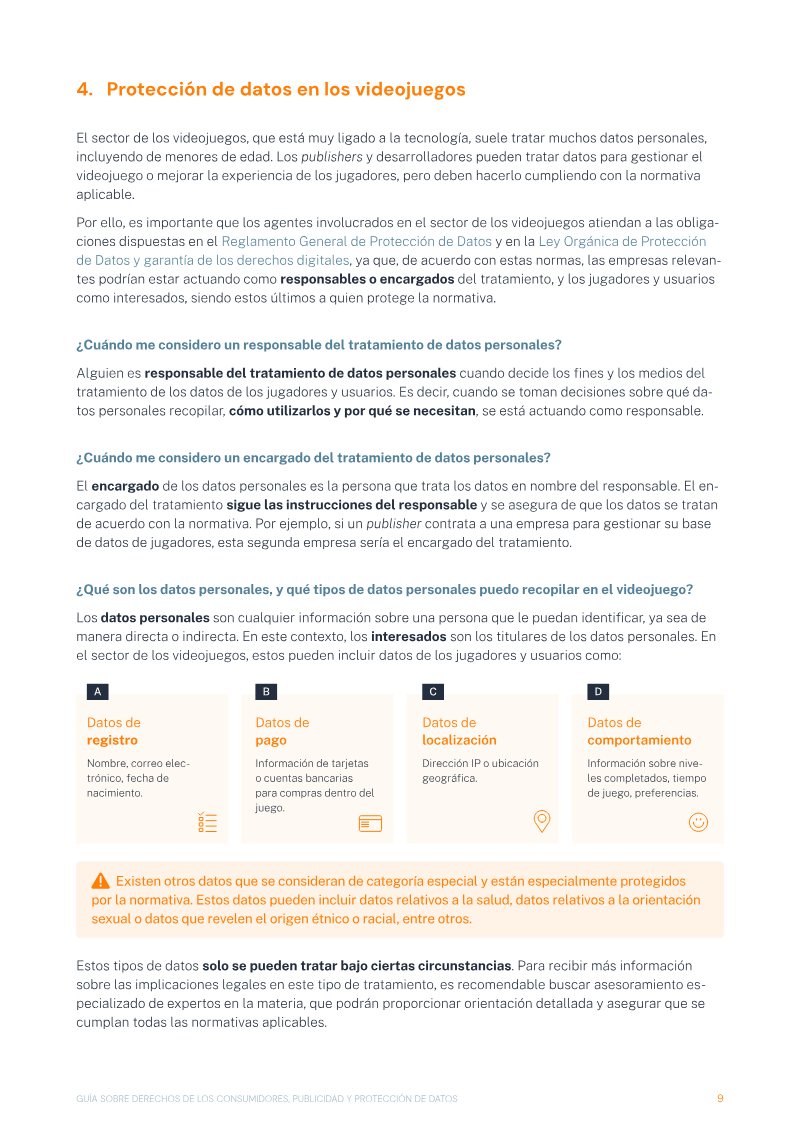
The guide serves as a practical reference for video‑game publishers, developers and marketers operating in Spain, outlining how consumer‑protection, advertising and data‑privacy regulations apply to digital game products. Its central thesis is that compliance with the General Law for the Defense of Consumers and Users, the General Advertising Law, the Unfair Competition Law and the EU General Data Protection Regulation (GDPR) is essential not only to avoid legal sanctions but also to build trust with players, including minors. Key findings stress that gamers enjoy the same rights as purchasers of physical goods, notably a 14‑day withdrawal period, clear information on pricing, age‑rating labels and protection against abusive contract clauses. Developers must maintain and communicate updates, and they are obliged to disclose the legal nature of non‑fungible tokens (NFTs), ensuring transparency about ownership, licensing and the irrevocability of blockchain transactions. Advertising rules prohibit concealed sponsorship, misleading urgency, false reviews and any content that exploits minors, promotes violence, discrimination or unhealthy behaviours; influencer promotions must carry explicit sponsorship disclosures. Data‑privacy obligations require clear privacy notices, lawful bases for processing, secure handling of personal and special‑category data, and parental consent for users under 14, with documented procedures for verification. The scope covers the Spanish market and applies to all digital game content, in‑game purchases, loot boxes, NFTs and related services, without reference to a specific time frame beyond the 2025 publication date. The methodology consists of a synthesis of existing national and EU legislation, interpreted for the video‑game sector, and presented as actionable checklists rather than empirical research. By following the outlined practices, industry actors can align their operations with current legal standards and mitigate regulatory risk.

KOCCA – Korea Creative Content Agency · 2025
Report