Europe
National and regional reports on the European games industry.
328 documents
RGDA – Romanian Game Developers Association · 2019
ReportRomanian Game Development Industry Report 2019
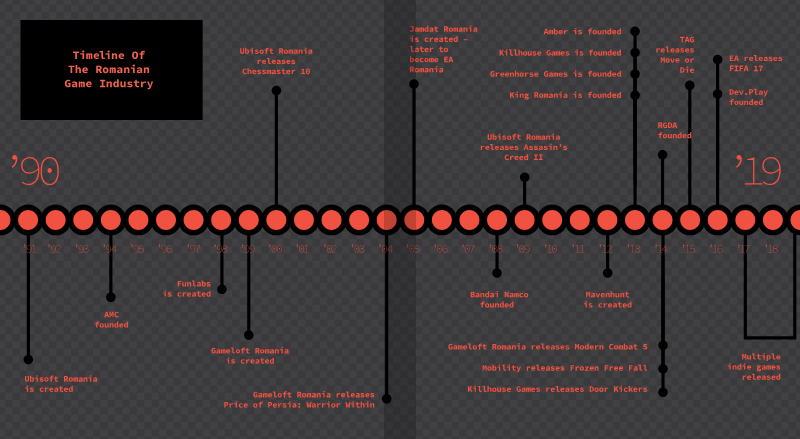
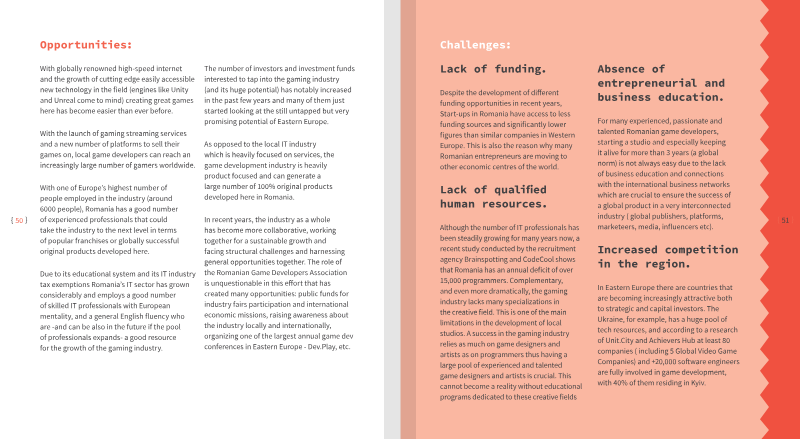
The 2019 Romanian Game Development Industry Report establishes that Romania’s gaming sector is rapidly maturing, delivering a notable economic contribution and expanding its global footprint. In 2018 the industry generated $188.5 million, marking a 19.2% increase over the previous year, and employed more than 6,000 professionals across roughly 103 active entities, the majority of which are concentrated in Bucharest, Cluj-Napoca and Timișoara. Seventy-seven percent of these firms focus exclusively on game development, while a substantial share provides ancillary services such as quality assurance, publishing and testing for international publishers. The ecosystem is highly diversified, ranging from small indie teams producing niche titles to multinational subsidiaries that co-develop major franchises. Mobile and hyper-casual games dominate commercial success, exemplified by Deep Byte’s titles surpassing ten million downloads and KillHouse’s “Door Kickers” achieving half-a-million sales. Romanian studios also contribute to console and PC projects, with Ubisoft Romania and EA’s testing division supporting flagship series. Emerging specializations in virtual reality and narrative-driven experiences further broaden the sector’s capabilities. Education remains in an early stage; only a few university programs address game design, limiting the pipeline of formally trained talent. Nonetheless, the industry benefits from a strong pool of creative and cross-disciplinary professionals, fostering a growing record of internationally recognised releases. The analysis draws on data from SuperData, Newzoo, Goldstein Research and Dealroom, underscoring Romania’s position as an increasingly influential player in the global game development landscape.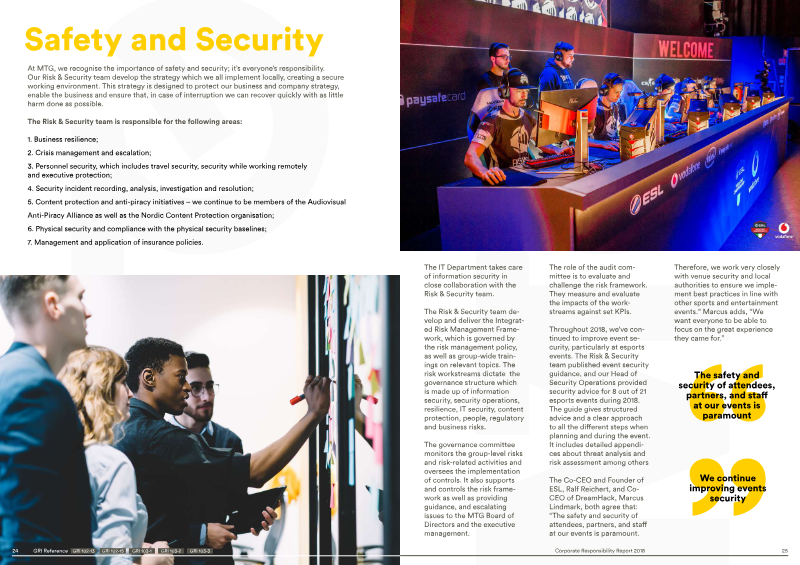

Modern Times Group · 2018
ReportCorporate Responsibility Report 2018
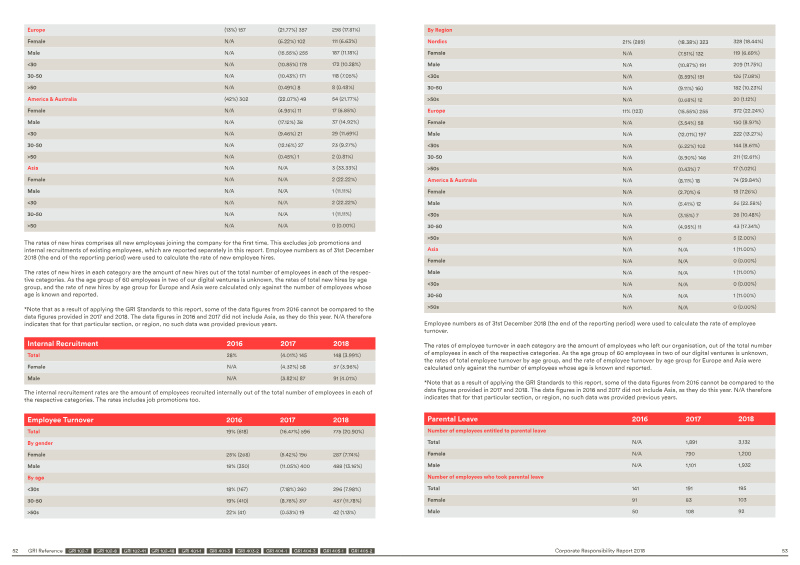
The 2018 corporate-responsibility overview for Modern Times Group (MTG) reflects a year of strategic realignment following the spin-off of its Nordic Entertainment and Studios businesses into the newly listed Nordic Entertainment Group. The core thesis is that MTG’s renewed focus on esports, gaming and broader digital ventures can be pursued responsibly through four pillars—media responsibility, social impact, business ethics and environmental care—underpinned by materiality analyses for both entities and a suite of stakeholder-driven priorities such as gender diversity, inclusion, GDPR compliance and the protection of minors. Financially, MTG reported net sales in the range of 15-20 billion SEK and achieved an 89% completion rate for mandatory ethics e-learning. Risk management was strengthened by publishing event-security guidance adopted by eight of twenty-one partners, and by prioritising attendee safety at esports tournaments. Social contributions included a $18 k donation to UCSF, multi-million-dollar fundraising for Save the Children and the Diabetes Foundation, and the launch of education programmes targeting young gamers. Governance was reinforced through board oversight, external audits and memberships in more than a dozen industry bodies—including the IGDA, Esports Integrity Coalition and MESA—facilitating continuous stakeholder engagement via surveys, focus groups and board-level dialogues. Environmental reporting showed a total carbon footprint of 25,215 t CO₂e, a 7% year-on-year increase, while energy intensity fell sharply from 66 GJ per employee in 2016 to 40 GJ in 2018. Scope 3 emissions from events are now being captured, and no fines were recorded for direct energy use,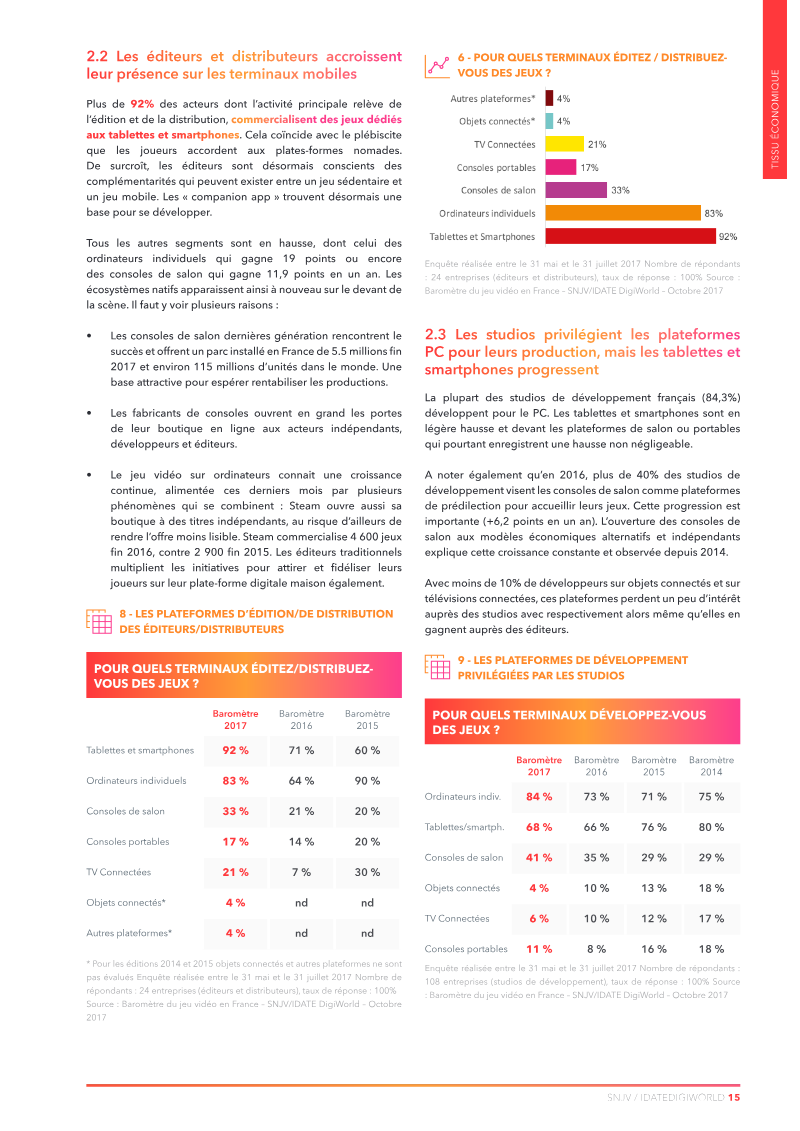

Syndicat National du Jeu Vidéo · 2018
ReportBaromètre Annuel du Jeu Vidéo en France 2017
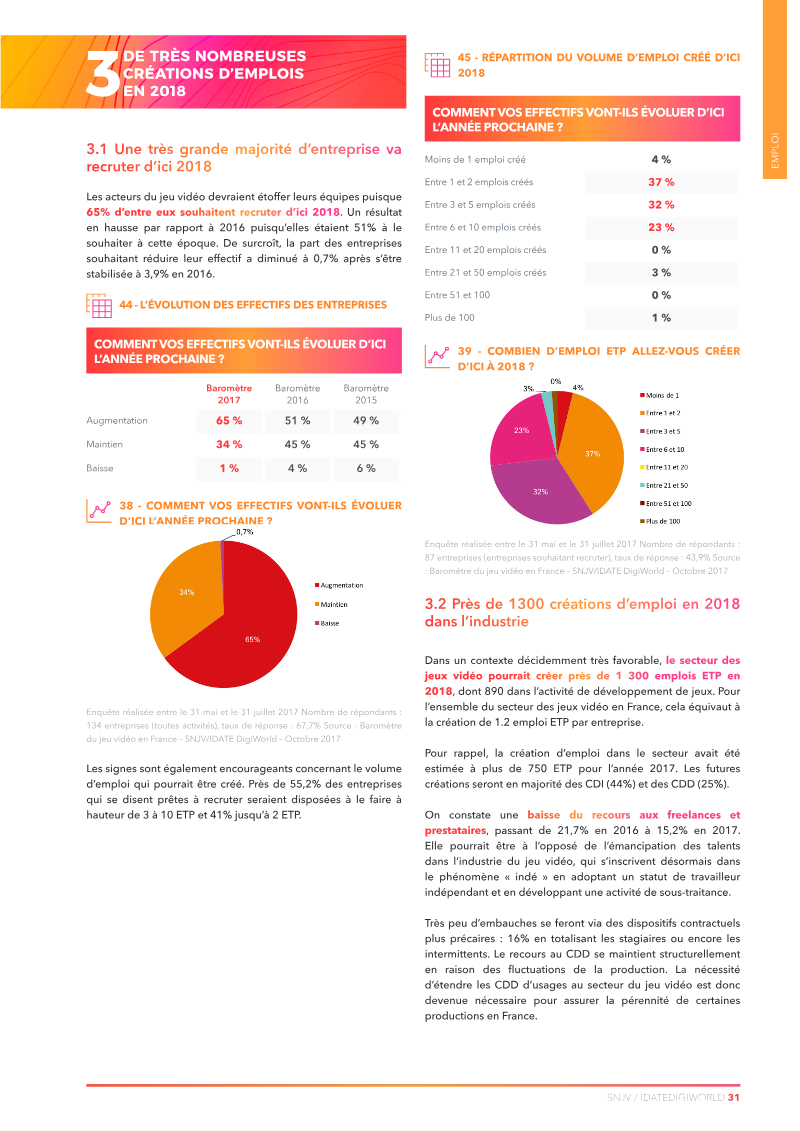
The French video game industry in 2017 demonstrates significant resilience and structural maturation, positioning itself as a globally competitive hub for development. With 88% of studios expressing confidence in the sector’s future, the industry is characterized by a robust independent ecosystem where 86% of firms operate independently. This growth is underpinned by a favorable national environment, bolstered by the reform of the video game tax credit, which has elevated France to the second most attractive country globally for development. The sector remains dynamic, with over half of all studios established within the last five years, reflecting a young and agile workforce. Economically, the industry is shifting toward premium, pay-to-play business models, with 64% of studios prioritizing upfront sales over free-to-play strategies. While production volume has increased by 20%—amounting to approximately 830 games in development—studios are strategically concentrating resources on fewer, higher-quality projects to mitigate commercial risk. Despite this focus, financial stability remains a challenge; 89% of studios rely on autofinancing, as access to traditional bank credit remains difficult. Nevertheless, the sector shows strong fiscal health, with 68.3% of studios operating at or above equilibrium and equity levels rising by nearly 30% between 2016 and 2017. Employment trends further underscore this expansion, with studios projecting nearly 1,300 new job creations for 2018. While the industry is dominated by small businesses, with 77% of studios employing 11 or fewer staff members, the focus remains on permanent employment contracts. Supported by a specialized ecosystem of academic training, professional networking, and public funding mechanisms, the French video game sector continues to navigate international challenges—such as localization and remote management—while maintaining a steady trajectory of growth and innovation in a global market increasingly dominated by mobile and digital distribution platforms.

Dataspelsbranschen · 2018
ReportSpelutvecklarindex 2018
The Swedish game industry experienced a period of robust expansion throughout 2017 and 2018, solidifying its position as a globally competitive force. Total industry revenue reached 14.7 billion SEK, representing a 17 percent increase, while the workforce grew by 24 percent to include over 5,300 professionals. This growth is underpinned by a maturing ecosystem where Swedish firms have evolved from acquisition targets into active investors and acquirers. The sector now features four companies with billion-SEK revenues and eleven firms employing more than 100 staff, supported by a diverse platform strategy spanning mobile, PC, and console markets. Investment activity remains a primary driver of this success, with transaction values exceeding 3 billion SEK in 2018. This financial momentum is bolstered by an increase in public listings on the Stockholm Stock Exchange and the continued influence of regional clusters and incubators that foster new talent. Despite this progress, the industry faces structural challenges, most notably a persistent shortage of skilled labor. While the proportion of women in the workforce has risen to 20 percent, representing over 1,000 employees, achieving gender parity in leadership roles and smaller firms remains a priority for ongoing diversity initiatives. Long-term sustainability depends on addressing external threats and internal resource gaps. The protection of intellectual property is critical, as illegal distribution and unauthorized sales hinder the growth of smaller developers who lack the resources to combat these issues independently. To maintain its competitive edge, the industry must continue to prioritize the development of specialized talent pipelines and improve access to early-stage capital. By navigating these regulatory and educational hurdles, the Swedish gaming sector is well-positioned to sustain its trajectory as a cornerstone of the national digital economy.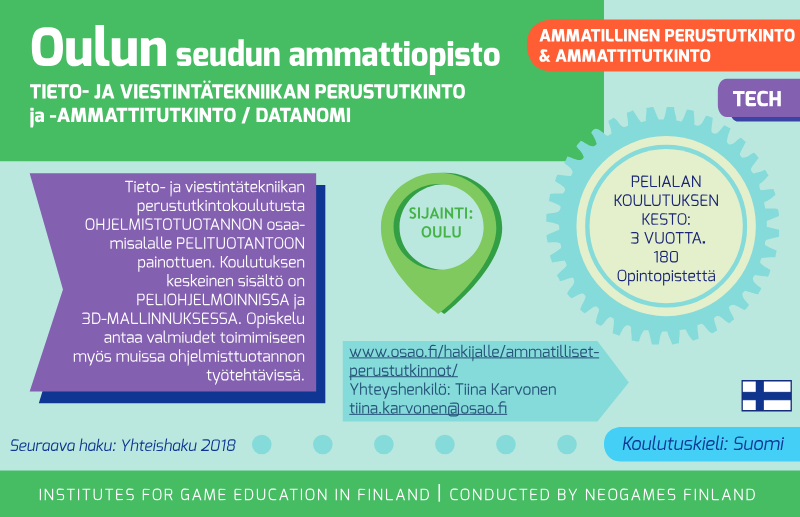
Neogames Finland · 2018
ReportKoulutusta Suomessa
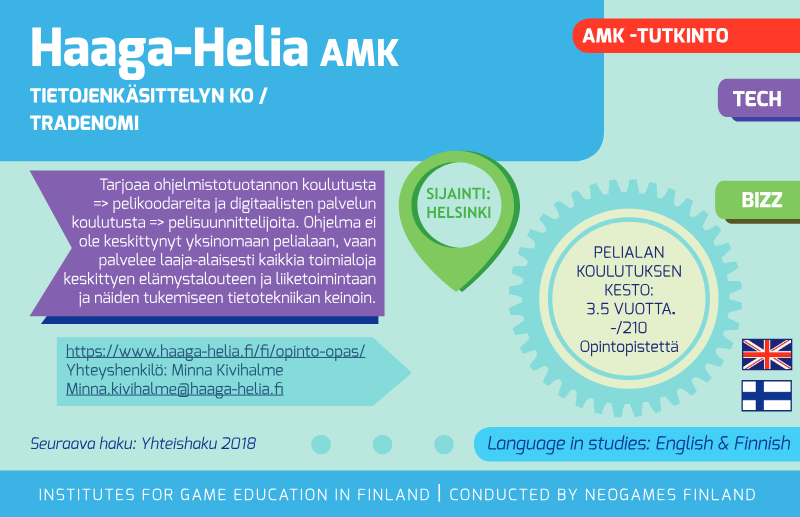
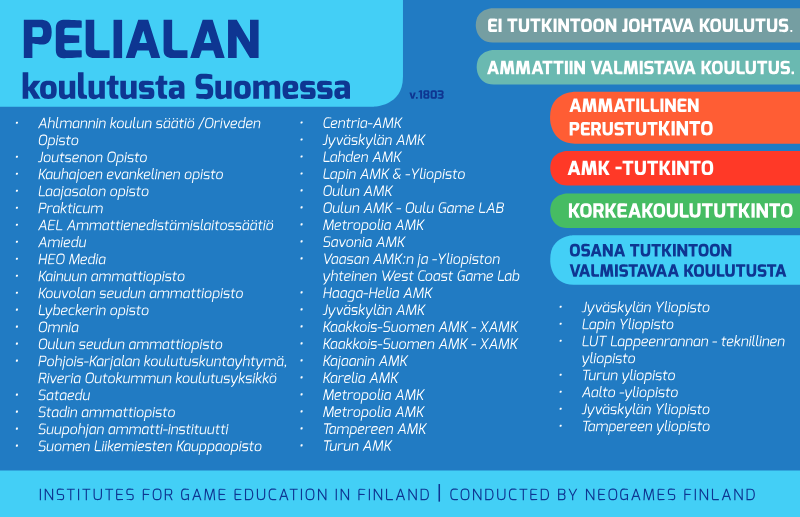
Finland maintains a robust and multifaceted educational ecosystem designed to supply the domestic game industry with highly skilled talent. This landscape encompasses a wide spectrum of academic and vocational pathways, ranging from short-term non-degree programs and vocational qualifications to comprehensive Bachelor’s and Master’s degrees. By integrating technical proficiency with creative design and business acumen, these institutions ensure that graduates are equipped to navigate the complexities of modern game development, including programming, 3D modeling, project management, and the cultural analysis of digital media. The pedagogical approach across these institutions is heavily rooted in practical, project-based learning. Curricula frequently prioritize industry-standard tools such as Unity, C#, and C++, alongside specialized training in game engine development and team-based collaboration. This focus on experiential learning is designed to mirror real-world studio environments, bridging the gap between theoretical knowledge and professional application. Furthermore, the inclusion of business development and gamification modules ensures that students are prepared for both the technical demands of production and the broader strategic requirements of the global gaming market. Advanced academic research plays a pivotal role in shaping this educational framework, particularly at the university level. Programs such as the Master’s Degree in Internet and Game Studies at the University of Tampere exemplify this commitment to excellence, leveraging high-profile research initiatives like the Centre of Excellence in Game Culture Studies. By fostering an environment that balances rigorous academic inquiry with technical skill acquisition, Finland’s educational institutions provide a comprehensive foundation for the next generation of industry professionals, supporting the continued growth and international competitiveness of the Finnish game sector.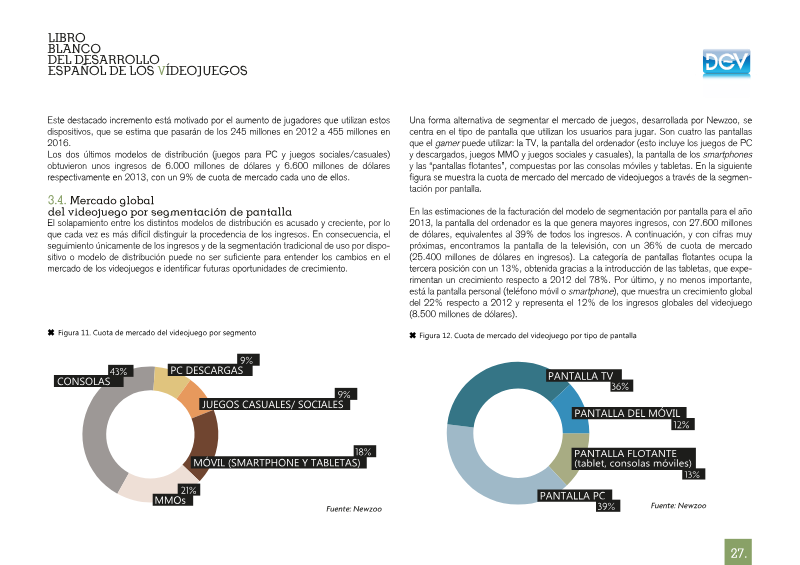
DEV – Asociacion Espanola de Empresas Productoras y Desarrolladoras de Videojuegos · 2018
WhitepaperLibro Blanco del Desarrollo Español de los Videojuegos
The Spanish video game industry represents a high-growth, export-oriented sector that serves as a critical engine for innovation and professional employment. Between 2012 and 2017, the industry demonstrated significant economic vitality, characterized by a shift toward digital distribution, which accounted for 78% of revenue by 2013. While the sector outperforms European averages in daily engagement and user growth, it remains fragmented and faces structural challenges, including a notable disconnect between current educational offerings and the specialized technical needs of developers. Furthermore, the industry operates within a complex legal landscape where the lack of a formal definition for video games necessitates proactive intellectual property management to protect investments in an era of streaming and user-generated content. Global comparisons reveal that the most successful gaming ecosystems—such as those in Canada and South Korea—thrive on robust, state-led support frameworks. These nations utilize aggressive tax credits, R&D grants, and strategic regional clusters to foster competitiveness. In contrast, Spain’s support mechanisms have historically been uncoordinated and ill-suited to the intangible, talent-intensive nature of game development. Although initiatives like Plan Avanza2 and various internationalization efforts have begun to professionalize the sector, the industry continues to struggle with a reliance on generic funding programs that fail to address the specific requirements of a high-tech, creative economy. To secure long-term sustainability and international standing, the industry requires an integrated support plan that aligns fiscal policy with sector-specific needs. Key recommendations include the implementation of targeted tax incentives, the creation of specialized public management structures, and the modernization of training programs to bridge the talent gap. By fostering stronger public-private collaboration and leveraging the cultural recognition of video games, Spain can effectively capitalize on the global shift toward mobile and immersive technologies, ultimately doubling the sector’s economic contribution and solidifying its position as a hub for high-quality, stable employment.

reTeenmeepe · 2018
WhitepaperGuide RGPD pour les Développeurs de Jeux Vidéo
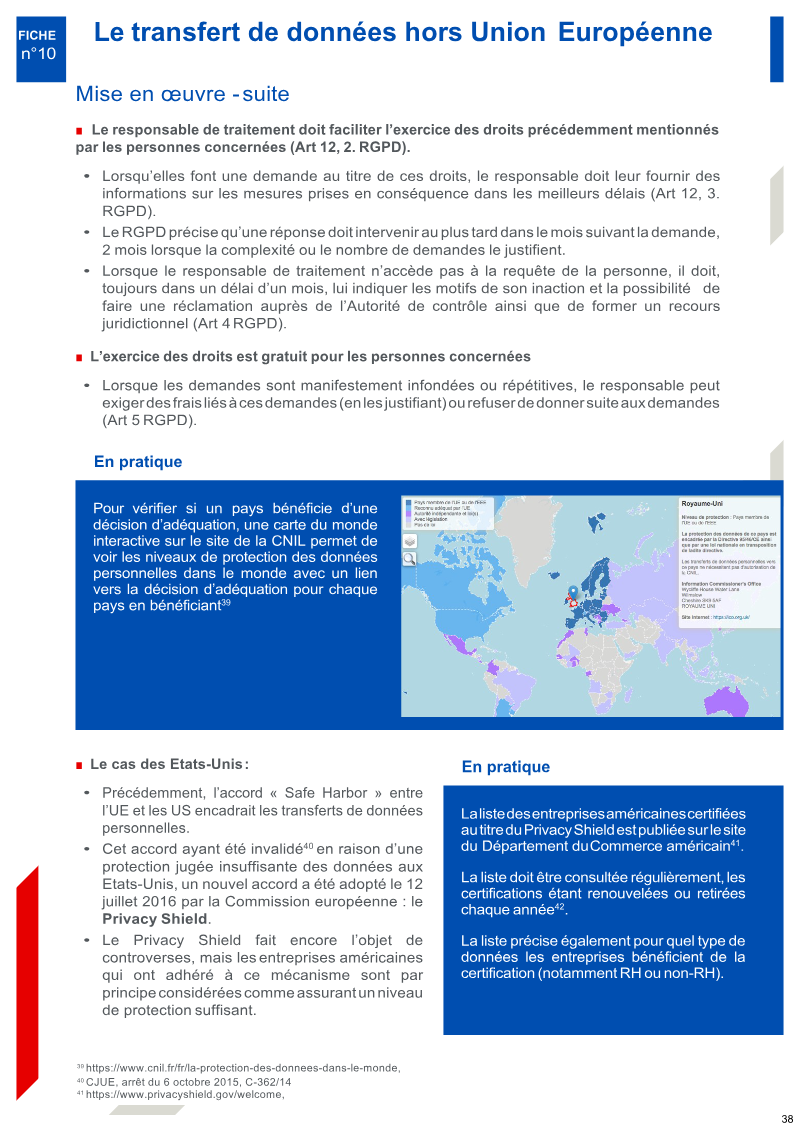
The General Data Protection Regulation (GDPR) serves as the definitive legal framework for video game developers operating within or targeting the European Union. The primary objective is to enforce a culture of accountability, requiring studios to integrate data protection into the development lifecycle through the principle of privacy by design. Compliance is not merely a technical requirement but a governance mandate that necessitates rigorous documentation, including the maintenance of processing registers, the execution of Data Protection Impact Assessments (DPIAs) for high-risk activities, and the appointment of a Data Protection Officer (DPO) where applicable. Developers must establish a valid legal basis for all data processing, such as explicit user consent or contractual necessity. Consent mechanisms must be granular, unambiguous, and easily revocable, with specific protections mandated for minors, whose age of consent varies between 13 and 16 years depending on national legislation. Furthermore, studios are obligated to uphold fundamental user rights, including access, rectification, erasure, and data portability, ensuring these requests are processed within a one-month timeframe. Transparency remains a core pillar, requiring clear communication regarding how user data is collected, stored, and transferred. The financial and legal risks of non-compliance are substantial, with administrative fines reaching up to 20 million euros or 4% of global annual turnover. To mitigate these risks, developers must implement robust security measures, such as encryption and pseudonymization, and maintain strict protocols for managing data breaches, including mandatory notification to the CNIL within 72 hours. When transferring data outside the European Union, developers must utilize approved mechanisms like standard contractual clauses or adequacy decisions to ensure an equivalent level of protection. Ultimately, achieving compliance requires a holistic organizational approach, combining continuous staff training, secure management of third-party subcontractors, and regular internal audits to adapt to evolving regulatory standards.

Syndicat National du Jeu Vidéo · 2018
ReportBaromètre Annuel du Jeu Vidéo en France Edition 2018
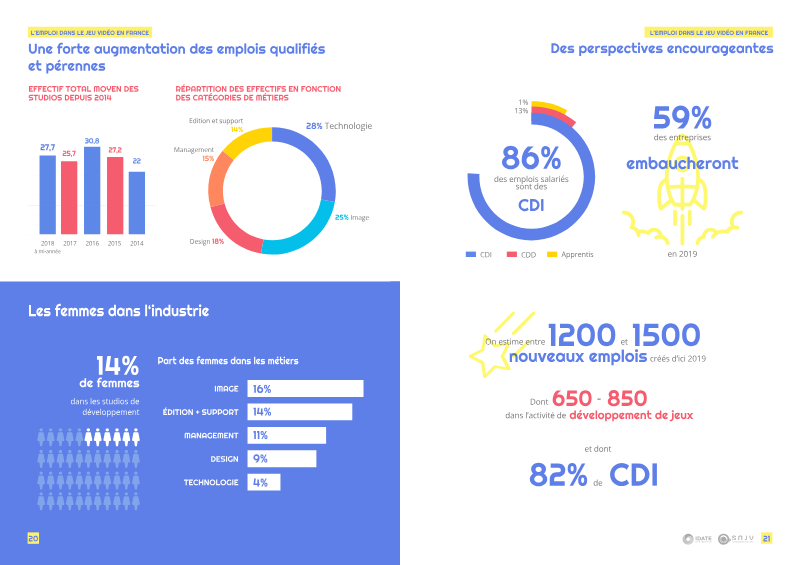
The 2018 Annual Barometer of the Video Game Industry in France provides a comprehensive analysis of the French gaming sector’s economic health, employment trends, and production landscape. Produced through a collaboration between the Syndicat National du Jeu Vidéo (SNJV) and IDATE DigiWorld, the study aims to capture the industry's current activity levels and future outlook. The methodology involved an online survey conducted between June and August 2018, targeting both SNJV members and non-member companies, including development studios, publishers, and service providers. Key findings reveal a dynamic and predominantly independent industry, with 93% of studios identifying as independent. The sector is characterized by a strong entrepreneurial spirit, as 56% of development studios are less than five years old. Production remains robust, with 1,200 games in development during 2018, two-thirds of which represent new intellectual properties. Studios show a clear preference for PC development, followed by mobile and console platforms. Financially, the industry relies heavily on self-financing, though there is a growing reliance on public support mechanisms, with 62% of studios utilizing regional, national, or European aid. Employment in the sector is marked by high qualification levels and steady growth. In 2018, the industry supported an average of 9.5 full-time equivalent employees per studio, with 86% of these roles held under permanent contracts. Projections indicate the creation of 650 to 850 new jobs annually, reflecting a positive outlook. Industry leaders express significant confidence in both their individual companies and the broader French gaming ecosystem, with 76% of respondents viewing France as an attractive territory for video game production. The report concludes that the industry is increasingly export-oriented, with 40% of studio revenue generated internationally.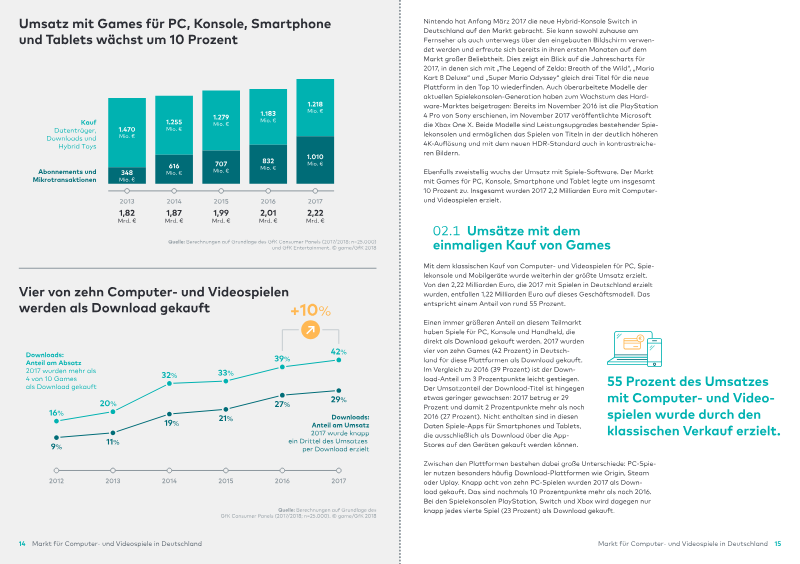
game – Verband der deutschen Games-Branche e. V. · 2018
ReportJahresbericht der Deutschen Games-Branche 2018
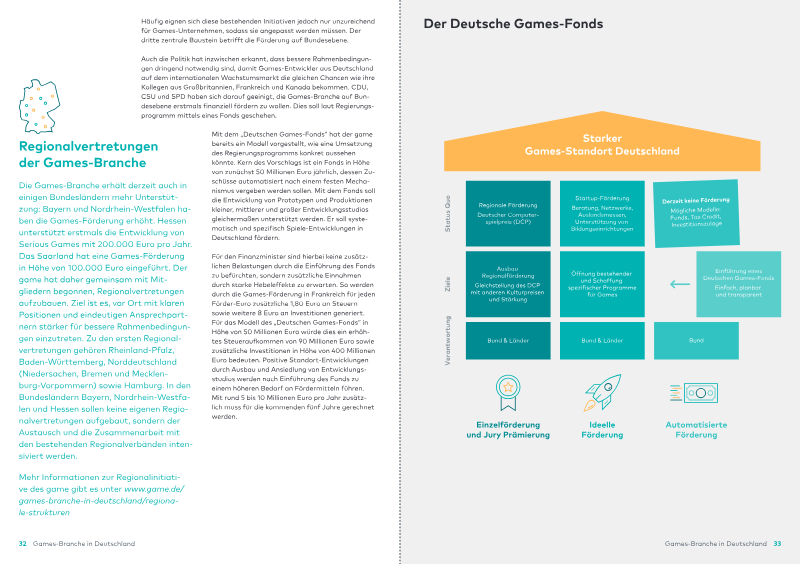
The German games industry experienced a transformative period in 2017 and early 2018, characterized by robust market expansion and a strategic consolidation of industry representation. Total market revenue surged by 15 percent to reach 3.3 billion euros, driven largely by a 26 percent increase in hardware sales and the widespread adoption of digital distribution models, including in-game purchases and subscription services. With a user base of 34.3 million people, the market has matured significantly; the average player age now exceeds 35, and the 50-plus demographic has emerged as the largest segment. Smartphones have officially overtaken PCs as the primary platform for German gamers, reflecting broader global consumption trends. Despite this commercial success, domestic developers face a precarious competitive landscape. The market share for games developed within Germany dropped to 5.4 percent in 2017, highlighting a disconnect between high consumer demand and the local industry's ability to capture that value. High production costs and a lack of state-level financial support compared to international peers have created significant barriers to growth. Consequently, the industry is actively lobbying for a dedicated German Games Fund and improved framework conditions to bolster competitiveness, innovation, and the professionalization of the eSports sector. To address these structural challenges, the industry has moved toward greater unity and political engagement. The merger of the BIU and GAME associations into a single representative body, "game," marks a pivotal shift toward a more cohesive advocacy strategy. This unified front is working closely with government entities to secure formal recognition for eSports, enhance media literacy, and promote the cultural value of gaming. While the sector maintains a stable workforce of approximately 30,000 employees, sustained growth and international relevance depend on the successful implementation of these proposed policy reforms and continued investment in domestic production capabilities.

Dutch Games Association · 2018
ReportThe Games Monitor 2018
The Dutch games industry reached a state of accelerated maturity by the end of 2018, characterized by a shift from simple company proliferation to the scaling of existing enterprises. Comprising 575 active firms and 3,850 jobs, the sector generated an estimated annual turnover between €225 million and €300 million. This growth trajectory, particularly evident between 2015 and 2018, saw a doubling of companies achieving over €1 million in revenue. Economic activity remains geographically concentrated, with Amsterdam, Utrecht, and Eindhoven serving as the primary hubs that accounted for over 60 percent of net job growth during this period. The industry is defined by a distinct bifurcation between entertainment and applied game studios. While entertainment developers are diversifying monetization through subscriptions and influencer partnerships to reach global audiences, applied studios are increasingly moving away from client-dependent work-for-hire models toward scalable, international product offerings. Despite this progress, the sector faces structural challenges, including difficulties in securing external financing and a persistent talent gap. Developers remain notably cautious regarding external investment, preferring autonomous growth strategies even as the industry navigates complex regulatory environments concerning loot box practices and the evolving demands of digital distribution. Broader ecosystem factors, such as a stable educational pipeline and a robust eSports scene, continue to support the industry’s development. Although the Netherlands produces a steady stream of graduates, the industry remains engaged in a critical debate regarding the alignment of academic curricula with specific technical and business requirements. While the sector lacks publicly owned studios, its reliance on the Unity engine and a focus on mobile and console platforms underscore a pragmatic approach to development. Ultimately, the Dutch games industry maintains a resilient, albeit cautious, position, balancing the risks of innovation with a steady expansion of its professional and economic footprint.
Dutch Games Association · 2018
ReportGames Monitor: The Netherlands 2018
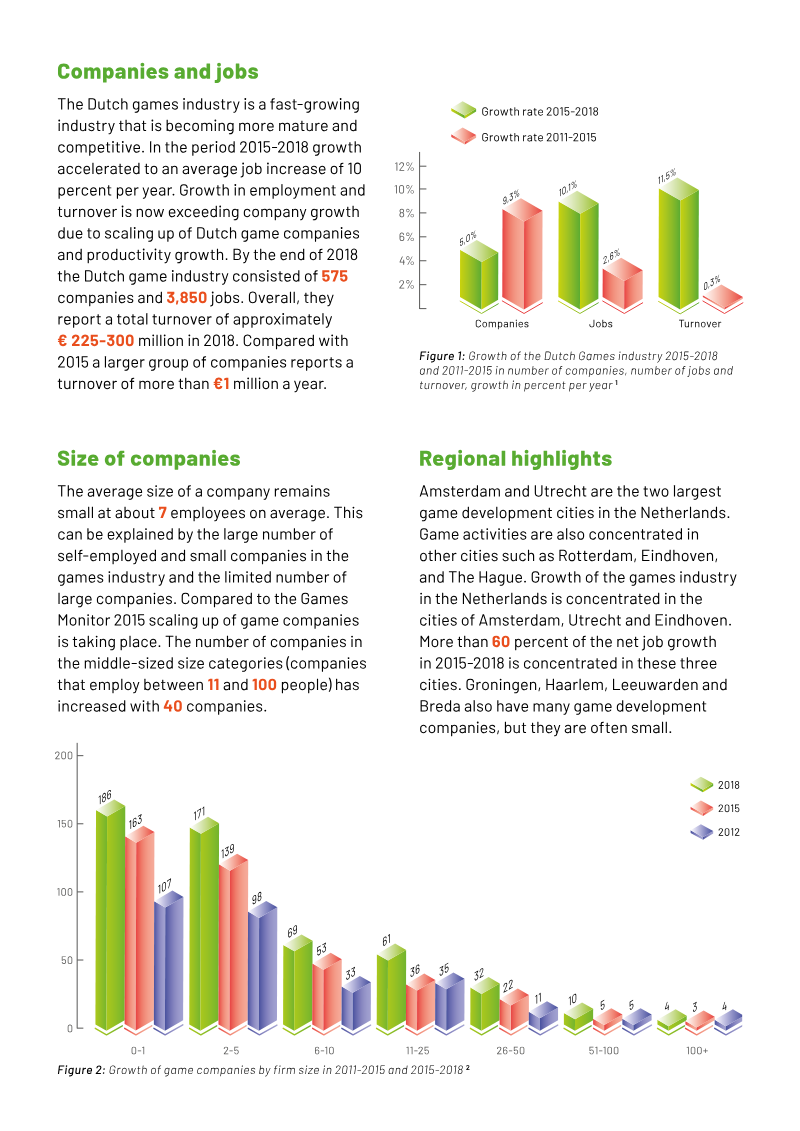
The Games Monitor 2018 provides a comprehensive analysis of the Dutch video games industry, tracking its evolution and maturation between 2015 and 2018. The industry is defined by companies whose core activities involve the development, production, publication, or distribution of electronic games, categorized into entertainment and applied (serious) games. The research methodology combined desk research with a survey of 165 companies, supplemented by industry roundtable discussions to validate findings. The Dutch games sector experienced accelerated growth during the 2015–2018 period, characterized by an average annual job increase of 10 percent. By the end of 2018, the industry comprised 575 companies and 3,850 jobs, generating an estimated annual turnover of €225–300 million. While the average company size remains small at approximately seven employees, there is a clear trend toward scaling up, evidenced by a significant increase in mid-sized firms employing between 11 and 100 people. Geographically, the industry is concentrated in major urban centers, with Amsterdam, Utrecht, and Eindhoven accounting for over 60 percent of net job growth. Market dynamics show a strong expansion in entertainment game development, which grew by 33 percent, while the applied games sector—primarily serving healthcare, education, and government—has stabilized. Business models in the entertainment sector rely heavily on premium monetization and in-app advertising, whereas applied studios frequently utilize work-for-hire models. The educational landscape remains robust, with 44 game-related study programs producing over 900 graduates annually. Overall, the industry is transitioning toward a more mature, competitive state, marked by increased productivity, strategic acquisitions, and international expansion.
AEVI · 2018
Report