Europe
National and regional reports on the European games industry.
328 documents
AEVI · 2018
ReportVideojuegos en España: Impacto Económico y Escenarios Fiscales
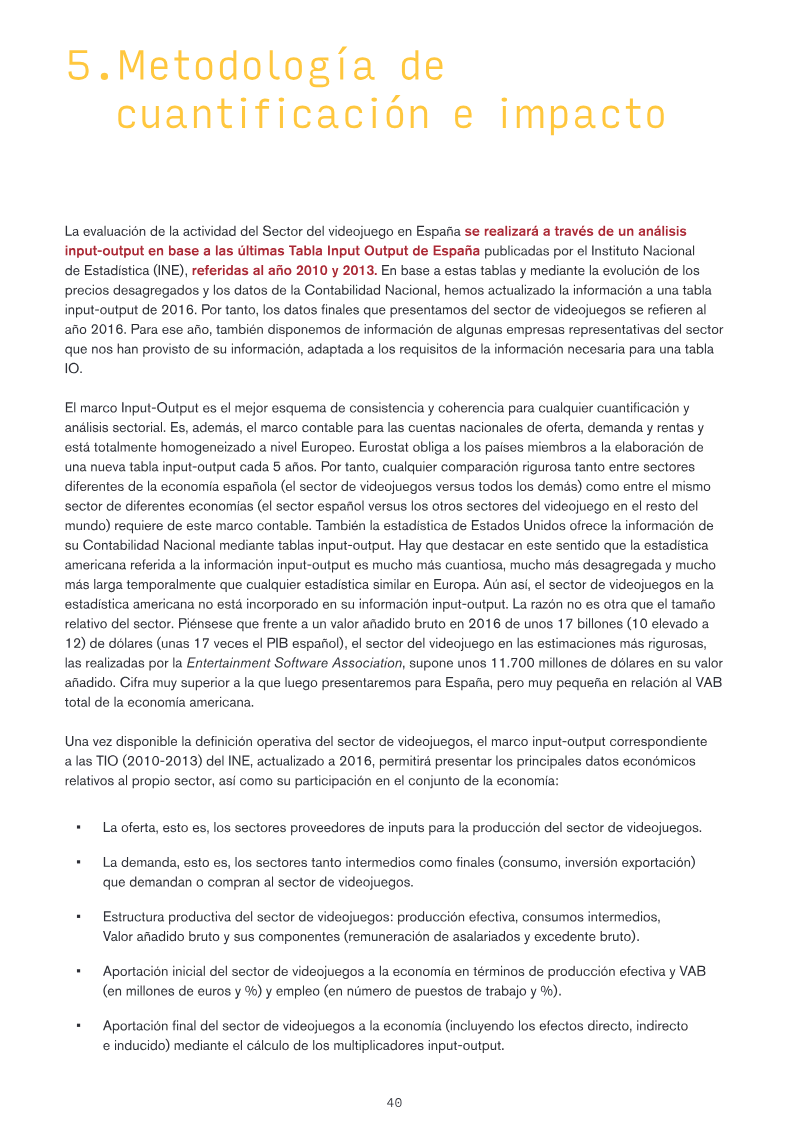
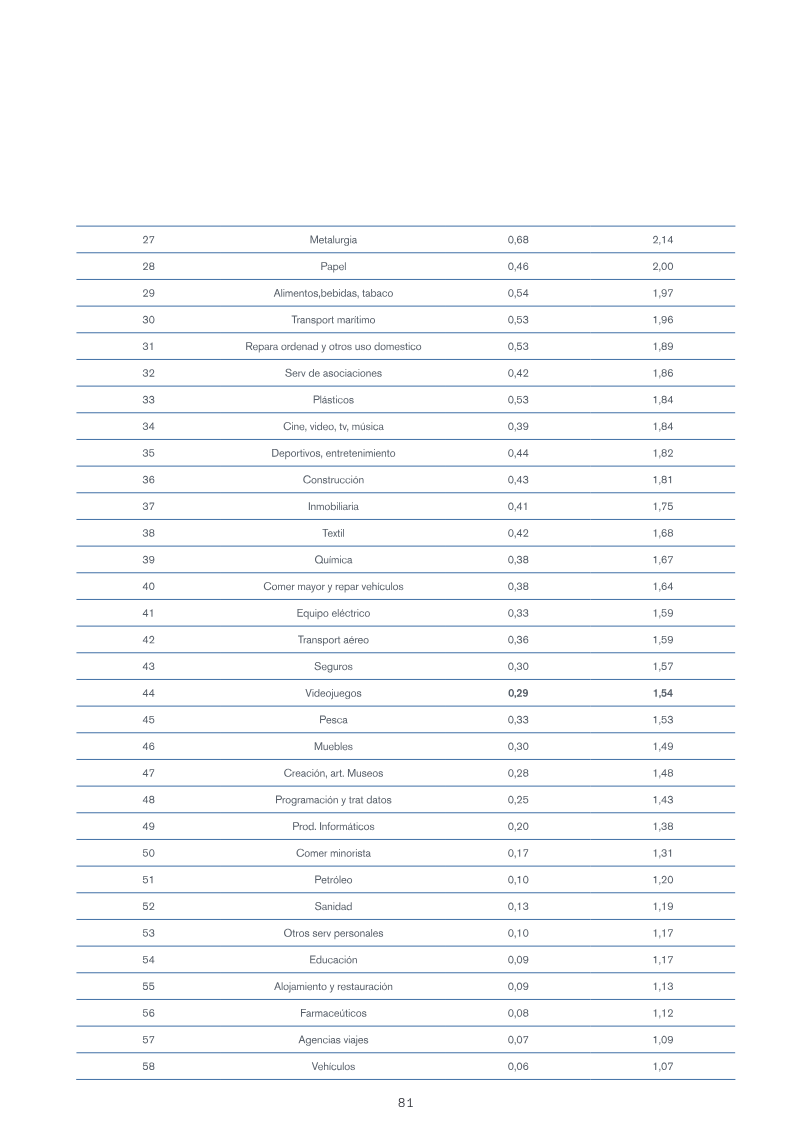
Spain’s video-game industry is presented as a dynamic component of the national ICT services sector, whose economic relevance extends far beyond direct production. Using 2016 input-output tables updated with INE data, the analysis quantifies the sector’s contribution to GDP, employment and value-added, and evaluates how fiscal incentives and inter-industry linkages shape its growth trajectory. In 2016 the industry generated €1.177 billion in direct output, representing roughly 0.11% of national GDP, and created 8 790 high-skill jobs. When indirect and induced effects are incorporated, total activity rises to €3.577 billion, value-added reaches €1.452 billion and employment expands to 22 828 positions, implying that each euro invested yields three euros of economic activity and that a game-industry job supports 2.6 additional jobs elsewhere. The sector supplies 14.3% of publishing output, 9.6% of audiovisual production and 3.8% of related services, yet its forward absorption and diffusion coefficients are low, indicating limited downstream impact compared with professional services. Productivity analysis shows a 6.4% annual decline in value-added per employee within the broader editing segment, while revenue per worker remains modest at €144 k. Between 2014 and 2024, software publishing and cable-free telecommunications emerge as the fastest-growing Spanish activities, with annual expansions of 4.7% and 4.2% respectively, underscoring the sector’s alignment with broader digital trends. Four fiscal-policy scenarios are compared, and the tax-credit option (E2) delivers the strongest stimulus, adding €627 million of production, €254 million of value-added and 4 000 full-time jobs, albeit at the cost of a modest deterioration in public-finance balance. Methodologically, the study follows Frascati and Oslo standards, aggregates data at the two-digit CNAE level, and employs a Leontief inverse to trace demand-driven effects, ensuring international comparability of R&D, innovation and ICT metrics.
Newzoo · 2017
ReportAn Overview of Esports in Europe: December 2017
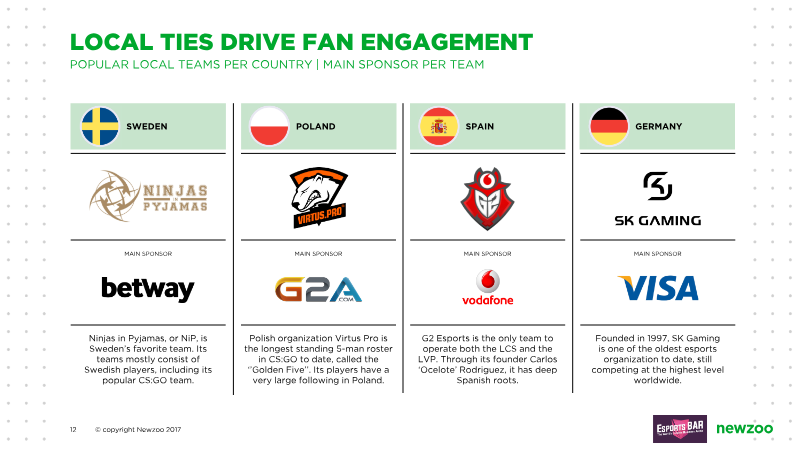
The European esports market is currently transitioning from an adolescent phase toward a mature, multi-billion-dollar industry. As of late 2017, Europe serves as a foundational region for the global sector, accounting for approximately one-third of total global esports revenues and hosting an audience of over 70 million viewers. The industry’s trajectory is heavily influenced by the implementation of local leagues, franchising models, and increasing convergence with traditional media, entertainment, and telecommunications sectors. Projections suggest that European esports revenues could reach $403 million by the end of 2017, with a compound annual growth rate of 32% expected through 2020. The analysis focuses on four key European ecosystems—Germany, Poland, Spain, and Sweden—each characterized by a strong PC gaming legacy and distinct cultural nuances that dictate fan engagement. These markets demonstrate the importance of local heroes and professional teams in driving viewership and sponsorship interest. Notably, the integration of traditional sports organizations into the esports space has accelerated mainstream acceptance, while non-endemic brands, such as Mercedes-Benz and various betting companies, are increasingly driving revenue growth through new sponsorship deals. Methodologically, the findings rely on market data and consumer insights to profile the European esports landscape. The data highlights that 26% of European viewers for major titles like League of Legends, CS:GO, and Dota 2 do not actively play these games, indicating a shift toward esports as a standalone form of entertainment. Major events, such as the Intel Extreme Masters in Katowice and ESL One in Cologne, serve as critical hubs for fan engagement and brand exposure. Ultimately, the industry’s future growth depends on the successful monetization of content rights and the ability of stakeholders to leverage granular consumer data to reach diverse, localized audiences across the continent.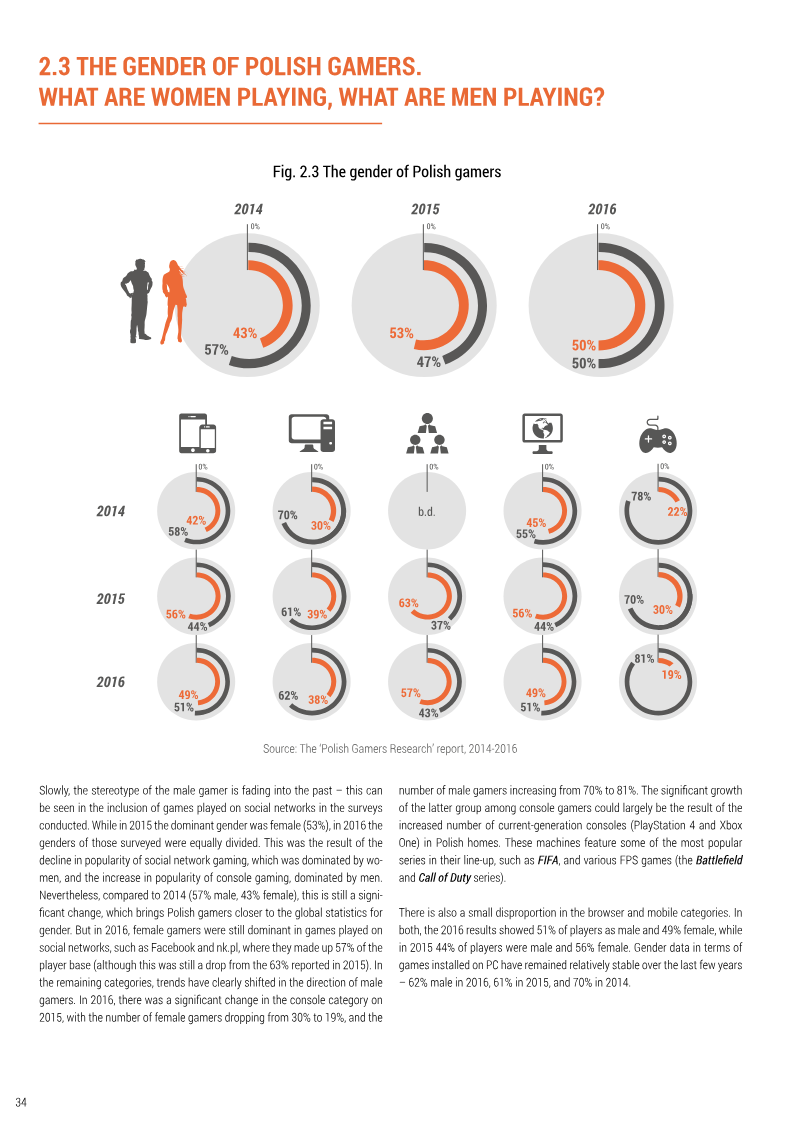

Kraków Technology Park · 2017
ReportState of the Polish Video Game Industry 2017
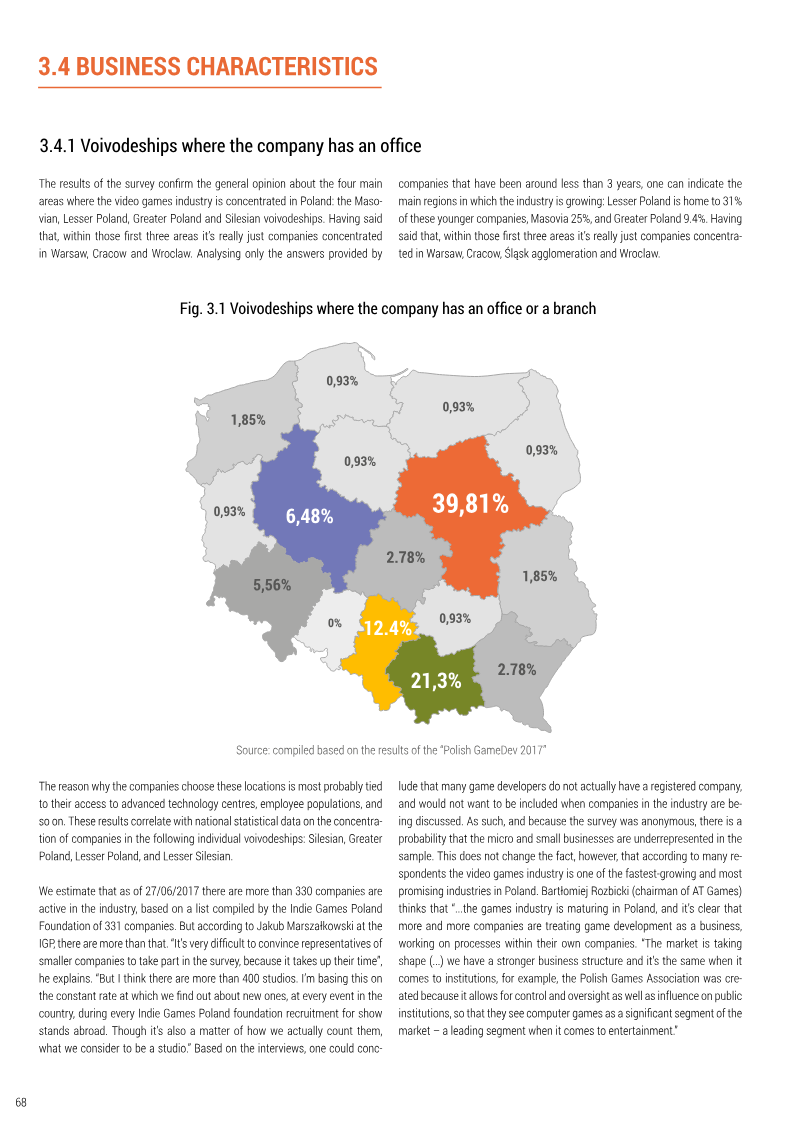
The Polish video game industry in 2017 represents a maturing, vital pillar of the national economy, characterized by a transition toward professionalized business structures and global competitiveness. Despite a revenue dip in 2016 following the exceptional performance of major titles in 2015, the domestic market remains on a growth trajectory, projected to reach PLN 2.23 billion by 2019. The sector is anchored by globally recognized AAA franchises and a robust ecosystem of independent studios, with listed companies on the Warsaw Stock Exchange achieving a combined market capitalization of nearly PLN 9.5 billion. The industry landscape is defined by a shift in consumer behavior, as players migrate from PC and browser-based gaming toward mobile platforms and consoles. While digital distribution and Free-to-Play models are increasingly prevalent, the Polish market retains a unique resilience in physical media sales. Demographic data reveals that gaming has become a mainstream cultural activity, engaging 68% of Polish internet users aged 15–55. However, developers face persistent monetization challenges due to local price sensitivity and a historical reluctance toward microtransactions, prompting many studios to prioritize international markets over domestic ones. Operational challenges remain significant, particularly regarding a severe talent shortage in specialized roles like programming and animation. While the industry is expanding, it is hampered by administrative bureaucracy, complex tax regulations, and insufficient institutional support. Most studios rely on self-funding and self-publishing to maintain autonomy, yet they struggle to scale due to these structural barriers. Despite these hurdles, the sector continues to professionalize, with Poland emerging as a global hub for eSports and a strategic location for international investment, signaling a transition toward a more integrated and sustainable role within the global gaming economy.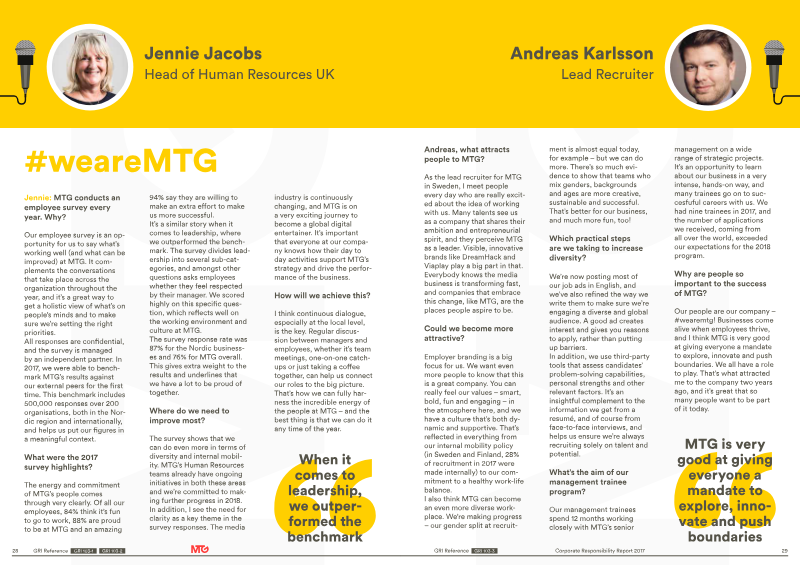


Modern Times Group · 2017
ReportCorporate Responsibility Report 2017
Modern Times Group (MTG) presented a comprehensive overview of its corporate responsibility performance for 2017, positioning itself as a global digital-entertainment leader with approximately 3,700 employees and net sales of €16-17 billion SEK. The report emphasizes MTG’s commitment to “media for good,” detailing initiatives that safeguard children through parental controls, audio-description (covering 15% of output) and subtitles (89% of output), and noting a decline in broadcast-compliance complaints to 49, with none upheld by Ofcom. Recognition of its children’s programming was underscored by a Kristallen award. Diversity and inclusion formed a central pillar of the strategy, with the workforce representing 59 nationalities and achieving near-gender parity in Sweden and Finland (48% women). The company set a 50/50 gender-balance target for 2020, yet disclosed a persistent gender-pay gap—women earned 66-67% of men’s basic salary, and female representation fell to 20% at senior-executive levels. Employee engagement remained high, reflected in an 84% satisfaction rate and an 88% sense of pride, while turnover stood at 16.5%, driven primarily by male departures. Environmental performance revealed a 49.7% increase in total greenhouse-gas emissions versus 2016, largely attributable to the inclusion of MTGx operations and air travel, which accounted for roughly 70% of emissions. Excluding air travel, emissions declined 12% year-on-year, and overall energy consumption dropped from 71,782 GJ in 2015 to 51,459 GJ in 2017. The group’s external gaming arm, alongside its esports and digital-entertainment divisions, contributed to a diversified portfolio spanning Europe and North America. Independent assurance by Ethos International confirmed compliance with GRI Core “in-accordance” standards, identifying minor calculation errors and recommending enhancements in materiality analysis, equality and diversity focus, supplier code enforcement, and HR system integration. Stakeholder surveys and user testing were highlighted as effective mechanisms for aligning responsibility initiatives with customer expectations.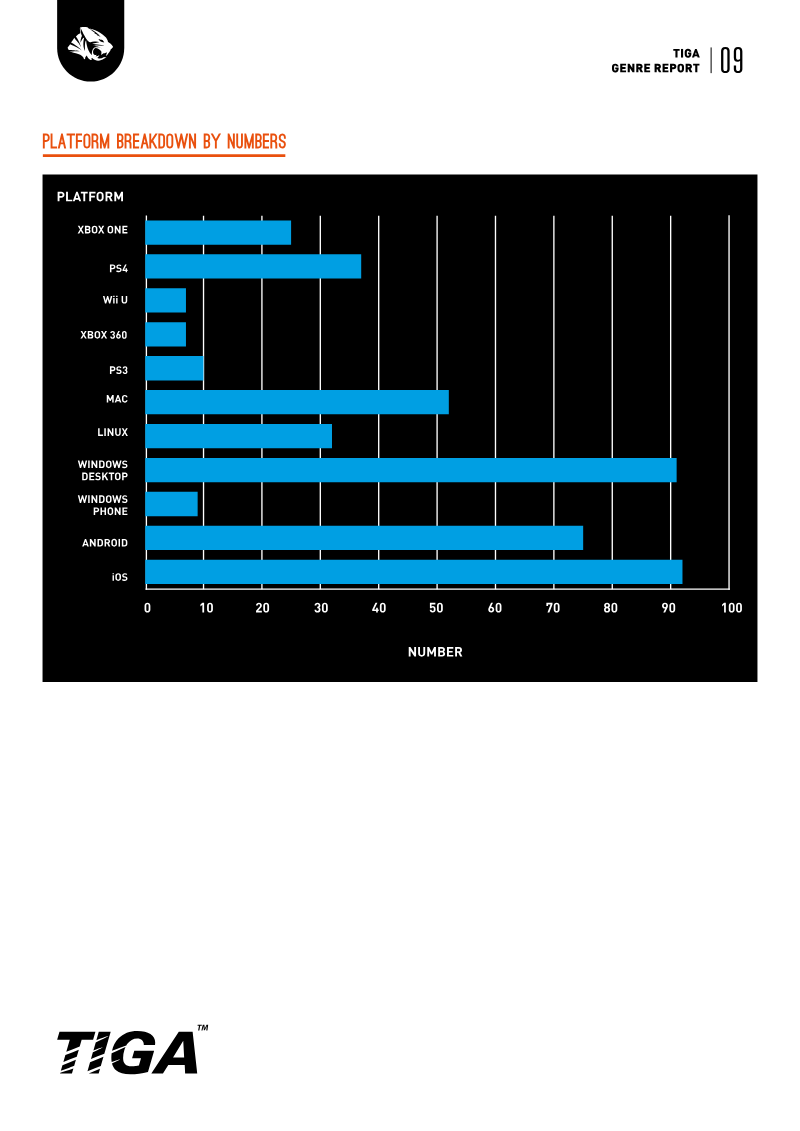

TIGA · 2016
ReportTIGA Genre Report 2016
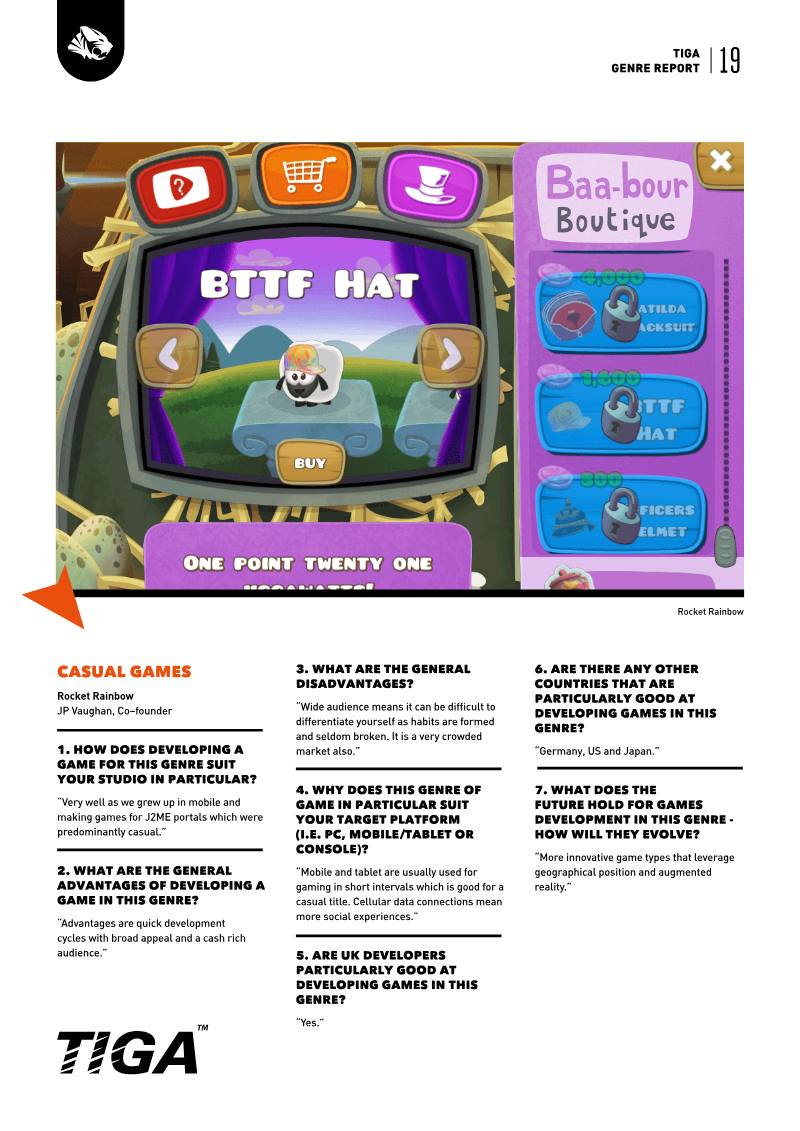
The UK game development landscape in 2015 was defined by a strong preference for action and adventure titles, which accounted for 24.21 percent of all releases. Alongside traditional arcade games and puzzle-trivia titles, these three categories formed the backbone of the industry, collectively representing nearly 58 percent of the market. While these genres remain sustainable pillars for developers, the data indicates that success is increasingly contingent upon platform-specific optimization, particularly as iOS and Windows desktop continue to serve as the primary development environments. Market dynamics vary significantly across different segments, with puzzle and arcade titles demonstrating superior performance on mobile devices compared to their action-oriented counterparts. Niche genres such as music and role-playing games benefit from dedicated fan bases and licensing opportunities, yet other sectors like horror and casual gaming are currently grappling with intense market saturation and escalating customer acquisition costs. To remain competitive, studios are shifting their focus toward emerging technologies, including virtual reality and Early Access models, to differentiate their offerings in a crowded digital marketplace. Despite a reputation for high-quality innovation, UK developers face mounting pressure from global competitors in the United States, Finland, and Asia. Navigating this environment requires a strategic approach that balances established gameplay mechanics with targeted research and development. Future growth in the industry depends on the ability of studios to refine their business models, particularly within the free-to-play space, and to leverage creative gameplay to capture audience attention. Ultimately, the industry is moving toward a model where success is determined by the ability to adapt to rapid platform evolution while maintaining a focus on niche market penetration.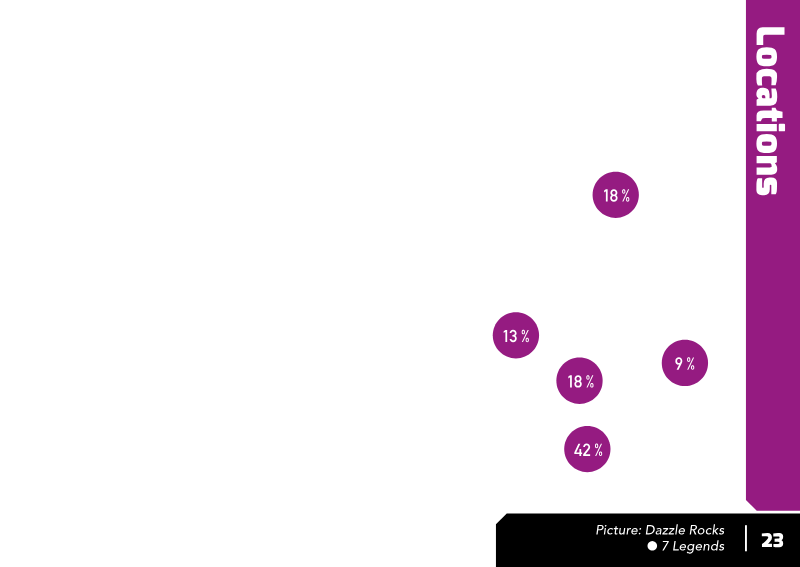

Neogames Finland · 2016
ReportFinnish Game Industry Report 2016
The Finnish game industry reached a pivotal stage of maturity in 2016, transitioning from a period of rapid, unchecked expansion toward a more stable and consolidated business environment. Despite a slight contraction in the total number of active studios from 270 to 250, the sector demonstrated resilience by generating a total turnover of €2.5 billion and maintaining a stable workforce of 2,750 professionals. A notable indicator of this maturation is the record number of studios surpassing the €1 million annual revenue threshold, signaling that while the market is becoming more competitive, established players are successfully scaling their operations through improved strategic planning and professional management. Mobile gaming remains the primary engine of the Finnish ecosystem, yet the industry is actively diversifying its portfolio to include PC, console, and serious game development to mitigate risks associated with mobile market saturation. Developers are increasingly contending with rising user acquisition costs by leveraging influencer marketing and cross-media branding strategies. To sustain this momentum, the industry is shifting toward data-driven design methodologies and expanding its international recruitment efforts to address a persistent shortage of senior-level talent. The long-term viability of the Finnish sector is bolstered by a comprehensive, multi-tiered educational pipeline that integrates coding and game development from primary schooling through university levels. This robust infrastructure is complemented by a decentralized growth model, as 63 percent of new studios are emerging outside the capital region, supported by localized incubators and regional development hubs. By fostering a strong community-driven culture and maintaining active support from national organizations, Finland continues to navigate the complexities of the global market, positioning itself to adapt to evolving regulatory environments and shifting consumer demands.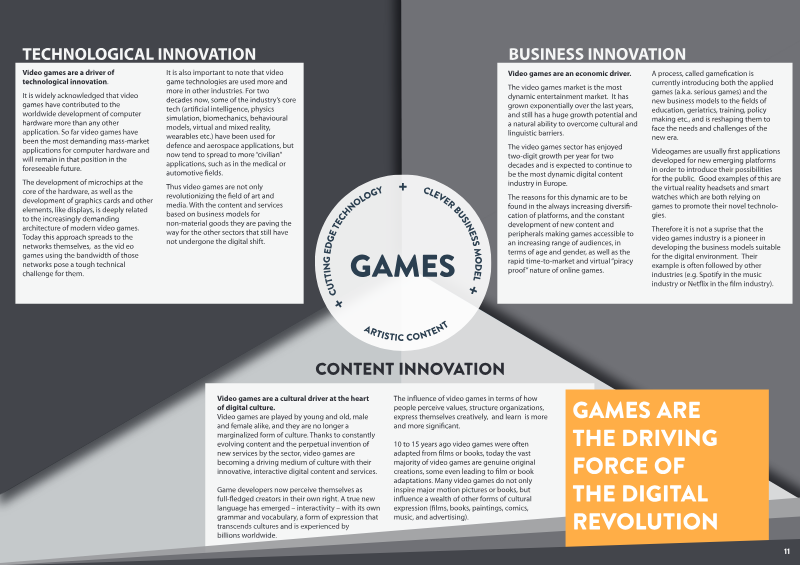

European Games Developer Federation · 2016
WhitepaperHow to Enable Digital Growth in Europe
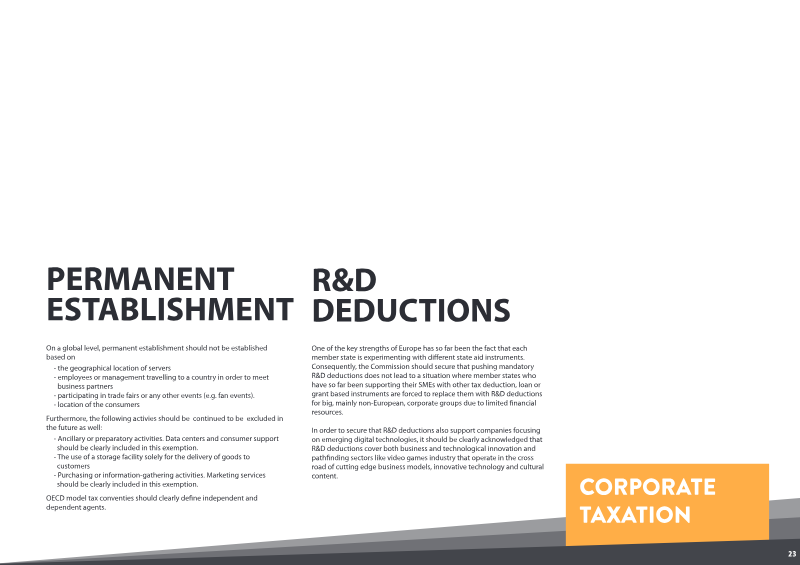
The European video game industry serves as a critical engine for the continent’s digital transformation, yet its potential remains constrained by a fragmented regulatory landscape and insufficient financial support. Representing over 1,600 studios and 25,000 employees, the sector acts as a pioneer in digital innovation and business modeling. To maintain global competitiveness against large non-European conglomerates, the industry requires a unified digital single market that harmonizes VAT regulations, simplifies cross-border compliance, and streamlines immigration processes to attract essential global talent. Current public funding mechanisms, particularly the Creative Europe program, are hampered by administrative rigidity and inadequate grant levels. A transition toward an IP-focused, two-step review process, coupled with the introduction of tax relief and soft loans, is necessary to prioritize creative potential over bureaucratic proficiency. Furthermore, the regulatory environment must be modernized to move away from ill-suited frameworks like the Audiovisual Media Services Directive. Policymakers should instead focus on establishing clear, consistent standards for copyright, music licensing, and the preservation of digital cultural heritage, while simultaneously protecting developers from the predatory practices of patent trolls. Long-term growth depends on balancing robust consumer protection with the creative freedom of small and medium-sized enterprises. Regulations must avoid imposing excessive administrative burdens, such as mandatory address disclosure for young creators, and should ensure that issues like user-generated content and digital resale remain under developer control. By standardizing eGovernment systems and limiting liability to economic losses, the European Union can foster an ecosystem that encourages innovation. Ultimately, creating a borderless, harmonized regulatory environment is essential to ensure that European developers can scale effectively and continue to lead in the global digital economy.
AEVI · 2016
ReportDossier de Prensa AEVI 2016
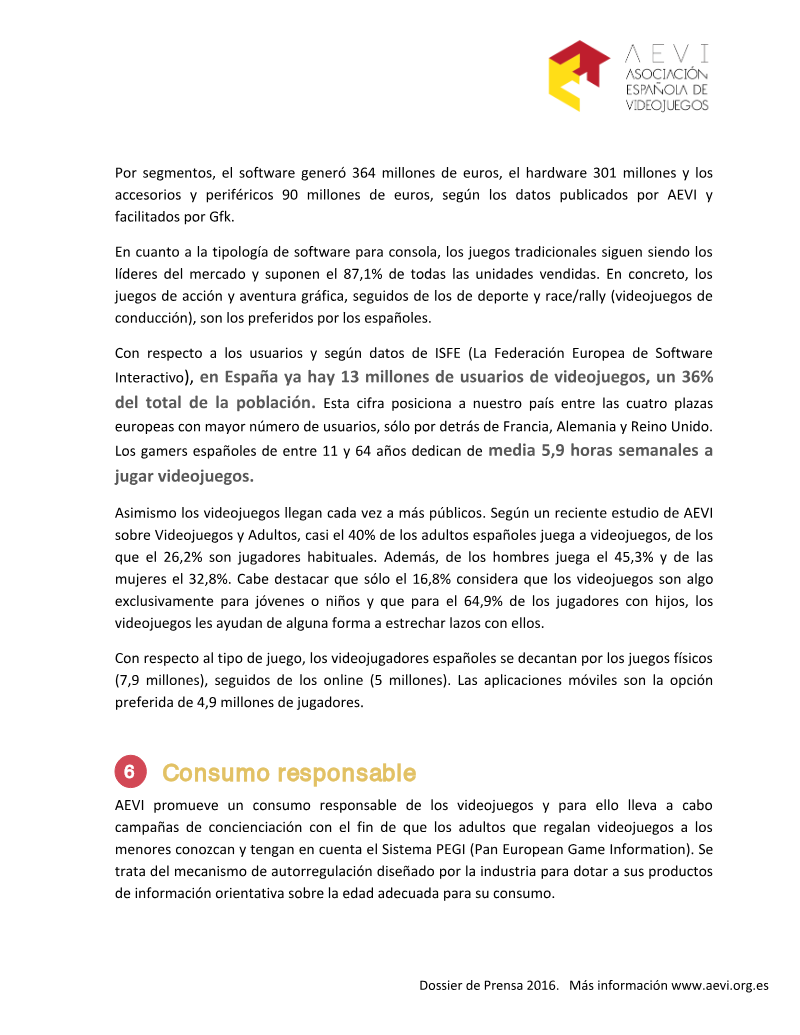
AEVI was founded in 2014 to unify Spain’s video-game ecosystem and to position the sector as a leading technological and cultural industry. Its institutional goals focus on fostering local development, attracting investment, collaborating with public authorities, defending intellectual-property rights, and promoting responsible consumption through the PEGI rating system. In 2014 the Spanish video-game market generated €996 million, a 6.8% increase over the previous year, with physical sales accounting for €755 million and online sales €241 million. Software contributed €364 million, hardware €301 million and accessories €90 million. The sector served 13 million users—36% of the population—making Spain one of the four largest European markets after France, Germany and the United Kingdom. Players aged 11-64 spent an average of 5.9 hours per week gaming; 40% of adults played, 26.2% regularly, and gender participation reached 45.3% for men and 32.8% for women. Physical copies remained the preferred format (7.9 million users), followed by online (5 million) and mobile applications (4.9 million). AEVI highlighted the persistent challenge of piracy, reporting 240 million illegal downloads and 2 million physical infringements in 2014, which translated into a €226 million loss of revenue. Legislative reforms in intellectual-property law and the criminal code were cited as recent advances in combating these practices. The association also noted a 21% rise in development studios, reaching nearly 400 companies, and projected that employment in the sector could double to over 7 000 highly qualified jobs by 2019. Through advocacy, data collection from sources such as GfK, ISFE, Gametrack and its own surveys, and partnerships with institutions like the Federation for the Protection of Intellectual Property, AEVI seeks to sustain growth, enhance the cultural perception of video games, and ensure a responsible, innovative market environment in Spain.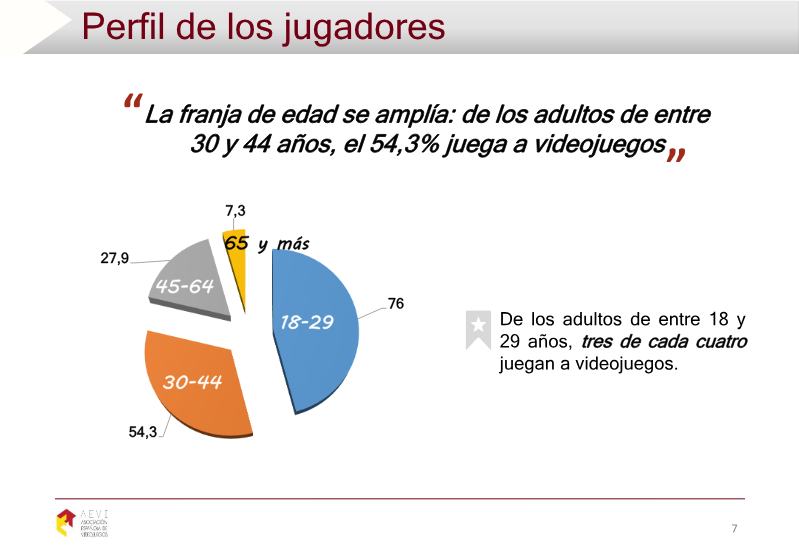

AEVI · 2015
ReportEstudio Videojuegos y Adultos 2015: España
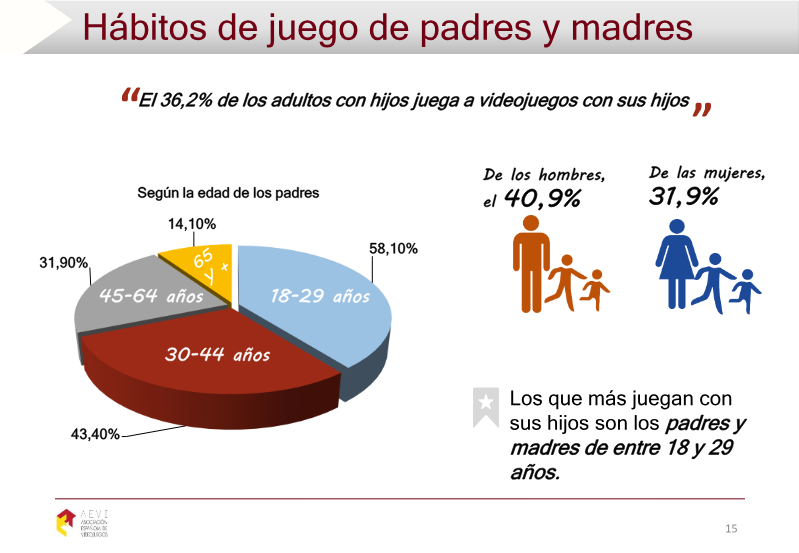
The study aimed to gauge the penetration of video games among Spanish adults, map the demographic profile of adult gamers, explore attitudes and usage habits, compare adults with and without children, and assess purchase intentions for the 2015 holiday season. Conducted nationwide in November 2015, it surveyed 1,000 individuals aged 18 and over via telephone CATI interviews, yielding a margin of error of ±3.09 percent. Overall, 38.9 percent of Spanish adults reported playing video games, while 61.1 percent did not. Play rates were highest among 18- to 29-year-olds, with three-quarters engaging in gaming, and remained substantial for the 30-44 age group at 54.3 percent. Men were more active than women (45.3 percent versus 32.8 percent), though women with children showed a higher participation rate (36.9 percent) than those without (30.1 percent), whereas the opposite pattern held for men. About 46.9 percent of gamers were occasional (at least monthly) and 41.5 percent habitual (weekly or daily), with habitual players being 60 percent male. Among habitual parents, 83.1 percent had children under nine, and 64.9 percent believed gaming strengthened parent-child bonds, especially younger parents. Education correlated with gaming intensity: 63.7 percent of habitual players held secondary or university qualifications. Consoles remained the dominant platform (61.1 percent), favored by men (66.2 percent), while women preferred smartphones (57.6 percent). Approximately 36.2
Neogames Finland · 2015
ReportFinnish Game Industry Report 2014
The Finnish game industry underwent a period of unprecedented expansion between 2008 and 2014, evolving into a global powerhouse defined by mobile-first development and the successful implementation of free-to-play monetization models. Driven by digital distribution and a surge in venture capital, the sector saw its annual turnover skyrocket from €87 million to approximately €1.8 billion. This growth was underpinned by a robust ecosystem of 260 active companies, including industry giants like Supercell and Rovio, alongside a thriving community of independent studios that have achieved significant international reach with titles such as Benji Bananas and the Flatout franchise. The industry’s success is largely attributed to a synergistic relationship between private investment, which totaled roughly €1.57 billion during this period, and targeted public support from agencies like Tekes. While the Helsinki region remains the primary hub for development, decentralized educational initiatives have fostered regional growth across the country. By the end of 2014, the sector employed approximately 2,500 professionals, though the rapid increase in turnover relative to headcount highlights the high scalability and efficiency inherent in the Finnish digital gaming model. Looking toward the future, the industry faces the dual challenge of maintaining momentum in an increasingly competitive mobile market while securing the necessary talent and business expertise to scale. Although mobile platforms remain the dominant focus, developers are increasingly diversifying into PC and cross-platform technologies to mitigate market saturation. Sustained growth will depend on the continued availability of capital and the ability of Finnish studios to leverage their proprietary technologies and global brand recognition to navigate the evolving international landscape.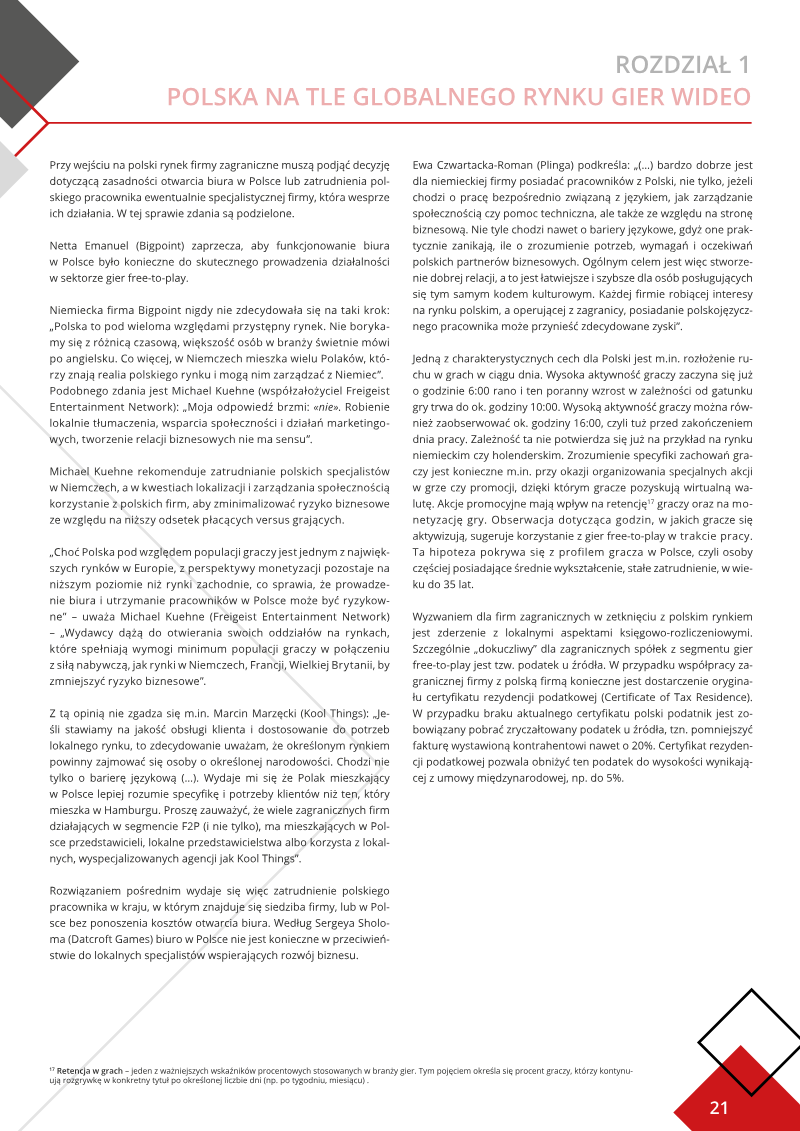

Digital Dragons · 2015
ReportKondycja Polskiej Branży Gierwideo Raport 2015
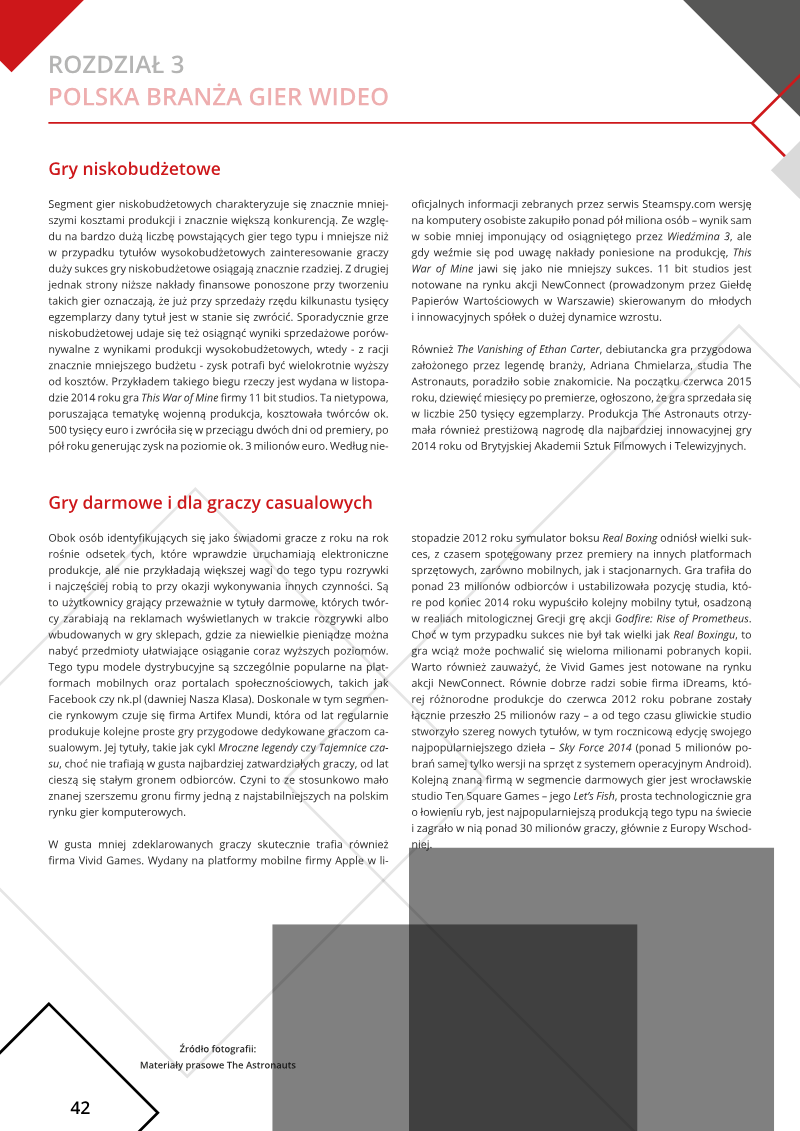
The 2015 analysis of the Polish video game industry provides a comprehensive overview of a sector undergoing rapid structural transformation. Valued at over 1.65 billion PLN, the Polish market represents the second-largest gaming hub in Eastern Europe. The industry’s primary thesis is that the sector has shifted from traditional physical retail toward digital distribution and free-to-play (F2P) models. This transition is supported by a changing consumer landscape, where 72% of Polish internet users now identify as gamers, with women constituting a majority at 53%. The industry is characterized by a dual-track success model: high-budget AAA productions, such as The Witcher 3 and Dying Light, which bolster the nation’s "soft power," alongside a thriving ecosystem of mobile and niche independent titles. While the market is increasingly mature, with declining piracy rates and a growing willingness among consumers to pay for content, significant operational challenges persist. Specifically, the industry faces a critical shortage of skilled labor, including programmers and designers, forcing companies to look abroad for talent and invest heavily in internal training initiatives. Geographically focused on Poland within the context of global trends, the report highlights that while domestic developers are highly competitive, the local market remains heavily influenced by German firms specializing in F2P models. Future growth is contingent upon addressing these talent gaps, navigating complex tax regulations, and refining cross-platform strategies. Ultimately, the industry signals a move away from reliance on government subsidies, favoring instead a focus on tax incentives, international promotion, and the cultivation of practical, industry-aligned skills to sustain its trajectory as a key pillar of the modern entertainment economy.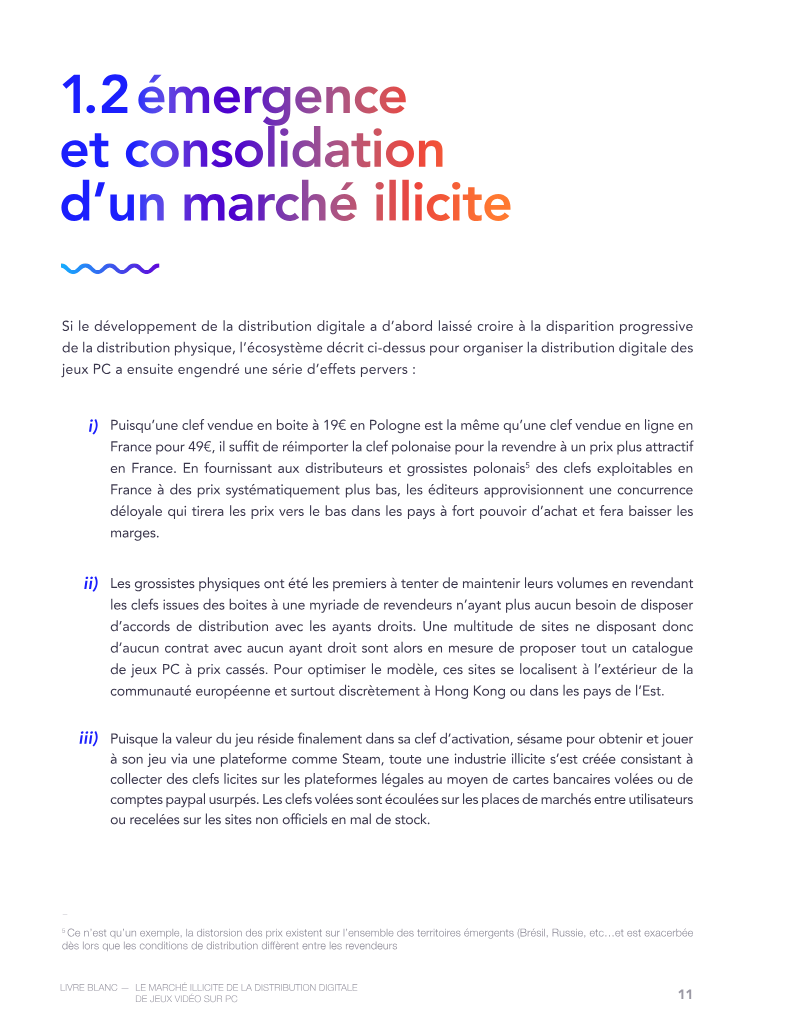

Syndicat National du Jeu Vidéo · 2015
Whitepaper