Development & Publishing
Making and shipping games: design, engines, QA and publishing deals.
222 documents
Wirtschaftskammer Österreich · 2019
ReportDie Wirtschaftliche Bedeutung Der Österreichischen Spieleentwicklungsbranche 2019
The Austrian game development industry serves as a high-growth, export-oriented sector characterized by a young, highly educated workforce and a concentration of small, agile enterprises primarily based in Vienna. As of 2017, the industry comprised 87 companies employing over 470 professionals, with a strong emphasis on PC and mobile entertainment software. The sector demonstrates significant economic vitality, generating 51.1 million EUR in total turnover and acting as a powerful economic multiplier. Through an input-output analysis, it is evident that for every euro of direct revenue, the industry stimulates an additional 1.11 euros in the national economy, effectively doubling its total economic impact to support nearly 1,000 jobs across various sectors, including IT services and real estate. Despite this robust performance, the industry faces structural challenges that hinder its full potential. Most developers rely heavily on self-financing and public grants, as traditional banking institutions often lack the industry-specific knowledge required to support these businesses. Furthermore, the operational landscape is marked by a critical view of the domestic business environment. Developers frequently cite high non-wage labor costs, unfavorable tax policies, and a lack of targeted political support as significant barriers to competitiveness. While the majority of firms maintain a 100% equity ratio to mitigate risk, there is a clear demand for improved financing guarantees and tax incentives to foster further expansion. Looking toward 2021, the sector maintains a positive outlook, with over 70% of companies projecting revenue growth and more than half planning to increase their headcount. The industry’s strategic focus remains on international markets, particularly the EU and the United States, where over 80% of firms currently export their products. To sustain this trajectory, the sector advocates for enhanced networking, specialized educational initiatives, and more effective utilization of existing business support services. Ultimately, the industry represents a high-value-added segment of the Austrian economy that, if supported by a more favorable fiscal and political framework, is poised for continued international success.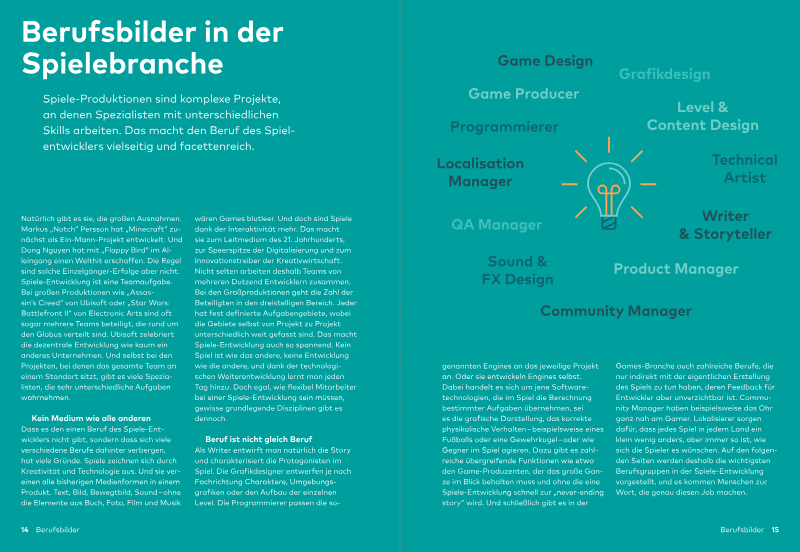
game.de · 2019
ReportArbeiten in der Games-Branche: Kreativität trifft Technologie
The German games industry has evolved into a significant economic pillar and a primary driver of technological innovation, transcending its traditional role as a mere entertainment sector. With approximately 11,705 direct employees, the industry serves as a critical intersection of culture and high-end technology, focusing heavily on digital distribution, eSports, and virtual reality. Despite this robust growth, the sector faces a persistent shortage of skilled professionals, necessitating a strategic focus on talent development to maintain international competitiveness. Game development functions as a highly complex, interdisciplinary process that demands a synthesis of design, programming, graphic arts, storytelling, and production. Success in this field requires more than technical proficiency; it necessitates a blend of creative vision, strong communication skills, and the ability to thrive in decentralized, collaborative environments. Beyond core development roles, the industry encompasses a wide array of essential functions, including community management, localization, marketing, and administration. This professional landscape increasingly values problem-solving capabilities and a commitment to continuous learning over static skill sets. While the industry has transitioned from a field defined by self-taught pioneers to a structured professional sector, challenges regarding workforce diversity remain. Specifically, there is a recognized need to increase the representation of women, particularly in technical roles, through better mentorship and targeted support. To bridge the gap between education and employment, resources such as the gamecampus platform provide structured pathways for aspiring professionals. Ultimately, securing a career in this dynamic field requires a combination of proactive networking, a robust personal portfolio, and a deep understanding of the evolving educational and vocational landscape across Germany.

Syndicat National du Jeu Vidéo · 2018
ReportBaromètre Annuel du Jeu Vidéo en France 2017
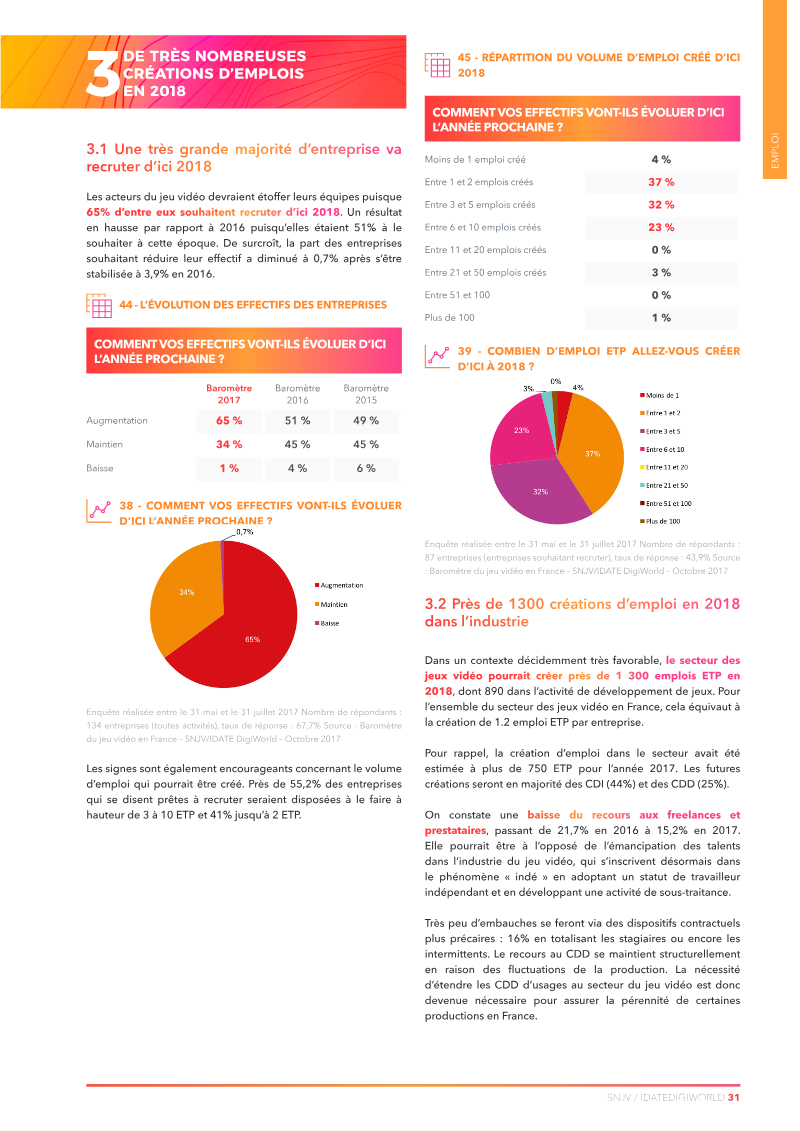
The French video game industry in 2017 demonstrates significant resilience and structural maturation, positioning itself as a globally competitive hub for development. With 88% of studios expressing confidence in the sector’s future, the industry is characterized by a robust independent ecosystem where 86% of firms operate independently. This growth is underpinned by a favorable national environment, bolstered by the reform of the video game tax credit, which has elevated France to the second most attractive country globally for development. The sector remains dynamic, with over half of all studios established within the last five years, reflecting a young and agile workforce. Economically, the industry is shifting toward premium, pay-to-play business models, with 64% of studios prioritizing upfront sales over free-to-play strategies. While production volume has increased by 20%—amounting to approximately 830 games in development—studios are strategically concentrating resources on fewer, higher-quality projects to mitigate commercial risk. Despite this focus, financial stability remains a challenge; 89% of studios rely on autofinancing, as access to traditional bank credit remains difficult. Nevertheless, the sector shows strong fiscal health, with 68.3% of studios operating at or above equilibrium and equity levels rising by nearly 30% between 2016 and 2017. Employment trends further underscore this expansion, with studios projecting nearly 1,300 new job creations for 2018. While the industry is dominated by small businesses, with 77% of studios employing 11 or fewer staff members, the focus remains on permanent employment contracts. Supported by a specialized ecosystem of academic training, professional networking, and public funding mechanisms, the French video game sector continues to navigate international challenges—such as localization and remote management—while maintaining a steady trajectory of growth and innovation in a global market increasingly dominated by mobile and digital distribution platforms.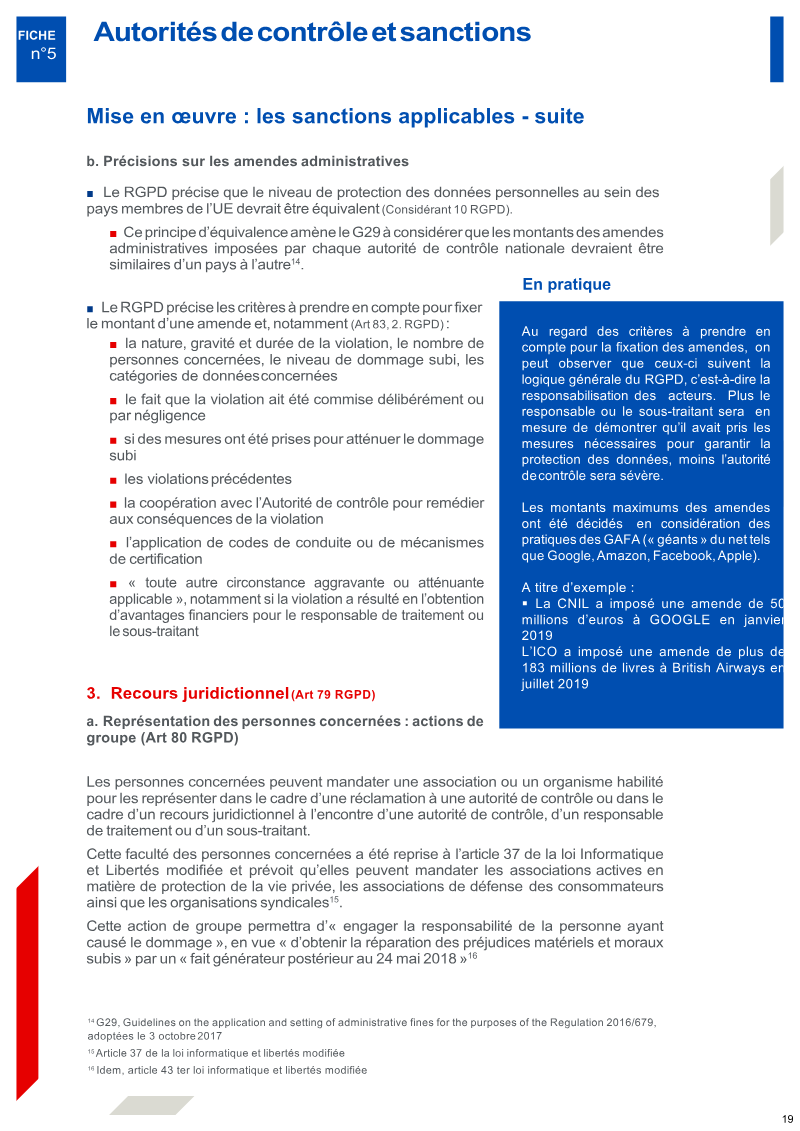

reTeenmeepe · 2018
WhitepaperGuide RGPD pour les Développeurs de Jeux Vidéo
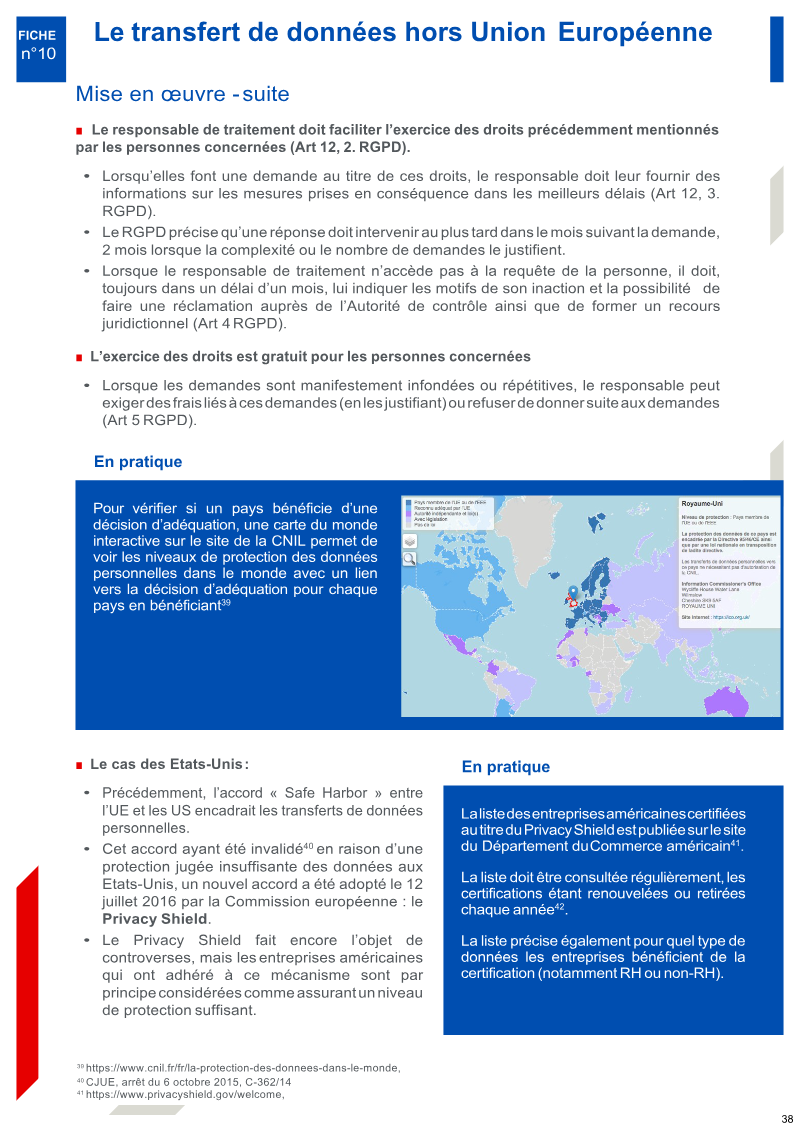
The General Data Protection Regulation (GDPR) serves as the definitive legal framework for video game developers operating within or targeting the European Union. The primary objective is to enforce a culture of accountability, requiring studios to integrate data protection into the development lifecycle through the principle of privacy by design. Compliance is not merely a technical requirement but a governance mandate that necessitates rigorous documentation, including the maintenance of processing registers, the execution of Data Protection Impact Assessments (DPIAs) for high-risk activities, and the appointment of a Data Protection Officer (DPO) where applicable. Developers must establish a valid legal basis for all data processing, such as explicit user consent or contractual necessity. Consent mechanisms must be granular, unambiguous, and easily revocable, with specific protections mandated for minors, whose age of consent varies between 13 and 16 years depending on national legislation. Furthermore, studios are obligated to uphold fundamental user rights, including access, rectification, erasure, and data portability, ensuring these requests are processed within a one-month timeframe. Transparency remains a core pillar, requiring clear communication regarding how user data is collected, stored, and transferred. The financial and legal risks of non-compliance are substantial, with administrative fines reaching up to 20 million euros or 4% of global annual turnover. To mitigate these risks, developers must implement robust security measures, such as encryption and pseudonymization, and maintain strict protocols for managing data breaches, including mandatory notification to the CNIL within 72 hours. When transferring data outside the European Union, developers must utilize approved mechanisms like standard contractual clauses or adequacy decisions to ensure an equivalent level of protection. Ultimately, achieving compliance requires a holistic organizational approach, combining continuous staff training, secure management of third-party subcontractors, and regular internal audits to adapt to evolving regulatory standards.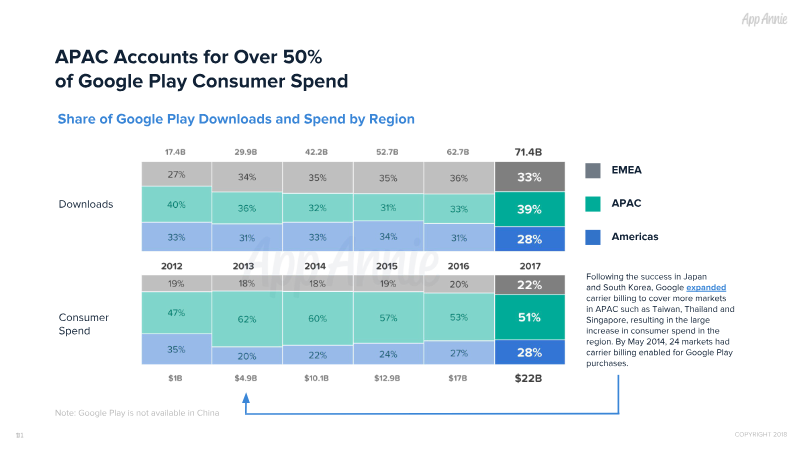

data.ai · 2018
ReportThe Data Behind 10 Years of Google Play (2018)
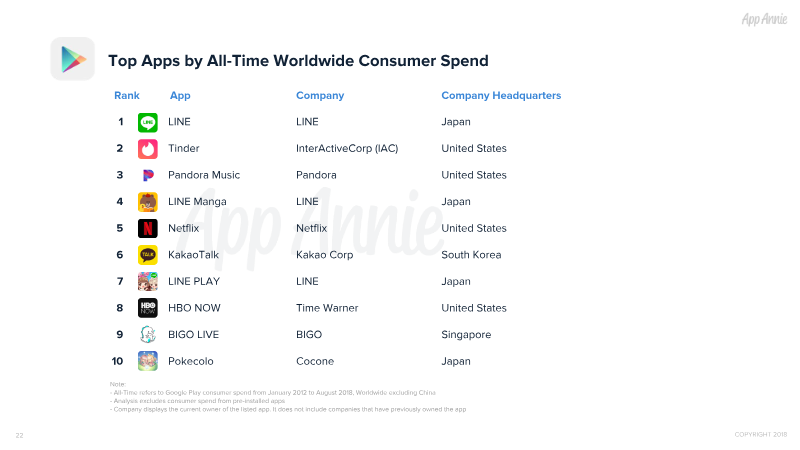
This analysis examines the growth and performance of the Google Play Store over a nearly seven-year period, spanning from January 2012 to August 2018. Utilizing data from the App Annie platform, the findings track the evolution of the Android ecosystem from its early stages to a mature marketplace featuring over 2.8 million available apps. During this timeframe, the platform recorded nearly 330 billion total downloads and generated over $85 billion in consumer spend, with more than 5,000 individual apps surpassing the $1 million revenue milestone. Geographic trends reveal a significant divide between volume and value. India leads the world in total downloads at 36.9 billion, followed closely by the United States and Brazil. However, Japan emerges as the most lucrative market, contributing $25.1 billion in consumer spend, significantly outpacing the United States and South Korea. The data highlights a shift in monetization strategies, particularly the 2017 transition toward in-app subscriptions. This change, supported by a reduction in Google’s transaction fees for long-term subscribers, resulted in a 55% growth in spend for non-gaming apps between 2016 and 2017. The competitive landscape is dominated by major social media and gaming entities. Facebook-owned properties occupy the top four spots for all-time downloads, while LINE and Tinder lead in non-gaming consumer spend. In the gaming sector, Subway Surfers is the most downloaded title, but GungHo Online’s Puzzle & Dragons and Mixi’s Monster Strike lead in total revenue. Looking forward, the analysis projects continued aggressive growth, estimating that annual consumer spend on Google Play will reach $42 billion by 2022, a 90% increase from 2017 levels.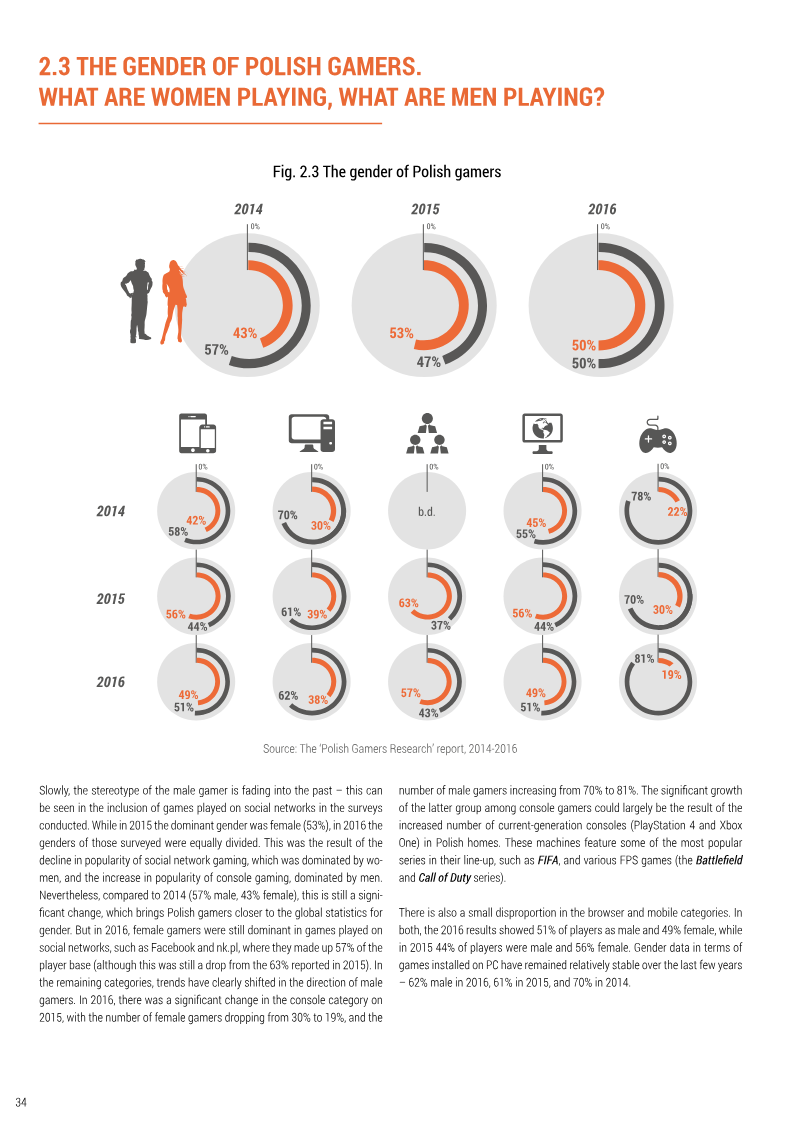

Kraków Technology Park · 2017
ReportState of the Polish Video Game Industry 2017
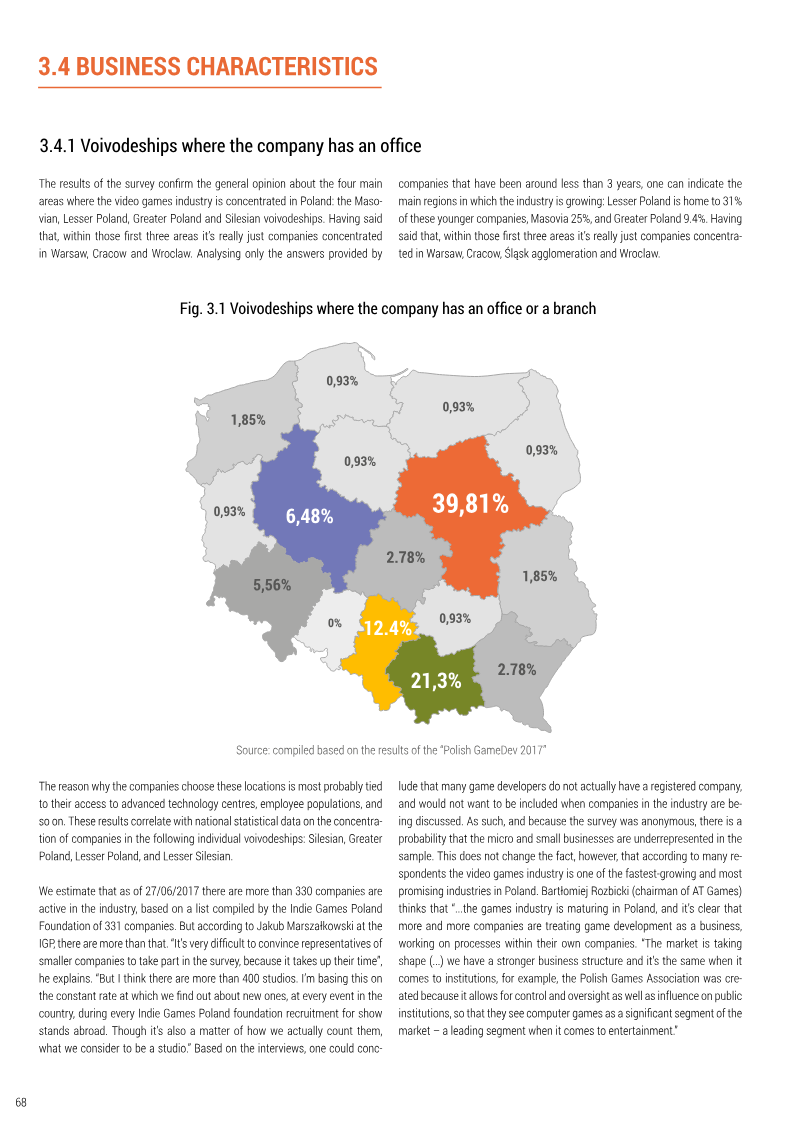
The Polish video game industry in 2017 represents a maturing, vital pillar of the national economy, characterized by a transition toward professionalized business structures and global competitiveness. Despite a revenue dip in 2016 following the exceptional performance of major titles in 2015, the domestic market remains on a growth trajectory, projected to reach PLN 2.23 billion by 2019. The sector is anchored by globally recognized AAA franchises and a robust ecosystem of independent studios, with listed companies on the Warsaw Stock Exchange achieving a combined market capitalization of nearly PLN 9.5 billion. The industry landscape is defined by a shift in consumer behavior, as players migrate from PC and browser-based gaming toward mobile platforms and consoles. While digital distribution and Free-to-Play models are increasingly prevalent, the Polish market retains a unique resilience in physical media sales. Demographic data reveals that gaming has become a mainstream cultural activity, engaging 68% of Polish internet users aged 15–55. However, developers face persistent monetization challenges due to local price sensitivity and a historical reluctance toward microtransactions, prompting many studios to prioritize international markets over domestic ones. Operational challenges remain significant, particularly regarding a severe talent shortage in specialized roles like programming and animation. While the industry is expanding, it is hampered by administrative bureaucracy, complex tax regulations, and insufficient institutional support. Most studios rely on self-funding and self-publishing to maintain autonomy, yet they struggle to scale due to these structural barriers. Despite these hurdles, the sector continues to professionalize, with Poland emerging as a global hub for eSports and a strategic location for international investment, signaling a transition toward a more integrated and sustainable role within the global gaming economy.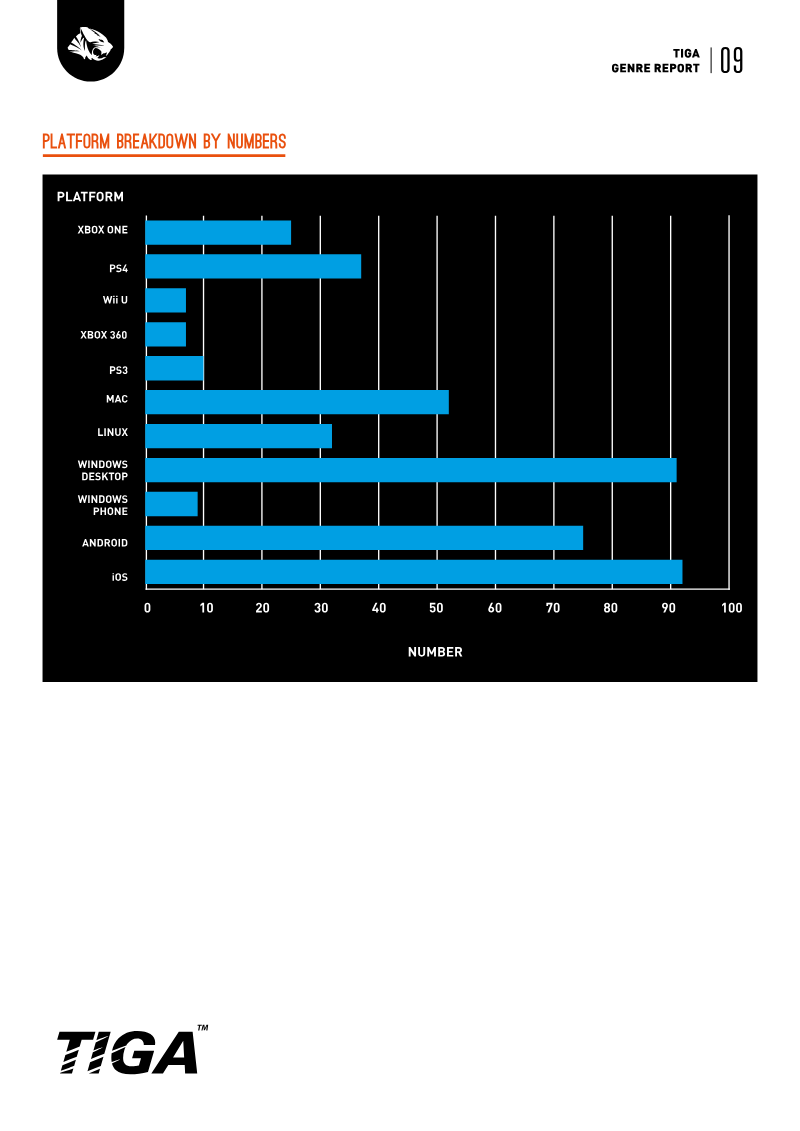


TIGA · 2016
ReportTIGA Genre Report 2016
The UK game development landscape in 2015 was defined by a strong preference for action and adventure titles, which accounted for 24.21 percent of all releases. Alongside traditional arcade games and puzzle-trivia titles, these three categories formed the backbone of the industry, collectively representing nearly 58 percent of the market. While these genres remain sustainable pillars for developers, the data indicates that success is increasingly contingent upon platform-specific optimization, particularly as iOS and Windows desktop continue to serve as the primary development environments. Market dynamics vary significantly across different segments, with puzzle and arcade titles demonstrating superior performance on mobile devices compared to their action-oriented counterparts. Niche genres such as music and role-playing games benefit from dedicated fan bases and licensing opportunities, yet other sectors like horror and casual gaming are currently grappling with intense market saturation and escalating customer acquisition costs. To remain competitive, studios are shifting their focus toward emerging technologies, including virtual reality and Early Access models, to differentiate their offerings in a crowded digital marketplace. Despite a reputation for high-quality innovation, UK developers face mounting pressure from global competitors in the United States, Finland, and Asia. Navigating this environment requires a strategic approach that balances established gameplay mechanics with targeted research and development. Future growth in the industry depends on the ability of studios to refine their business models, particularly within the free-to-play space, and to leverage creative gameplay to capture audience attention. Ultimately, the industry is moving toward a model where success is determined by the ability to adapt to rapid platform evolution while maintaining a focus on niche market penetration.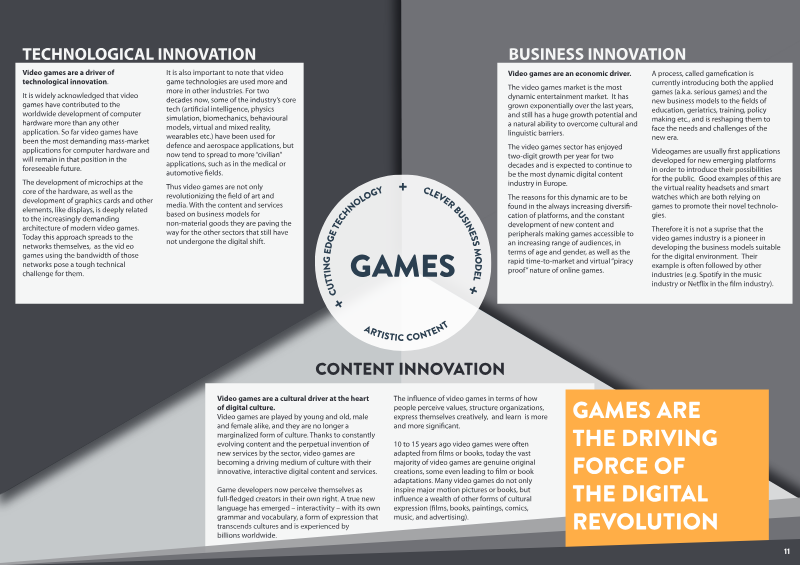

European Games Developer Federation · 2016
WhitepaperHow to Enable Digital Growth in Europe
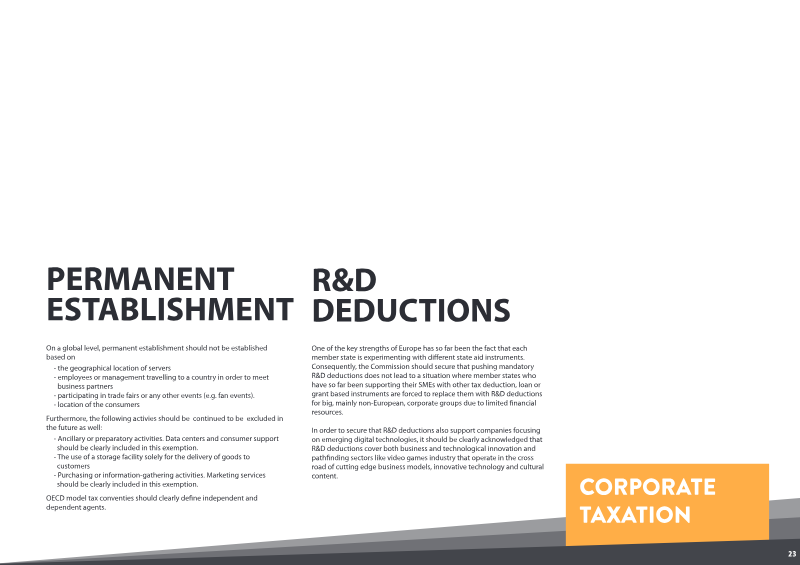
The European video game industry serves as a critical engine for the continent’s digital transformation, yet its potential remains constrained by a fragmented regulatory landscape and insufficient financial support. Representing over 1,600 studios and 25,000 employees, the sector acts as a pioneer in digital innovation and business modeling. To maintain global competitiveness against large non-European conglomerates, the industry requires a unified digital single market that harmonizes VAT regulations, simplifies cross-border compliance, and streamlines immigration processes to attract essential global talent. Current public funding mechanisms, particularly the Creative Europe program, are hampered by administrative rigidity and inadequate grant levels. A transition toward an IP-focused, two-step review process, coupled with the introduction of tax relief and soft loans, is necessary to prioritize creative potential over bureaucratic proficiency. Furthermore, the regulatory environment must be modernized to move away from ill-suited frameworks like the Audiovisual Media Services Directive. Policymakers should instead focus on establishing clear, consistent standards for copyright, music licensing, and the preservation of digital cultural heritage, while simultaneously protecting developers from the predatory practices of patent trolls. Long-term growth depends on balancing robust consumer protection with the creative freedom of small and medium-sized enterprises. Regulations must avoid imposing excessive administrative burdens, such as mandatory address disclosure for young creators, and should ensure that issues like user-generated content and digital resale remain under developer control. By standardizing eGovernment systems and limiting liability to economic losses, the European Union can foster an ecosystem that encourages innovation. Ultimately, creating a borderless, harmonized regulatory environment is essential to ensure that European developers can scale effectively and continue to lead in the global digital economy.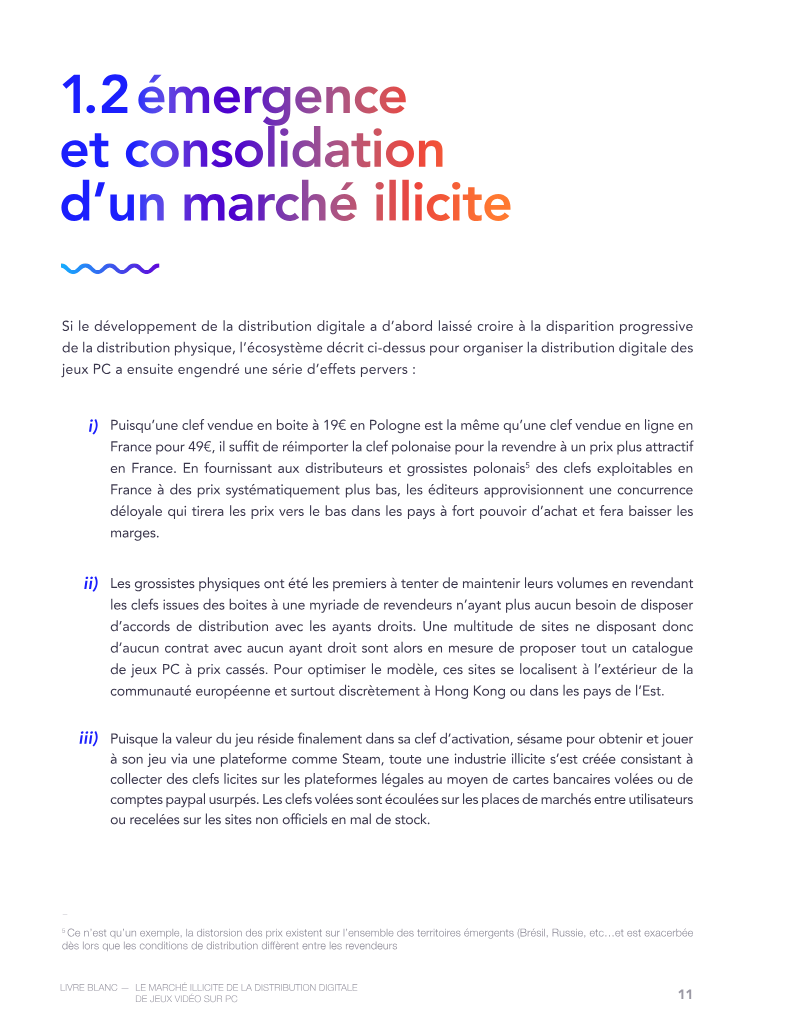


Syndicat National du Jeu Vidéo · 2015
WhitepaperLe Marché Illicite de la Distribution Digitale de Jeux Vidéo sur PC: France
The illicit digital PC game market has evolved into a billion-euro industry that systematically undermines the official distribution ecosystem through the exploitation of regional price disparities and regulatory loopholes. By operating from offshore jurisdictions, these unauthorized platforms bypass European tax obligations and contract law, creating an environment of unfair competition that destabilizes legitimate publishers and retailers. This gray market is sustained by the resale of keys acquired through fraudulent means, such as stolen payment credentials or diverted wholesale stock, which are then sold at deep discounts to consumers. The persistence of this illicit trade is facilitated by the passivity of rights holders and the complicity of major payment processors, advertisers, and e-sports sponsors that provide these platforms with a veneer of legitimacy. While these operations function as a form of digital counterfeiting, they have achieved significant market penetration across Europe, particularly in France. The reliance on centralized activation platforms like Steam, combined with inconsistent pricing strategies across different territories, creates the structural vulnerabilities that these offshore entities exploit to maintain their competitive edge. To mitigate these systemic risks, the industry must move toward a more harmonized model of distribution and pricing. Addressing the issue requires a multi-faceted approach, including stricter oversight of resellers, the implementation of more secure key activation protocols, and a concerted effort to clarify the status of authorized distributors. Furthermore, the official sector must enhance the value proposition and service quality of legitimate channels to reclaim market share. Without decisive regulatory intervention and a unified strategy to close existing loopholes, the continued growth of these illicit circuits threatens to erode the fiscal health of states and the long-term viability of the formal digital gaming economy.
European Games Developer Federation
ReportEuropean Video Games Industry Insight Report: 2024
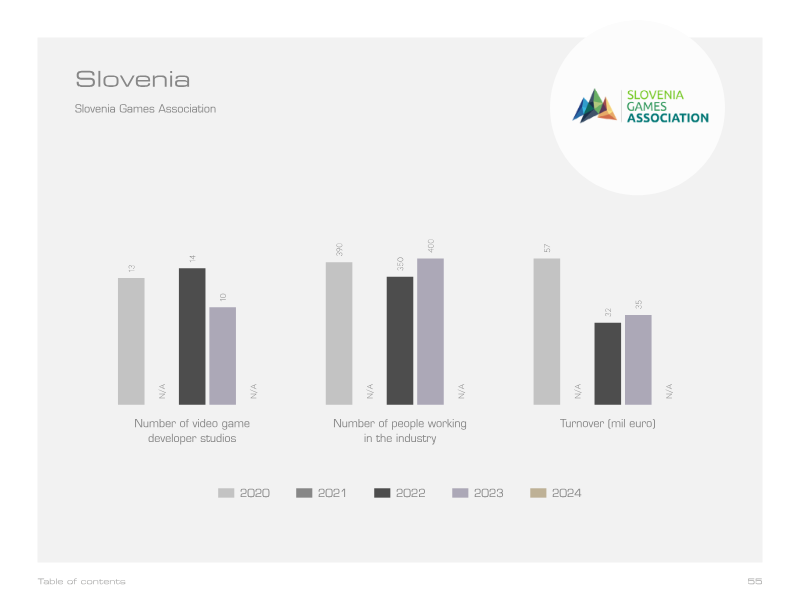
The European video games industry demonstrated notable resilience in 2024, achieving an estimated 6% growth in combined turnover despite a challenging macroeconomic climate marked by inflationary pressures and cautious investment strategies. Comprising approximately 6,600 studios and 95,000 employees, the sector generated a total turnover of €24 billion. While the number of studios continues to rise, employment growth has stalled or slightly declined, reflecting broader global trends of market consolidation and workforce restructuring. Sustained industry stability and future competitiveness depend heavily on the availability of predictable public funding and the development of robust intellectual property. The industry landscape across Europe is characterized by significant geographic diversity in both economic output and educational infrastructure. Nations such as Germany, France, Finland, Sweden, Spain, and Serbia have emerged as key hubs of expansion, though data collection methodologies remain inconsistent across borders. To address this, standardized frameworks have been established to track industry participants, revenue, and new game releases more effectively. Furthermore, the region benefits from an extensive educational network, with hundreds of formal universities and specialized academies across 18 countries—led by the United Kingdom, Poland, and Spain—providing the necessary talent pipeline for continued development. State-sponsored financial support remains a cornerstone of the European ecosystem, with various grants, loans, and tax credits designed to foster production, research and development, and the growth of small and medium-sized enterprises. The European Games Developer Federation, representing 26 national trade associations across 23 countries, continues to play a vital role in advocating for these instruments. As the industry looks toward 2025 and 2026, the integration of these support mechanisms with a skilled workforce will be essential for maintaining the continent's position in the global gaming market.

Korea Creative Content Agency
ReportKorea's Game Studios: Where the Next Breakout Title Is Actually Built
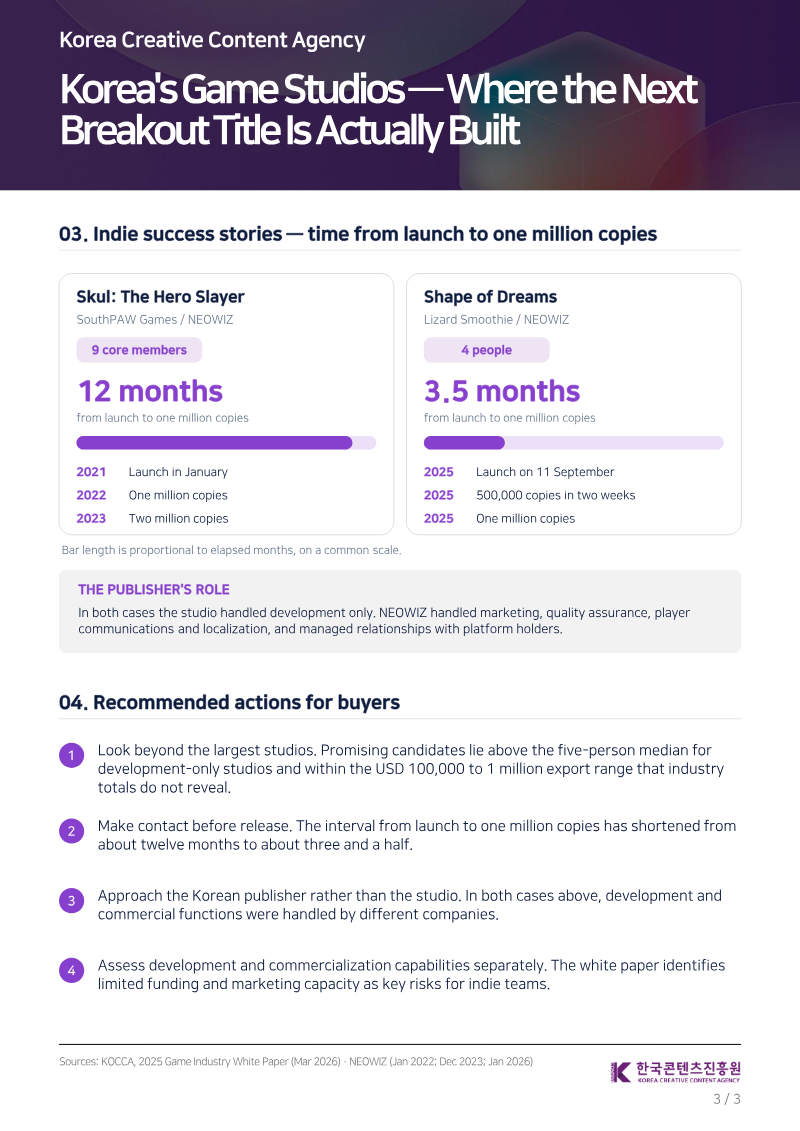
The South Korean gaming landscape is currently defined by a significant structural shift toward small-scale, high-impact development studios. While industry-wide averages are often skewed by a few massive publishers, the reality of the market is that 69.4% of development-only firms employ fewer than ten people. This segment has been bolstered since 2024 by an influx of experienced talent departing major publishers, creating a robust ecosystem of indie teams capable of producing breakout titles. Data indicates that these smaller studios are increasingly efficient, with some teams of as few as four people reaching one million copies sold in just three and a half months. The domestic market serves as a vital testing ground for these developers, as over 30% of players in their twenties and thirties actively engage with indie games, prioritizing original subject matter over pricing. Despite this creative success, these studios often face limitations in funding and marketing capacity. Consequently, the commercialization of these titles is frequently decoupled from development, with major publishers managing localization, quality assurance, and platform relations. Half of all exporting companies in this sector currently generate less than USD 1 million in annual export value, highlighting a vast, untapped middle market. For international buyers and stakeholders, the primary takeaway is the necessity of looking beyond the largest, most visible firms. Successful acquisition and partnership strategies require engaging with studios that exceed the five-person median while simultaneously negotiating with the Korean publishers who handle the commercial infrastructure. Because the time-to-market for breakout hits has accelerated significantly, early engagement is essential. Buyers should evaluate development and commercialization capabilities as distinct entities to mitigate the risks associated with the limited operational resources of smaller indie teams.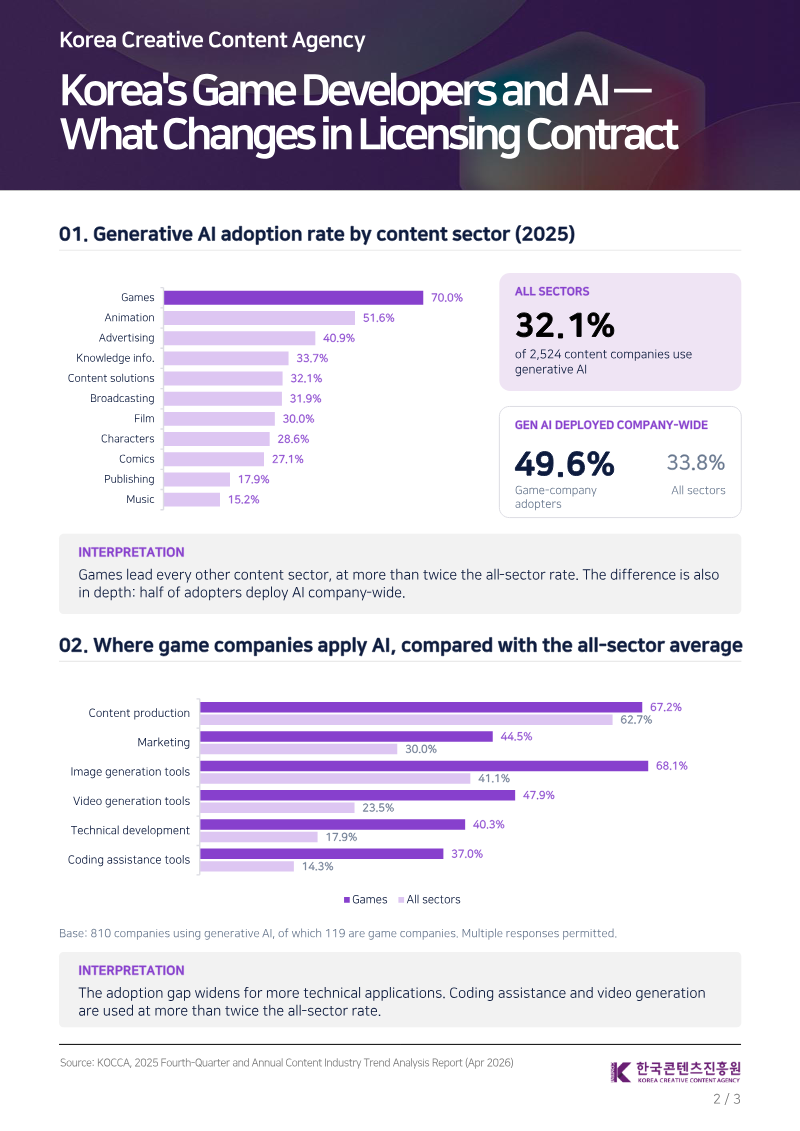

Korea Creative Content Agency
Report