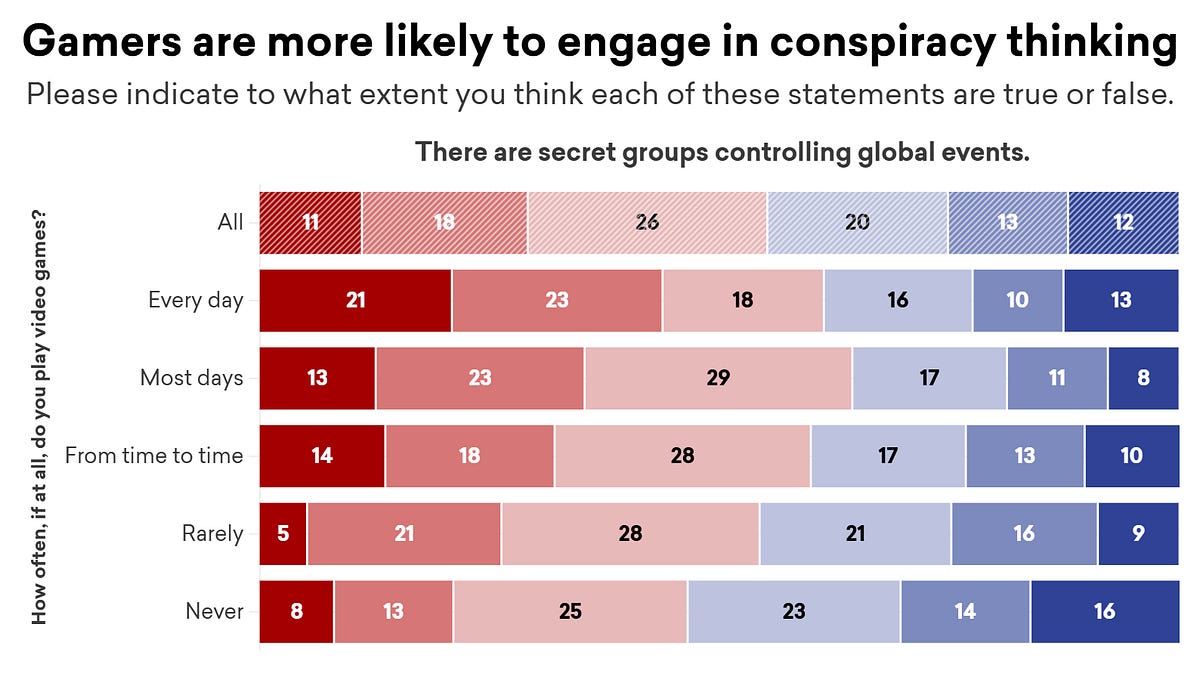
The study demonstrates that young male gamers aged 16‑24 in the UK are twice as likely to endorse conspiracy theories compared with the broader population, even though they report being four times more confident in detecting misinformation. A survey of 2,000 respondents identified a “Sceptical Scrollers” segment—low‑income, urban men who distrust mainstream media and instead consume news through YouTube, podcasts, and gaming channels. This demographic’s reliance on the digital ecosystem surrounding video games amplifies exposure to false narratives, making conventional educational interventions less effective.
The research argues that the very aspects of gaming that provide community and a sense of agency can also be harnessed to counter misinformation. By treating games as a distinct information ecosystem, developers and industry stakeholders can create engaging titles that encourage critical thinking without sounding didactic. Campaigns aimed at contesting conspiratorial content within gaming communities are recommended to help “Sceptical Scrollers” reconnect with broader societal discourse and reduce their vulnerability to falsehoods.
Overall, the report covers the United Kingdom, focuses on the 16‑24 male gamer segment, and spans a contemporary time frame. It concludes that targeted, game‑centric strategies are essential for mitigating conspiracy belief among this influential demographic group.
The article argues that the United Kingdom’s proposed social‑media ban for children under 16 and for 16‑ to 17‑year‑olds is an ill‑conceived, rushed policy that will do more harm than good. It contends that the ban reflects a failure to engage digital natives and to implement nuanced safeguards, ultimately punishing children for broader systemic shortcomings. The piece calls for a graduated approach with targeted restrictions rather than an outright prohibition.
Key findings show that parents and teens overwhelmingly favour a more measured strategy. Surveys from Savanta indicate strong support for age‑layered platforms and parent‑guided access, while academic critiques highlight the lack of evidence that a blanket ban would protect young users. The article also points out that 57 % of teenagers rely on social media for news, suggesting that exclusion could reduce their engagement with reliable information sources and leave them more vulnerable to hostile actors.
The analysis covers the UK’s policy proposals for both under‑16s and 16‑to‑17‑year‑olds, drawing on consultations, polling data, and academic literature. It concludes that a balanced approach—combining public education campaigns, age‑layered platforms such as Roblox, and parental controls—would better safeguard youth while preserving digital literacy.
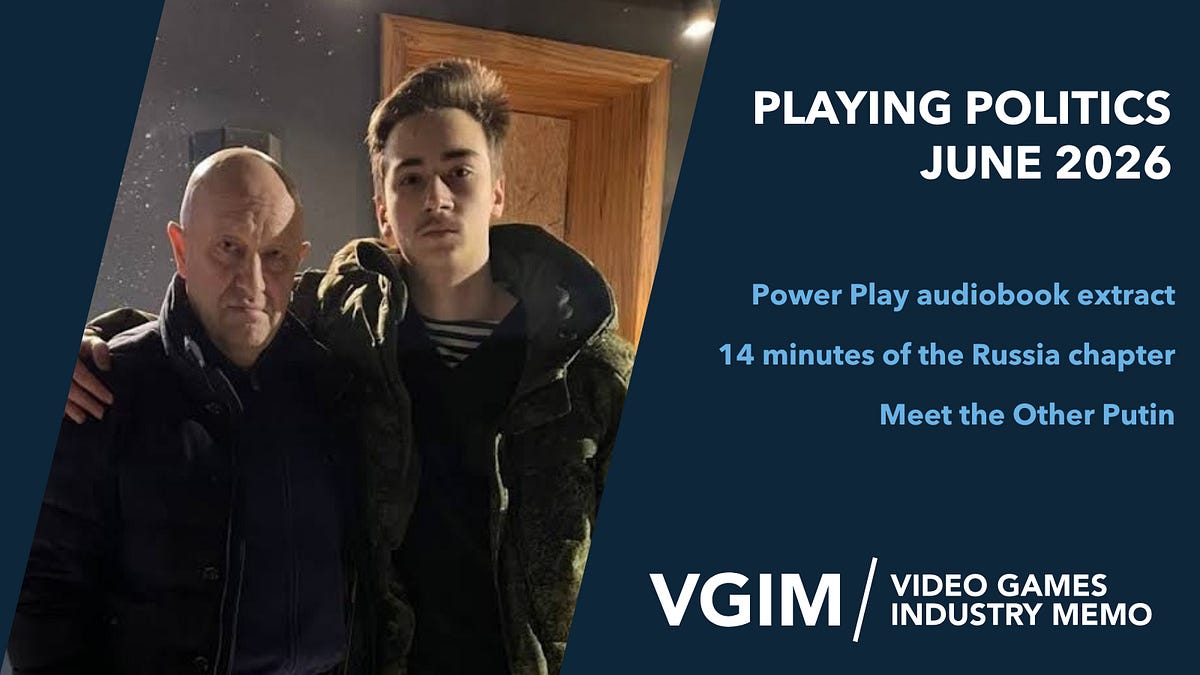
The piece serves as a promotional preview for George E. Osborn’s forthcoming audiobook, Power Play, released on major platforms such as Audible and Spotify. The author explains that the audiobook, condensed to twelve and a half hours from an original manuscript, will launch on Thursday. To generate interest among Video Games Industry Memo (VGIM) Insiders, Osborn offers a 14‑minute exclusive extract from Chapter 6, titled “Nothing is True and Everything is Playable.” The excerpt focuses on a satirical narrative involving a video‑game YouTuber named Grisha Putin and real‑world figures, illustrating the book’s blend of gaming culture with contemporary political commentary.
The article outlines the production process: a four‑day recording session in London, during which Osborn read the entire book aloud. The narrative tone is informal and engaging, with frequent references to tea, biscuits, and the author’s British accent. Osborn invites readers to join VGIM as insiders using a discount code, highlighting the value of early access and community engagement.
The content is targeted at industry professionals and enthusiasts who follow VGIM’s coverage of gaming trends, political intersections, and media production. By positioning the audiobook as a “power play” within the gaming‑politics nexus, Osborn aims to attract listeners who appreciate critical analysis of how video games intersect with broader cultural and political narratives.
The analysis demonstrates a worldwide escalation of censorship targeting LGBTQ+ content in video games, driven by state regulation, platform moderation and industry self‑censorship. Opaque legal frameworks in China, Russia and Saudi Arabia permit broad bans on queer themes, while storefronts such as Steam and itch.io routinely remove titles through blunt moderation. Developers frequently tone down or erase LGBTQ+ representation to secure access to lucrative markets, creating a chilling effect that silences queer voices and diminishes discoverability and commercial viability.
Self‑censorship is amplified by bottom‑up pressure campaigns, exemplified by Riot’s removal of an LGBTQ+ character to enter China and Turkey, the harassment of Sweet Baby Inc. creators on Steam, and widespread online hate that has affected 52 % of LGBTQ+ players. These actions not only suppress local expression but also risk establishing global norms that normalize censorship, as platform policies and market incentives spread across borders.
The findings underscore the need for stronger safeguards of free expression, enhanced digital literacy, and more transparent platform moderation. Protecting queer creators and players requires coordinated efforts from regulators, industry stakeholders and civil society to counteract the pervasive influence of authoritarian control over cultural content in the gaming sector.
The article examines the European video‑games industry’s lobbying efforts in Brussels amid a tightening regulatory environment. It highlights the annual event hosted by Video Games Europe and the European Games Developer Federation, where industry leaders meet EU policymakers to discuss the Digital Fairness Act, Consumer Protection Cooperation Network in‑game currency principles, and social media bans that could affect games. The piece underscores the sector’s strategy of balancing growth with compliance, noting that regulators remain skeptical.
King’s “Mobile Matters” report is cited as a key economic argument, quantifying the mobile games sector’s €5.89 bn contribution to the EU economy and 63,000 jobs, with particular strength in Finland, Sweden, Spain, and Ireland. The report urges careful regulation to avoid stifling a dynamic creative industry that competes with China and Turkey. The article also reports on the industry’s push to distinguish games from social media, advocating for mandatory EU‑wide age‑rating systems and enhanced parental controls to address concerns over minors’ exposure.
The narrative includes a debate over the Consumer Protection Cooperation principles, where industry representatives warned that enforcement could disrupt gameplay with frequent pop‑ups. A final session praised the sector’s supply‑chain value and called for a continent‑wide strategy to counter global competition. Overall, the article portrays an industry actively engaging policymakers while navigating a complex regulatory landscape that threatens to reshape its economic and cultural influence across Europe.
The May 2026 edition of The Debrief serves as a monthly synthesis of significant developments, corporate maneuvers, and cultural trends within the global video game industry. The publication aims to provide industry professionals with a concise overview of the primary factors influencing market conditions and business operations as of mid-2026.
Key findings center on hardware manufacturing challenges and strategic corporate realignments. A notable development is the upward pressure on pricing for the upcoming Switch 2 console, driven by industry-wide supply chain constraints regarding random-access memory, colloquially referred to as RAMaggedon. Additionally, the industry is witnessing significant corporate evolution, exemplified by the rebranding of CCP into Fenris Creations, a transition supported by a strategic partnership with DeepMind.
Beyond hardware and corporate restructuring, the industry is seeing increased engagement with unconventional marketing and cultural initiatives. This is highlighted by the emergence of Secret Handshake’s arcade pop-up, which has become a focal point of critical discourse. These developments underscore a broader trend of firms navigating complex supply chain environments while simultaneously exploring new avenues for brand identity and public interaction. The coverage reflects a snapshot of the global games business, emphasizing the intersection of technical hardware limitations and creative corporate strategy.
The article explains why the Esports World Cup, originally slated for Riyadh in 2026, has been relocated to Paris. The decision stems from a combination of geopolitical concerns and strategic expansion goals. Saudi officials cited “regional safety” as the primary reason, noting that ongoing tensions in the Gulf—particularly the Iran‑Saudi conflict—raise security worries for international participants. Simultaneously, the Esports Foundation’s chief games officer highlighted a broader ambition to rotate the event globally, positioning Paris as an ideal host due to strong governmental support, streamlined visa processes, and robust infrastructure. French President Emmanuel Macron’s endorsement further accelerated the move, offering unmatched logistical assistance that Saudi Arabia could not match. The $75 million prize pool and the tournament’s global Road to the World Cup series ensure that the event remains a central pillar of the esports calendar regardless of location. Analysts suggest that while Saudi Arabia’s soft‑power strategy may be recalibrated, the relocation does not signal a retreat from esports investment; instead, it reflects a pragmatic shift to maintain safety and global relevance. The move also underscores Paris’s emerging status as an esports hub, with recent major tournaments and a proven capacity for large‑scale events. Overall, the Paris relocation balances geopolitical prudence with strategic growth, preserving the World Cup’s prestige while adapting to regional dynamics.
The article examines the rise of antisemitic hate within global video‑game ecosystems and introduces a new assessment tool developed by the Anti‑Defamation League (ADL). It highlights alarming real‑world statistics, noting 15 antisemitic murders in Sydney and record‑high assaults reported by the ADL in 2025, underscoring a broader trend of increasing hate crimes. Within gaming, the ADL’s 2024 report identified 1.8 million instances of hateful content on Steam, including extremist groups and Nazi‑themed avatars, prompting criticism of Valve’s moderation practices.
To address this gap, the ADL launched an Online Gaming Leaderboard that rates ten popular multiplayer titles on policies and in‑game tools designed to curb antisemitism. The scoring framework evaluates eight criteria across two categories: policy measures (e.g., explicit hate‑free codes of conduct, escalation plans to law enforcement) and technical tools (e.g., username filtering for “Killzionists” or “murderIsraelis,” blocking, muting, and reporting efficacy). The leaderboard assigns traffic‑light ratings—green for Advanced Protections (Fortnite, Call of Duty, Minecraft, GTA Online), amber for Moderate Protections (Roblox, Madden NFL, Valorant, Clash Royale), and red for Limited Protections (Counter‑Strike 2, PUBG).
The ADL reports that games with mature violent content often implement stronger safeguards than platforms perceived as more family‑friendly, and that many developers respond positively to the findings. The initiative aims to expand coverage beyond antisemitism, encouraging broader industry dialogue on digital safety and highlighting the potential of civil society to influence game design.
The article examines how the recent Labour leadership crisis in the United Kingdom could influence the domestic video‑game sector. It argues that political instability may delay or alter policy decisions affecting industry regulation, taxation, and funding for creative enterprises. The piece highlights that the UK government’s stance on digital content, data protection, and intellectual‑property law is currently in flux, potentially creating uncertainty for developers, publishers, and investors. It notes that the industry’s lobbying efforts could be hampered by a fragmented political landscape, with key stakeholders uncertain about which officials will ultimately shape future legislation.
Key observations include the potential impact on the UK’s competitive position relative to European and global markets, especially as other jurisdictions may accelerate supportive measures for game developers. The article cites recent statements from industry bodies that express concern over possible delays in the implementation of a proposed digital‑content tax and the uncertainty surrounding the UK’s post‑Brexit trade agreements. It also references a memorandum of understanding between Roblox and Saudi-backed Savvy Games, suggesting that international partnerships may become more critical if domestic policy support wanes.
The scope is limited to the United Kingdom, covering political developments up to May 2026 and their implications for the video‑game industry. The author relies on qualitative analysis of political statements, industry commentary, and recent partnership announcements rather than quantitative data. The conclusion urges stakeholders to monitor the political process closely, engage proactively with emerging leaders, and diversify international collaborations to mitigate potential risks arising from the Labour leadership crisis.
The release outlines the latest financial performance of major video‑game companies for Spring 2026, emphasizing a sector under pressure from geopolitical shifts and AI‑driven hardware demand. Console makers such as Microsoft’s Xbox, Nintendo, and Sony report declining revenues: Xbox content and services fell 5 % YoY with a 33 % drop in hardware sales, Nintendo’s net sales hit $14.6 bn despite Switch 2 success but saw a 7 % share‑price decline after price hikes, and Sony’s Games & Network Services posted flat net sales of $29.9 bn with a 6 % revenue forecast drop for the next year, partly due to Bungie impairment losses.
In contrast, Tencent’s Value‑Add Services division grew 16 % YoY to $54.3 bn, driven by AI‑enhanced content production and strong domestic titles such as Honor of Kings. Capcom achieved record net sales of $1.24 bn, while Pearl Abyss saw a five‑fold revenue jump to $210.6 m in Q1 from its new title Crimson Desert. Electronic Arts recorded a modest 1 % revenue increase to $7.53 bn, with net bookings up 9 %, and Roblox reported a 35 % rise in daily active users to 132 m, though net loss widened due to increased trust and safety spend.
The report notes that console hardware costs are rising, pushing the sector toward higher‑margin prestige products, while growth increasingly centers on low‑barrier platforms and China’s expanding market. The analysis concludes that companies must sharpen their value propositions to navigate technology disruptions, geopolitical uncertainty, and shifting consumer expectations.
The VGIM Business Breakfast is scheduled for Wednesday 15 July at Loading Bar in Brighton, running from 8:30 am to 10:00 am. Sponsored by PXN, the event focuses on how publishers differentiate themselves in a competitive market and what that means for developers seeking funding. The agenda includes a panel discussion with industry leaders: Harvey Elliott (CEO, PlayStack), Joe Robinson (Communications Director, Hooded Horse), Ariel Pai (Senior Product Scout and Business Development Manager, PQube), and Olly McGowan (Chief Technology Officer, PXN). The session will explore current publishing trends, storytelling strategies used by publishers to engage developers, and practical insights for developers looking to secure investment.
Attendees will receive breakfast pastries, warm beverages, and cold drinks. The host, George E. Osborn, will also be available to sign copies of his book “Power Play” until 11 am. Registration is free and can be completed via the provided ticketing link.
The event targets professionals within the video‑game publishing sector, offering networking opportunities and industry knowledge sharing. It is part of VGIM’s ongoing series of business breakfasts aimed at fostering dialogue between publishers and developers in the UK gaming community.
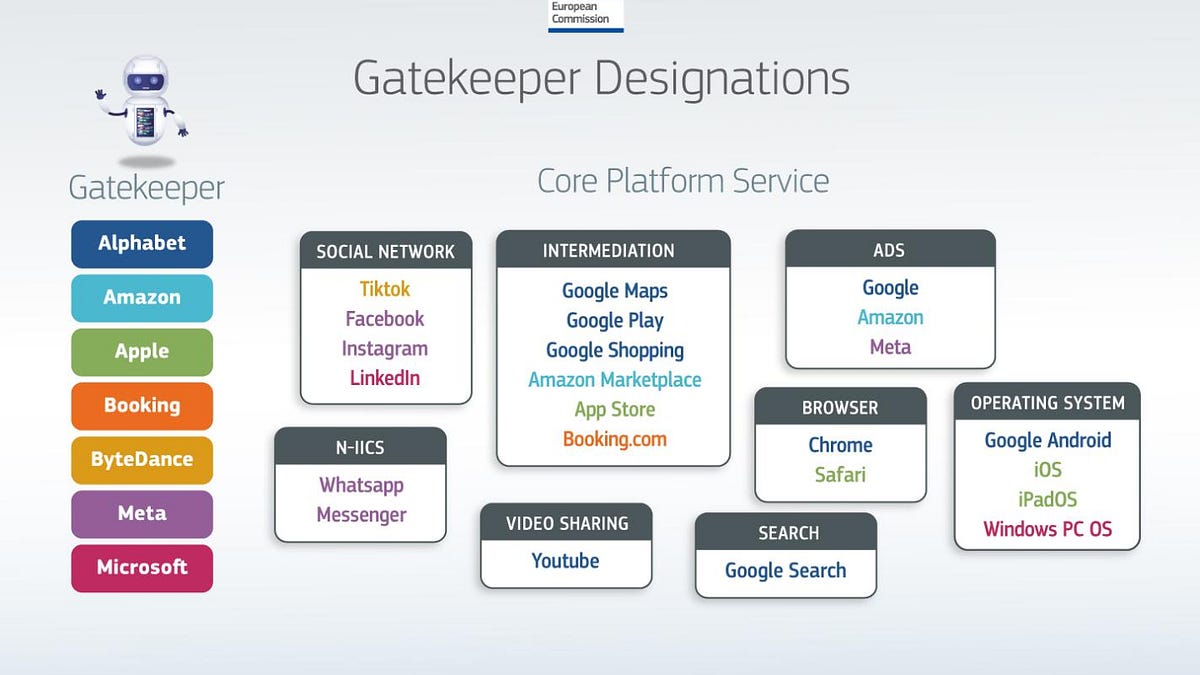
The article evaluates the European Commission’s first three‑year review of the Digital Markets Act (DMA), focusing on its impact for the video‑game sector. The DMA, enacted in 2023, targets “gatekeeper” platforms—Alphabet, Amazon, Apple, Booking, ByteDance, Meta and Microsoft—to curb anti‑competitive practices in core services such as app stores, advertising, social media discovery and operating systems. The review, released 28 April 2026, claims the DMA remains fit for purpose and has opened new opportunities for businesses and developers. It cites increased availability of alternative browsers and app stores, greater transparency in advertising costs, and enforcement actions that prevented Apple and Google from blocking customer steering to third‑party stores.
However, the assessment acknowledges limited measurable gains for game developers. While Fortnite’s return to iOS stores and broader direct‑to‑consumer pathways illustrate some benefits, industry voices such as the European Games Developer Federation rate enforcement successes modestly and criticize gaps in data portability, lack of coverage for game‑engine gatekeeping, and slow regulatory response. The review notes the DMA has not yet reached full potential, partly because it excludes cloud and AI services that have surged post‑implementation.
Geographically the focus remains on the EU, with implications for global markets that have followed suit in Brazil, Japan, India and the UK. Methodologically, the Commission’s report draws on internal data and stakeholder feedback but remains intentionally vague, mirroring earlier GDPR reviews. The article concludes that while the DMA has nudged competition in gaming, its long‑term effectiveness depends on continued enforcement and expansion to cover emerging digital infrastructure.