The August 24, 2026, edition of the Video Games Industry Memo serves as a comprehensive preview of Gamescom, the prominent international video game trade and consumer event held in Cologne, Germany. The primary thesis highlights the event’s continued growth and resilience within a challenging global market for industry conferences, attributing this success to a hybrid event model, strong community engagement, and an expanding role as a platform for political and social discourse.
Key findings indicate that Gamescom is experiencing record-breaking participation, with over 1,600 registered exhibitors representing 67 countries and 40 national pavilions. The event’s director, Tim Endres, credits the 2019 introduction of the Opening Night Live digital platform as a pivotal factor in the conference's ability to maintain global relevance, noting that digital content has reached 1.1 billion views. Furthermore, the event is increasingly attracting high-level political figures, including the Federal President of Germany, to discuss the cultural and democratic impact of gaming. The conference also serves as the inaugural European host for the Games Done Quick charity event, which supports the "Gaming for Democracy" initiative.
The coverage includes a practical survival guide for attendees, emphasizing logistical advice such as footwear selection, meeting management, and navigating local customs like Kölsch beer consumption. While the event maintains a positive outlook, the analysis notes friction regarding external promotional activities by major industry players, such as Rockstar and Netflix, which coincide with the conference schedule. The information is derived from an interview with the event’s director and community-sourced professional advice, providing a snapshot of the industry's operational landscape as of late August 2026.
The August 2026 edition of the Video Games Industry Memo examines the unintended consequences of the CyberLeek group’s unauthorized disclosure of Grand Theft Auto VI assets. The primary thesis posits that while the leak directly impacts Rockstar Games, the consumer advocacy campaign Stop Killing Games is suffering significant collateral damage. The analysis suggests that the association between the leak and the campaign’s broader objectives creates a challenging environment for the latter’s ongoing advocacy efforts.
The scope of this commentary is centered on the intersection of high-profile industry security breaches and consumer-led regulatory movements within the global video game market. By framing the Stop Killing Games campaign as a victim of the CyberLeek incident, the analysis highlights how external, disruptive events can undermine the credibility and focus of organized consumer movements. The narrative emphasizes that the reputational and political fallout from such leaks can disproportionately affect advocacy groups that rely on public support and clear messaging.
The commentary serves as a professional observation of the current industry climate, noting that the disruption caused by the CyberLeek group has created a complex crossfire that complicates the strategic goals of consumer activists. By situating these events within the context of the lead-up to the gamescom industry event, the analysis underscores the volatility of the current gaming landscape and the difficulty of maintaining a consistent advocacy agenda amidst high-stakes security incidents.
The August 20, 2026, edition of the Video Games Industry Memo serves as a curated guide to essential voices in contemporary games journalism. The primary thesis posits that high-quality, independent reporting remains a vital check on industry power, even as the broader media landscape faces significant consolidation and economic instability. By highlighting specific journalists who excel at investigative work, regional coverage, and community-focused reporting, the analysis emphasizes the necessity of maintaining diverse perspectives to navigate the complexities of the global video game business.
The selection highlights five journalists—Chris Kerr, Nicole Carpenter, Isa Muhammad, Matthew Reynolds, and Mikhail Klimentov—noting their specific contributions to the field. These individuals are recognized for their ability to break news, hold corporations accountable, and provide nuanced reporting on under-covered areas such as the Middle East and niche gaming communities. The analysis suggests that the future of effective consumer games media may lie in specialized, writer-led outlets that operate outside traditional institutional constraints, mirroring the growth of independent, subscription-based local news services.
Beyond these profiles, the document provides a broader industry update, covering significant developments as of August 2026. Key data points include the postponement of the Esports Nations Cup to 2027 due to regional instability, ongoing legal disputes regarding Apple’s App Store fee structures, and a U.S. Senate investigation into Roblox concerning child safety and platform engagement metrics. The scope of the coverage is global, reflecting the interconnected nature of the industry, and serves as a professional resource for stakeholders seeking to understand the evolving intersection of video game business, policy, and media.
The Public Investment Fund’s (PIF) $55 billion acquisition of Electronic Arts (EA) represents a significant shift in Saudi Arabia’s soft power strategy, moving from direct investment in traditional sports to the digital recreation of those sports. With the deal nearing completion following regulatory clearance from the European Commission, the PIF will acquire a 93.4% stake in the publisher. This leveraged buyout, supported by $20 billion in debt financing from J.P. Morgan, is expected to necessitate business restructuring, including potential layoffs and a focus on core revenue drivers like sports titles, service-based shooters, and The Sims.
The acquisition aligns with Saudi Arabia’s national gaming and esports strategy, which aims to generate £10 billion in economic value and support 39,000 jobs. By securing a publisher with established esports credentials and a massive global footprint, the state gains a powerful tool to influence information ecosystems surrounding professional sports. Unlike traditional sporting investments, which have faced scrutiny and recent funding cutbacks, video games offer a more subtle, deeply entrenched method of engagement with global fandoms, leagues, and athletes.
This strategic pivot reflects a broader transition in how the state projects influence. While direct backing for entities like LIV Golf and various football clubs has waned due to financial constraints and institutional resistance, the ownership of EA provides a direct, persistent connection to the world’s most popular sports. By controlling the digital platforms where these sports are played and discussed, the PIF secures a long-term soft power asset capable of reaching billions of users, effectively bypassing the barriers encountered in traditional sporting institutions.
The July 2026 industry update highlights significant structural and financial shifts within the global video game sector. The primary focus centers on large-scale workforce reductions, major international acquisition activity, and record-breaking platform performance, illustrating a period of intense volatility and growth for major industry stakeholders.
A critical development is the announcement of 3,200 job cuts at Microsoft’s Xbox division, signaling ongoing instability in the console and development space. Simultaneously, the industry landscape is shifting through consolidation, as the European Union has granted regulatory approval for the acquisition of Electronic Arts by Saudi Arabia’s Public Investment Fund. These events underscore a broader trend of corporate restructuring and the increasing influence of sovereign wealth in the gaming market.
Despite these organizational disruptions, the digital distribution sector continues to demonstrate robust financial health. Steam reported record-breaking performance for the first half of 2026, generating $11 billion in revenue. This figure highlights the continued dominance of PC storefronts and suggests that while individual publishers face internal challenges, consumer spending on digital platforms remains exceptionally strong. These findings collectively reflect a bifurcated industry environment characterized by aggressive cost-cutting measures at major hardware manufacturers and sustained, high-volume revenue generation within digital distribution ecosystems.
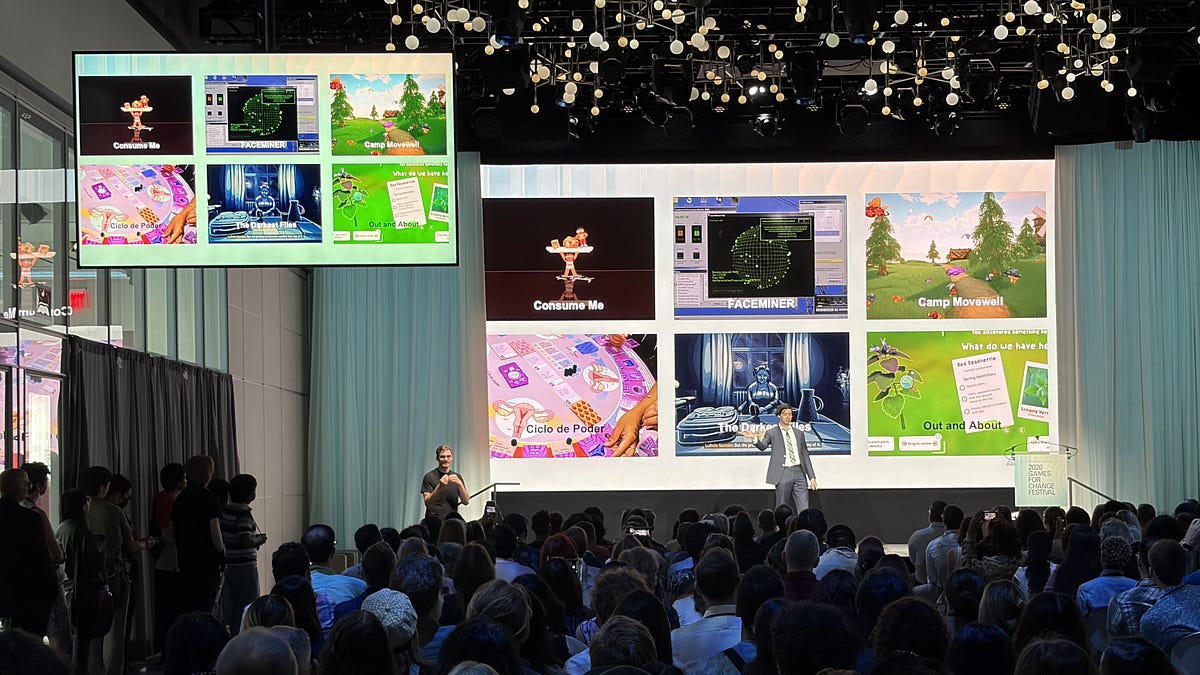
The 23rd annual Games for Change Festival, held in New York City in July 2026, served as a focal point for examining the intersection of video games, social impact, and civic engagement. The event highlighted the industry’s potential to drive progress in sectors such as healthcare, environmental modeling, and urban planning. A central thesis of the gathering was that "playful politics"—the use of games and gamified community engagement—acts as a powerful tool for fostering social cohesion and addressing complex societal challenges, ranging from prison rehabilitation to parental education.
Key findings from the festival underscored a shift in how games are utilized for educational and social purposes. Notably, platforms like Roblox are increasingly challenging Minecraft’s dominance as the primary environment for grassroots, impactful, and educational game development. Furthermore, research presented at the event demonstrated that tabletop gaming can effectively reduce recidivism in prison populations by breaking down social and racial barriers. Despite these successes, the industry faces a significant challenge regarding corporate social responsibility; attendees noted that recent job cuts and funding constraints have eroded the sector's ability to support social impact initiatives, leaving a reliance on a small number of major corporate players.
The scope of the analysis covers the North American games industry landscape as of mid-2026, with additional commentary on UK political developments and global market trends. The insights are derived from direct observation of the festival’s sessions, industry white papers, and broader market data, including reports on workforce demographics and digital sales forecasts. The overarching conclusion is that while the transformative power of games is widely recognized by developers and civil society, the industry must transition from an economically mature sector to a culturally mature one by prioritizing consistent investment and proactive storytelling to secure its role in societal change.
The non-fiction book titled Power Play: Video Games, Politics, and the Battle for Global Influence, authored by George E. Osborn, officially launched in the North American market on July 21, 2026. Published by Prometheus, the work examines the intersection of video games, contemporary politics, and global power dynamics. The primary thesis posits that video games have evolved into significant, yet under-examined, political arenas that influence modern societal expectations regarding free speech, civil rights, and international relations.
The book has garnered critical attention from various industry experts, academics, and writers, who characterize it as an essential analysis of how digital gaming networks have become politically consequential. Notable endorsements highlight the author’s argument that political entities, particularly those on the right, have been more effective than their counterparts in leveraging the influence of gaming culture. Furthermore, the text explores the role of games in shaping major historical and political events, positioning them as the modern equivalent of historical coffee houses for discourse and influence.
The release covers the United States, Canada, and Puerto Rico, with availability through major online retailers and physical bookstores. To support the launch, the author scheduled promotional appearances and book signings in New York City, specifically at the Games for Change Festival and the Thriving in Games Group’s Digital Salon. The book has also received recognition from Amazon’s editorial team, which selected it as a top non-fiction pick for the month of July 2026.
The July 2026 edition of the Video Games Industry Memo, titled Playing Politics, examines the strategic shortcomings of the United Kingdom’s video games sector regarding its political engagement and institutional presence. The central thesis posits that the industry currently lacks sufficient influence in national policy circles, a deficit attributed to a culture of excessive secrecy and a failure to adequately fund and support its own representative institutions.
The analysis highlights that the industry’s growth is increasingly tethered to regulatory developments, specifically noting that Ofcom is preparing to implement more stringent requirements for age assurance technology. This shift underscores the necessity for the sector to move beyond its insular tendencies and engage more proactively with government bodies to shape the regulatory landscape. By failing to invest in robust institutional advocacy, the industry risks being reactive rather than influential in the face of tightening oversight.
The scope of this assessment is focused on the UK video games market as of mid-2026. The commentary serves as a call to action for industry stakeholders to prioritize collective institutional funding and transparency as essential tools for long-term political efficacy. By shifting away from secretive operational models, the sector is encouraged to adopt a more collaborative approach to ensure its interests are effectively represented in the evolving legislative environment.
The video game industry is currently navigating a phenomenon known as the content crush, characterized by an overwhelming volume of new releases that complicates market entry for developers and publishers alike. In 2025, the market saw thousands of console releases, nearly 20,000 titles on Steam, and approximately 225,000 mobile games, with millions of experiences appearing on platforms like Roblox. This saturation, coupled with consumer constraints on time and disposable income, has created a challenging environment for securing publishing deals and achieving commercial success.
Insights from industry experts at PQube, Hooded Horse, and PlayStack suggest that while the market is crowded, the number of truly competitive, high-quality releases is significantly lower than the total volume might imply. Publishers remain actively interested in signing new titles for 2027 and 2028, though they are increasingly cautious with budgets, often favoring projects requiring less than $500,000. Contrary to common industry assumptions, publishers do not prioritize massive pre-existing social media followings or Discord communities when evaluating potential signings. Instead, they emphasize the importance of clear, concise, and memorable pitches that demonstrate an instantly understandable hook.
To stand out in this landscape, developers are encouraged to focus on innovation through genre-blending, which can create unique value propositions. The consensus among industry professionals is that while discoverability is a primary hurdle, long-term success relies on resonance and memorability. By prioritizing strong, simple storytelling and distinct creative concepts, developers can better position their titles to capture attention despite the intense competition. This analytical perspective highlights a shift toward more disciplined, quality-focused development and publishing strategies in a matured, high-volume market.
As of July 2026, Xbox has initiated a significant strategic reset in response to persistent financial underperformance and the failure of its long-term Game Pass subscription model. The company announced a reduction of 3,200 staff members, with layoffs impacting major studios such as Obsidian, id Software, and the team behind The Elder Scrolls Online. Furthermore, the organization is divesting five game businesses, including the spin-out of Double Fine and Compulsion Games, and the sale of Ninja Theory and Undead Labs, while Arkane Studios faces a complex divestment process due to regional labor regulations.
The core thesis behind this restructuring is that the previous business model was fundamentally unsustainable, characterized by high operational costs and margins significantly lower than industry peers. The Game Pass strategy, intended to function as a Netflix-style service, failed to reach its 70-million-subscriber target, stagnating at 30 million. This shortfall, compounded by a hardware install base of 35 million units compared to the PlayStation 5’s 94 million, led to cannibalization of premium sales, exemplified by a $300 million loss on the launch of Call of Duty as a day-one subscription title.
External economic pressures have further exacerbated these internal failures. Microsoft’s massive capital allocation toward AI infrastructure has increased operational costs, while the broader console market has reached maturity, limiting growth. Additionally, the shift in the industry’s center of gravity toward Asian markets and the rise of agile, cost-effective development hubs have left Xbox’s traditional, high-budget premium model increasingly vulnerable. The new leadership aims to streamline operations by consolidating around core intellectual properties like Minecraft and Candy Crush, though the feasibility of this transition remains uncertain given the structural and market-based challenges facing the brand.
Italy’s independent video‑game sector has experienced a rapid expansion, with the number of studios rising from 48 in 2012 to more than 200 by 2024. Key creative hubs have emerged in Turin, Milan and Bologna, positioning the country as a notable source of “punk”‑style innovation in racing, horror and narrative experimentation. Despite the modest size of the domestic market—estimated at €2.4 bn in consumer value and an economic impact of €180‑200 m—the sector’s distinctive creativity has attracted significant interest from international publishers, who report high success rates on pitches and view Italian titles as strong candidates for global distribution.
The growth of the indie scene is, however, constrained by a restrictive fiscal environment. A 25 % tax credit capped at €1 million per project and a total annual ceiling of €12 million has supported only 90 companies on 140 projects, totaling €50 m in incentives. This is starkly lower than the UK’s £327 m spend in a single year, underscoring a substantial gap in public support. The limited funding is compounded by skill shortages and a prevalence of hobbyist developers who lack commercial or business expertise, limiting the sector’s ability to convert creative talent into sustainable, globally competitive products.
To unlock Italy’s indie potential, targeted public funding and business‑education initiatives are essential. Expanding the tax credit framework, increasing the annual ceiling, and providing accessible grants or low‑interest loans would help bridge the skill gap and enable more studios to scale. With such measures, Italy could transform its vibrant creative output into a robust contributor to the global gaming economy.
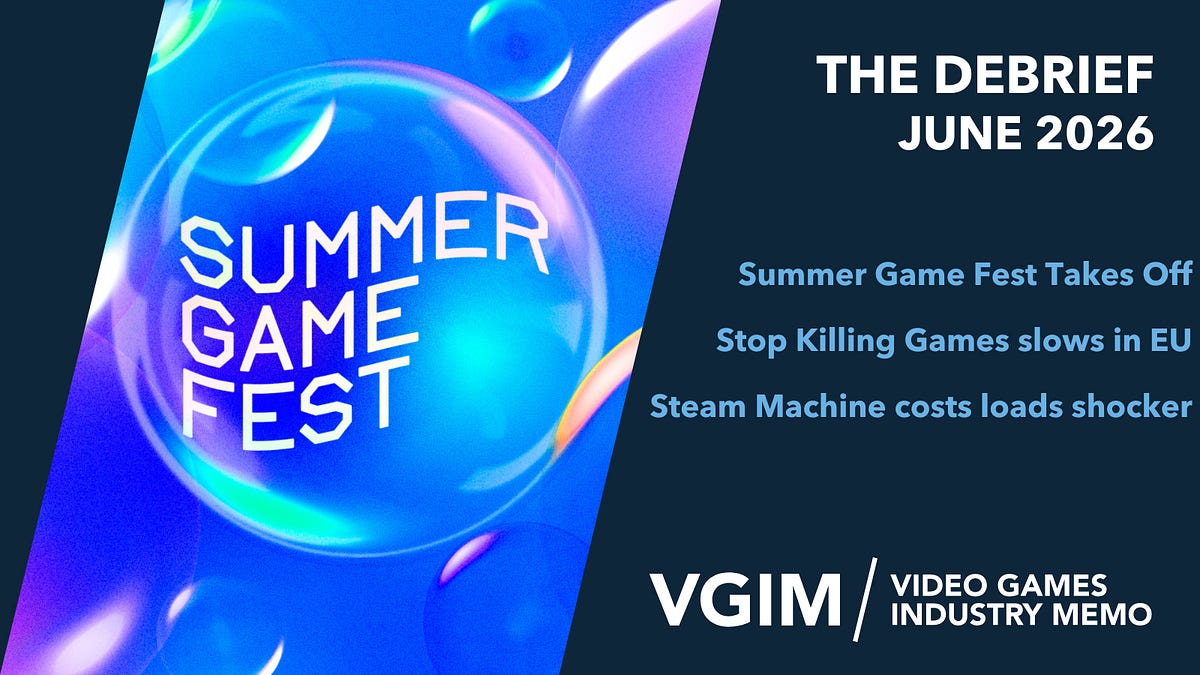
The June 2026 industry update serves as a high-level digest of significant developments within the global video game sector. The primary purpose of the summary is to synthesize major market milestones, event highlights, and cultural critiques that defined the industry landscape during the mid-year period.
A central finding highlighted in the update is the continued financial expansion of the global games market, which reached a valuation exceeding $200 billion in 2025 according to data from Newzoo. This milestone underscores the sustained growth and economic scale of the interactive entertainment industry. Beyond financial metrics, the update notes the high volume of content output, specifically referencing the unveiling of hundreds of new titles during the Summer Game Fest, which continues to serve as a primary venue for industry-wide product announcements.
The scope of the analysis is global, focusing on the broader trends shaping the industry throughout the first half of 2026. In addition to market data and event coverage, the update touches upon critical discourse surrounding consumer rights and historical retrospectives, such as the evaluation of legacy World Cup-themed titles. By combining macroeconomic data with event-based reporting and cultural commentary, the update provides a snapshot of the current state of the gaming industry, reflecting both its commercial success and its ongoing engagement with historical and consumer-facing issues.