The 2024 PC game market analysis provides a granular look at the revenue distribution and competitive landscape for new releases on Steam. By examining the performance of approximately 18,900 titles released throughout the year, the data illustrates a stark hierarchy in commercial success. While the top 25 new games generated $33.5 million or more in gross revenue, the #100 ranked title earned $5 million, and the #1,000 ranked game grossed $118,000. Notably, the #2,500 ranked game—representing the top 13% of all releases—grossed only $11,000, highlighting the extreme concentration of wealth at the top of the market.
Pricing strategy serves as a key indicator of commercial intent and success. Data shows that games priced at $40 or higher are significantly more likely to reach a $1.43 million gross revenue threshold, with a 62% success rate compared to just 1.7% for titles priced at $4.99 or less. Despite this, the market remains saturated with lower-priced offerings, as nearly 2,700 games released in 2024 were priced below $10. These findings suggest that while higher price points correlate with higher revenue, the vast majority of the market operates in a lower-tier, high-competition environment.
Beyond revenue metrics, the analysis explores the structural dominance of Steam as a platform. Industry observations indicate that even massive entities like Amazon have failed to disrupt Steam’s market position, primarily due to the high switching costs for users who view the platform as an integrated library, social network, and store. This entrenched user behavior, combined with the platform's comprehensive ecosystem, renders it effectively resistant to competition from new entrants, regardless of their size or resources.
The gaming industry in 2025 is characterized by a highly competitive, saturated market, prompting a strategic shift toward identifying "blue ocean" opportunities—untapped market spaces where demand is created rather than contested. While traditional "red ocean" strategies involve competing within established genres, the blue ocean approach focuses on discovering under-developed subgenres or unique gameplay experiences that address unmet player needs. Successful examples, such as PowerWash Simulator and Unpacking, demonstrate that titles offering novel, often casual or ambient experiences can capture significant audiences by appealing to human nature rather than conventional genre tropes.
The transition from a blue ocean to a red ocean is fluid and depends on market saturation. For instance, while Vampire Survivors initially pioneered a new, simplified ARPG experience, the subsequent release of approximately 600 similar titles on Steam over three years has transformed that space into a highly contested red ocean. Developers are advised to evaluate potential projects by assessing the total addressable market, the likelihood of player interest in similar styles, and the current density of direct competitors.
Broader industry data from early 2025 highlights a complex landscape. PlayStation 5 has reached 75 million lifetime shipments, with 40% of recent sales attributed to new users, while Xbox Series X|S estimates suggest a significantly smaller installed base of approximately 29 to 36 million units. Despite a generally cautious investment climate—marked by reports of strategic investors divesting from non-domestic markets—certain sectors remain resilient. Kickstarter saw a 28% increase in funding for video game campaigns in 2024, and major titles like Kingdom Come: Deliverance 2 continue to demonstrate strong commercial performance. Ultimately, the industry remains on a precarious precipice, requiring developers to balance trend awareness with the pursuit of genuine innovation to achieve sustainable success.
The current landscape of indie game publishing is shifting away from the traditional model of building a catalog of mid-to-high-budget titles, which proved successful between 2015 and 2021. In the current saturated market, profitability increasingly requires a more agile, focused approach. This involves identifying and rapidly capitalizing on popular but under-represented genres, prioritizing lower price points, and leveraging gameplay-led concepts that resonate with modern player preferences for shorter, more accessible experiences.
A primary case study for this strategy is Rogue Duck Interactive, a remote-first publisher that has released five titles since March 2024. By focusing on "crystal clear" strategy games priced between $6 and $12, the company has achieved approximately 300,000 units sold and $1.75 million in gross revenue. This model relies on a high-velocity development cycle, where the team avoids perfectionism in favor of rapid iteration and social media-driven virality. Data indicates that for successful titles like Lost But Found, revenue can scale significantly post-launch, with 30-day earnings reaching ten times the initial day-one figures.
Beyond specific publishing strategies, the broader industry continues to navigate platform-specific trends and challenges. Recent data highlights include the organic growth of titles like Subnautica 2 on Steam, the impact of operational outages on major console networks, and the ongoing dominance of established mobile titles. Additionally, streaming analytics for January 2025 reveal that hero shooters and games utilizing "player progress wipes" remain high-engagement drivers. These insights underscore a market environment where success is increasingly tied to platform-specific discovery, community engagement, and the ability to adapt quickly to evolving player consumption habits.
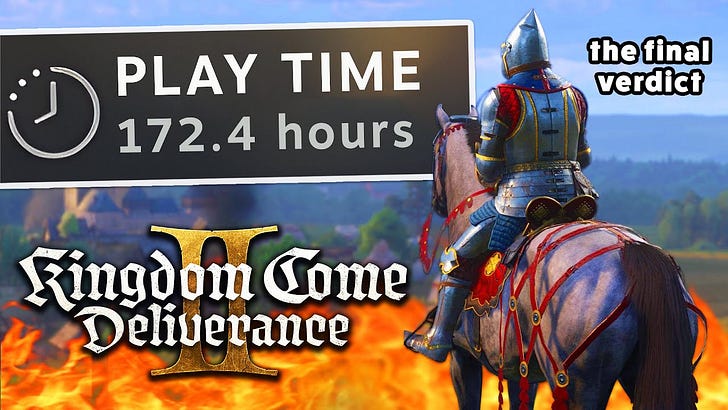
The recent release of the open-world medieval action RPG Kingdom Come: Deliverance II has achieved significant commercial and critical success on Steam. The title launched with a 91% positive review rating, bolstered by praise for its technical stability and lack of bugs at release. Data indicates a strong conversion rate from the existing player base, with 73% of the sequel’s purchasers already owning the original game on the platform. This performance positions the title as a dominant force in recent media coverage, leading industry tracking metrics with over 2,000 mentions.
Beyond this specific launch, the broader gaming landscape is characterized by shifting engagement patterns and platform-specific developments. Analysis of current trends suggests that subscription services face challenges as players increasingly prioritize long-term loyalty to a limited selection of games, typically playing only four to five titles annually despite high monthly engagement hours. Meanwhile, platform holders continue to adjust their strategies; Meta is signaling a move toward supporting free-to-play models on the Quest store, and Roblox continues to see growth in daily active users despite missing analyst expectations.
The industry also faces evolving regulatory and operational hurdles, such as Apple’s requirement for local publishing partners in Vietnam, which mirrors ongoing regional access issues for platforms like Steam. Additionally, developers are navigating new tools and events, including Facepunch’s progress toward a royalty-free licensing agreement for its Source Engine 2-based creator, S&Box, and the announcement of the IICON conference scheduled for 2026. These developments reflect a market that is increasingly focused on high-retention titles, platform-specific ecosystem evolution, and the complexities of global digital distribution.
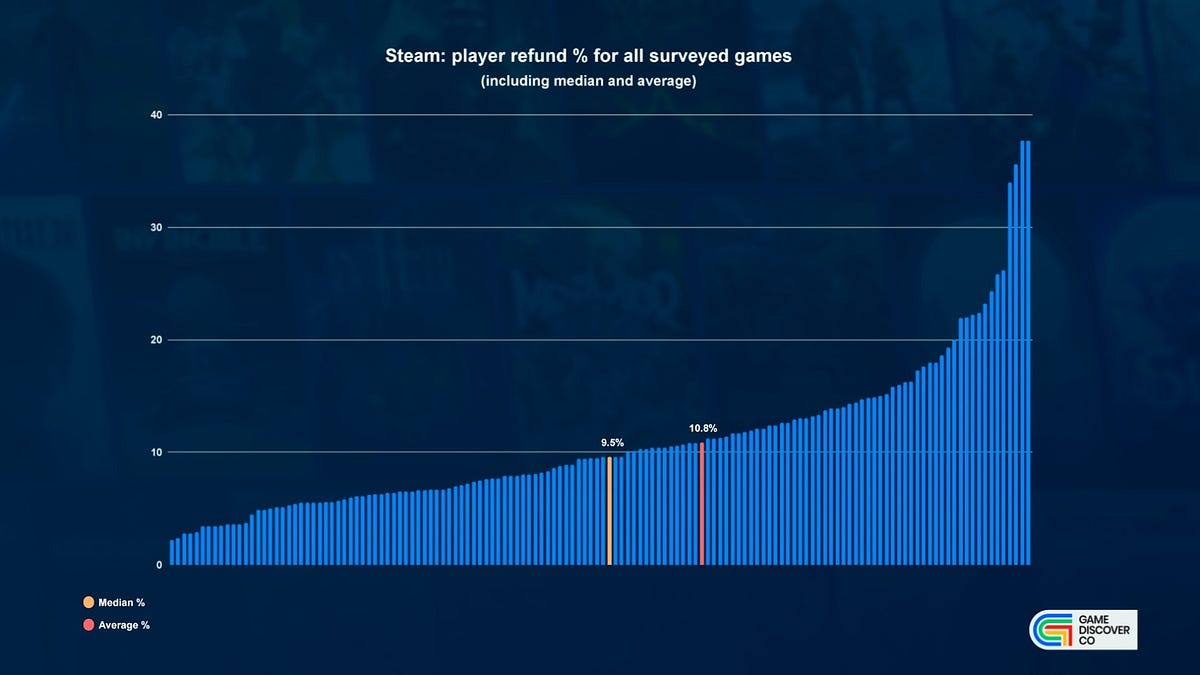
This analysis provides a comprehensive overview of Steam refund benchmarks, derived from a survey of nearly 150 developers and publishers conducted in late 2024 and early 2025. The primary objective is to establish industry-standard expectations for unit refund rates, offering developers a clearer metric for evaluating their game’s performance against broader market trends.
The findings indicate that the median lifetime unit refund rate for Steam games is 9.5%, with an average of 10.8%. These rates vary significantly based on development status: Early Access titles experience higher refund rates, with a median of 12.4%, compared to 8% for standard releases and 10.4% for games that have transitioned out of Early Access. Furthermore, the data highlights clear correlations between refund behavior and game characteristics. Higher price points correlate with increased refund rates, with games priced at $30 or more averaging 11.9% compared to 8% for titles under $5. Additionally, player engagement and sentiment are critical drivers; games with over 50 hours of average playtime see lower refund rates of 7.4%, while titles with high positive review scores (90%+) consistently perform better than those with lower ratings.
Methodologically, the analysis relies on self-reported data from a diverse range of developers, supplemented by algorithmic insights from platform data partners. While the survey provides a robust baseline, it notes that refund rates are influenced by regional factors, such as higher refund activity among Chinese players, and the impact of discounting, which can drive impulse purchases and subsequent returns. Ultimately, the analysis concludes that while refund rates are a vital performance indicator, they are most effectively managed through consistent technical improvements, bug fixes, and the cultivation of a dedicated player base.
The current landscape of the video game industry is characterized by a shift toward profitability-focused strategies, platform diversification, and a highly varied Steam marketplace. While large-scale corporate entities face significant financial headwinds, the broader PC ecosystem continues to demonstrate remarkable content diversity, ranging from niche experimental titles to high-profile releases.
Key industry developments include a pivot in Xbox’s strategy toward maximizing the profitability of its existing game and subscription services, following a 29% decline in hardware sales and a 7% decrease in the Xbox division’s performance despite the Activision Blizzard acquisition. Concurrently, Sony has undergone a leadership transition at Sony Interactive Entertainment and is adjusting its PC strategy by making PlayStation Network account linking optional for certain single-player titles. Market data indicates a long-term contraction in physical software sales, which have dropped by more than 50% since 2021 and remain 85% below their 2008 peak.
Platform-specific insights highlight that Steam remains a vital hub for discovery, with recent data showing a median launch-month conversion rate of 0.15x from wishlists to sales. This reflects a 34% increase over first-week sales, though this long-tail effect has moderated compared to 2020 figures. Additionally, the industry is seeing a move toward multi-platform releases, such as the expansion of Forza Horizon 5 to PlayStation, and a continued focus on professional development through initiatives like the upcoming GDC 2025 lecture series. These trends collectively underscore a market that is increasingly reliant on digital engagement, service-based revenue models, and strategic cross-platform accessibility to navigate a challenging economic environment.
The roguelike deckbuilder Dungeon Clawler achieved significant commercial success following its November 2024 release, selling over 200,000 units within two months. This total comprises 165,000 units on Steam and 80,000 across iOS and Android platforms. Developed by a small team at Stray Fawn, the title has already recouped 500% of its development costs. The game’s performance is attributed to a strong, high-concept hook that blends physics-based claw machine mechanics with traditional roguelike progression, effectively capitalizing on a niche subgenre trend.
The project’s success highlights the efficacy of a "validate, hype, release" strategy. Early interest was driven by participation in industry events like Deck Builder Fest and Steam Next Fest, alongside sustained influencer engagement. The game maintained consistent daily sales volume post-launch, supported by a dedicated 18,000-member Discord community and organic content creation from prominent streamers. Data indicates low refund rates and a healthy median playtime of approximately five hours, suggesting high player satisfaction and engagement.
Beyond the specific case study of Dungeon Clawler, broader industry analysis of 2024 performance marketing reveals that Meta and Google Ads remain the primary channels for paid acquisition, utilized by 75% and 69% of campaigns respectively. While Twitch demonstrates a conversion rate three times higher than other major platforms, influencer sponsorships continue to offer competitive conversion rates of 4.25%. These findings underscore a shift toward scrappier, gameplay-led marketing strategies for independent titles, where targeted community building and influencer-driven visibility are increasingly critical to achieving commercial viability in a crowded marketplace.
This analysis provides an overview of current trends in the video game industry, focusing on platform performance, market shifts, and developer sentiment as of early 2025. The primary objective is to synthesize recent data regarding game discovery, platform strategies, and financial performance across the global gaming landscape.
Key findings indicate a significant shift toward PC development, with 80% of surveyed industry professionals currently working on PC titles, up from 66% in 2024. Financial data for 2024 reveals a slight contraction in the U.S. hardware market, with total spending down 1.1% to $58.7 billion, and a notable trend toward digital-only hardware, as nearly half of all PlayStation 5 and Xbox Series units sold in December 2024 lacked a physical disc drive. Conversely, investment funding in the fourth quarter of 2024 saw a 22% year-over-year increase.
Platform-specific developments highlight evolving strategies: Epic Games reported $352 million in payouts to Fortnite creators, with non-combat genres like social roleplay and horror gaining significant traction. Meanwhile, Netflix is narrowing its gaming focus to narrative, party, and established intellectual properties. Industry sentiment, captured via GDC survey data, reflects a persistent focus on live-service elements, with one-third of developers incorporating these features into their projects.
The scope of these insights covers the global gaming industry with a specific emphasis on the North American market and the Steam ecosystem. The data is derived from a variety of sources, including industry reports from Circana, InvestGame, and GDC, as well as platform-specific performance metrics and corporate announcements. These findings underscore a broader industry transition toward digital distribution, platform-agnostic development, and the increasing importance of user-generated content ecosystems.
The question of whether a specific month provides a strategic advantage for releasing video games is a persistent concern for developers, yet data suggests that no universal "best" release window exists. While historical industry practices were dictated by retail shelf space, the modern digital landscape—particularly on platforms like Steam—has rendered traditional seasonal timing less critical. The primary thesis is that a game’s success is driven far more by its inherent virality, popularity, and marketing hooks than by the specific calendar month of its launch.
Analysis of Steam data from 2023 and 2024 reveals distinct seasonal patterns in market activity. Autumn months, specifically September through November, represent the busiest periods for new releases, while December and January are historically the quietest. Although some months show higher revenue potential for top-tier titles, these figures are often skewed by massive outliers. When comparing launch month revenue and pre-release "Hype" scores—an amalgam of wishlists, followers, and forum traffic—there is no clear correlation that guarantees success based on timing.
The research concludes that developers should prioritize avoiding direct competition with major industry events, such as Steam’s quarterly mega-sales, and steer clear of launching simultaneously with direct genre competitors. Ultimately, because every game operates within its own discovery bubble, the decision of when to release is secondary to the quality of the game’s pitch and its ability to engage players. Success stories, such as games launching on holidays, demonstrate that a compelling concept and effective trailer strategy can overcome any perceived disadvantage of a specific release date.
The official confirmation of the Nintendo Switch 2, slated for a 2025 release, signals a strategic pivot toward continuity rather than radical hardware reinvention. By prioritizing backward compatibility and an iterative design, Nintendo is leveraging its established market position and successful expansion into non-gaming media, such as film and theme parks. This approach reflects a shift in corporate philosophy, moving away from the high-risk, complex hardware innovations of the past in favor of a stable, reliable platform ecosystem.
Industry analysts estimate that Nintendo is preparing a supply chain capable of delivering between 10 million and 20 million units within the first year of the console's lifecycle. While this volume is robust, the presence of backward compatibility may temper the initial surge of new software sales compared to previous console launches. Developers are encouraged to target the first six months of the platform's release to maximize visibility, as the market for third-party titles will likely become increasingly competitive as the installed base grows.
The broader gaming landscape remains characterized by significant volatility and contraction. Recent data indicates a 21% decline in European console sales and a 25.4% drop in the Japanese physical console market for 2024, underscoring the urgent industry demand for new hardware. Simultaneously, major publishers are recalibrating their strategies, evidenced by Sony’s cancellation of multiple live-service projects and Microsoft’s ongoing challenges in meeting long-term Game Pass growth targets. These trends highlight a transition period where the industry is grappling with the limitations of current-gen hardware and the shifting preferences of the global gaming audience.
The analysis examines the commercial success of the PC title Songs of Conquest, which achieved 500,000 units sold by May 2024. The primary thesis posits that the game’s success stems from a strategic identification of an underserved niche—specifically, the turn-based strategy subgenre popularized by the Heroes of Might and Magic series. By delivering a high-quality, modern homage to this classic gameplay style while adding unique depth and maintaining a consistent cadence of updates throughout its five-year development and Early Access period, the studio successfully captured a dedicated audience.
The findings emphasize that market positioning is critical for spiritual successors. While the game thrived by addressing a clear demand among core PC gamers, the analysis notes that similar attempts in other genres or for different historical titles may fail if the target demographic is no longer active on the platform. Key operational factors contributing to the game's performance included a small, agile development team, frequent communication with the player base, and the strategic use of post-launch events to drive wishlist growth.
Beyond the specific case study, the analysis provides a broader overview of the 2024 gaming landscape, utilizing proprietary daily active user (DAU) data for PlayStation and Xbox platforms. The data highlights the dominance of evergreen titles like Fortnite and Rocket League, while noting the impact of subscription services like Game Pass on the visibility of Activision Blizzard franchises. The scope of this industry review covers global PC and console markets, focusing on trends in discovery, monetization, and the evolving relationship between developers and their communities.
This analysis provides a broad overview of the video game industry landscape as of early 2025, focusing on market trends, platform performance, and emerging consumer behaviors. The primary objective is to synthesize key data points regarding game discovery, financial performance, and regulatory shifts across global markets. The scope encompasses the PC and console sectors, with specific attention to Steam, PlayStation, and the evolving handheld market, while referencing data from the 2024 calendar year.
Key findings highlight a significant increase in market saturation on Steam, where the percentage of new titles failing to meet basic engagement thresholds—such as earning trading cards or badges—has climbed steadily from 33% in 2018 to 79% in 2024. Financial data underscores the escalating costs of AAA development, with historical figures for major franchises like Call of Duty revealing production budgets reaching as high as $700 million. Meanwhile, the physical retail sector in the United Kingdom experienced a sharp 35% decline in sales during 2024, signaling a continued shift toward digital-first consumption.
The analysis also notes regulatory and platform-specific developments, such as the Chinese government’s approval of 1,416 games in 2024, representing a 31.7% year-over-year increase. Additionally, the report identifies challenges in VR discoverability on Meta Quest platforms due to the prioritization of metaverse-focused applications. These insights are derived from a combination of industry tracking services, court filings, retail data, and platform-specific performance metrics, offering a comprehensive look at the economic and structural pressures currently shaping the global gaming industry.