Article
Blue Prince: Can a Random Puzzle Game Actually Work?
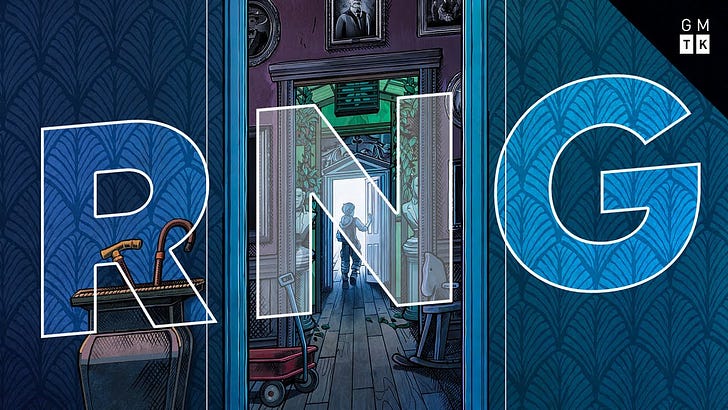
Blue Prince explores the design tension between traditional puzzle-solving mechanics and procedural generation. The core thesis examines whether a game can successfully blend the methodical, logic-based nature of adventure games with the unpredictable, randomized elements of a roguelike. While the game is praised for its innovative concept of drafting a mansion room-by-room, it faces significant criticism regarding how its reliance on random number generation (RNG) can obstruct the player's ability to solve puzzles, often preventing necessary components from appearing in the same session.
The primary design conflict arises because adventure games typically rely on connecting specific clues to specific outcomes. In this title, however, players may possess a solution but lack the required room layout to implement it, leading to frustration, repetitive cycles, and a perceived lack of respect for the player's time. Despite these issues, the procedural approach serves several functions: it increases novelty, enhances the sense of mystery, adds a layer of spatial puzzle-solving, and prevents the stagnation often found in static adventure games by providing fresh layouts upon each reset.
To improve the player experience without removing the core randomization, several design adjustments are proposed. These include implementing an in-game reference system to manage the overwhelming volume of notes and clues, providing more agency to influence the drafting pool of rooms, removing unnecessary time-tracking elements that create artificial pressure, and shifting toward more granular, multi-part goals. Ultimately, while the game succeeds as a creative experiment in genre-blending, the current implementation of its random elements creates barriers that can hinder the satisfaction of the puzzle-solving experience.
- The core design conflict in Blue Prince stems from blending logic-based adventure puzzles with procedural generation, which can prevent necessary components from appearing in a single session.
- Reliance on random number generation (RNG) creates player frustration by decoupling the possession of a solution from the ability to implement it due to restrictive room layouts.
- Procedural generation successfully increases replayability, novelty, and spatial puzzle-solving depth, effectively preventing the stagnation common in static adventure game designs.
- To mitigate RNG-related barriers, designers should implement an in-game reference system to manage complex notes and clues.
- Player agency can be improved by allowing users to influence the drafting pool of rooms and shifting the game structure toward granular, multi-part goals.
+1
Game Maker's ToolkitMay 2025