Game File
Media115 documents
Documents

Article
Saber's Newest Game Trailer Takes a Shot at Gearbox's Boss
The recent debut trailer for Saber Interactive’s upcoming title, Rideshare Stimulator, contains a deliberate, subtle jab at Gearbox Software president Randy Pitchford. The reference appears 63 seconds into the trailer on a Texas license plate reading "USB DRV," accompanied by a cog wheel symbol—a direct allusion to Gearbox’s corporate logo and a past controversy involving a USB drive associated with Pitchford.
Saber Interactive CEO Matt Karch confirmed that the inclusion of the license plate was an act of retaliation. The animosity stems from perceived slights made by Pitchford toward Embracer Group, the former parent company of both Saber and Gearbox. Karch, who remains a vocal defender of Embracer’s management, characterized the reference as a response to negative depictions of the parent company within Gearbox’s Borderlands 4, specifically citing a location in the game titled "Embracer’s Bluff."
The conflict highlights the strained professional relationships resulting from the rapid expansion and subsequent restructuring of the Embracer Group. Following a period of aggressive acquisitions, Embracer divested both studios in 2024, with Saber being sold to an investment entity controlled by Karch and Gearbox being acquired by Take-Two Interactive. While Gearbox has alluded to the "cultural and emotional shift" of trading studio autonomy for corporate organization, Karch maintains that the criticism directed at their former parent company is ungrateful, leading to this public manifestation of industry friction.
- Saber Interactive included a 'USB DRV' license plate reference in its 'Rideshare Stimulator' trailer as a direct jab at Gearbox Software president Randy Pitchford, citing perceived slights against Saber's parent company in 'Borderlands 4'.
- Saber CEO Matt Karch confirmed the reference was intentional retaliation, stating that Gearbox's success is heavily dependent on the Embracer Group's historical support.
- Take-Two Interactive acquired Gearbox from the Embracer Group in a 2024 all-stock deal, while Saber Interactive was simultaneously sold to an investment group controlled by Matt Karch.
- Rockstar Games will debut an 'extended look' at Grand Theft Auto VI on Netflix on August 27, 2026, at 3:00 PM ET, followed by a wider release six hours later.
- Take-Two CEO Strauss Zelnick reported that pre-orders for Grand Theft Auto VI are 'unprecedented' and noted that the company wrote off $43 million in the spring quarter after canceling an unannounced third-party title.
+1
Game FileAug 2026

Article
How PlayStation and Xbox Disc Games Are Made
The manufacturing of physical video game media for PlayStation and Xbox consoles involves a highly regulated, multi-step process managed by platform holders and third-party publishers. As the industry shifts toward digital-first distribution, the production of physical discs has become a specialized logistical operation. This process requires publishers to adhere to strict technical specifications and submission protocols mandated by Sony and Microsoft, ensuring that software is properly formatted and compatible with console hardware before mass replication occurs.
The operational workflow begins with the finalization of game code, which must undergo rigorous quality assurance and certification testing by the platform holders. Once approved, the data is prepared for mastering, a process that involves creating a physical template used to stamp the final retail discs. While Sony and Microsoft maintain distinct internal requirements and logistical quirks regarding how they manage these production pipelines, the overarching objective remains the secure transfer of digital assets onto physical media for global retail distribution.
This analysis is informed by insights from anonymous industry insiders familiar with the production cycles of major and independent game companies. Although the specific technical nuances of these manufacturing agreements are proprietary and often shielded by non-disclosure requirements, the current landscape is defined by a significant transition point. With Sony planning to cease the production of physical discs for new PlayStation titles by 2028, the industry is currently navigating the final years of a long-standing physical media era, highlighting the diminishing role of traditional retail formats in the modern gaming ecosystem.
- Sony has officially announced that it will cease the production of physical discs for new PlayStation games starting in 2028.
- The shift away from physical media marks a significant industry transition, prompting increased scrutiny regarding the long-term value and future availability of disc-based video games.
- The manufacturing process for console discs involves specific, proprietary requirements and protocols mandated by platform holders Sony and Microsoft for game publishers.
- Industry sources indicate that the production workflow for physical media involves distinct operational differences between the approaches taken by Sony and Microsoft.
- Despite the industry-wide implications of the 2028 deadline, both Sony and Microsoft have declined to provide official, on-the-record details regarding their specific disc manufacturing processes.
+1
Game FileAug 2026
Article
Game File's New Tallest Chart Ever
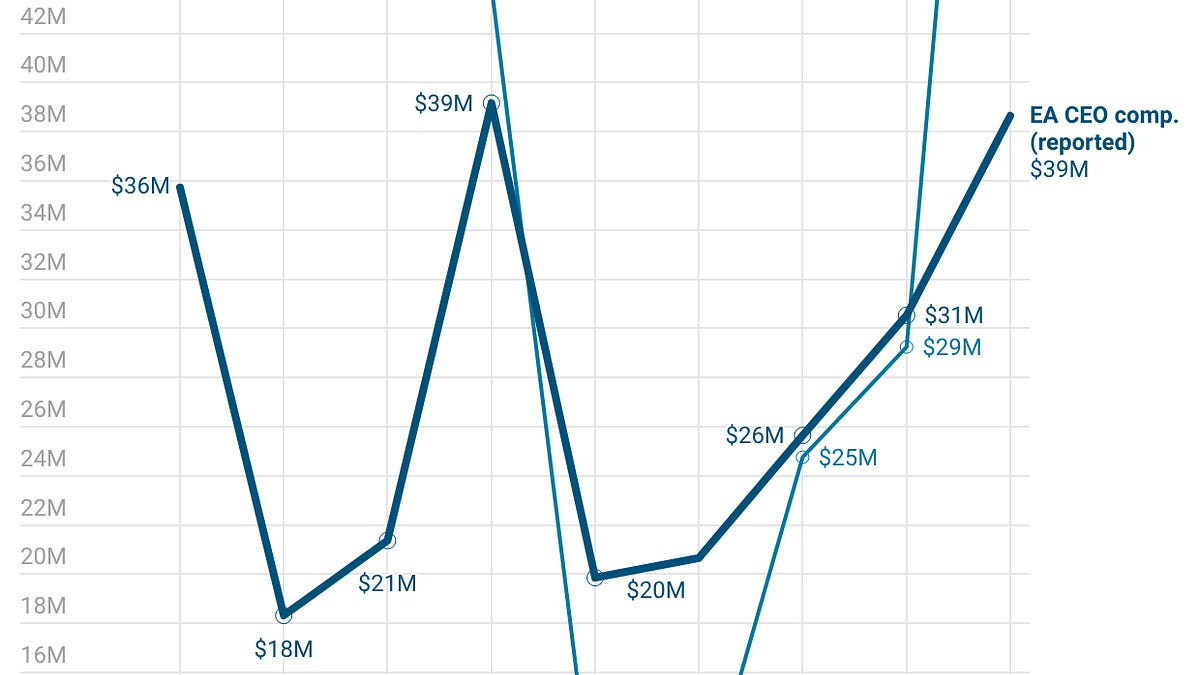
This analysis examines the widening disparity in executive compensation at Electronic Arts (EA) by comparing the earnings of CEO Andrew Wilson against the median pay of the company’s workforce for the 2026 fiscal year. The primary objective is to visualize the significant gap between executive and employee remuneration, highlighting the complexities of modern compensation reporting standards.
The data reveals two distinct figures for Wilson’s 2026 compensation. Under traditional reporting methods, his earnings are valued at $39 million, a notable increase from $31 million in the previous year. However, utilizing the U.S. Securities and Exchange Commission’s "compensation actually paid" (CAP) metric—which adjusts stock award valuations based on year-end share prices—his total rises to $77 million. Conversely, the median compensation for EA employees saw a modest increase, rising from $117,000 to $127,000 annually.
The methodology relies on official SEC financial disclosures for the fiscal year ending March 2026. Wilson’s traditional compensation package includes a $1.3 million base salary, a $6.5 million cash bonus tied to performance milestones and the company’s $55 billion acquisition, $28.5 million in stock awards, and $2.4 million in personal benefits such as private jet travel.
The analysis concludes that the discrepancy between the two compensation figures stems from the volatile nature of stock-based incentives and the recent transition of EA to private ownership. As the company is no longer publicly traded, it is no longer obligated to disclose executive or employee compensation, marking the end of this specific comparative reporting series.
- Electronic Arts CEO Andrew Wilson’s 2026 compensation is reported at $39 million under traditional metrics, but rises to $77 million when calculated using the SEC’s 'compensation actually paid' (CAP) metric.
- EA was acquired by a consortium of investors led by Saudi Arabia’s sovereign wealth fund for $55 billion, a deal that closed in August 2026.
- Median compensation for EA employees increased from $117,000 in 2025 to $127,000 in 2026.
- Wilson’s 2026 compensation package included a $1.3 million base salary, a $6.5 million cash bonus, and $28.5 million in stock awards, alongside $2.4 million in personal benefits such as private jet travel.
- The $77 million CAP figure is driven by a significant increase in EA's stock price, which rose from below $150 in 2025 to $202 at the end of the 2026 fiscal year.
Game FileAug 2026

Article
Summer Sale: 23% Off Game File Subscriptions
The primary purpose of this announcement is to promote a limited-time promotional offer for Game File, a subscription-based video game journalism outlet. Published in August 2026, the initiative aims to increase the publication's paid subscriber base by offering a 23% discount on annual memberships. This reduction lowers the standard $100 annual fee to $77, effectively bringing the monthly cost to approximately $6.42. The promotion is scheduled to conclude on Friday, August 14, 2026.
The publication emphasizes its commitment to independent, original reporting on the business and culture of the video game industry. To justify the value of a subscription, the content highlights a track record of exclusive investigative work and industry scoops from early 2026 through July 2026. Key reporting examples include coverage of major corporate layoffs at Microsoft, Sony, and WB Games, as well as exclusive insights into PlayStation’s long-term hardware strategy regarding physical media.
The outlet maintains a hybrid model, offering free access to select articles while reserving in-depth investigative pieces for paid subscribers. By framing the subscription as a direct investment in independent journalism, the author seeks to convert casual readers into long-term supporters. The publication currently reports a base of over 28,000 subscribers, positioning this sale as a strategic effort to drive growth in a challenging economic climate for media outlets.
- Game File is offering a 23% discount on annual subscriptions, reducing the price from $100 to $77, through August 14, 2026.
- The discounted annual subscription rate equates to a monthly cost of less than $6.42.
- Game File reported in July 2026 that PlayStation plans to cease production of physical game discs for new titles by 2028.
- Recent reporting by the outlet has covered significant industry developments, including layoffs at Xbox, Obsidian, and ZeniMax Online Studios, as well as labor complaints against Nintendo.
- The publication maintains a hybrid model where at least one story per week is free, while deeper investigative pieces and scoops are gated behind a subscription paywall.
Game FileAug 2026

Article
PlayStation’s Big Tariff Refund
Sony is set to receive approximately ¥80 billion ($508 million) in tariff refunds from the United States government following a February 2026 Supreme Court ruling that declared previous global levies illegal. The company’s gaming division is expected to recoup the majority of these funds, which contributed to a 10% increase in Sony’s operating income forecast for the current fiscal year. These refunds stem from tariffs that previously prompted Sony to raise the retail prices of PlayStation 5 hardware and accessories throughout 2025 and early 2026.
The retention of these funds has sparked legal controversy, as consumers who paid the inflated prices have initiated class-action lawsuits against Sony and other industry players, arguing that the refunds should be distributed to the customers who bore the initial cost. Sony is currently preparing a legal response to these consolidated claims. Meanwhile, the company continues to navigate broader strategic shifts, including a planned cessation of physical disc production for new games by 2028 and adjustments to its first-party software roadmap that have impacted projected operating income.
Beyond Sony’s financial developments, the broader gaming industry faces significant volatility. Electronic Arts has officially transitioned to private ownership under a consortium led by Saudi Arabia’s Public Investment Fund, while Microsoft’s Xbox division reported a $1.7 billion revenue decline for the fiscal year ending June 2026, driven by reduced hardware sales and a shift in content performance. Additionally, the industry is observing an unusual delay in marketing previews for Grand Theft Auto VI, which deviates from the promotional timelines established by Rockstar Games for its previous major titles.
- Sony expects to receive ¥80 billion ($508 million) in U.S. tariff refunds following a February 2026 Supreme Court ruling that declared previous global levies illegal.
- Approximately 70% of the refund was collected by Sony in the April-June 2026 quarter, with the majority allocated to its gaming division, contributing to a 10% increase in the company's annual operating income forecast.
- Microsoft’s Xbox division reported a $1.7 billion revenue decline for the fiscal year ending June 2026, driven by a 29% drop in hardware sales and a 5% decrease in content and services revenue.
- Grand Theft Auto VI, scheduled for release on November 19, 2026, has yet to receive any gameplay previews, marking a significant departure from the marketing timelines of previous Rockstar titles like GTA V and Red Dead Redemption 2.
- Sony confirmed plans to cease production of physical game discs by 2028, citing the industry-wide shift toward digital content as the primary driver for the decision.
Game FileAug 2026

Article
It’s Been a Great Year for Black-and-White Video Games
This analysis highlights a recent trend in independent game development, specifically focusing on the creative success of black-and-white titles. Three notable games—Helix: Descent N Ascent, Towers of Scale, and What’s the Password?—are identified for their distinct mechanics and visual styles. These titles demonstrate how minimalist aesthetics can complement complex gameplay, ranging from puzzle-solving and mathematical strategy to logic-based challenges. The games are currently available across various platforms, including PC, Nintendo Switch, and mobile, reflecting a diverse reach within the indie sector.
Beyond specific game recommendations, the industry landscape is undergoing significant shifts regarding hardware and monetization. Ubisoft leadership has signaled an expectation for a transition toward an all-digital console future, drawing parallels to the PC market’s evolution and citing potential cost efficiencies for manufacturers. Simultaneously, Microsoft is experimenting with ad-supported cloud streaming on Xbox, a model traditionally reserved for mobile gaming, to lower barriers to entry for console users. These developments suggest a broader industry move toward digital-first ecosystems and alternative revenue streams.
Operational challenges and strategic planning also remain central to the industry. Recent reports indicate concerns regarding the reduction of accessibility-focused roles at major companies like Microsoft, potentially impacting long-term inclusivity initiatives. Furthermore, release schedules for early 2027 are beginning to consolidate, with several high-profile remakes and spin-offs, such as the Tomb Raider and Persona 4 remakes, clustering within February. These findings underscore a period of transition where publishers are balancing legacy intellectual property, evolving distribution models, and the ongoing necessity of maintaining accessible gaming environments.
- Ubisoft CEO Yves Guillemot anticipates a shift toward an all-digital console market, citing Sony's potential move to phase out physical disc drives by 2028 to reduce hardware costs.
- Microsoft is testing an ad-supported cloud gaming program that allows Xbox users to stream owned titles for one hour in exchange for watching up to two minutes of pre-roll advertisements.
- February 2027 has emerged as a major release window, featuring high-profile titles including the Tomb Raider: Legacy of Atlantis remake (Feb 12), God of War: Laufey (Feb 16), Persona 4 Revival (Feb 18), and Fable (Feb 23).
- Concerns regarding the future of Xbox's accessibility initiatives have surfaced following recent layoffs of Microsoft staff and contractors dedicated to ensuring games are playable for people with disabilities.
- Blizzard terminated a QA tester for assisting players in setting a record-time completion for a World of Warcraft dungeon, while simultaneously planning to add a viral raccoon named 'Jimothy' as an in-game pet.
+1
Game FileJul 2026
Article
Order of the Sinking Star
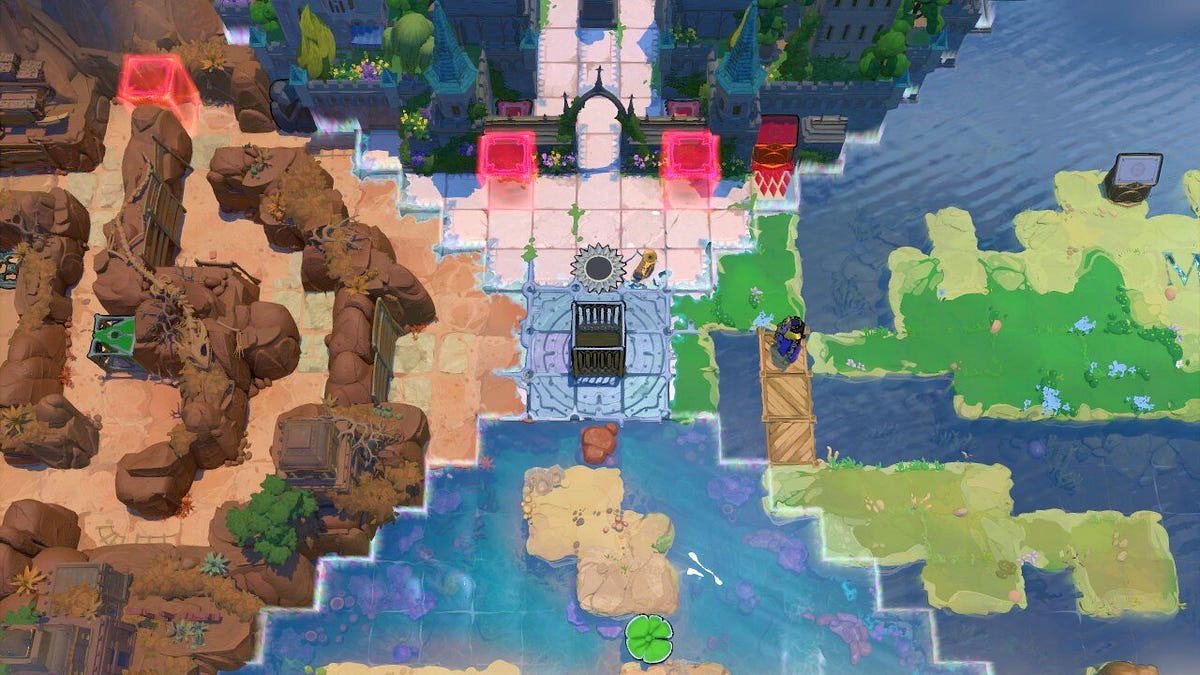
The upcoming puzzle game Order of the Sinking Star, developed by Thekla Inc. and led by Jonathan Blow, has become a focal point for industry debates regarding creator attribution and the separation of art from the artist. The game is built upon four distinct puzzle titles licensed from independent designers, including Alan Hazelden, Jonah Ostroff, and Sean Barrett. While these source developers initially granted permission for their work to be featured, they have since publicly distanced themselves from Blow due to his controversial political statements and social media commentary.
The central tension involves the industry’s tendency to promote games through a singular "auteur" figure, often overshadowing the contributions of the original designers and the broader development team. Early versions of the game featured in-game credits for the source creators, such as a sign labeling Hazelden as an "instigator." However, these explicit references were removed in subsequent builds, including the public PC demo, leading to community requests for clearer attribution. While the studio has since updated its website to include an FAQ acknowledging the source games and their creators, the handling of in-game credits remains a point of contention.
The analysis draws on hands-on experience with development builds of the game, interviews with Blow, and public statements from the affected designers. The situation highlights a broader industry struggle with the ethics of collaboration and the visibility of secondary contributors. By examining the evolution of the game’s credits and the public discourse surrounding its lead creator, the narrative underscores the complexities of modern game development, where collaborative efforts are frequently marketed under the banner of a single, often polarizing, public figure.
- The upcoming puzzle game 'Order of the Sinking Star,' developed by Jonathan Blow’s studio Thekla, features over 1,000 puzzles built upon the mechanics of four existing titles created by independent designers.
- Following the game's December 2023 reveal, the original creators of the source games publicly distanced themselves from Blow, citing his controversial political views and dismissive stance on diversity and representation.
- In-game credits for original designers, such as Alan Hazelden, have appeared inconsistently in development builds, with specific references to them being removed in later versions of the game's demo.
- While the game is marketed primarily as a project by Jonathan Blow, the development team includes other notable designers, such as Patrick of 'Patrick's Parabox,' who contributed to specific puzzle mechanics.
- Thekla has updated the official 'Order of the Sinking Star' website to include an FAQ that acknowledges the four source games and their original developers.
Game FileJul 2026

Article
Here's the Suit
Delphi Interactive is reshaping the gaming landscape by acting as a strategic intermediary between major intellectual property holders and game development studios. As industry giants like Microsoft pivot away from external licensing to prioritize internal franchises, a significant void has emerged in the market for high-profile licensed titles. Delphi fills this gap by facilitating partnerships for iconic properties such as James Bond and FIFA, effectively bridging the divide between traditional media conglomerates and interactive entertainment developers.
The involvement of high-profile figures like former Disney CEO Michael Eisner underscores the increasing convergence of Hollywood and the gaming sector. This strategic alignment highlights a broader industry trend where the prestige and established fanbases of external intellectual property are leveraged to compete for limited consumer attention. However, the reliance on licensed content remains a delicate balancing act. While these properties provide an immediate entry point for market visibility, long-term commercial success continues to hinge on the ability of studios to deliver original, high-quality gameplay experiences that transcend the initial appeal of the brand.
This shift in development strategy reflects a broader transition within the global gaming industry, particularly as major publishers re-evaluate their portfolios in favor of proprietary assets. By positioning itself as a matchmaker, Delphi Interactive is capitalizing on this structural change, providing a necessary service for rights holders who still seek to monetize their brands through interactive media. Ultimately, the industry is moving toward a model where the synergy between established media narratives and innovative game design is essential for navigating an increasingly crowded and competitive digital marketplace.
- Delphi Interactive is gaining industry traction by focusing on licensed intellectual property, notably with the successful 007: First Light and a new FIFA game exclusive to Netflix that is reportedly outperforming internal expectations.
- Delphi Interactive’s business model challenges the traditional gaming industry structure, arguing that major publishers are increasingly becoming an impediment to developing games based on established, high-profile franchises.
- Large publishers like Microsoft are shifting their strategic focus toward developing games based on their own internal intellectual property—such as Halo, Fallout, and Elder Scrolls—rather than licensing external brands.
- Microsoft’s recent decision to divest or restructure studios, including potential changes for Arcane Lyon, reflects a broader industry trend of prioritizing internal IP ownership over external licensing deals like the Marvel’s Blade project.
- Former Disney CEO Michael Eisner, an investor and advisor to Delphi Interactive, has publicly pushed the company to move beyond licensed IP and prioritize the creation of original, proprietary content.
Game FileJul 2026
Article
Delphi and the 007 and FIFA Returns
Delphi Interactive has emerged as a significant new entity within the video game industry by acting as a specialized talent matchmaker between high-profile intellectual property holders and elite development teams. The company’s primary business model involves operating outside traditional studio structures to facilitate the creation of major titles, most notably the critically acclaimed James Bond game, 007 First Light, and a FIFA World Cup title distributed via Netflix. By positioning itself as an intermediary, Delphi successfully secured these partnerships after rights holders grew dissatisfied with previous collaborations involving major industry publishers like Electronic Arts and Activision.
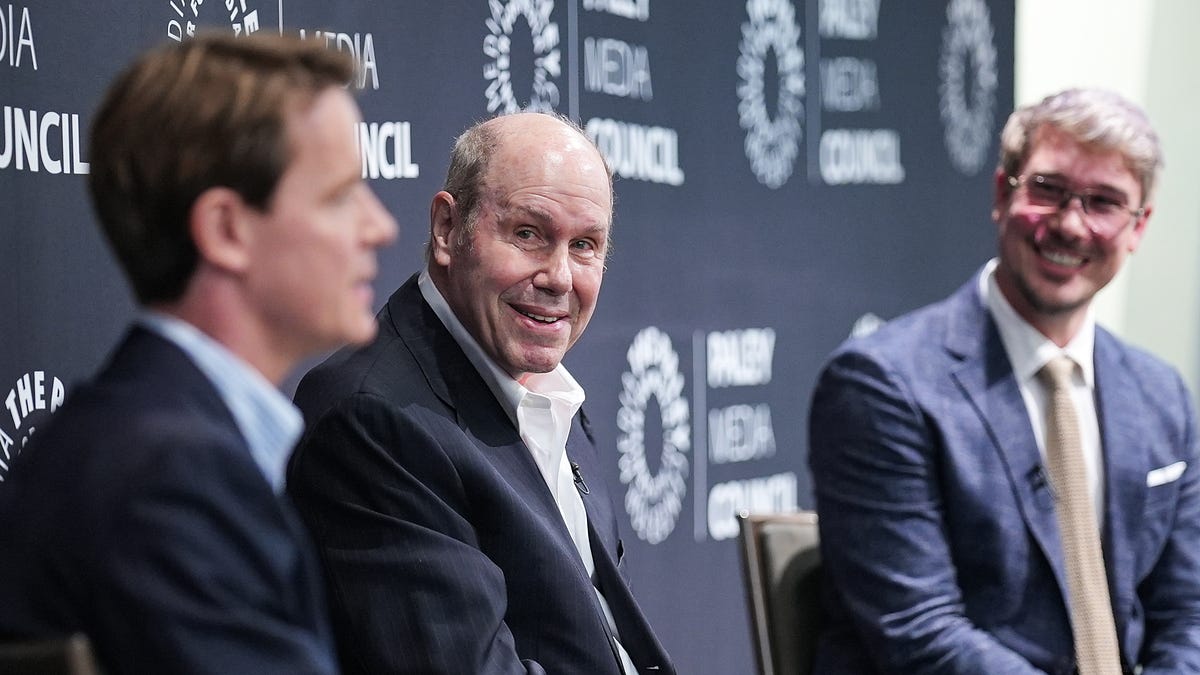
The company’s rise is supported by high-profile investors, including former Disney CEO Michael Eisner. During a recent industry panel at the Paley Center for Media, Delphi founder Casper Daugaard highlighted the company’s opportunistic approach to business development, which included proactively reaching out to FIFA following the organization’s high-profile split from Electronic Arts. The strategy emphasizes accessibility and user-focused design, a philosophy that resonates with broader entertainment principles regarding consumer engagement and ease of play.
The scope of these activities reflects a shift in how major franchises are managed in the modern gaming landscape, moving away from exclusive, long-term publisher deals toward more agile, project-specific partnerships. While Delphi faces skepticism from some industry observers who characterize the firm as a middleman, its ability to orchestrate the return of major brands like James Bond and FIFA suggests a growing influence in the intersection of media, sports, and interactive entertainment. The company continues to leverage its network of advisors and investors to bridge the gap between legacy media properties and contemporary gaming audiences.
- Delphi Interactive has emerged as a significant industry player by acting as a talent matchmaker that connects elite game developers with major intellectual property holders.
- The company successfully orchestrated the development of the new James Bond title, '007 First Light', following a decade-long drought in major Bond game releases.
- Delphi secured a deal to develop a FIFA World Cup game for Netflix after identifying the dissolution of the long-standing partnership between FIFA and Electronic Arts.
- Former Disney CEO Michael Eisner is an investor in Delphi Interactive and participated in a panel alongside company founder Casper Daugaard.
- Delphi’s business model focuses on operating outside the traditional, large-scale game studio system to facilitate more agile development partnerships.
+1
Game FileJul 2026
Article
Nintendo Says It Has No Legal Duty to Pass U.S. Tariff Refunds on to Consumers
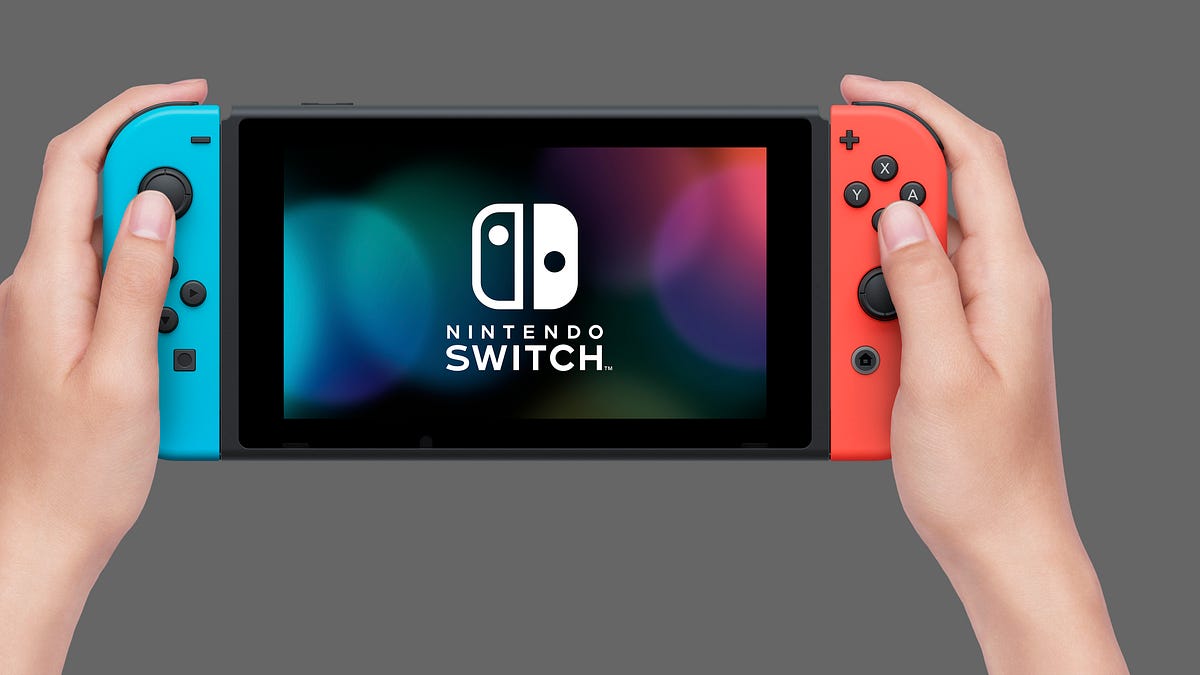
Nintendo is currently seeking the dismissal of a class action lawsuit, Hoffert et al v. Nintendo, which alleges that the company is legally obligated to pass U.S. tariff refunds on to consumers. The litigation stems from a period between February 2025 and February 2026, during which Nintendo increased the prices of hardware, including Switch consoles and controllers, in response to shifting U.S. trade tariffs. Following a February 2026 Supreme Court ruling that declared these tariffs illegal, Nintendo pursued a refund from the federal government, prompting consumers to file a lawsuit claiming that the company is engaging in unjust enrichment by retaining both the inflated retail revenue and the subsequent government refund.
The core of Nintendo’s defense rests on the principle of completed commercial transactions. The company maintains that consumers received the goods they purchased at the agreed-upon price and that there is no legal precedent requiring retroactive price adjustments based on subsequent legal developments regarding trade policy. Nintendo argues that the plaintiffs’ claims misinterpret the nature of retail commerce, asserting that the company holds no legal duty to distribute government refunds to its customer base.
This legal dispute highlights the intersection of international trade law and consumer rights within the gaming industry. The scope of the proposed class action covers all U.S. consumers who purchased price-hiked Nintendo products during the one-year window when the tariffs were in effect. By filing for dismissal, Nintendo is challenging the premise that a company’s recovery of costs from the government necessitates a corresponding rebate to the end-user, framing the matter as a standard business operation rather than a breach of consumer protection law.
- Nintendo has filed a motion to dismiss a class action lawsuit, Hoffert et al v. Nintendo, which seeks to force the company to pass U.S. tariff refunds on to consumers.
- The lawsuit, filed in April 2026, represents U.S. customers who purchased Nintendo products at increased prices between February 2025 and February 2026.
- Nintendo argues that consumers received exactly what they bargained for at the time of purchase and that there is no legal requirement to retroactively adjust prices following the February 2026 Supreme Court ruling that struck down the tariffs.
- The company increased prices on the original Switch and Switch 2 controllers in 2025 in response to the U.S. government's implementation of sweeping, fluctuating tariffs.
- Following the Supreme Court's decision to invalidate the tariffs, Nintendo sued the U.S. government to secure a refund of the duties it had paid.
Game FileJul 2026

Article
Behind the Story: Nintendo's Secretive 2019 Zelda Reveal
The reveal of the sequel to The Legend of Zelda: Breath of the Wild during E3 2019 serves as a case study in corporate information control and the management of media expectations. The primary objective of the analysis is to detail the extreme measures Nintendo employed to maintain secrecy regarding the game’s development, even within its own internal marketing teams and among the gaming press.
Key findings indicate that the announcement was kept confidential from the vast majority of Nintendo of America staff, with fewer than ten individuals privy to the plans prior to the event. This internal secrecy extended to the media; journalists invited to an early, embargoed screening of the Nintendo Direct presentation were shown a version that excluded the Zelda reveal entirely. The press was provided with "final" embargoed materials that omitted any mention of the title, effectively using the announcement of Banjo-Kazooie’s inclusion in Super Smash Bros. Ultimate as a diversionary conclusion to the showcase.
The scope of this account covers the internal operations of Nintendo of America and the experiences of industry journalists during the 2019 E3 trade show in Los Angeles. The methodology relies on firsthand accounts from former Nintendo marketing personnel and the personal experience of a veteran industry reporter. The analysis concludes that while withholding information from the press is a standard practice, Nintendo’s strategy of presenting a "trick" version of a showcase to media outlets was an unprecedented and highly effective method for ensuring the surprise impact of a major reveal.
- Nintendo maintained extreme secrecy regarding the 2019 reveal of the sequel to The Legend of Zelda: Breath of the Wild, with fewer than 10 people at Nintendo of America aware of the announcement plans prior to E3.
- To prevent leaks, Nintendo provided members of the press with an embargoed 'final' version of their E3 2019 press release and video presentation that intentionally omitted the Zelda teaser.
- The version of the Nintendo Direct screened for the press under NDA concluded with the announcement of Banjo-Kazooie for Super Smash Bros. Ultimate, rather than the Zelda reveal.
- The actual public broadcast of the E3 2019 Nintendo Direct included an additional 80 seconds of footage at the end, which contained the surprise teaser for the game later titled The Legend of Zelda: Tears of the Kingdom.
- Nintendo's strategy of withholding information from its own staff and the media ensured that the Zelda announcement remained a genuine surprise during their final E3 showcase event.
+1
Game FileJul 2026

Article
What Discs Mean to a Publisher of Meaningful Games
The industry discourse surrounding the future of physical media has intensified following Sony’s announcement that it will cease the production of game discs for new releases beginning in January 2028. While major industry players have largely remained silent regarding this shift, the perspective of mid-sized publishers highlights the strategic tension between digital-first distribution and the preservation of physical media.
For publishers focused on niche or narrative-driven titles, physical media serves as more than a secondary revenue stream; it is a vital tool for audience expansion and brand identity. Physical releases allow publishers to reach demographics that may be underserved by digital-only storefronts, effectively acting as a bridge to connect meaningful content with a broader global player base. This approach suggests that for certain segments of the industry, physical copies function as a core component of a mission-driven business model rather than a mere logistical convenience.
The industry-wide transition toward a digital-only landscape presents significant challenges for publishers who rely on physical editions to maintain market presence and accessibility. As major corporations move to phase out disc production, the resulting vacuum leaves smaller, independent-minded publishers to navigate the loss of a critical channel for engagement. The current climate reflects a broader industry pivot that prioritizes digital efficiency, potentially at the expense of the diverse distribution strategies that have historically supported a wider variety of gaming experiences.
- Sony has officially announced it will cease the production of physical game discs for all new PlayStation titles starting in January 2028.
- Major industry publishers, including Take-Two, EA, Ubisoft, Capcom, Square Enix, Bandai Namco, and Microsoft, have declined to comment on Sony's decision to end disc production.
- Zhenghua Yang, CEO of publisher Serenity Forge, maintains that physical media is a core component of his company's mission to reach global audiences that digital distribution channels may not capture.
- For publishers like Serenity Forge, physical releases serve as a strategic tool for market expansion rather than merely functioning as an additional sales channel.
- The announcement regarding the 2028 disc production cutoff has triggered significant negative feedback from the gaming community, with physical copies of titles like 'Doki Doki Literature Club' becoming focal points in the public debate.
Game FileJul 2026