Game File
Media115 documents
Documents
Article
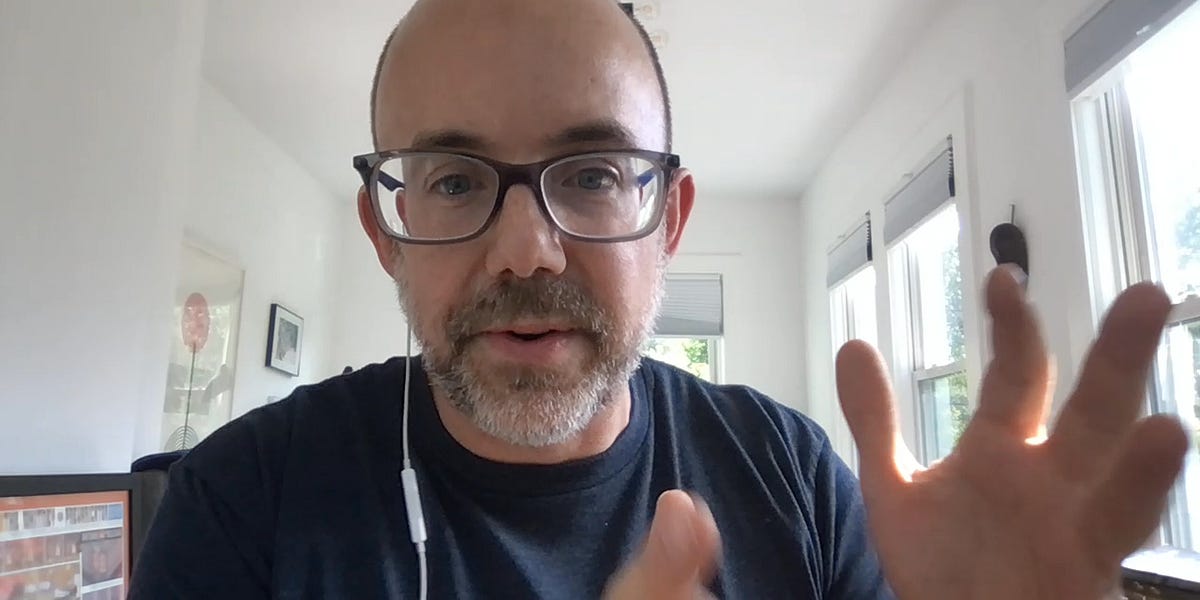
The Story Behind the Story of an Xbox Studio Scoop
The primary purpose of this account is to provide a behind-the-scenes look at the investigative process used to uncover the departure of the head of ZeniMax Online Studios during a wave of layoffs at Microsoft’s Xbox division in July 2026. The narrative highlights the methodology of independent journalism, specifically the reliance on Worker Adjustment and Retraining Notification (WARN) letters filed with state labor departments to track the scale and impact of corporate job cuts. By monitoring these public filings across various states, the reporting successfully identified specific senior-level departures that were not initially disclosed in broader corporate announcements.
Key findings from the investigation include the confirmation of 605 job cuts in Washington State, 52 at Obsidian, and 379 within the ZeniMax family in Maryland. The discovery of the studio head’s exit was made by analyzing the alphabetical list of impacted roles in the Maryland WARN documentation, which revealed the termination of a "Studio Head" alongside other senior positions such as a Studio Game Director and various vice presidents. This data provided a more granular understanding of the organizational restructuring than the general headcount figures provided by the company.
The scope of this reporting covers the United States gaming industry, specifically focusing on Microsoft’s internal studio operations during the summer of 2026. The analysis emphasizes the challenges of balancing investigative work with personal responsibilities, illustrating how the pursuit of public records and verification from corporate sources must be managed alongside daily life. Ultimately, the account serves as a case study in how persistent, document-based research can reveal significant industry news that remains obscured by official corporate communications.
- The head of ZeniMax Online Studios, developer of The Elder Scrolls Online, departed the company as part of Microsoft's broader layoffs within its gaming division.
- Microsoft's recent workforce reductions across its gaming division have impacted approximately 1,600 employees.
- State-level WARN notifications revealed 379 ZeniMax employee layoffs in Maryland and 158 ZeniMax worker layoffs in Texas, with a significant portion of the Texas cuts occurring at id Software.
- Microsoft confirmed that Obsidian Entertainment is currently developing a Fallout game.
- Layoff reporting relies on monitoring state-mandated WARN notifications, which provide specific data on the scale and location of job cuts that are not always detailed in initial corporate memos.
+3
Game FileJul 2026
Article
ZeniMax Online Studios Leadership to Exit as Part of Xbox Cuts
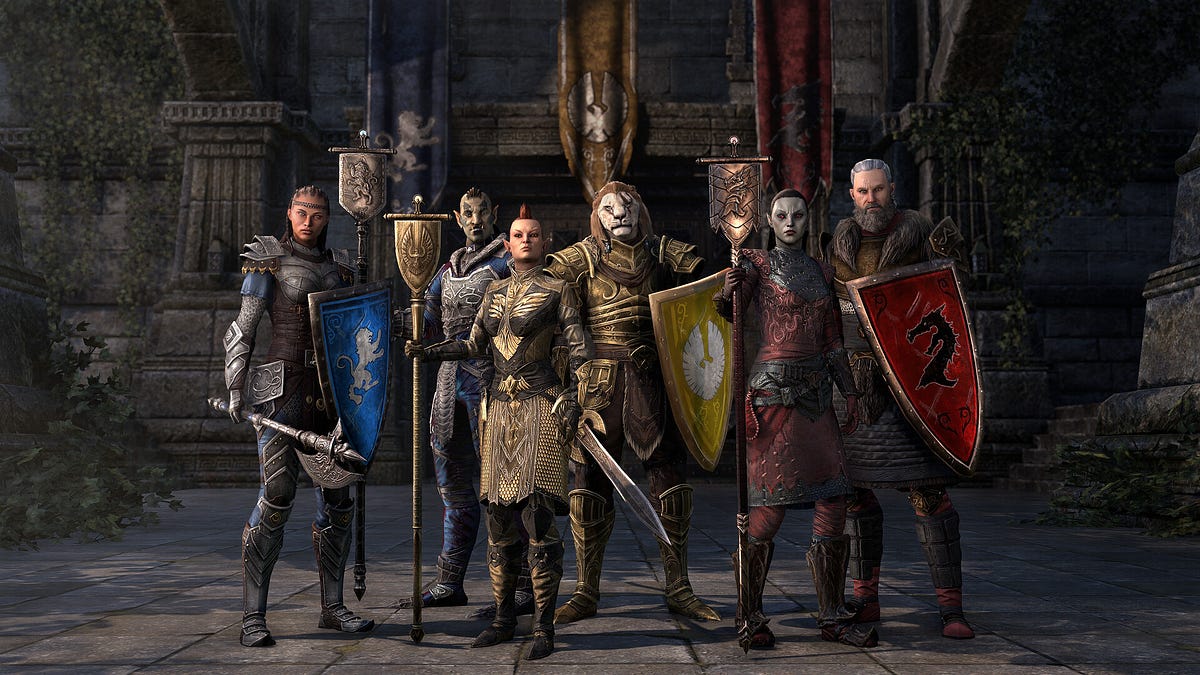
Recent workforce reductions at Microsoft have resulted in significant leadership turnover at ZeniMax Online Studios. A WARN notice filed with Maryland officials confirms the elimination of 379 gaming positions across the state, including several high-level executive roles. Among those departing are the studio head, the executive producer of The Elder Scrolls Online, the studio game director, and the production director. These changes are part of a broader corporate initiative that saw 1,600 employees laid off across Microsoft’s global gaming divisions in July 2026.
The scope of the layoffs in Maryland encompasses both ZeniMax Online Studios and ZeniMax Media, impacting a wide range of personnel including senior QA testers, producers, and various administrative and creative leads. While the departures have raised public concerns regarding the long-term development of The Elder Scrolls Online, the studio has initiated a leadership transition, appointing Josh Henderson and Nick Giacomini to oversee future operations. The outgoing leadership team has publicly expressed confidence in the studio's ability to maintain its development roadmap during this transition.
Data for these findings were derived from official WARN notices obtained from Maryland state authorities, which provided a detailed breakdown of the affected job titles and headcount. These cuts follow a series of recent organizational shifts within the ZeniMax group, which has seen the closure of other studios and ongoing restructuring efforts since its acquisition by Microsoft in 2021. The situation remains a point of contention, as evidenced by recent protests organized by the Communication Workers of America in response to the widespread job losses.
- ZeniMax Online Studios is undergoing a major leadership transition following the departure of studio head Joe Burba, executive producer Susan Kath, game director Rich Lambert, and production director Ala Diaz.
- The leadership exits are part of a broader reduction of 379 gaming roles across ZeniMax’s Maryland offices, with more than 200 of those cuts specifically impacting ZeniMax Online Studios.
- Josh Henderson and Nick Giacomini have been appointed to lead ZeniMax Online Studios, with the outgoing leadership team remaining in place for a transition period over the next few months.
- The layoffs, which were part of a wider Microsoft initiative that eliminated 1,600 roles across its global gaming teams, included senior positions such as studio audio director, studio art manager, and various vice president roles.
- The total workforce reduction at ZeniMax in Maryland also included over 60 senior QA testers, seven producers, and four animators, according to a WARN notice filed with state officials.
+2
Game FileJul 2026

Article
Ubisoft Annual Report Analysis: 2026
The 2026 Ubisoft annual report introduces significant updates to the company’s risk disclosures, reflecting a shift in strategic focus regarding development timelines and monetization messaging. The primary thesis of these updates is that prolonged development cycles now pose a material threat to commercial success, as delayed releases risk missing market windows and failing to meet evolving competitive standards.
A key finding in the 2026 filing is the explicit acknowledgment that releasing games too late can hinder performance, a concern that appears to be informed by recent operational challenges. While the company previously emphasized the risks of premature launches, the new language highlights the danger of waning market anticipation. This shift follows a period marked by the rapid loss of sales momentum for major titles like Assassin’s Creed Shadows and the underperformance of mobile adaptations for the Rainbow Six and The Division franchises. Furthermore, the report notes that several upcoming sequels are currently exceeding their traditional development cycles, underscoring the urgency of these concerns.
Beyond operational risks, the company has adjusted its public-facing narrative regarding monetization. The 2026 report removes a controversial claim from the previous year that suggested microtransactions make the player experience more fun. By excising this language, the company appears to be distancing itself from a position that previously drew significant criticism. These changes, identified through a comparative analysis of annual public filings, illustrate a broader effort to recalibrate corporate messaging and risk management in response to a highly competitive and increasingly scrutinized gaming landscape.
- Ubisoft has officially identified prolonged development cycles as a material threat to commercial success, citing the risk of missing market windows and failing to meet competitive standards.
- The company is shifting its risk assessment away from the dangers of premature launches to focus on the negative impact of waning market anticipation caused by delayed releases.
- Recent underperformance of major titles, including Assassin’s Creed Shadows and mobile adaptations for the Rainbow Six and The Division franchises, has driven this strategic recalibration.
- Internal data indicates that several upcoming sequels are currently exceeding traditional development timelines, further heightening the urgency of the company's operational concerns.
- Ubisoft has removed language from its 2026 annual report that previously claimed microtransactions enhance the player experience, signaling a retreat from a controversial monetization narrative.
+1
Game FileJul 2026

Article
Xbox Layoffs Impact ZeniMax and Obsidian Personnel
Microsoft’s gaming division is undergoing a significant workforce reduction, with recent state-level WARN notices detailing the impact on ZeniMax and Obsidian Entertainment personnel. These layoffs are part of a broader corporate strategy to cut 3,200 positions from the gaming division by June 2027, following an announcement by Xbox leadership regarding the division's financial instability.
The geographic scope of these specific cuts includes multiple states. In Texas, 158 ZeniMax employees—including staff at id Software and other Bethesda-affiliated teams—are slated for termination by September 4, 2026. Approximately 146 of these affected roles are represented by the Communication Workers of America. Additionally, 52 positions are being eliminated at Obsidian Entertainment’s California offices. Further data from Maryland indicates that 379 roles were cut across ZeniMax Online Studios and ZeniMax Media.
The layoffs encompass a wide range of professional functions within the gaming industry, including gameplay design, engine programming, quality assurance, art direction, and production. While these figures provide a granular look at specific studio impacts, they represent only a portion of the larger, company-wide downsizing effort. Microsoft also reported 605 job losses in Washington state, though the specific distribution between gaming and other corporate sectors remains partially redacted. These developments underscore a period of contraction for the company’s gaming operations as it seeks to address ongoing business challenges.
- Microsoft is executing a long-term strategy to eliminate 3,200 positions from its gaming division by June 2027 to address financial instability.
- ZeniMax and its affiliated studios, including id Software and ZeniMax Online Studios, are facing significant cuts, with 379 roles eliminated in Maryland and 158 in Texas.
- The layoffs impact a broad spectrum of core development functions, including gameplay design, engine programming, quality assurance, art direction, and production.
- In California, 52 positions are being cut at Obsidian Entertainment offices.
- Of the 158 ZeniMax employees slated for termination in Texas by September 4, 2026, approximately 146 are represented by the Communication Workers of America.
Game FileJul 2026

Article
Xbox to Cut 20% of Workforce and Divest Five Studios
In July 2026, Microsoft announced a major restructuring of its Xbox division, characterized by a 20% reduction in its total gaming workforce and the divestment of five development studios. The initiative, described by Xbox CEO Asha Sharma as the most significant reorganization in the company’s history, involves the immediate layoff of 1,600 employees, with an additional 1,600 cuts scheduled throughout the fiscal year ending June 30, 2027. This downsizing also includes a substantial reduction of the platform team, where management layers are being compressed from 14 to five to address perceived organizational bloat.
The divestment strategy marks a sharp reversal of the aggressive acquisition spree initiated in 2018. Five studios—Double Fine, Compulsion Games, Undead Labs, Ninja Theory, and Arkane Lyon—are being spun off or sold to new owners. While these studios are not being shuttered, the move signals a pivot away from the previous strategy of maintaining a broad portfolio of mid-sized teams to support the Game Pass service. Instead, leadership intends to refocus resources on core, high-performing franchises such as Halo and Fallout, while centralizing oversight of major assets like Minecraft and Candy Crush under the CEO.
The rationale for these cuts centers on a business environment defined by rising hardware costs and growth targets that failed to materialize as expected. Leadership noted that the division’s previous strategy of expanding content and investment did not yield sustainable returns, citing a loss of 64 cents for every dollar invested in smaller studios over the past decade. Despite these contractions, Microsoft maintains that it will continue to operate the Game Pass service and proceed with the development of the upcoming Project Helix console, aiming to stabilize the business by prioritizing core profitability over the previous model of expansive, independent-style content acquisition.
- Microsoft is cutting its Xbox gaming workforce by 20%, resulting in 3,200 total layoffs, with 1,600 occurring immediately and 1,600 scheduled through June 30, 2027.
- Xbox is divesting five development studios—Double Fine, Compulsion Games, Undead Labs, Ninja Theory, and Arkane Lyon—marking a strategic pivot away from its previous aggressive acquisition model.
- The restructuring aims to address financial underperformance, specifically a reported loss of 64 cents for every dollar invested in smaller studios over the last decade.
- Management is compressing the platform team's organizational structure from 14 layers to five to reduce internal bloat.
- Future strategy will prioritize core, high-performing franchises like Halo and Fallout while centralizing oversight of major assets such as Minecraft and Candy Crush under the CEO.
+1
Game FileJul 2026
Article
Epic Settles Lawsuit Against Alleged Fortnite Leaker
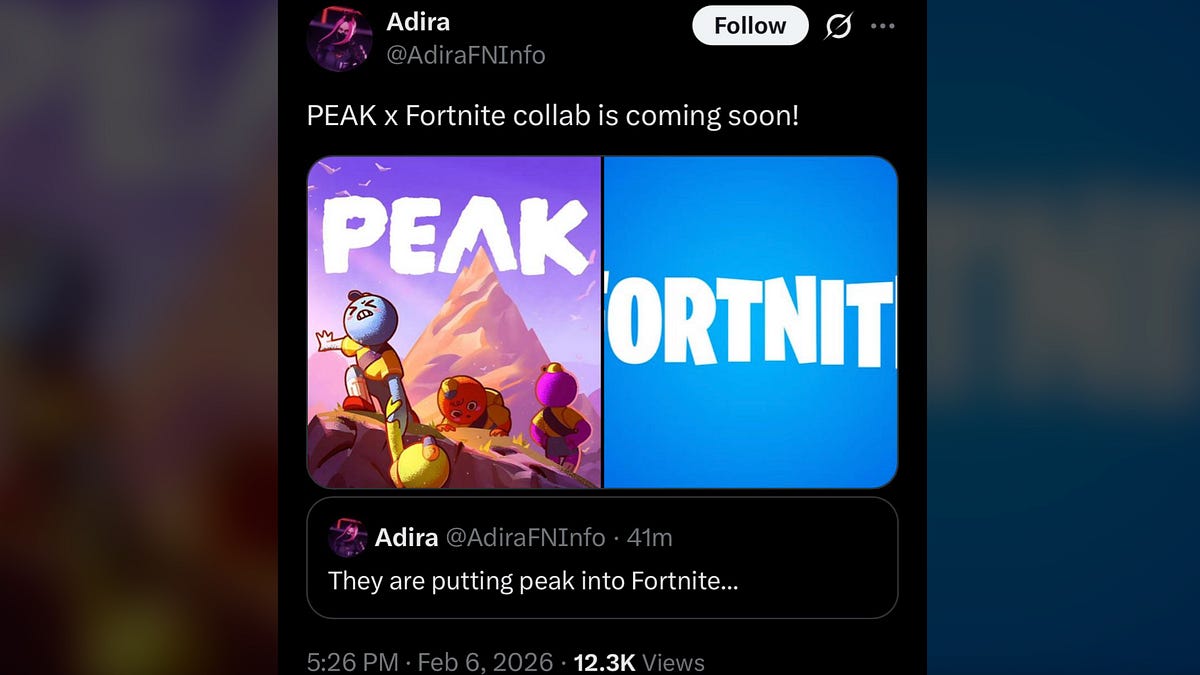
Epic Games has reached a settlement with former contractor Hayden Cohen following allegations that he leaked confidential Fortnite partnership information, including collaborations with Minecraft, Peak, and South Park. The agreement, filed in federal court in North Carolina, includes a judgment against Cohen and an injunction preventing him from accessing or disclosing any of Epic’s trade secrets. While the settlement does not disclose monetary terms, Epic originally sought damages for actual loss and unjust enrichment. The case followed a series of leaks that spoiled upcoming Fortnite content months before official announcements, prompting Epic to take legal action against the contractor. Epic’s spokesperson Natalie Munoz confirmed the injunction and reiterated that the company would not publish or share confidential information again. Cohen has not responded to requests for comment.
The article also references Sony’s announcement that physical disc production for new PlayStation titles will cease in January 2028, a decision that has sparked criticism from developers and raised concerns about future game distribution. Sony clarified that titles released before 2028 will still receive discs in 2028, but the broader impact on the platform’s ecosystem remains a topic of discussion. The piece highlights Epic’s ongoing enforcement against leaks and Sony’s strategic shift away from physical media, underscoring the evolving landscape of game publishing and intellectual property protection in the industry.
- Epic Games settled a lawsuit with former contractor Hayden Cohen, who was accused of leaking confidential Fortnite collaborations with brands like Minecraft, Peak, and South Park.
- The settlement includes a judgment against Cohen and an injunction preventing him from disclosing Epic's confidential information, but it does not specify monetary damages.
- Sony announced it will cease producing physical discs for new PlayStation games starting January 2028, a decision that has been met with public dissatisfaction.
- Sony communicated to its development and publishing partners that games released before 2028 will still be able to receive disc production in 2028.
- One critically acclaimed developer indicated that Sony's decision to end disc production discourages them from developing games for the PlayStation platform.
+1
Game FileJul 2026

Article
Sony to Cease Production of Physical PlayStation Game Discs in 2028
Sony announced that from January 2028 all new PlayStation titles will be released exclusively in digital format, with no physical discs sold for the PS4, PS5 or future consoles. The decision follows a trend in which Sony’s own financial reports show that 80 % of full‑price game purchases for the PS4 and PS5 were digital in the most recent fiscal year, a figure that has been rising steadily since 2018. The company frames the shift as an adaptation to consumer preferences and a broader industry move away from physical media, citing cost savings on manufacturing and shipping as well as reduced risk of piracy.
The policy will not affect games released before 2028; titles launched in 2027 and earlier can still be sold on disc. Sony has not yet clarified how physical retail packaging will evolve—whether boxed copies with embedded digital codes or card‑based “game key” cards—but it confirms that digital storefronts will remain available. The announcement also coincides with Sony’s plan to shut down the PS3 and Vita online stores in most regions by mid‑2027, further consolidating its focus on current‑generation platforms.
Industry analysts predict that the move could accelerate disc‑drive removal from future hardware, potentially influencing the design of a PlayStation 6 and prompting third‑party developers to adopt all‑digital release models earlier than anticipated. The change raises questions about long‑term game preservation, secondary markets for used titles, and the viability of physical ownership in an era dominated by cloud‑based distribution.
- Sony will cease production of physical game discs for new PlayStation titles starting January 2028, shifting to a digital-only distribution model for new releases.
- This move is driven by declining consumer interest in physical media, with over 90% of PlayStation 4 and PlayStation 5 games purchased digitally in the past year.
- Sony will continue to sell games in physical retailers after 2028, but the format (e.g., boxes with codes, digital redemption cards) is currently undefined.
- The PlayStation 3 and PlayStation Vita online stores are scheduled for shutdown, which will cut off access to new purchases of digital-only games for those platforms, though previously purchased games will remain downloadable for the foreseeable future.
- Potential motivations for Sony include cost savings from manufacturing and shipping discs, the ability to produce consoles more cheaply by omitting disc drives, and diminishing risks of game leaks and used game sales.
+1
Game FileJul 2026

Article
Nintendo's New Splatoon Adventure: Feels Like the Kind of Third-Person Shooter That Used to Require a PlayStation
Nintendo’s latest releases, Rhythm Heaven Groove and Splatoon Raiders, are examined through a preview event in New York City. Rhythm Heaven Groove is positioned as a quirky, rhythm‑based title that embraces absurdity and playful mechanics such as opening umbrellas to the beat or timing button presses for cake‑eating contests. The author praises its lightheartedness, noting that the game’s silliness is a deliberate design choice rather than a flaw. Splatoon Raiders, released exclusively for Switch 2 on July 23, is described as a single‑player campaign that adopts the energetic, gadget‑filled style of Sony’s Ratchet & Clank series. The game features a paint‑shooting mechanic, customizable weapons, and a treasure‑seeking narrative set against an economically strained Splatsville. While the author acknowledges that Raiders offers no major innovation, it successfully captures a familiar third‑person shooter rhythm and delivers polished combat and visual flair.
The article situates both titles within Nintendo’s broader strategy of blending familiar franchise elements with new gameplay directions. Rhythm Heaven Groove is slated for release on Switch and Switch 2 on July 2, while Splatoon Raiders targets the newer console. No quantitative data or survey methodology is presented; the analysis relies on first‑hand playthrough observations and comparative genre references. The piece concludes by highlighting Nintendo’s willingness to experiment with cross‑genre influences, even when it means borrowing the feel of a competing platform’s flagship series.
- Nintendo's new game, Splatoon Raiders, launching July 23 for Switch 2, is described as a third-person shooter with gameplay rhythms and energy similar to Sony's Ratchet & Clank series, featuring tactical tanks, turrets, and an upgradable arsenal.
- Splatoon Raiders' narrative is driven by economic anxiety in Splatsville, where the city is in debt due to overspending, with the emergence of the Spirhalite Islands offering a chance for treasure and debt relief.
- Nintendo also previewed Rhythm Heaven Groove, a 'silly' music game releasing July 2 for Switch/Switch 2, which involves rhythmic button presses for activities like opening umbrellas, commanding a dog, and a multiplayer mode about eating cake.
- A California bill that would have mandated perpetual playability or refunds for unplayable games after server shutdowns failed to pass a key state senate vote.
- Unionized game developers at Microsoft are urging the company to reconsider impending mass layoffs in its gaming division, expected next week after the fiscal year ends, citing Microsoft's overall profitability.
Game FileJun 2026

Article
That's Why I Fought for 1666
Patrice Désilets, known for pioneering titles such as Assassin’s Creed and Prince of Persia: The Sands of Time, is preparing to release a new action‑adventure, 1666: Amsterdam. The game centers on witches, cats and time manipulation set in the infamous year of the Dutch fire. Désilets has pursued this project since 2011, even filing a lawsuit against Ubisoft over its ownership. The title will launch in early access on PC later this year, with a prologue demo revealed at the Summer Game Fest.
The narrative structure spans three distinct time periods, and Désilets envisions a franchise that travels globally while remaining anchored to the year 1666, which he describes as “the year of the devil.” He intends future installments to shift locations but maintain the same temporal backdrop, mirroring the original Assassin’s Creed model of global settings.
The interview highlights Désilets’ fascination with numerology, citing personal anecdotes such as a 16.66‑dollar sandwich bill that reinforced his belief in the significance of the numbers three, six, and nine. While the piece does not provide quantitative data or a formal methodology, it offers insight into the developer’s long‑term vision and creative motivations. The scope is limited to a single title set in Amsterdam, with future expansions planned worldwide within the same historical year.
- Patrice Désilets, creator of Assassin's Creed and Prince of Persia: The Sands of Time, is releasing a new game called 1666: Amsterdam, a third-person action adventure about witches, cats, and time, with an early access PC release scheduled for later this year.
- Désilets has been developing versions of 1666 since 2011 and even sued his former employer, Ubisoft, over the game.
- 1666: Amsterdam is intended to be the first in a series, with subsequent games exploring the 'year of the devil' (1666) in different global locations.
- The game is from Panache, Désilets' Montreal-based start-up studio, which previously released Ancestors: A Humankind Odyssey.
- Désilets revealed 1666: Amsterdam at the Summer Game Fest showcase, launching a prologue demo on PC the same day.
+2
Game FileJun 2026
Article
It's Xbox's Turn (Again), as Console Prices Keep Going Up
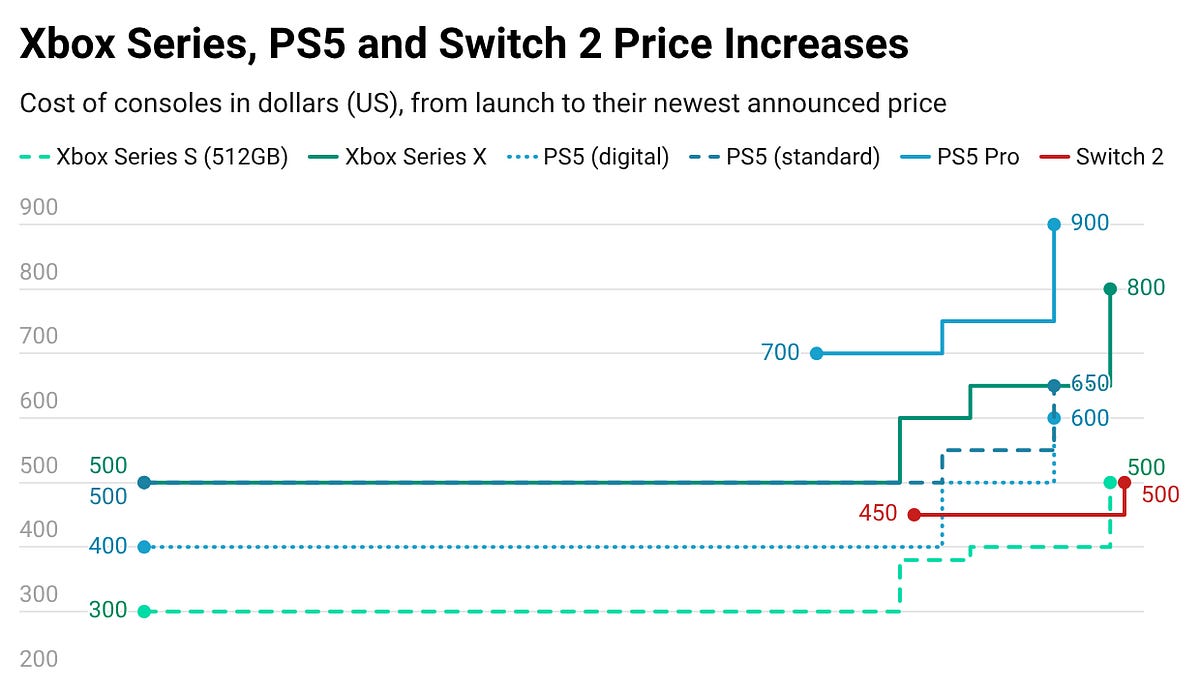
Microsoft’s latest price hike for the Xbox Series S and X, effective August 1, marks the third adjustment in just over a year. The Series S will rise from $300 to $500, while the Series X jumps from $500 to $800 in U.S. retail prices. The move follows similar increases by Sony for the PlayStation 5 and a forthcoming rise for Nintendo’s Switch 2, reflecting a broader trend of rising console costs across the industry. Microsoft attributes the hike to a sharp escalation in component prices—storage and memory have risen more than 2.5‑fold, with a projected doubling by fall 2027—arguing that consoles are typically sold at or below cost, unlike other consumer electronics. The article notes that Apple has also raised prices for Macs and iPads due to memory cost spikes, underscoring a systemic supply‑chain strain.
The piece juxtaposes this pricing trend with significant workforce reductions at Bungie, Sony’s 292‑person cut announced in Washington state. The layoffs target the Destiny 2 development team and Marathon staff, following Sony’s 2022 acquisition of Bungie for $3.7 billion. Bungie’s chief, Hermen Hulst, cited a need to realign resources with long‑term priorities after reviewing the studio’s direction and development pipeline. The article highlights Bungie’s historical success in shooter titles and fan disappointment over the discontinuation of Destiny 2, with speculation that a Destiny 3 launch is unlikely in the near term.
Overall, the narrative frames rising console prices as a symptom of broader semiconductor shortages and cost pressures, while corporate restructuring at major studios illustrates shifting strategic focus amid market volatility. The coverage covers North America, focuses on the 2026 fiscal year, and draws data from official company statements and industry announcements.
- Microsoft announced a third price hike in just over a year for Xbox Series consoles, effective August 1, 2026, raising the Xbox Series S from $300 to $500 and the Xbox Series X from $500 to $800.
- This Xbox price increase follows similar actions by Sony for PlayStation 5 consoles in Spring 2026 and a "slow-motion increase" for Nintendo's Switch 2 starting September 2026, indicating a broader industry trend of rising console prices.
- Console prices, which historically decreased over a generation, have surged over the past year, with eight video game industry price hikes occurring in six months of 2025 alone.
- Microsoft attributes the price increases to a components crisis, specifically a 2.5x increase in console storage and memory prices, with an expected doubling by Fall 2027, affecting the entire consumer electronics industry including Apple's computers and tablets.
- Sony-owned studio Bungie laid off at least 292 workers in Washington State, primarily from its Destiny development team and some from the Marathon team, to align resources with current priorities and long-term goals.
+1
Game FileJun 2026

Article
Grand Theft Auto VI: Pricing and Tiered Release Strategy
Grand Theft Auto VI will launch on November 19 for PlayStation 5 and Xbox Series X|S, with a single‑player campaign set in the fictional Floridian state of Leonida. Rockstar and Take Two have announced two price tiers: a standard edition priced at $80 and a deluxe edition at $100. The deluxe version bundles additional in‑game content such as exclusive vehicles, clothing, weapons and a special “illegal goods” store, but does not provide early access. The pricing reflects the decade‑long development cycle and the franchise’s high production values, following a trend that began with $70 titles at the start of the current console generation and $80 releases from Nintendo’s Switch 2 in June 2026.
Physical copies will be boxed and include a download code rather than a disc, a strategy aimed at reducing leaks while still offering a tangible product. No information has been released regarding an online multiplayer component; Rockstar confirmed that the launch will be single‑player only, leaving the future of a GTA VI Online mode uncertain. The article also notes that the in‑game $100 bills feature a character from Red Dead Redemption 2, hinting at possible narrative links between Rockstar’s major franchises. The piece draws on statements from Take Two CEO Strauss Zelnick and Rockstar’s public releases, contextualizing pricing within industry trends and past sales data.
- Grand Theft Auto VI will launch on November 19 for PlayStation 5 and Xbox Series X|S, priced at $80 for the standard edition and $100 for a deluxe edition.
- The $100 deluxe edition includes exclusive in-game content such as multiple exclusive stores, collectible classic cars, exclusive vehicles, clothes, weapons, and an exclusive 'illegal goods store' to rob, but does not offer early access.
- The game will be sold disc-free; boxed copies will contain a download code instead of a physical disc, despite previous statements from Take Two's CEO about a 'physical component'.
- The launch will focus solely on the single-player experience, with no information provided yet regarding GTA VI Online, unlike GTA V where the online component launched two weeks after the base game.
- The $80 price point for GTA VI represents an increase from the $60 standard price of GTA V in 2013, and the $70 standard price for big titles at the start of the current console generation.
+2
Game FileJun 2026
Article
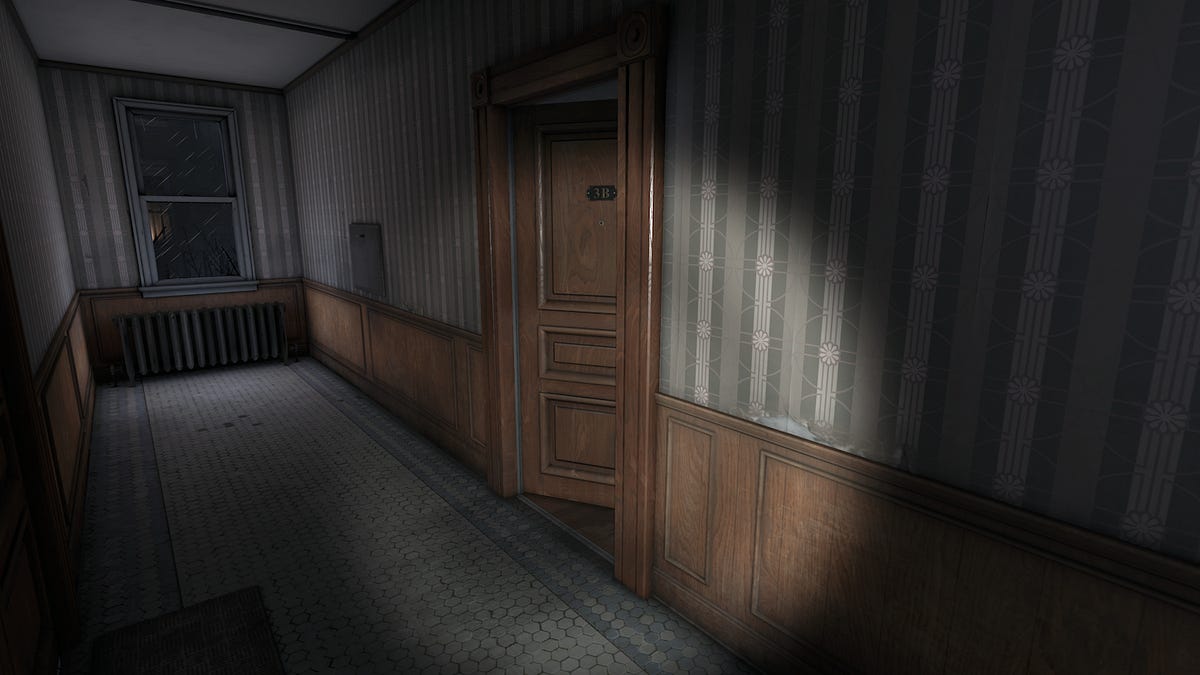
Netflix Proposes a Different Kind of Single-Player Video Game
Netflix’s latest venture into interactive entertainment centers on a 40‑minute first‑person horror experience titled Unhinged, slated for release in the platform’s Games section on June 30. The project, developed by Netflix‑owned studio Night School, departs from the company’s previous mobile and party‑game offerings by delivering a fully streamed 3D experience that runs on the TV while the player’s smartphone acts as both flashlight and in‑game phone interface. The design draws inspiration from early Wii motion titles, notably Ubisoft’s Red Steel, and leverages a 20‑developer team that spent 18 months prototyping the phone‑flashlight mechanic before final production.
The core thesis is that brevity lowers entry barriers for non‑gamers, especially horror enthusiasts accustomed to short, intense experiences. Netflix’s head of Night School, Sean Krankel, argues that a 30‑minute to one‑hour window aligns with viewers’ expectations for streaming content, potentially expanding the audience base beyond traditional gamers. No sequels or companion shorts are planned at launch; success will determine future investment in the format.
The scope is global, targeting Netflix’s worldwide subscriber base with no geographic restrictions noted. Methodologically, the article relies on first‑person gameplay observation and interviews with key developers, offering qualitative insights rather than quantitative data. The piece concludes by positioning Unhinged as a test case for Netflix’s broader strategy to integrate short‑form interactive content into its streaming ecosystem.
- Netflix is launching a new type of single-player video game called "Unhinged" on June 30, which is a 40-minute, scary, first-person suspense game streamed to TVs, using a phone as a flashlight/in-game phone controller.
- "Unhinged" was developed by Netflix-owned Night School studio (creators of Oxenfree) with a team of 20 developers over 18 months, following an earlier prototyping phase.
- Netflix's strategy with "Unhinged" is to attract horror and thriller film/TV fans to interactive gaming by offering short, accessible experiences that fit within typical viewing times (30 minutes to an hour), addressing concerns about time investment and skill thresholds in traditional games.
- The game streams 3D graphics to the TV and the virtual phone interface to the player's phone, allowing the phone to act as both a flashlight and an in-game phone for calls and texts.
- Star Wars Galactic Racer, a new racing game, features a roguelike (or "run-based") solo campaign where players progress through semi-randomized, branching events across multiple planets, with failure leading to new runs that retain some ability progression and upgrades.
+1
Game FileJun 2026