Game File
Media115 documents
Documents
Article
‘Most’ of Star Wars Zero Company Studio Bit Reactor Was Furloughed Ahead of Launch
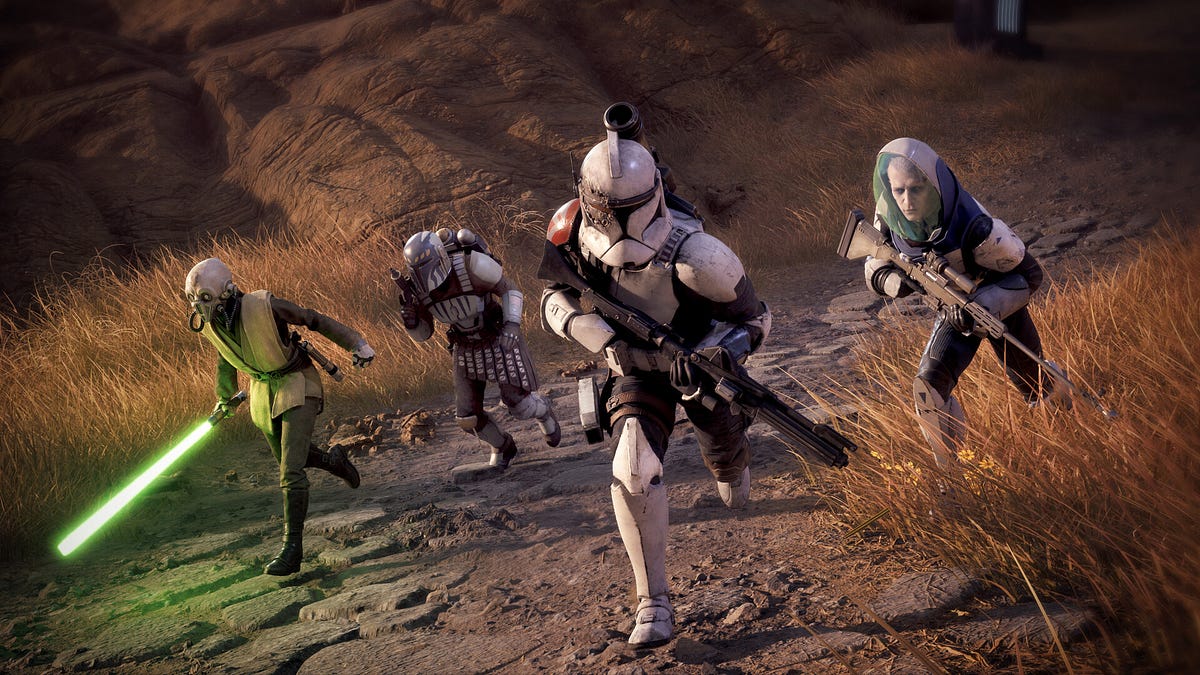
The Maryland-based game studio Bit Reactor, developer of the recently released title Star Wars Zero Company, has implemented significant staff furloughs despite the game’s commercial success and positive critical reception. Although the studio’s debut project currently ranks as a top-selling title on Steam, internal financial instability forced the company to place a substantial portion of its workforce on unpaid leave just weeks before the game’s late August 2026 launch.
Legal filings from an ongoing 2024 lawsuit between studio co-founders Greg Foertsch and Alison Kelly indicate that the scale of these personnel reductions is extensive. While the studio has not officially disclosed the exact number of affected employees, reports suggest that approximately 80% of the team was furloughed, leaving only a skeleton crew to manage post-launch technical support. The studio maintains that the decision was made independently of its publisher, Electronic Arts, and the intellectual property holder, Disney, citing a depletion of capital prior to the game's release.
The situation is further complicated by a high-stakes legal dispute regarding the ownership structure of the studio. Alison Kelly, the former chief operating officer, is currently suing for damages exceeding $20 million, alleging breach of contract and wrongful exclusion from ownership. Conversely, Greg Foertsch disputes her status as a co-owner, citing performance-related issues. With the trial postponed until 2027, the future of the studio’s workforce remains uncertain, as management hopes that the revenue generated from the successful launch of Star Wars Zero Company will eventually allow for the restoration of employee pay and the potential rehiring of staff.
- Bit Reactor furloughed approximately 80% of its workforce just weeks before the late August 2026 launch of its debut title, Star Wars Zero Company.
- Despite the game’s commercial success as a top-selling title on Steam and positive critical reception, the studio cited a depletion of capital as the primary driver for the unpaid leave.
- The studio is currently embroiled in a legal dispute between co-founders Greg Foertsch and Alison Kelly, with Kelly suing for over $20 million in damages regarding ownership and breach of contract.
- The ongoing lawsuit, which involves allegations of wrongful exclusion from ownership and performance-related disputes, has a trial date set for 2027.
- Bit Reactor maintains that the furlough decisions were made independently of publisher Electronic Arts and intellectual property holder Disney.
+1
Game FileSept 2026
Article
Facing Lawsuit, Sony Argues Digital Games Ownership
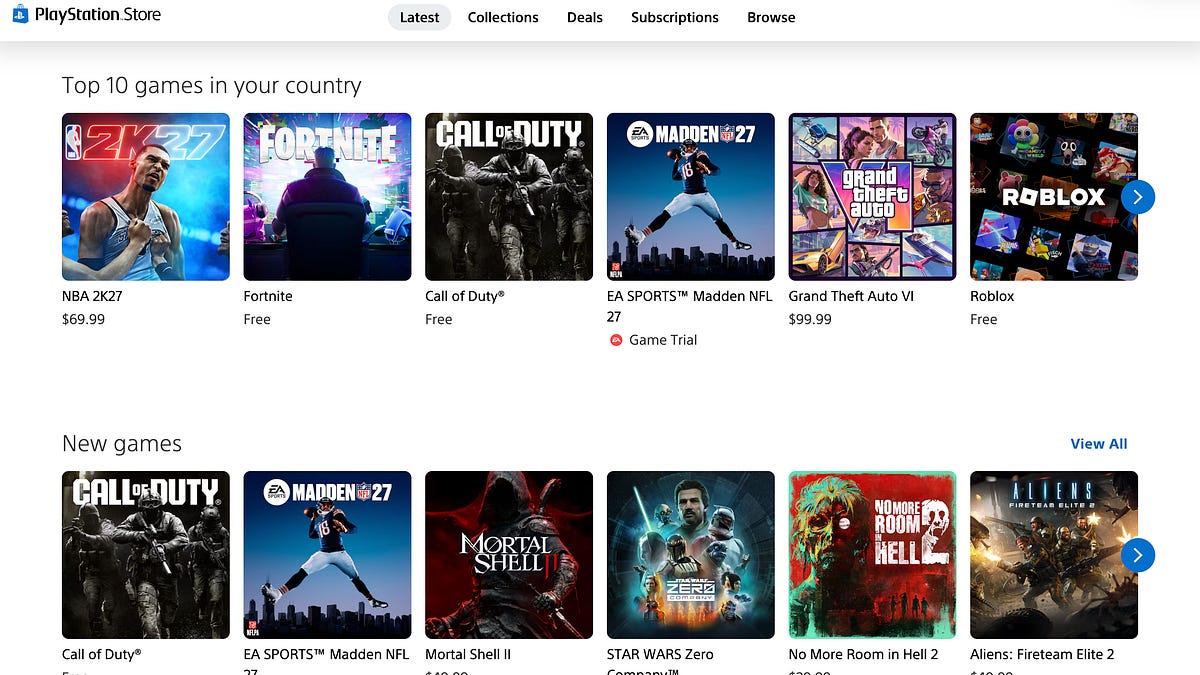
Sony is currently defending itself against a class-action lawsuit in California’s Northern District Court regarding the transparency of its digital game sales. The plaintiffs allege that Sony fails to adequately inform consumers that digital purchases constitute a limited license rather than permanent ownership, thereby violating a 2025 California law that mandates clear and conspicuous warnings for digital transactions.
In its August 2026 response, Sony maintains that its existing disclosures are sufficient to prevent a reasonable consumer from being misled. The company points to links provided during the checkout process that direct users to its Terms of Service and Software Product Licensing Agreement, which explicitly state that software is licensed rather than sold. Sony further argues that the nature of digital goods inherently distinguishes them from physical property, asserting that consumers should intuitively understand that digital copies do not confer the same ownership rights as physical items.
The legal dispute centers on the interpretation of "clear and conspicuous" disclosure requirements under state law. While the plaintiffs contend that burying these terms within lengthy legal documents is insufficient, Sony maintains that its current purchase flow provides adequate notice. This case highlights the ongoing tension between digital storefront practices and evolving consumer protection regulations regarding the distinction between purchasing a product and acquiring a revocable license.
- Sony is defending a class-action lawsuit in California’s Northern District Court over whether its digital storefront adequately informs consumers that purchases are limited licenses rather than permanent ownership.
- The litigation centers on a 2025 California law that mandates clear and conspicuous warnings for digital transactions, which plaintiffs claim Sony failed to provide.
- In an August 2026 court filing, Sony argued that its existing checkout process, which links to its Terms of Service and Software Product Licensing Agreement, provides sufficient notice to a reasonable consumer.
- Sony maintains that the inherent nature of digital goods should lead consumers to intuitively understand that they are acquiring a revocable license rather than physical property.
- The case highlights a growing legal conflict between digital storefront practices and evolving consumer protection regulations regarding the distinction between product ownership and licensing.
+1
Game FileAug 2026
Article
A Compressed Look at GTA VI
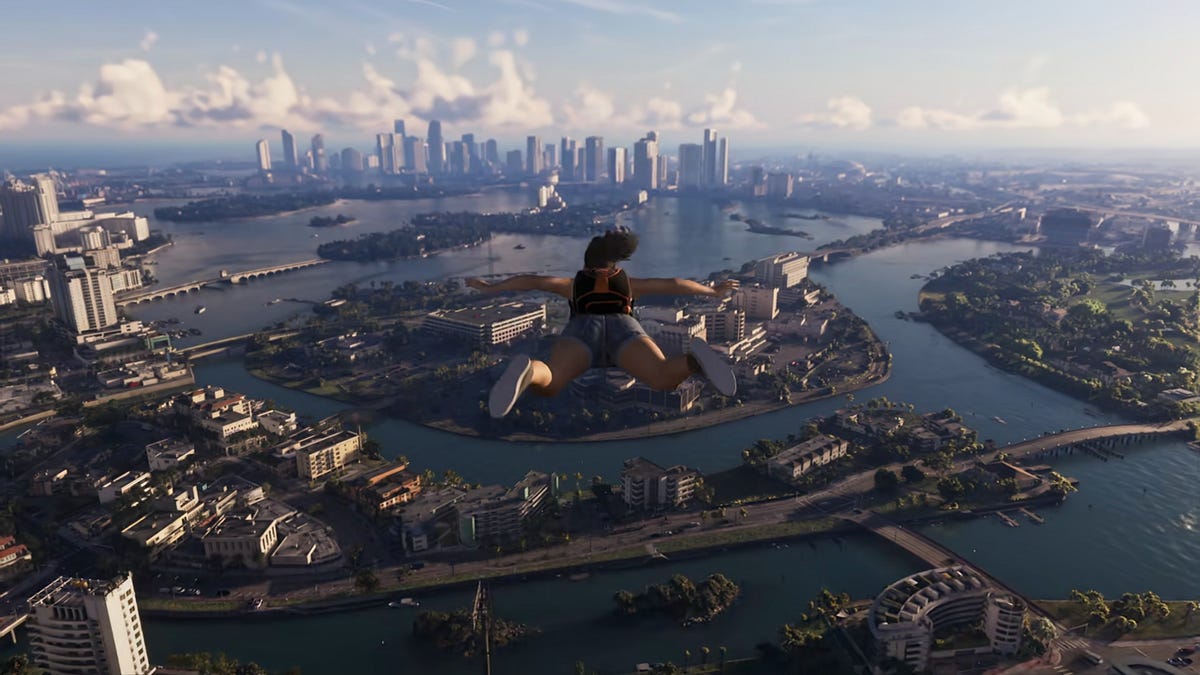
This summary synthesizes key details regarding the August 2026 unveiling of Grand Theft Auto VI, following an official gameplay debut on Netflix and exclusive media previews conducted at Rockstar North’s headquarters in Edinburgh. The primary objective is to provide a technical and narrative overview of the highly anticipated title, highlighting its scale, gameplay duration, and technical presentation.
Key data points reveal the significant scope of the game’s environment and content. The playable map in Leonida is reported to be three times the size of the playable area found in Red Dead Redemption 2. Regarding gameplay length, a standard playthrough covering the main story and select optional narrative objectives requires approximately 80 hours, based on internal testing conducted by Rockstar North leadership in February 2026. The official gameplay demonstration consisted of a 26-minute extended look captured on PlayStation 5 hardware.
The presentation emphasizes a Bonnie-and-Clyde-inspired narrative structure centered on a criminal couple. Beyond the core mechanics, the previews highlight unique interactive elements, such as the ability for in-game pets to predict lottery results. These findings reflect a high-fidelity, expansive open-world experience, positioning the title as a major evolution in Rockstar Games’ development trajectory. The information is derived from direct observation of the Netflix-premiered footage and corroborated by reports from major industry outlets granted early access to the studio.
- Rockstar Games revealed 26 minutes of official gameplay for Grand Theft Auto VI, set in the fictional state of Leonida and captured on PlayStation 5 hardware.
- The game's map is three times larger than the playable area featured in Red Dead Redemption 2.
- A standard playthrough of the main story, including some optional narrative-driven goals, takes approximately 80 hours to complete.
- The game features a Bonnie-and-Clyde style, dual-protagonist criminal narrative structure.
- Gameplay mechanics include unique interactive elements such as a pet dog capable of predicting lottery results.
+1
Game FileAug 2026
Article
Take Two’s GTA VI Leak Dragnet Got Me, for Some Reason
Take-Two Interactive has intensified its efforts to suppress unauthorized leaks of Grand Theft Auto VI, employing aggressive copyright enforcement tactics that have resulted in the mass removal of content on X. These enforcement actions, managed by the online brand protection firm Ebrand, utilize Digital Millennium Copyright Act (DMCA) takedown notices to target hundreds of posts simultaneously. The scope of this dragnet has extended beyond direct leaks, erroneously capturing legitimate journalistic reporting, AI-generated summaries, and official promotional assets.
The methodology behind these takedowns appears to rely on automated, broad-spectrum flagging rather than nuanced human review. In one instance, a journalist’s post containing public court documents and an executive’s statement was flagged for trademark infringement, despite the content lacking any actual game imagery or proprietary assets. Similarly, Ebrand targeted a GameSpot post that featured an official, publicly authorized screenshot provided by Rockstar Games for press use. The mass filing cited 300 distinct URLs, suggesting a systemic reliance on algorithmic filtering that fails to distinguish between infringing material and protected, non-infringing content.
These findings highlight a growing tension between game publishers’ rights to protect intellectual property and the collateral impact on digital discourse. While Take-Two’s objective is to identify the source of unauthorized gameplay leaks, the breadth of these enforcement actions has raised significant concerns regarding overreach. By sweeping up public records and authorized media, the current enforcement strategy demonstrates a lack of precision that risks silencing legitimate reporting and misidentifying fair use, ultimately questioning the accuracy and accountability of the automated tools employed by brand protection agencies.
- Take-Two Interactive, through its brand protection firm EBRAND, issued a bulk DMCA takedown notice on X that targeted 300 posts related to Grand Theft Auto VI leaks.
- The takedown campaign resulted in the temporary suspension of journalist Stephen Totilo’s X account for posting screenshots of public court documents and an executive's tweet, which contained no leaked game footage.
- The automated or broad-reaching nature of the enforcement also flagged content from X’s AI, Grok, and major gaming outlets like GameSpot.
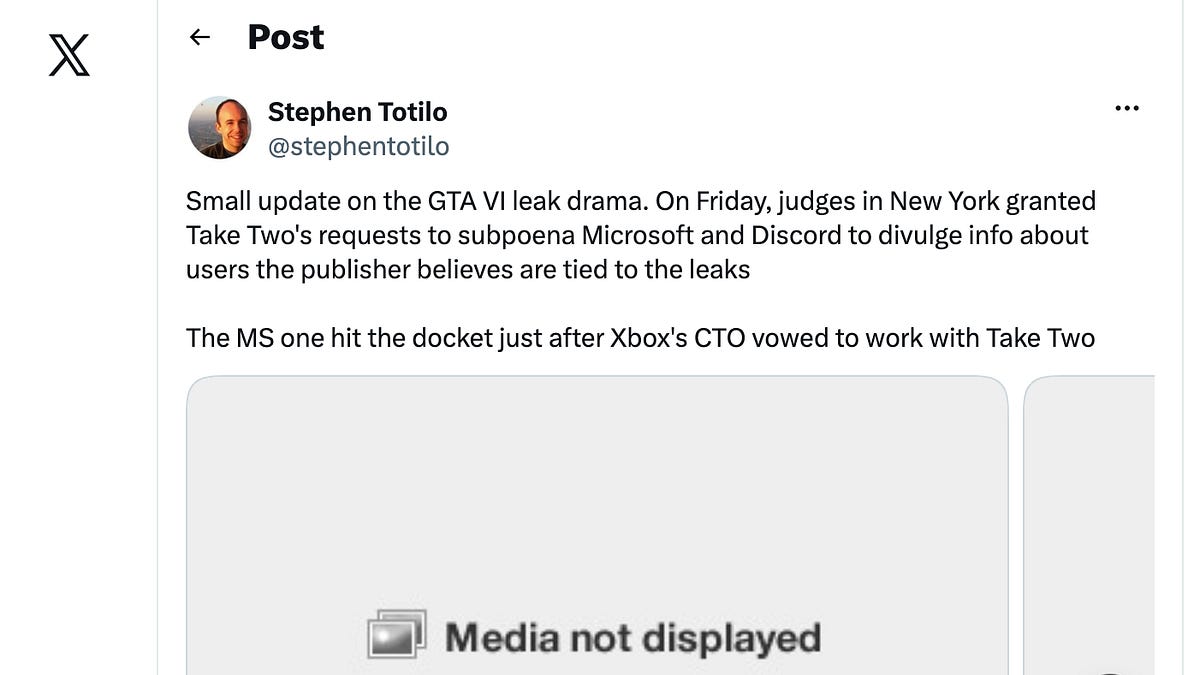
- Take-Two is currently pursuing aggressive legal strategies to identify leakers, including obtaining court-ordered subpoenas for Microsoft and Discord user data.
- Some flagged content included official promotional assets provided by Rockstar Games, suggesting significant overreach in the automated copyright enforcement process.
Game FileAug 2026
Article
China Flexes at Gamescom
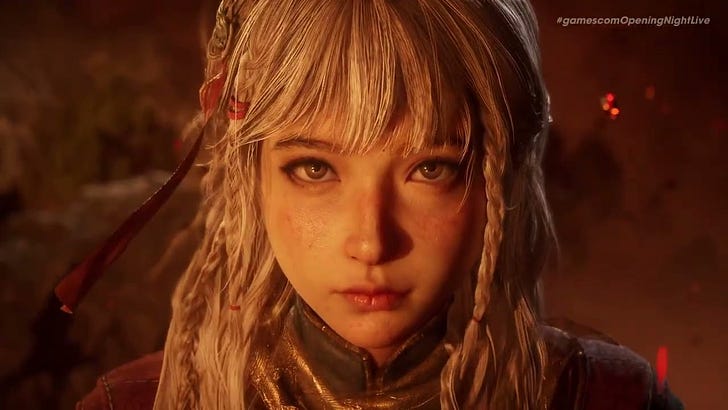
The August 2026 Gamescom Opening Night Live showcase highlighted a significant shift in the global gaming landscape, characterized by the prominent presence of Chinese game studios. Rather than focusing on a single genre or visual aesthetic, these developers presented a diverse array of titles, including dark fantasy action games, cozy simulations, open-world city adventures, and historical shooters. This trend underscores a strategic move by Chinese developers to expand beyond mobile platforms into the PC and console markets, marking a departure from the previous industry pattern of Western studios being acquired or shuttered by Chinese conglomerates like Tencent and NetEase.
Key titles featured during the event included miHoYo’s dark fantasy project Nodusfall, Naked Rain’s open-world action game Ananta, and Nekcom’s post-apocalyptic RPG Showa American Story. Furthermore, the influence of Chinese development was evident even in Western-led projects, such as the upcoming remake of Heroes of Might and Magic III, which is being spearheaded by Ubisoft’s studios in Chengdu and Shanghai. These examples demonstrate that China-based studios are increasingly driving high-profile, multi-platform development efforts.
Beyond the focus on Chinese industry growth, the event served as a broader industry barometer, featuring updates on various international projects such as Ubisoft’s Rainbow 6 Tactics, Paradox Interactive’s Afterworld, and the sci-fi title Exodus from Wizards of the Coast. The showcase provided a snapshot of the evolving international development ecosystem, emphasizing that Chinese studios are now central, rather than peripheral, participants in the global console and PC gaming market.
- Chinese game studios dominated the GamesCom Opening Night Live showcase, featuring prominent reveals from developers like miHoYo, NetEase, TiGames, and Hoothanes.
- Major Chinese-led projects include miHoYo's dark fantasy co-op game 'Nodusfall', NetEase subsidiary Naked Rain's 'Ananta' (releasing January 15, 2027), and a remake of 'Heroes of Might and Magic III' led by Ubisoft’s Chengdu and Shanghai studios.
- Take-Two is pursuing a subpoena against YouTube and X to identify the source of 14 recent 'GTA VI' leaks, with plans to request personal information for members of targeted Discord groups.
- Nintendo will increase the price of the Switch 2 in the U.S., Canada, and Europe from $450 to $500 starting September 1, partially offsetting the hike with new hardware bundles.
- The physics-based multiplayer game 'How To Fish' achieved one million copies sold within two days of release, utilizing an aggressive pricing strategy of $8 discounted to $5.
+2
Game FileAug 2026
Article
GTA VI’s Week of Leaks
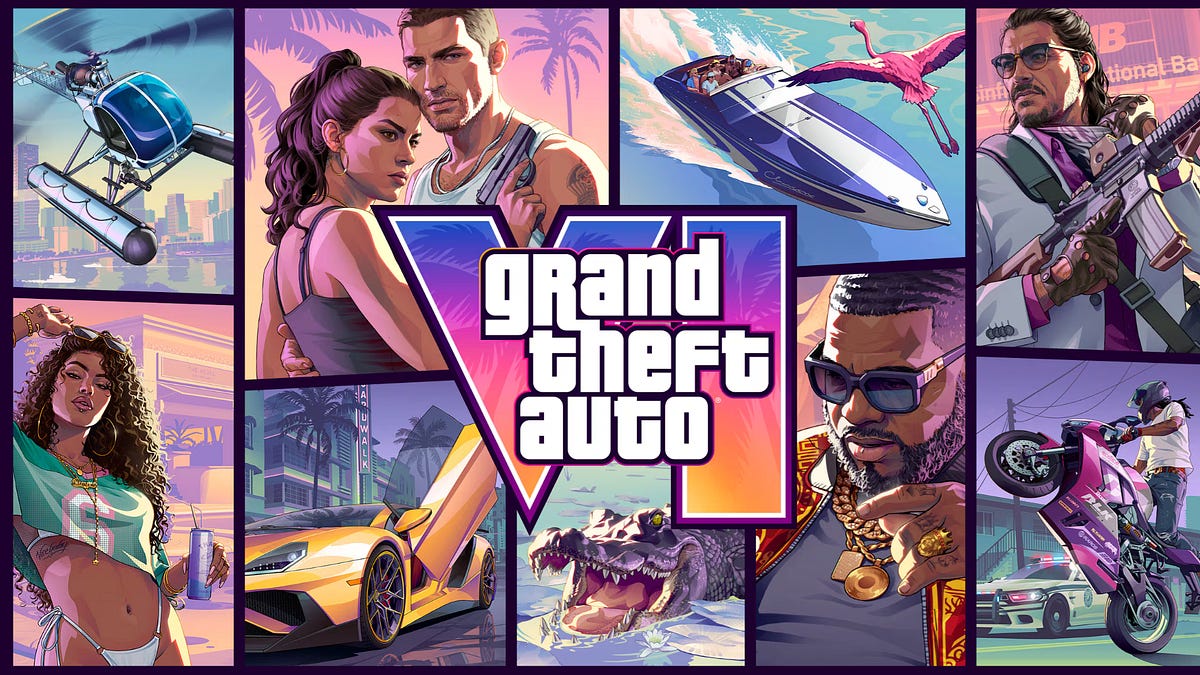
The video game industry is currently navigating a significant security breach involving Rockstar Games’ upcoming title, Grand Theft Auto VI. Throughout the week of August 21, 2026, an entity operating under the handle CyberLeek released multiple gameplay clips, demonstrating unauthorized access to a development build of the game. The leaks were accompanied by a manifesto demanding that game companies cease digital pre-orders, avoid fake single-player downloadable content, and maintain offline modes for online titles. Despite the ideological framing of these demands, the leaks have been widely condemned by industry observers and advocacy groups, who emphasize the negative impact on the developers involved.
In response to the breach, Take-Two Interactive has initiated legal action, successfully obtaining court approval to subpoena Discord and Microsoft for information regarding the accounts associated with the leaks. This incident follows a history of similar security challenges for the publisher, including a major 2022 breach of the same franchise. While Rockstar has moved to remove the unauthorized footage, the company has not provided official comments regarding the age or authenticity of the leaked material.
Broader industry data from July 2026 highlights a challenging economic environment. Total U.S. spending on video game content, hardware, and accessories reached $4.5 billion, representing a 10% year-over-year decline, with console sales hitting their lowest point since 2020. Physical game sales reached an all-time low of $85 million, underscoring a continued shift toward digital distribution. Additionally, the industry has seen several strategic pivots, including the discontinuation of active development for Riot Games’ 2XKO and the reboot of Sony’s multiplayer project, Horizon: Hunters Gathering, following poor internal testing results.
- Take-Two Interactive has initiated legal action by subpoenaing Discord and Microsoft to identify the sources behind a series of unauthorized GTA VI gameplay leaks occurring in August 2026.
- The leaked GTA VI footage was accompanied by a manifesto demanding that game companies cease digital pre-orders, provide offline modes, and avoid 'fake' single-player DLC.
- Riot Games will end active development on its fighting game 2XKO in December 2026, citing a failure to gain sufficient traction with the broader fighting game community.
- Sony has rebooted development of the multiplayer title Horizon: Hunters Gathering following poor internal player feedback during private testing.
- Compulsion Games and Double Fine have both completed management buyouts from Microsoft to become fully independent studios.
Game FileAug 2026
Article
This New Video Game’s Dirt Sounds Amazing
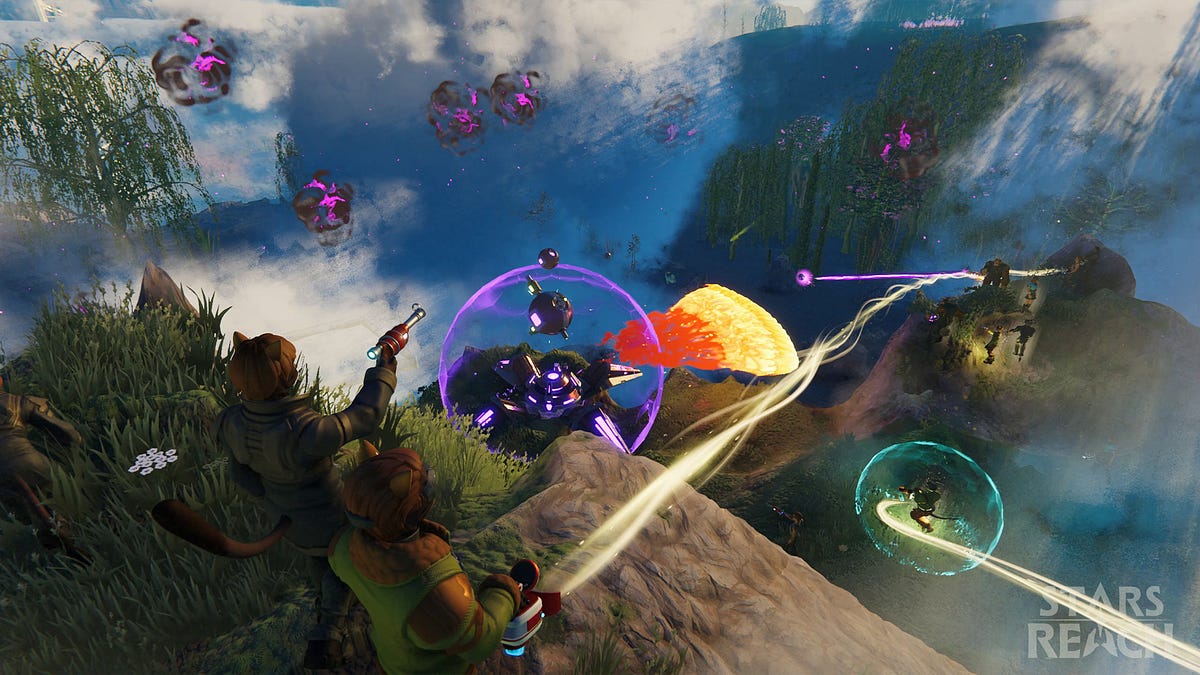
The development of the upcoming massively multiplayer online game Stars Reach represents a significant effort to innovate within the MMO genre through advanced environmental simulation. Led by veteran designer Raph Koster, the project is backed by $45 million in funding and focuses on creating a highly reactive, physically accurate virtual world. The core thesis of the project centers on providing players with unprecedented agency over the game’s terrain, allowing for complex interactions that mirror real-world geological and chemical processes.
Key technical features highlighted in the development preview include a sophisticated terraforming system that incorporates over 200 distinct types of materials and minerals. These elements are designed to behave according to physical laws, such as soil composition affecting structural integrity and the ability to transition materials through states of matter—for instance, melting sand into glass or liquefying rock into lava. Furthermore, the game introduces a "chronophaser" mechanic, which enables players to manipulate the geological time of the environment, facilitating rapid erosion or the reversal of material states.
The scope of this project is ambitious, aiming to redefine player interaction with virtual environments by moving beyond static backdrops toward a dynamic, simulation-heavy experience. By prioritizing granular environmental detail, the development team seeks to establish a new standard for immersion in the MMO space. These findings are based on a hands-on demonstration and interview conducted in Los Angeles, reflecting the design philosophy driving the current production phase of the title.
- The upcoming MMO Stars Reach, developed by Playable Worlds, has secured $45 million in funding.
- The game features a highly detailed terraforming system that simulates over 200 types of materials and minerals with physically accurate behaviors.
- Players can manipulate the environment using a 'chronophaser' tool to accelerate or reverse geological time, allowing for processes like eroding marble into sand or melting sand into glass.
- The game's terrain engine includes complex soil mechanics, such as varying pH levels that influence how tunnels and caves collapse.
- Stars Reach is led by Raph Koster, a veteran designer known for his previous work on Ultima Online and Star Wars Galaxies.
Game FileAug 2026

Article
Sale ends today - Get Game File for 23% off
This announcement serves as a final promotional call for a subscription discount to Game File, a publication focused on the business and culture of the video game industry. Published on August 14, 2026, the notice highlights a limited-time offer providing a 23% reduction on the standard annual subscription rate, lowering the cost from $100 to $77. The promotion is positioned as a strategic effort to sustain independent, reader-funded journalism within the gaming sector.
The publication emphasizes its commitment to original reporting, noting that it produces content at least three times per week. Recent editorial output includes investigations into high-budget development costs for major franchises like Call of Duty, analysis of Nintendo sales performance, and coverage of corporate developments such as studio closures at Netflix. The author underscores that these insights are made possible solely through direct reader support, as the platform operates without external institutional funding.
The scope of the publication covers a broad spectrum of industry news, ranging from investigative features on legal disputes and game development history to analysis of current market trends and corporate strategy. By offering this discount, the publication aims to mitigate the impact of subscription fatigue and economic pressures on its audience while securing the necessary resources to maintain its editorial independence and investigative depth.
- Game File, a publication covering the business and culture of video games, held a promotional sale ending August 14, 2026, offering an annual subscription for $77, down from the standard $100.
- The publication, authored by Stephen Totilo, operates as an independent outlet with over 28,000 subscribers and publishes original news at least three times per week.
- Recent reporting from the outlet includes coverage of two Netflix game studio closures and a dispute involving a CEO-to-CEO remark in a game trailer.
- The outlet recently analyzed Nintendo sales data to evaluate the performance of the latest Mario Kart title.
- The publication has previously covered high-profile industry topics, such as nine-figure development budgets for Call of Duty titles and a false advertising lawsuit regarding a Star Wars game.
Game FileAug 2026
Article
Netflix to Shut Down Two More Game Studios
Netflix is further scaling back its internal video game development operations by closing two studios: the Los Angeles-based Night School and the Helsinki-based Moonloot. This decision follows a series of recent organizational shifts, including the closure of Team Blue and Boss Fight, as well as the divestment of Spry Fox. These moves reflect a broader strategic pivot toward prioritizing specific gaming categories, such as party games, story-driven titles, and mainstream-oriented experiences, while simultaneously reducing the company's reliance on a large roster of internal production studios.
The closures are part of a wider trend of consolidation and cost-cutting currently affecting the global gaming industry, with major entities like Sony, Ubisoft, and Microsoft similarly reducing their studio footprints. For Netflix, the shift mirrors its established business model for film and television, which relies heavily on external production rather than internal studio ownership. While the company continues to invest in gaming as a value-add for subscribers, it is increasingly focusing its internal resources on a centralized team that collaborates with external developers and maintains a smaller, specialized first-party presence.
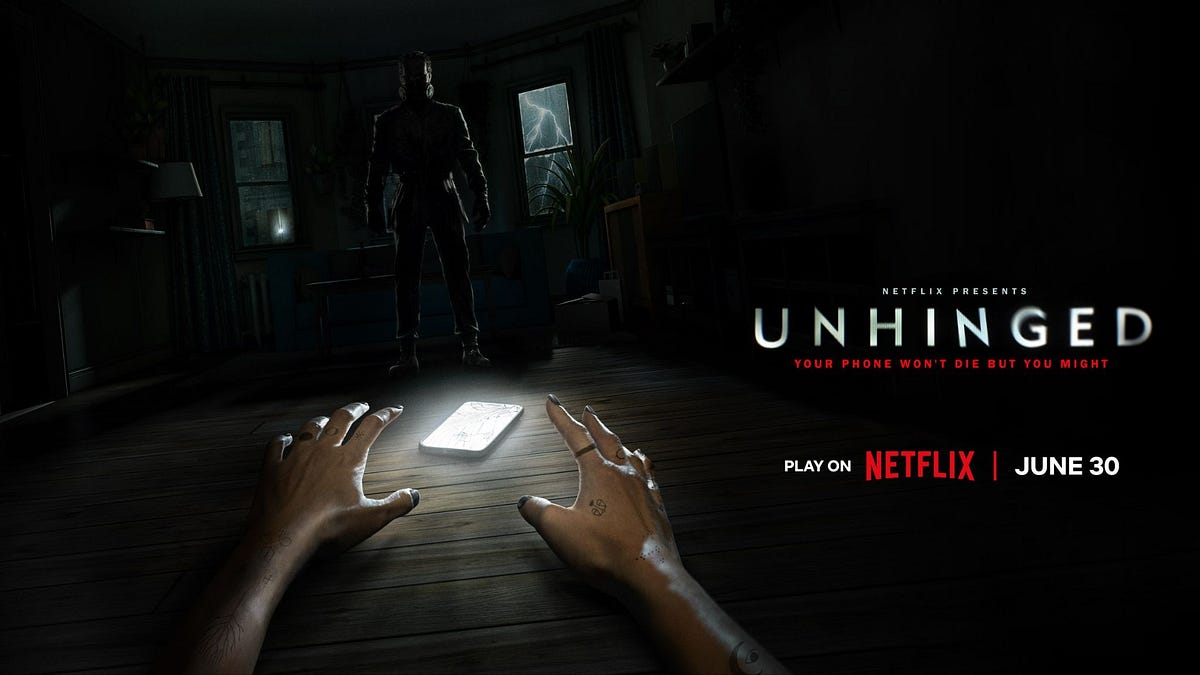
Despite the recent release of the horror title Unhinged, which received positive internal feedback regarding its performance, the company remains committed to organizational changes aimed at sharpening its execution. The exact number of job losses resulting from these latest closures remains undisclosed. As Netflix continues to refine its gaming strategy—moving away from mobile-exclusive content toward TV and PC streaming—it faces ongoing market skepticism, with few major upcoming projects currently announced to signal a long-term shift in its gaming trajectory.
- Netflix is shutting down two internal game studios: Los Angeles-based Night School, acquired in 2021, and Helsinki-based Moonloot, founded in 2022.
- The closures are accompanied by additional job cuts within Netflix’s internal games team, though the company has declined to disclose the specific number of employees affected.
- Netflix is pivoting its gaming strategy to prioritize kids' content, party games, story-driven titles, and mainstream-appeal games like its recently released FIFA title.
- This move continues a pattern of downsizing for Netflix, which has previously shut down studios like Team Blue and Boss Fight, and sold the cozy-game studio Spry Fox back to its founders.
- Netflix is shifting its operational model away from maintaining a large roster of internal studios, moving toward a structure that relies more heavily on external developers, similar to its film and television production strategy.
+2
Game FileAug 2026
Article
Saber Denies Replacement Claim, as CEO Publicly Insults Former Writer Who Called Out AI Usage
Saber Interactive has faced public scrutiny regarding the development of its upcoming title, Rideshare Stimulator, following allegations from a former lead writer that she was replaced by generative AI. The company has formally denied these claims, asserting that its writing staff has tripled since 2023 and that the game’s primary narrative was authored entirely by human writers. Saber clarified that generative AI is utilized solely for an experimental, free-ride side mode, where it generates batches of dialogue that are subsequently reviewed and edited by human staff to ensure they remain within established creative guardrails.
The controversy intensified when Saber CEO Matt Karch issued public statements dismissing the former employee’s claims and questioning her professional contributions to the project. These remarks, which were widely perceived as unprofessional and aggressive, have drawn significant criticism from the gaming community and sparked negative discourse on the game’s Steam forums. The situation highlights ongoing industry tensions regarding the integration of generative AI in creative workflows and the transparency requirements mandated by platforms like Valve, which now necessitate disclosures for games utilizing such technology.
While Saber maintains that its use of AI is a cost-efficient method to facilitate an infinite variety of passenger interactions, the incident underscores the reputational risks associated with the intersection of emerging technology and labor relations. Despite the company’s insistence that no employees have been displaced by automation, the public fallout from the CEO’s comments has overshadowed the technical explanation of the game's development process. Saber has indicated that a formal AI disclosure will be added to the game's storefront page in accordance with current industry standards.
- Saber Interactive CEO Matt Karch confirmed that the upcoming game 'Rideshare Stimulator' uses generative AI to create batches of dialogue for an experimental side mode, though he maintains the main game script was written entirely by humans.
- Former lead writer Stella Sacco publicly alleged that she was replaced by ChatGPT in late 2023, a claim Saber Interactive has formally denied while asserting that its total writing staff has tripled since 2023.
- Saber Interactive clarified that the AI-generated dialogue is produced offline via writer-led prompts rather than being generated in real-time by an active server, making the implementation cost-efficient.
- Saber Interactive intends to add an AI disclosure to the game's Steam page, complying with Valve’s 2024 policy requiring developers to label games that use generative AI to create in-game content.
- The controversy escalated after CEO Matt Karch publicly insulted the former writer in a statement provided to the press, drawing significant backlash from the gaming community on social media and Steam forums.
+1
Game FileAug 2026
Article
Mario Kart World Can't Quite Shake Mario Kart 8 Deluxe, Nintendo Sales Reports Show
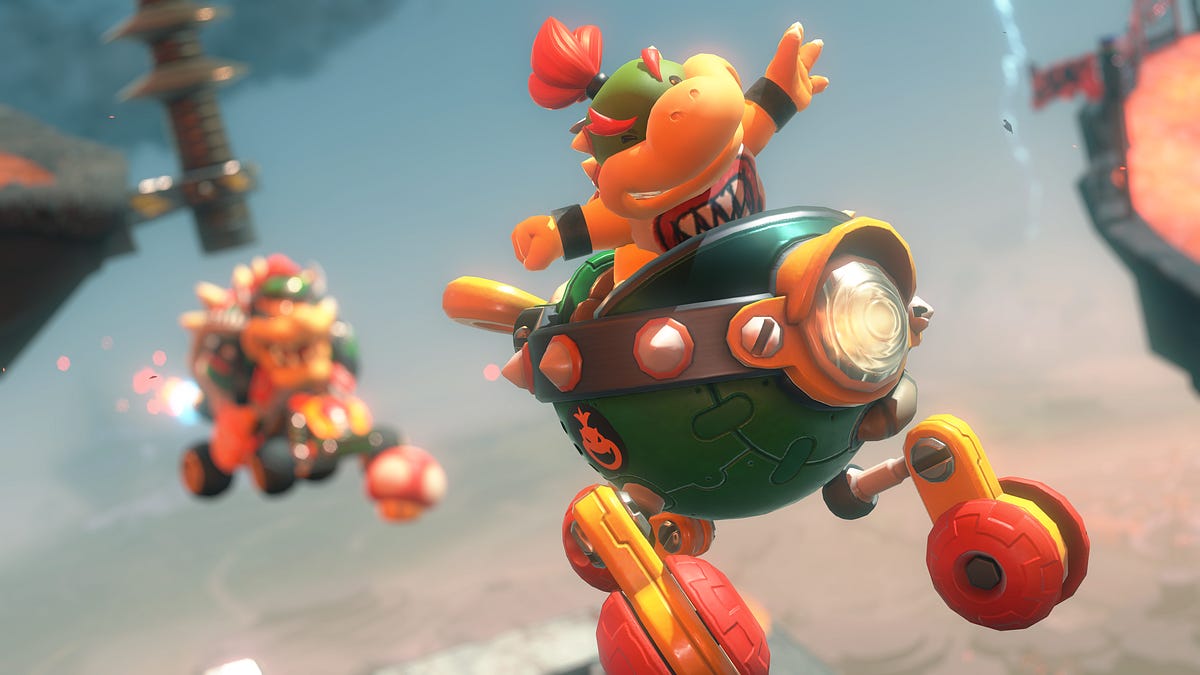
This analysis examines the competitive tension between Nintendo’s legacy title, Mario Kart 8 Deluxe, and its recent successor, Mario Kart World, to determine how backwards compatibility and pricing strategies influence consumer behavior. The primary thesis suggests that the enduring popularity of the nine-year-old Mario Kart 8 Deluxe is actively cannibalizing sales of the newer, more expensive sequel, posing a significant challenge for Nintendo as it manages its internal software ecosystem on the Switch 2 hardware.
Data from the second quarter of 2026 reveals that Mario Kart 8 Deluxe sold 450,000 units at a $60 price point, while the newer Mario Kart World, released in June 2025, sold 690,000 units at an $80 price point. Despite the newer game’s higher volume, the performance of the older title remains remarkably resilient. Notably, sales of Mario Kart 8 Deluxe relative to the original Switch installed base have actually increased since the launch of the Switch 2. Conversely, sales of Mario Kart World have experienced a sharp decline relative to the Switch 2 hardware base, a trend exacerbated by the cessation of hardware-software bundling.
The findings highlight a broader industry dilemma regarding the lifecycle of mega-franchises. When consumers are presented with a choice between a highly polished, lower-cost legacy title and a premium-priced sequel on the same platform, the older game maintains a competitive advantage. This dynamic suggests that Nintendo faces a unique internal conflict, as the backwards compatibility of the Switch 2 allows its massive library of legacy hits to compete directly against its current software lineup, potentially hindering the market penetration of new releases.
- Between April 1 and June 30, 2026, the nine-year-old Mario Kart 8 Deluxe sold 450,000 units at $60, while the newer Mario Kart World sold 690,000 units at $80.
- Mario Kart 8 Deluxe maintains strong sales momentum, with its performance relative to the original Switch install base actually increasing following the launch of the Switch 2.
- Mario Kart World sales have dropped significantly relative to the Switch 2 install base since Nintendo discontinued the practice of bundling the game with new hardware.
- Because Mario Kart 8 Deluxe is backwards compatible with the Switch 2, it currently competes directly against the newer Mario Kart World for the same consumer base.
- The resilience of the older title suggests that a $20 price difference and the presence of a polished predecessor can create significant market friction for new flagship sequels.
+1
Game FileAug 2026
Article
My Visits to Rockstar Games
Rockstar Games has undergone a profound structural and cultural evolution, transitioning from a prolific, controversy-driven studio into a centralized powerhouse focused on singular, massive releases. During the mid-2000s, the company maintained a high-frequency development cycle and cultivated a rebellious public persona, often engaging directly with the press to showcase technical innovations like the physics engines and integrated multiplayer systems found in titles such as Grand Theft Auto IV. This era was defined by a combative relationship with external critics, where public opposition—most notably from figures like Jack Thompson—frequently functioned as an unintended promotional engine for the studio’s provocative content.
In the contemporary landscape, this operational model has shifted toward a more guarded and consolidated approach. The current development cycle for Grand Theft Auto VI reflects a departure from the intimate, hands-on media previews that once characterized the studio’s marketing strategy. By withholding traditional access and maintaining a more reserved public presence, the organization signals that it no longer feels compelled to justify its creative direction or engage in the public discourse that previously defined its brand identity.
This shift marks a maturation of the studio’s influence within the global gaming industry. By concentrating its collective resources on fewer, larger projects, the company has moved beyond the need for the aggressive, controversy-courting tactics of its past. The current strategy suggests a position of market dominance where the quality and scale of the product are intended to speak for themselves, effectively rendering the studio’s former reliance on media scrutiny and public debate obsolete.
- Rockstar Games has shifted from a highly prolific studio model, where multiple teams developed separate titles simultaneously, to a consolidated structure where the entire company focuses on a single major project at a time.
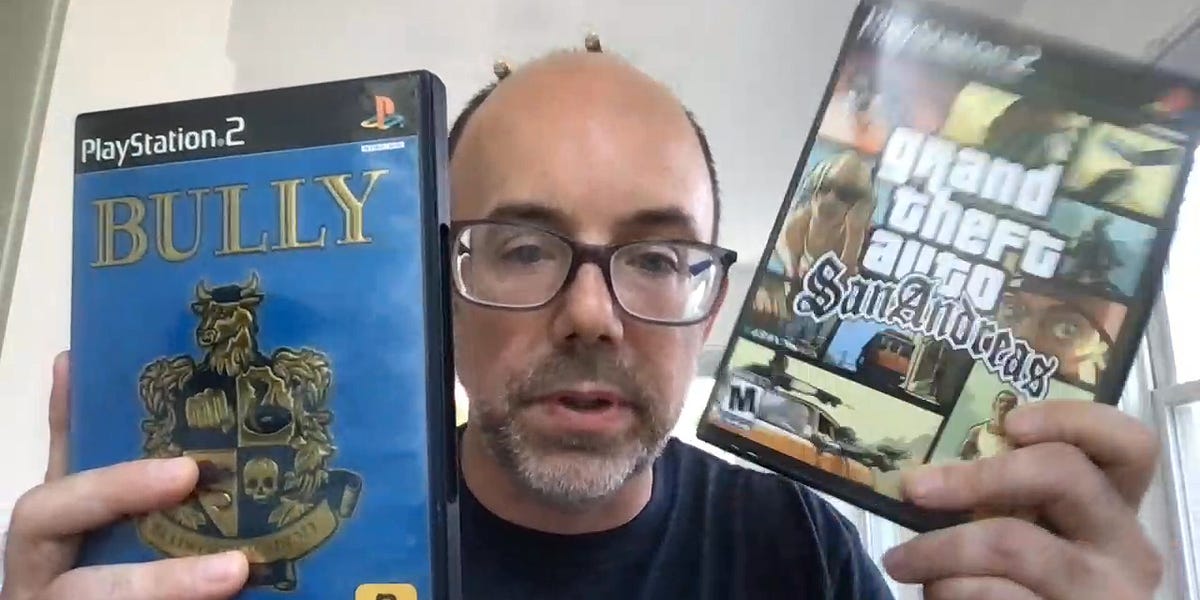
- Between 2006 and 2008, Rockstar maintained a frequent release cadence, launching titles including 'Rockstar Games Presents Table Tennis,' 'Bully,' 'Grand Theft Auto: Vice City Stories,' 'Manhunt 2,' and 'Grand Theft Auto IV.'
- During the mid-2000s, Rockstar actively cultivated a 'bad boy' reputation and frequently engaged in public controversy, such as the 2007 struggle to release 'Manhunt 2' after the ESRB initially assigned it an Adults-Only (AO) rating.
- Rockstar’s historical marketing strategy involved hosting intimate, hands-on preview events for media and influencers in unconventional locations, such as a 100-foot-long private apartment in New York City for the 2006 'Table Tennis' launch.
- The development of 'Grand Theft Auto IV' faced significant technical challenges related to the PlayStation 3 architecture, which contributed to a release delay announced in August 2007.
+1
Game FileAug 2026