Wittle Defender represents a strategic pivot for Habby, signaling a departure from traditional hybrid-casual models toward a more complex, hardcore RPG structure. The game features deep meta-progression, including squad-based mechanics, gear grinding, rune systems, and extensive gacha elements. This design shift prioritizes long-term player engagement and high-value monetization over the broad, ad-driven appeal characteristic of the studio’s previous hits like Survivor IO.
Financial performance data highlights this transition, with daily revenue reaching approximately $300,000 against 40,000 daily downloads. Notably, ad revenue now accounts for only 20 to 24 percent of total earnings, as the game relies heavily on in-app purchases and sophisticated progression hooks. Geographically, the title demonstrates a strong focus on Asian markets, with Taiwan, China, South Korea, and Hong Kong collectively driving the vast majority of revenue, while the United States contributes only 8 percent.
The marketing strategy reflects this hardcore orientation, utilizing creative assets that mirror established RPGs and simulation titles rather than casual-market tropes. By emphasizing multi-layered progression and deep monetization, the studio is effectively targeting a niche, high-spending audience rather than attempting to capture the mass-market scale of its earlier portfolio. This shift underscores a broader industry trend where developers are increasingly moving away from hybrid-casual monetization in favor of deeper, more intensive engagement models designed for specific regional preferences and dedicated player bases.
The mobile simulation game sector is currently leveraging highly effective, psychologically driven advertising strategies to capture user attention and drive engagement. The primary objective of these campaigns is to move beyond traditional gameplay representation by tapping into core human desires for order, power, and sensory satisfaction. By analyzing recent creative trends across major industry players, it is evident that successful advertisements prioritize emotional triggers over literal depictions of core game mechanics.
The central thesis posits that the most successful simulation ads function by presenting viewers with a chaotic or broken scenario that demands immediate resolution. This "fix this mess" approach provides a sense of instant gratification and creates a compelling, ASMR-like experience that draws users into the game environment. These creatives often utilize "problem-obsessed" narratives that transform complex economy-juggling or world-building tasks into simplified, high-stakes challenges. This strategy effectively sells a power fantasy, positioning the player as the essential agent of change in a disordered world.
While these tactics sometimes involve bending the truth regarding actual gameplay, they remain highly effective at securing user interest in a competitive mobile market. The industry is shifting toward these hypnotic, high-engagement hooks as a standard for user acquisition. By focusing on the psychological urge to repair and optimize, developers are successfully converting casual viewers into active players, proving that the perception of agency and the promise of satisfying resolution are more potent than accurate feature lists in modern mobile advertising.
The integration of artificial intelligence into mobile game advertising enables lean teams to produce high-quality creative assets within significantly compressed timelines. By leveraging a strategic workflow of seven distinct AI tools, production cycles for professional-grade advertisements can be reduced from one week to a single day. This approach demonstrates that modern creative production relies less on traditional, resource-heavy pipelines and more on the precise application of generative technology and effective prompt engineering.
The core thesis emphasizes that the efficacy of AI-driven production is not derived from automated generation alone, but from the deliberate chaining of specialized tools under expert creative direction. Success in this model requires a disciplined approach to briefing and the ability to synthesize disparate AI outputs into a cohesive, polished final product. This methodology allows developers and marketers to achieve AAA-quality results even when operating under strict budget constraints or immediate deadlines, effectively democratizing the creation of high-impact visual content.
This workflow is particularly relevant for mobile game developers seeking to maintain competitive visibility in a crowded market without the overhead of traditional agency support. By focusing on iterative, AI-assisted development, teams can maintain agility and responsiveness to market trends. Ultimately, the ability to rapidly prototype and ship attention-grabbing creative assets serves as a critical advantage for brands looking to maximize engagement while minimizing the time and financial investment typically associated with high-end advertising production.
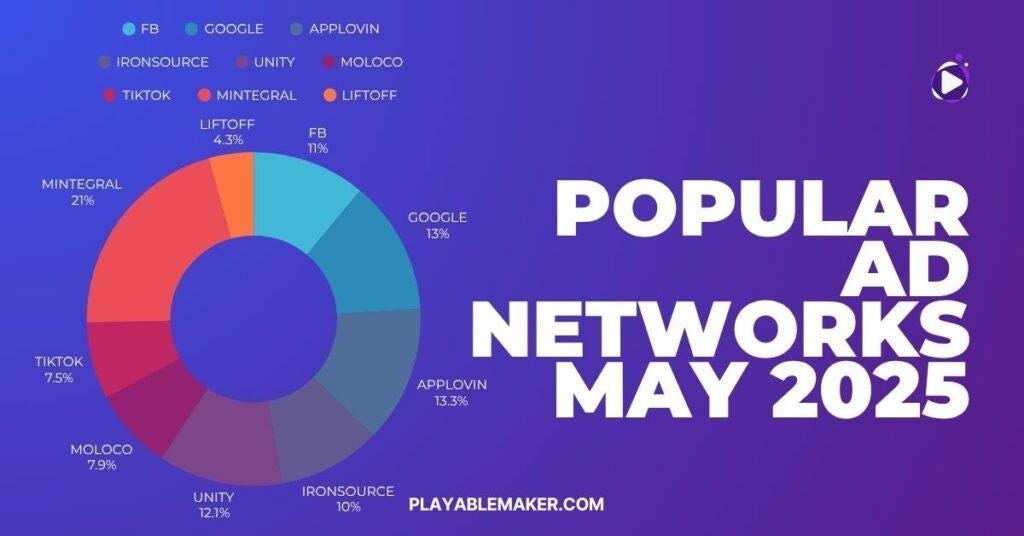
The mobile user acquisition landscape is undergoing a significant shift, characterized by increased spending on SDK networks and the rising prominence of non-gaming applications in advertising ecosystems. As of May 2025, non-gaming apps account for more than 50 percent of the top 100 new creatives on Applovin, signaling a broader diversification in mobile advertising. Conversely, gaming titles continue to dominate creative trends across other major platforms, including Facebook and Unity.
Current creative strategies emphasize simplicity and direct conversion tactics. The most prevalent trend across all ad networks involves the use of clickable end cards, which prioritize a clear visual presentation and a prominent call-to-action over complex hooks or narrative-driven content. Similarly, video-based playables are increasingly utilizing non-gameplay footage paired with high-visibility, flashing call-to-action elements to accelerate the download process. These findings suggest a move toward streamlined, high-intent ad formats designed to minimize friction for the end user.
This analysis provides a monthly overview of top-performing playable ads, identifying specific titles such as Wool Craze, Archery Clash, and Kingshot as notable examples of successful creative execution. By monitoring production data from tools like PlayableMaker, the industry is observing a clear preference for minimalist design choices that prioritize immediate user interaction. These insights reflect the evolving requirements for effective mobile marketing, where the ability to capture attention quickly through simplified, action-oriented creative assets has become a primary driver of performance.
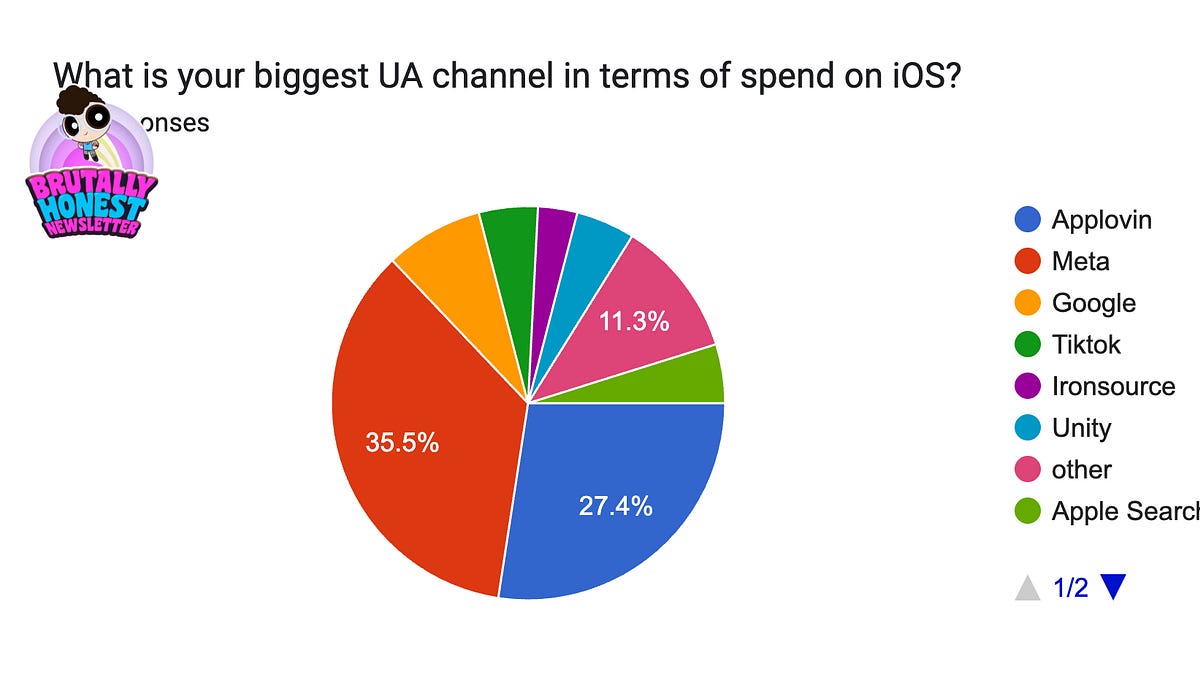
The mobile game user acquisition landscape in the first quarter of 2025 is defined by increasing complexity, characterized by rising cost-per-install metrics, persistent creative fatigue, and the ongoing impact of privacy-related industry shifts. Despite these headwinds, the sector remains resilient, with high-performing teams successfully navigating the environment through increased flexibility, the strategic integration of artificial intelligence, and a heavy reliance on user-generated content.
The analysis synthesizes data from a comprehensive 2025 landscape survey involving hundreds of industry professionals, alongside real-world campaign performance metrics and direct operational experience. This methodology provides a granular look at current market realities, moving beyond general trends to offer actionable insights into channel mix distribution, peer spending benchmarks, and advanced creative testing structures.
Key findings emphasize that while traditional acquisition methods face pressure, optimization strategies are evolving to prioritize automation and AI-driven workflows. The data suggests that success in the current climate is increasingly tied to the ability to rapidly iterate on creative assets and adapt to shifting platform dynamics. By focusing on these core areas, mobile game developers and marketers can better manage the challenges of modern user acquisition and maintain competitive growth in a saturated digital marketplace.
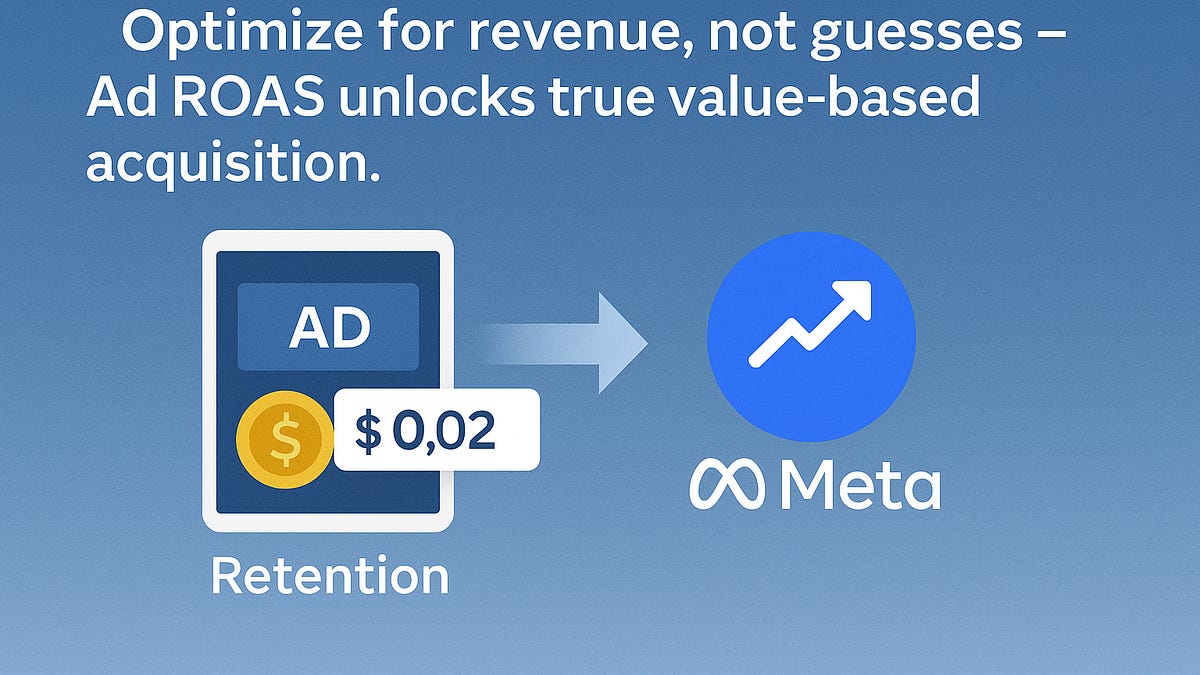
Meta’s Ad ROAS optimization represents a strategic shift in user acquisition, moving beyond traditional metrics like install volume or direct purchase conversion. The primary purpose of this approach is to leverage in-app ad revenue as a core optimization signal. By focusing on the monetization value generated by individual users, advertisers can refine their bidding strategies to prioritize high-value audiences who engage with advertisements within mobile applications.
This methodology addresses the evolving needs of mobile game developers and publishers who rely heavily on hybrid monetization models. Rather than treating all users as equal based on acquisition cost, the Ad ROAS framework allows for a more granular assessment of long-term profitability. By integrating ad-revenue data directly into Meta’s campaign optimization algorithms, UA managers can better align their spending with the actual revenue generated by their user base, effectively bridging the gap between ad-spend efficiency and monetization performance.
The scope of this optimization strategy is global, targeting the mobile advertising ecosystem where Meta serves as a primary traffic source. While the framework is designed for any mobile application utilizing ad-based revenue, it is particularly relevant for the gaming industry, where balancing user acquisition costs against ad-monetization LTV is critical for scaling. By shifting the focus from simple conversion events to revenue-based signals, the platform enables more sophisticated automated bidding, ultimately allowing for more sustainable growth in an increasingly competitive digital advertising landscape.
The 2025 soft launch blueprint serves as a strategic framework for mobile game developers aiming to mitigate risks and optimize performance prior to a global release. In an increasingly saturated market defined by rising user acquisition costs and stringent privacy regulations, the primary thesis holds that data-driven testing is essential for survival. By focusing on iterative improvements to gameplay loops, monetization, and retention, developers can avoid the common pitfalls that lead to failed global launches.
The methodology emphasizes a shift toward modern ad network dynamics, specifically navigating the complexities of the post-privacy era through frameworks like SKAN 4, Meta AEM, and TikTok ADC. Key performance indicators remain central to the evaluation process, with a focus on benchmarking cost per install, return on ad spend, and retention rates across day one, day seven, and day thirty. The guidance explicitly advises against premature launches in the United States, suggesting that developers should instead utilize smaller, targeted test markets to gather actionable insights without exhausting budgets.
Furthermore, the integration of artificial intelligence represents a significant evolution in creative production and market segmentation. By leveraging tools such as Midjourney, CapCut, and ChatGPT, studios can accelerate the development of visually compelling, trend-aligned advertisements. This approach allows for more efficient creative testing workflows, enabling teams to identify winning concepts quickly while minimizing wasted expenditure. Ultimately, the objective is to transition from intuition-based decision-making to a rigorous, evidence-based process that ensures only viable projects proceed to a full-scale market entry.
The integration of artificial intelligence into mobile advertising workflows serves as a practical framework for streamlining creative production and enhancing campaign performance. By leveraging generative tools such as Midjourney and ChatGPT, advertisers can bypass traditional graphic design barriers to produce high-quality, iterative ad assets. The core thesis posits that AI-driven workflows allow for rapid experimentation and testing, which directly correlates to improved ad performance metrics within the competitive mobile gaming sector.
The methodology focuses on a practitioner-led approach, utilizing personal case studies and iterative testing to refine prompt engineering and visual output. By documenting the transition from conceptualization to final asset creation, the analysis provides a roadmap for optimizing AI-generated designs. Key findings emphasize that effective prompt crafting and the strategic blending of various AI tools are essential for achieving customized, high-performing results. The process highlights the importance of continuous testing and refinement, suggesting that even those without formal design training can achieve professional-grade results by systematically tweaking AI outputs to align with specific campaign objectives.
This guidance covers the broader landscape of digital advertising, specifically targeting the mobile gaming industry as of late 2024. By providing a step-by-step technical guide, the content aims to demystify the creative process, encouraging a shift toward automated, data-informed design strategies. Future developments in this space are expected to focus on the synergy between multiple AI platforms to further enhance customization and efficiency, signaling a broader industry trend toward AI-augmented creative production.
Mobile game marketing strategies are increasingly shifting toward AI-driven creative production to combat rising user acquisition costs. By integrating AI-powered user-generated content (UGC) tools with stock footage and design platforms like Canva, marketers can significantly accelerate the creative workflow. This approach allows for the rapid development of multiple video variations, enabling teams to identify high-performing assets in under an hour of production time.
The efficacy of this methodology is demonstrated through a case study involving a mobile game, where the production of 15 distinct video variations—nine of which utilized AI-generated UGC—resulted in measurable performance gains. By combining trending visual styles, such as text-heavy overlays, with thematic content, the campaign achieved a 40% reduction in cost-per-install (CPI) and a threefold increase in return on ad spend (ROAS). These AI-generated assets outperformed traditional UGC in conversion rates, proving that automated creative processes can be both cost-effective and highly impactful.
With production costs averaging approximately $7 per AI-generated video, this strategy offers a scalable solution for mobile game developers seeking to optimize their UA campaigns. The findings suggest that leveraging AI tools not only streamlines the creative process but also provides a competitive advantage in identifying winning ad creatives quickly. By focusing on rapid iteration and testing, marketers can effectively navigate the challenges of the current digital advertising landscape while maintaining high engagement levels across diverse gaming genres.
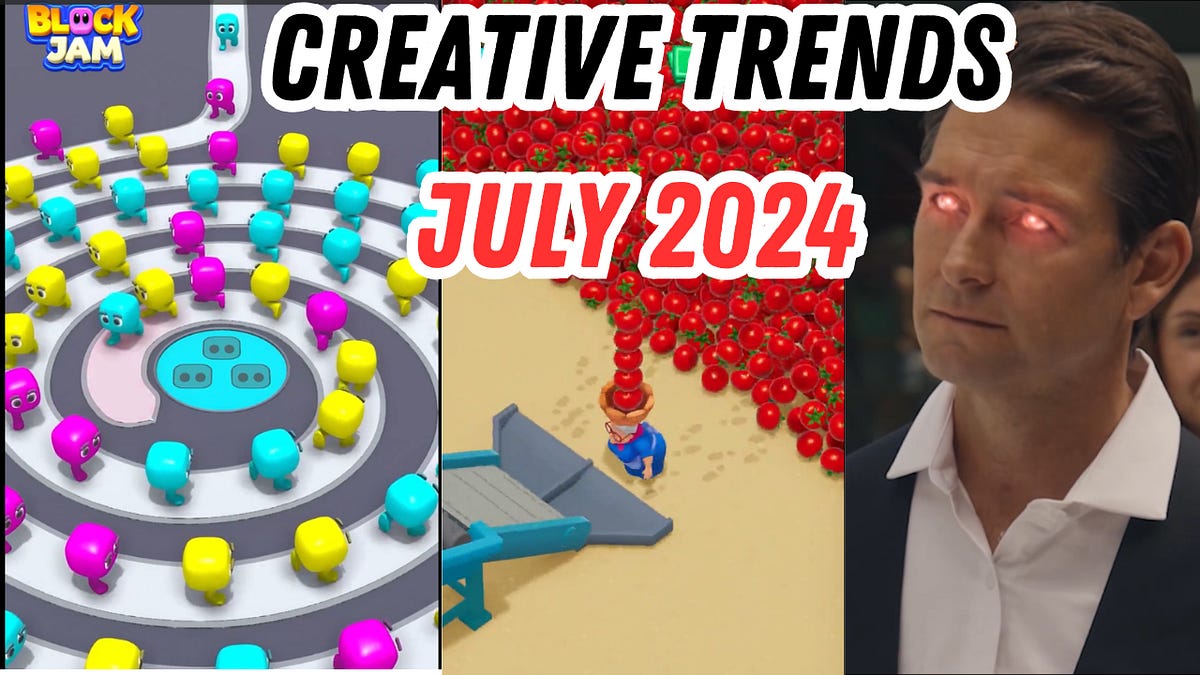
The mobile game user acquisition landscape is undergoing a significant transformation, characterized by a shift toward increasingly polished, complex, and personalized creative strategies. As of September 2024, the industry is moving away from simplistic advertising toward high-production-value content that integrates sophisticated game features and cross-genre elements. This evolution is driven by the necessity to maintain engagement in a competitive market where creative quality directly influences acquisition performance.
Key trends shaping current marketing efforts include the strategic use of celebrity endorsements, which serve as a powerful tool for brand visibility and user conversion. Furthermore, artificial intelligence is playing an expanding role in both the development and execution of marketing assets. Advertisers are also increasingly adopting long-form video content, often exceeding one minute in duration, to better integrate user-generated content and deeper narrative hooks. These efforts are complemented by a focus on hypercasual-inspired mechanics, such as innovative gate iterations, and the use of high-fidelity 3D visuals in casual gaming segments.
The industry is moving toward a more targeted approach, utilizing diverse creative levers like animal-themed imagery and interactive playables to capture audience attention. Looking forward, the integration of AI and the refinement of complex, genre-blending creatives are expected to remain central to successful user acquisition strategies. These developments reflect a broader industry trend where the line between game content and marketing creative continues to blur, requiring developers to prioritize high-quality, personalized, and technically sophisticated assets to remain competitive.
The farming games market remains a highly competitive yet lucrative sector within the global mobile gaming industry, characterized by a decade of consistent audience growth. The central thesis posits that the integration of minigames is a critical strategic imperative for developers and marketers aiming to maintain relevance and capture market share. By diversifying gameplay through these smaller, contained experiences, developers can effectively address the evolving engagement demands of millions of players worldwide.
The analysis emphasizes that the current landscape requires proactive adaptation to creative trends to ensure long-term viability. Rather than relying solely on traditional farming mechanics, successful titles are increasingly leveraging minigames as a primary tool for user acquisition and retention. This shift reflects a broader industry movement toward hybrid-casual mechanics, where the inclusion of varied, bite-sized content serves as a differentiator in a saturated market.
While the scope of the analysis encompasses the global farming genre, the core recommendation is a call to action for developers to implement these features or risk obsolescence. By focusing on these creative trends, stakeholders can better navigate the complexities of the farming genre, ultimately fostering deeper player investment and more effective monetization strategies. The findings underscore that in an environment where player attention is increasingly fragmented, the strategic deployment of minigames is no longer optional but a fundamental requirement for competitive success.
The provided content, derived from a gaming industry podcast, examines the strategic evolution of Voodoo as it successfully transitioned from a hypercasual-focused model to a hybrid-casual powerhouse. The primary thesis centers on the necessity of shifting toward in-app purchase (IAP) revenue streams and sophisticated metagame features to achieve significant financial growth. By moving away from a reliance on pure ad-monetization, the company has managed to scale revenue by a factor of ten over a two-year period.
Key findings highlight that the transition to hybrid-casual gaming requires a fundamental change in development and marketing skill sets. Success is driven by the integration of gacha mechanics, visual progression systems, and robust live-ops strategies, as demonstrated by the performance of titles like Mob Control and Paper.io. The analysis emphasizes that while hypercasual games remain a source of volume, the current market environment mandates a strict focus on cost-per-install (CPI) efficiency and the ability to retain players through deeper, more engaging gameplay loops.
The scope of this discussion covers the global mobile gaming market, with a specific focus on the operational shifts within Voodoo’s internal teams. The methodology relies on expert industry commentary and case studies of specific game titles to illustrate broader trends in user acquisition and monetization. The findings conclude that for developers to survive the current "CPI wall," they must adopt a hybrid approach that balances the rapid prototyping culture of hypercasual gaming with the long-term retention and monetization tactics characteristic of traditional core gaming.