The Match 3D subcategory represents a strategic evolution of traditional match-3 mechanics, offering developers a distinct competitive advantage in an otherwise saturated mobile gaming market. By transitioning gameplay into a three-dimensional space, developers can differentiate their products from established industry giants like Candy Crush Saga and Royal Match. This structural shift serves as both a core gameplay innovation and a potent marketing tool, allowing for more compelling creative narratives that capture the attention of players fatigued by standard 2D offerings.
Performance analysis indicates that user acquisition success in this space relies heavily on maintaining healthy retention profiles rather than chasing arbitrary industry benchmarks. A Day 7 retention rate exceeding 25% is considered a strong indicator of long-term viability, though the ability to sustain a consistent player base over a full year is ultimately more critical for monetization. Data trends suggest that iOS platforms generally outperform Android in terms of retention, necessitating a nuanced approach to channel mix and campaign structure.
The findings are derived from real-world performance data across multiple Match 3D titles managed over the past year. By prioritizing granular retention metrics and platform-specific performance over generalized industry averages, developers can better navigate the unique challenges of this emerging subcategory. The core thesis emphasizes that while the 3D format provides a lower barrier to entry regarding competition, success remains contingent upon rigorous, data-driven user acquisition strategies that favor long-term player engagement over short-term metrics.
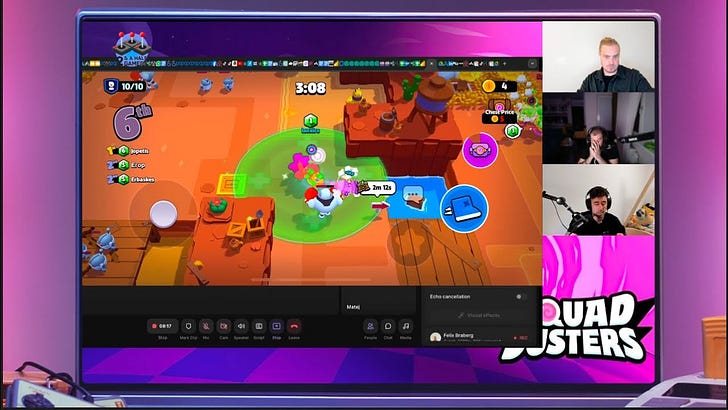
This analysis evaluates the competitive design and monetization framework of Supercell’s Squad Busters ahead of its global launch. The primary objective is to determine whether the game’s mechanics, specifically its gacha system and character progression, constitute a pay-to-win model. The discussion centers on the integration of consumable mega units, which provide significant statistical advantages, and the impact of these elements on the game’s competitive integrity.
Key findings indicate that Squad Busters has evolved through several iterations, moving toward a progression system reliant on shards and consumable items. While the monetization strategy is viewed as effective, concerns persist regarding the clarity of player-versus-player (PvP) objectives and the overall readability of combat. The analysis suggests that while the game is designed to be more casual and approachable than titles like Brawl Stars, the inclusion of powerful, purchasable units creates a distinct pay-to-win dynamic that may challenge the expectations of the established Supercell community.
The scope of the assessment covers global market considerations, with a specific emphasis on tailoring monetization strategies for Asian markets where pay-to-win mechanics are more widely accepted. The analysis highlights that long-term success will depend on balancing these aggressive monetization tactics with effective marketing, particularly through influencer partnerships on platforms like TikTok and targeted advertising across major social channels. Ultimately, the game’s high retention rates and strong day-30 performance metrics suggest a robust foundation, provided the developers can refine the PvP experience to ensure it remains engaging for a broad, casual audience.
Supercell has successfully reversed a period of stagnation, demonstrating that the company is far from obsolete. After experiencing significant revenue and download declines between 2022 and 2023—exacerbated by the withdrawal from the Russian market and the controversial removal of loot boxes—the developer achieved a notable resurgence in 2024. This turnaround is attributed to a strategic pivot that emphasizes data-driven decision-making, community-centric development, and a revamped organizational structure.
Key findings indicate that Brawl Stars, a primary driver of this recovery, saw its monthly active users grow 2.4 times and daily active users increase 3.9 times between June 2023 and February 2024, resulting in an 8.8-fold increase in revenue. The company’s recovery strategy centered on challenging internal assumptions, such as the failed removal of gacha mechanics, which were subsequently reintroduced in a more balanced form via "Starr Drops." Furthermore, the company prioritized social features, such as 5v5 modes and win-streak incentives, to boost long-term retention.
Operational changes were equally critical, as the company recruited high-profile talent from major industry players like Riot Games and Blizzard to break internal echo chambers. Supercell also adopted a startup-like model for new projects, granting teams creative autonomy while enforcing strict growth thresholds to mitigate financial risk. Strategic partnerships, such as the collaboration with Chess.com, were also instrumental in rehabilitating community sentiment and attracting new users. By moving away from short-term revenue spikes toward sustainable, iterative content updates and diversified user acquisition strategies, the company has effectively stabilized its portfolio and positioned itself for continued growth in an increasingly competitive mobile gaming landscape.
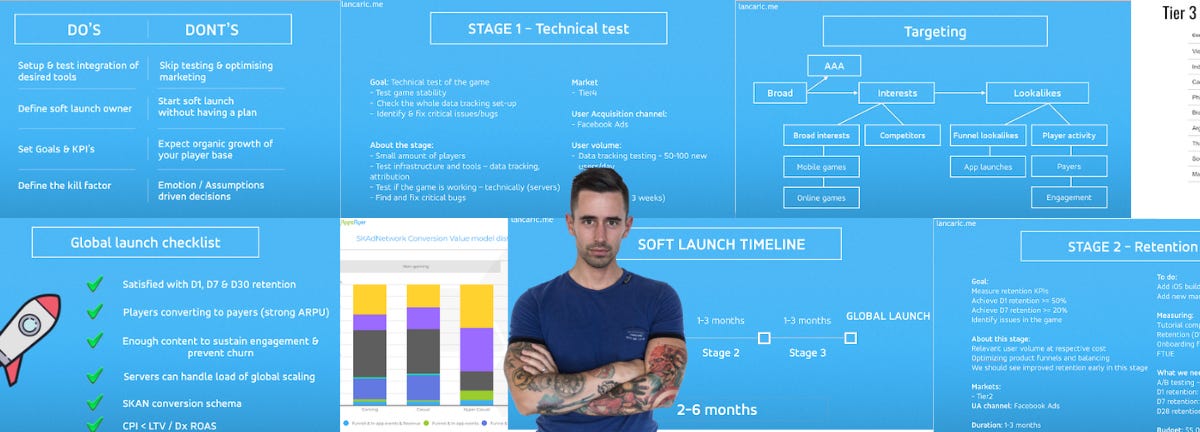
The primary purpose of this guide is to outline the essential framework for conducting a mobile game soft launch in 2024. The central thesis posits that a structured, data-driven soft launch is a critical risk-mitigation strategy that allows developers to validate server infrastructure, retention profiles, and monetization mechanics before committing to a full-scale global release. By utilizing a build-measure-learn loop, developers can determine whether a title is viable for long-term profitability or if it should be discontinued.
The methodology emphasizes a phased approach to testing, categorized into three distinct stages: technical performance, user retention, and monetization efficiency. Each stage requires the tracking of specific key performance indicators to inform iterative product development. Beyond internal optimization, the guide highlights the strategic importance of generating performance data during the soft launch phase, noting that such metrics significantly improve a developer's leverage during negotiations with potential publishing partners.
While the core principles of soft launching remain consistent with historical practices, the guide suggests that the execution of these processes has evolved to meet the demands of the current mobile landscape. By prioritizing early market entry and rapid iteration based on real-world user behavior, developers can maximize their chances of success while minimizing wasted resources. The scope of this guidance is focused on the free-to-play mobile gaming sector, emphasizing the necessity of rigorous testing to ensure that games are both technically stable and commercially sustainable before a wider rollout.
The inaugural monthly Ask Me Anything session held on January 31, 2024, serves as a professional forum for industry practitioners to discuss critical challenges in mobile game marketing. The primary objective is to provide actionable insights into user acquisition, creative strategy, ad monetization, and the nuances of soft-launch and marketability testing within the casual gaming sector.
Key findings from the session highlight a significant shift in the performance of major advertising networks. On the Android platform, Google Ads remains the top performer, followed by Unity and AppLovin, while Facebook’s efficacy has declined sharply over the preceding six months. For iOS, Facebook maintains some relevance, though Unity and AppLovin continue to show strength. Regarding TikTok, the platform is identified as a viable channel for casual games, provided that advertisers adjust targeting parameters to reach older demographics, specifically those aged 25 to 35 and above, rather than younger audiences.
The discussion also addresses broader market trends, noting the absence of the anticipated Q5 performance boost in early 2024. Contrary to historical patterns where January typically yields lower cost-per-install (CPI) metrics, recent data across multiple accounts indicates that these costs have remained elevated. This analysis reflects a current, expert-led perspective on the evolving mobile gaming landscape, emphasizing the need for strategic agility in response to shifting platform performance and persistent market volatility. The session underscores the ongoing difficulty of maintaining efficient user acquisition in a post-privacy-focused advertising environment.
The primary objective of this initiative is to establish a recurring, interactive forum for mobile gaming professionals to engage in direct, expert-led discussions regarding industry growth and development. By facilitating monthly Ask Me Anything sessions, the platform aims to provide paid subscribers with specialized insights into the complexities of the mobile game lifecycle, ranging from initial marketability testing and soft launch strategies to the nuances of global scaling and creative optimization.
The scope of these sessions encompasses the entire mobile game publishing ecosystem, focusing specifically on user acquisition, creative strategy, and technical launch processes. The initiative serves as a knowledge-sharing hub for industry practitioners seeking actionable advice on navigating the competitive landscape of mobile gaming. The methodology relies on a subscriber-driven model, where the community dictates the scheduling and thematic focus of the discussions through polling and direct inquiry, ensuring that the content remains relevant to the specific challenges faced by developers and marketers.
Data gathered from the initial scheduling poll indicates a strong preference for late January 2024, with a majority of participants favoring a 07:30 PT / 16:30 CET time slot. This scheduling preference highlights a global audience base, bridging the gap between North American and European time zones. By restricting participation to a paid subscriber base, the initiative fosters a focused, professional environment dedicated to high-level analysis of industry trends and practical problem-solving for mobile game studios.
The hybrid-casual gaming sector represents a strategic evolution in mobile entertainment, bridging the gap between the accessibility of hypercasual titles and the depth of mid-core mechanics. By integrating simple, intuitive controls with complex progression systems, these games cater to a broad spectrum of players. The industry has demonstrated sustained growth, evidenced by 5 billion global downloads in 2022, marking a 3% year-over-year increase.
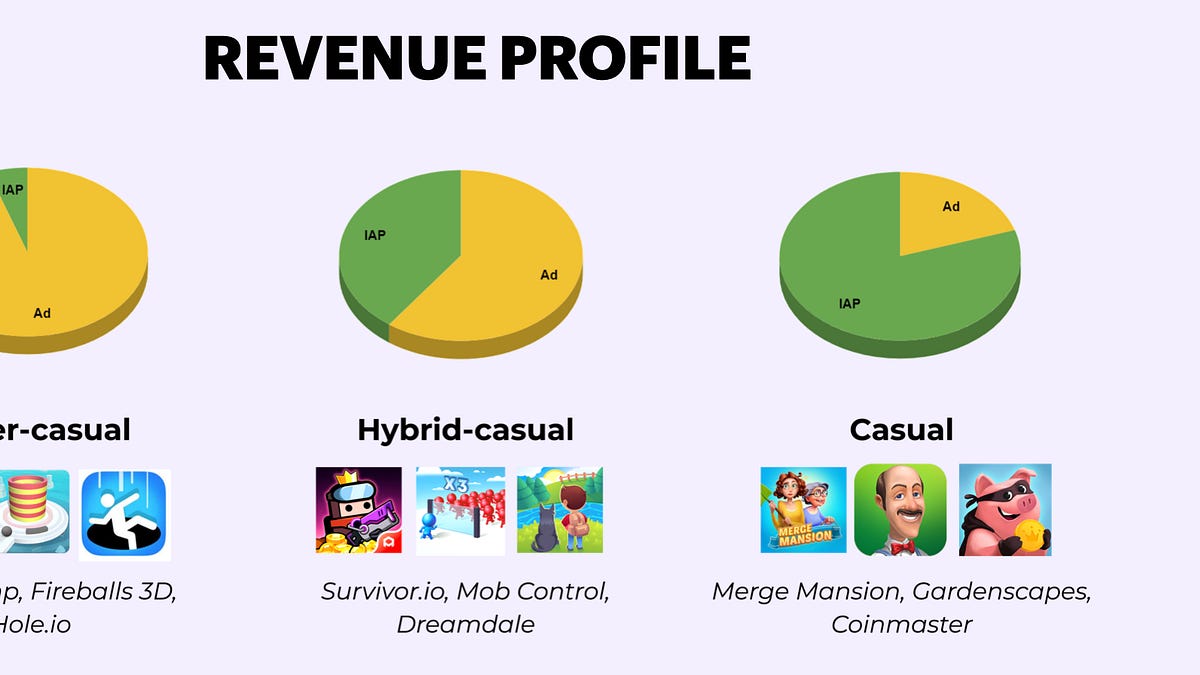
Effective user acquisition (UA) for this genre relies on a nuanced understanding of revenue streams and platform-specific targeting. While ad revenue remains the primary income source, successful titles typically derive 40% to 50% of their revenue from in-app purchases (IAPs). This financial structure enables developers to utilize blended return on ad spend (ROAS) campaigns to optimize cost-per-install (CPI) funnels. For developers operating at a smaller scale, Facebook serves as an ideal entry point, as its native SDK provides sufficient data for effective targeting without the immediate requirement for a mobile measurement partner (MMP).
The core thesis emphasizes that success in the hybrid-casual market is contingent upon a disciplined approach to creative strategy, competitive intelligence, and campaign architecture. By leveraging the unique hybrid nature of these games, developers can balance the high-volume acquisition typical of hypercasual games with the higher lifetime value (LTV) associated with mid-core titles. The analysis underscores the importance of aligning UA channel selection with budget constraints and utilizing data-driven creative testing to maintain competitive performance in an increasingly crowded mobile landscape.
This industry discussion provides a critical analysis of the mobile title Eversoul, focusing on its performance as a representative "waifu" gacha game. The primary objective is to deconstruct the game’s success through the lenses of user acquisition (UA), game design, and monetization strategies. The panel evaluates how the title leverages specific engagement tactics, such as infinite starter banners and long-term progression systems, to drive significant in-app purchase revenue despite a lack of traditional ad-based monetization.
Key findings highlight the importance of creative strategy in the anime-style mobile segment, noting that successful UA campaigns for these titles often rely on showcasing authentic gameplay and leveraging collaborations to sustain player interest. The discussion contrasts Eversoul with other prominent titles in the genre, such as Goddess of Nikke, to illustrate how specific design choices—including engagement-prolonging features—directly correlate with financial performance. The analysis emphasizes that the game’s monetization model is heavily reliant on the "gacha" mechanic, which serves as the primary engine for its revenue generation.
The scope of the review covers the mobile gaming industry, specifically targeting the niche of character-collection RPGs originating from Eastern markets. The methodology relies on expert panel commentary and professional observation of current market trends rather than quantitative survey data. By examining the intersection of aggressive UA tactics and retention-focused game design, the analysis concludes that the "waifu" genre remains a potent force in mobile gaming, provided developers can effectively balance complex progression systems with high-quality, thematic creative assets.
This discussion explores the strategic application of user churn prediction models within the mobile gaming industry. The primary objective is to provide actionable insights for developers and marketers on how to identify players at risk of leaving a game and how to leverage that data to improve retention and monetization. By moving beyond simple churn definitions, the analysis focuses on the practical implementation of predictive modeling to optimize user acquisition and long-term engagement.
Key areas of focus include the technical and operational aspects of churn prediction, such as the reliability of models when introducing new user acquisition channels and the interpretation of performance metrics like Area Under the Curve (AUC). The discussion emphasizes that effective churn prediction is not merely a diagnostic tool but a foundation for targeted intervention. By identifying high-risk users early in their lifecycle, developers can deploy specific retention strategies to mitigate churn, particularly in environments facing high day-one attrition rates.
The content serves as a professional resource for industry practitioners, offering a framework for integrating predictive analytics into daily game design and marketing workflows. By examining the potential uplift in performance metrics, the analysis highlights the necessity of data-driven decision-making in a competitive, privacy-centric mobile ecosystem. The insights provided are intended to help studios refine their approach to player lifecycle management, ensuring that predictive models translate into measurable improvements in game health and revenue stability.
This analysis evaluates the mobile game Frozen City, focusing on its potential for significant revenue growth through optimized user acquisition, game design, and ad monetization strategies. The core thesis posits that the title, which generated $1.5 million in its first month, could increase its total revenue by 80% through more aggressive and strategic implementation of advertising placements and monetization mechanics.
The discussion highlights several key operational areas, including the game’s current user acquisition channel mix, which utilizes approximately 120 creatives on Facebook, and the performance of its idle game mechanics. Experts note that while the game has achieved initial success, there is a notable disconnect between its current monetization structure and its potential. Specifically, the analysis identifies missed opportunities in ad placement, such as the recommendation to implement a "skip night" ad feature, and emphasizes the necessity of updating app-ads.txt files to capture an additional 10% in ad revenue.
The methodology relies on a panel of industry experts who provide a qualitative review of the game’s mechanics, comparing IAP (in-app purchase) whales against ad-driven revenue streams. The findings suggest that the game’s current design is overly conservative regarding ad frequency and placement. By shifting toward more prominent ad integrations and refining the balance between user experience and monetization, the game could substantially improve its D14 LTV (lifetime value) metrics. The insights serve as a practical guide for developers looking to scale hybrid-casual titles by maximizing both IAP and ad-based revenue streams.
This analysis of mobile gaming creative trends for 2023 focuses on the evolving strategies for user acquisition, game design, and ad monetization. The discussion highlights how top-performing titles, such as Royal Match, Township, Merge Mansion, Hero Wars, and Top War, utilize specific creative tactics to drive engagement. A central theme is the increasing integration of user acquisition strategies directly into game design, where developers adapt hypercasual mechanics and multiple core gameplay loops to improve ad performance and retention.
Key findings emphasize the shift toward diverse creative formats, including the use of altered gameplay, user-generated content, and the integration of generative AI in ad production. The analysis notes that while some traditional methods like influencer marketing remain effective, there is a growing reliance on "fake" or misleading ads that deviate from actual core gameplay to capture user attention. Furthermore, the data suggests that high-frequency testing—such as Royal Match’s practice of testing 15 different creatives within a 14-day window—is essential for maintaining competitive advantage in the current mobile landscape.
The scope of the analysis covers the mobile gaming industry
This analysis, presented as a podcast session, explores the operational nuances of mobile application businesses by contrasting them with traditional game design and monetization models. The primary objective is to deconstruct the business mechanics of non-gaming apps, such as Duolingo, Redecor, and Kahoot!, while providing actionable insights into user acquisition (UA), ad monetization, and product design. The discussion emphasizes that while apps and games share technical infrastructure, their revenue drivers and user engagement strategies often require distinct approaches.
Key findings highlight the significant revenue potential of non-gaming applications, specifically noting Duolingo’s $224 million in subscription revenue and its ability to generate $50,000 daily from advertising. The discussion provides a technical breakdown of ad monetization strategies, including the complexities of integrating gaming demand into Google Ad Manager, the utility of software development kits (SDKs), and the strategic implementation of interstitial and rewarded ad formats. Furthermore, the analysis touches upon the challenges of navigating platform-specific policies, such as Facebook’s rewarded ad guidelines, and the importance of maintaining rigorous eCPM floors to protect revenue streams.
The scope of the content covers the broader mobile ecosystem, focusing on the intersection of UA and monetization. The methodology relies on expert practitioner experience, utilizing a panel-based discussion format to share industry-tested tactics. By examining campaign structures for Apple Search Ads and the evolution of UA creative strategies, the analysis offers a practical framework for developers and marketers to optimize growth and retention in a competitive mobile landscape. The session serves as a professional resource for navigating the shifting priorities between subscription-based models and ad-supported growth.