The mobile user acquisition landscape is currently defined by a shift toward specific creative archetypes within playable advertisements. As spending on SDK networks and platforms like AppLovin continues to rise, developers are increasingly relying on standardized, high-engagement formats to capture audience attention. This analysis identifies the prevailing creative strategies utilized throughout September 2025, focusing on the intersection of game mechanics and viral content themes.
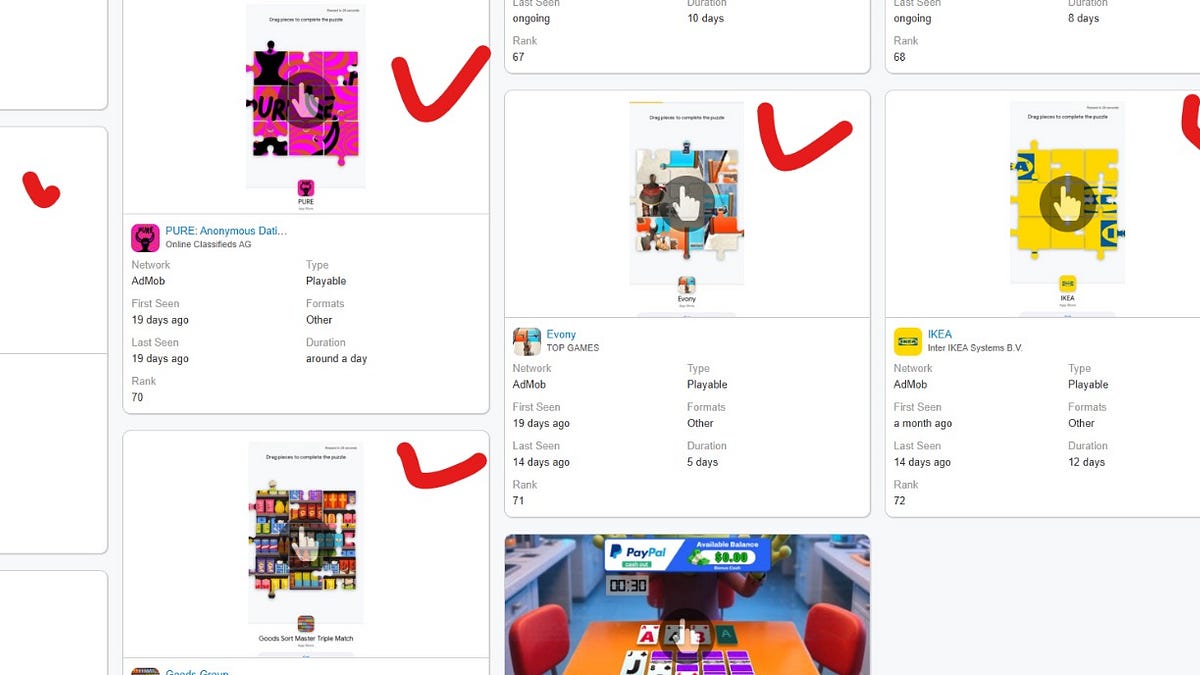
A primary finding is the sustained dominance of puzzle-based mechanics in playable ad units. These simple, interactive minigames have become the standard for new creative deployments on Google, indicating that developers are prioritizing accessible, low-friction gameplay to drive user engagement. This trend suggests that the industry is moving away from complex, high-fidelity previews in favor of immediate, intuitive interactions that mirror the core appeal of casual gaming.
Beyond mechanics, the analysis highlights a notable surge in the use of feline-themed imagery across various genres. The prevalence of cats in creative assets suggests a strategic pivot toward leveraging recognizable, high-affinity visual tropes to improve click-through rates and brand recall. This trend reflects a broader effort to utilize culturally resonant content to cut through the saturation of the mobile advertising ecosystem. By synthesizing these observations, the analysis provides a snapshot of the current creative requirements for successful user acquisition, emphasizing that simplicity and thematic familiarity are the most effective tools for modern mobile game marketing.
Creative optimization serves as the primary driver for scaling user acquisition performance when traditional bid strategies and channel adjustments reach a plateau. The central thesis posits that sustainable growth is not achieved through random creative production, but through a systematic framework that deconstructs successful advertisements into repeatable, data-driven elements. By identifying the core components—such as hooks, pacing, and emotional triggers—that previously resonated with audiences, marketers can move beyond speculative testing and establish a predictable pipeline for high-performing assets.
The methodology emphasizes a shift from volume-based creative output to a structured analysis of why specific assets succeed. This approach involves auditing existing high-performing creatives to isolate the variables responsible for their efficacy, then applying those insights to new static, video, and playable ad formats. This systematic refinement reduces the reliance on luck and ensures that every new test is informed by proven performance metrics, ultimately transforming creative development into a scalable engine for return on ad spend.
While the scope of this analysis focuses on mobile user acquisition strategies within the 2025 digital marketing landscape, the findings highlight a broader industry transition toward AI-assisted creative workflows. By leveraging tools like MidJourney to iterate on proven concepts, marketers can maintain consistent performance levels even when traditional optimization levers fail to move the needle. The ultimate conclusion is that long-term success in user acquisition is increasingly dependent on the ability to institutionalize creative intelligence, ensuring that every asset produced is a deliberate iteration of established success factors rather than a gamble on unproven concepts.
Effective user acquisition strategy in the post-IDFA mobile gaming landscape requires a disciplined, long-term approach rather than reactive, high-frequency campaign adjustments. The primary thesis emphasizes that constant, daily modifications to advertising campaigns—such as impulsive budget scaling based on short-term performance fluctuations—are counterproductive and detrimental to overall growth. Instead of chasing daily volatility, marketers should prioritize stability to allow algorithms to optimize effectively.
The analysis highlights a common pitfall where developers attempt to manage marketing through "vibe-based" decision-making, which often stems from a lack of specialized acquisition expertise. Because mobile game development and user acquisition require distinct skill sets, the reliance on intuition rather than data-driven consistency frequently leads to poor performance. The core recommendation is to resist the urge to intervene in campaign settings on a daily basis, as this prevents the necessary data accumulation required for machine learning models to stabilize and scale successfully.
This perspective serves as a strategic guide for mobile game developers and marketing teams operating in the current global digital ecosystem. By shifting away from reactive management, teams can better navigate the complexities of modern advertising platforms. The findings underscore that professionalizing user acquisition through expert consultation or disciplined, long-term methodology is essential for overcoming the inherent difficulties of convincing users to download and monetize within the competitive mobile gaming market.
The mobile user acquisition landscape is currently defined by a significant shift in creative strategy, specifically regarding the resurgence of playable advertisements. As spending on SDK networks and platforms like AppLovin continues to rise, developers are increasingly leveraging interactive ad formats to engage audiences across diverse mobile gaming genres. The primary objective of this analysis is to track these evolving creative trends to help marketers optimize their performance in a competitive environment.
August 2025 data reveals a notable return to classic gaming mechanics within playable advertisements. A dominant trend observed during this period is the widespread adoption of 3x3 puzzle game templates. These assets are being deployed across multiple companies, often utilizing identical core mechanics while varying only the visual imagery. This standardization suggests a high level of market saturation for specific playable templates, potentially driven by aggressive third-party sales efforts targeting major industry players, including prominent developers like Habby.
These findings underscore a broader industry movement toward simplified, recognizable interactive experiences that prioritize familiarity over complex innovation. By focusing on proven, classic gameplay loops, developers are attempting to streamline user engagement and improve conversion rates. This trend highlights the ongoing reliance on scalable, template-based creative assets as a primary tool for maintaining visibility and user growth within the mobile gaming ecosystem.
Artificial intelligence is fundamentally transforming creative production within the gaming marketing sector by enabling solo marketers and small teams to generate high-quality advertising assets with increased speed and reduced costs. The primary thesis posits that by leveraging AI as a creative co-pilot, marketers can bypass the need for traditional design expertise, allowing them to shift their focus toward high-level strategy and storytelling while automated systems manage technical execution.
The framework emphasizes a structured approach to content creation, moving from initial scriptwriting and prompt engineering to image generation, video production, and final export. Key technical components include the mastery of structured prompts, the use of JSON parameters for precise control over camera angles and stylistic elements, and the integration of automation platforms like n8n to streamline content pipelines. By focusing on a core set of tools—such as Midjourney, ChatGPT, Runway, and Google’s Veo 3—marketers can establish a repeatable workflow that facilitates rapid testing, iteration, and the scaling of successful creative assets.
This guidance serves as a practical roadmap for the modern gaming industry, providing a methodology that prioritizes efficiency and iterative testing over the adoption of every available technological trend. By establishing a clear pipeline from concept to deployment, the approach empowers teams to minimize manual labor and maximize output. The scope of this strategy is intended for immediate application in digital advertising, offering a comprehensive toolkit for those looking to modernize their production pipelines through systematic automation and advanced generative AI workflows.
The provided material outlines a technical framework for deploying a fully automated AI influencer capable of generating and distributing daily video content across major social media platforms, including TikTok, YouTube, and Instagram. The primary thesis is that modern generative AI tools allow indie developers, startups, and marketing agencies to maintain a consistent social media presence without the overhead of human content teams or traditional production workflows. By leveraging a modular automation stack, users can transform a single conceptual prompt into a finished 20–30 second vertical video.
The operational model relies on a specific toolchain: Claude 4 for script generation, n8n for workflow orchestration, KIE.ai (Veo3) for video clip creation, Fal.ai for video stitching, Google Sheets for administrative logging, and Blotato for automated posting. This system is designed for infinite scalability, as increased output does not necessitate a proportional increase in human labor. Economically, the infrastructure is highly efficient, requiring a base monthly subscription cost of $50–80, with additional per-video production costs ranging from $4 to $17.
This approach is positioned as a strategic asset for user acquisition managers and content creators who need to rapidly test various hooks and creative iterations. By automating the entire lifecycle—from ideation and scripting to editing and publishing—the system mimics the output of a human-led vlog or advertisement. The methodology emphasizes a structured, code-based pipeline that ensures consistent formatting and metadata management, providing a blueprint for organizations seeking to minimize production friction while maximizing social media frequency.
iKame Studios, a Hanoi-based developer founded in 2014, has successfully transitioned into a significant player within the global hybrid-casual mobile gaming market. The studio’s growth trajectory is defined by a high-velocity development culture and a strategic focus on scaling titles through effective user acquisition and creative optimization. By leveraging a team of approximately 80 professionals and maintaining a collaborative partnership with Zego, the studio has secured a position among the top 20 mobile publishers worldwide by download volume.
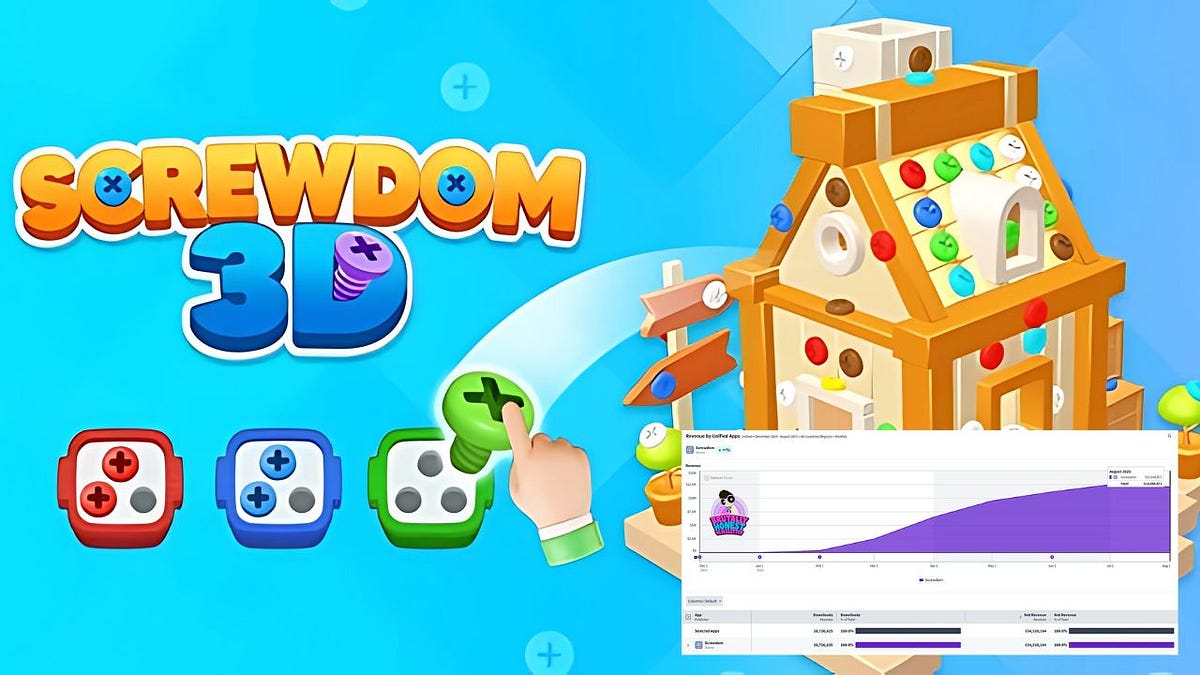
The primary catalyst for this recent expansion is the success of the title Screwdom 3D. Following its launch, the game demonstrated rapid monetization growth, with combined in-app purchase and advertising revenue climbing from approximately $3 million to $15 million per month within a few months. This performance underscores the effectiveness of the studio’s operational model, which prioritizes rapid iteration and aggressive market penetration.
The analysis highlights the intersection of organizational mindset and technical execution as the core drivers of iKame’s global scaling. By integrating robust user acquisition strategies with a portfolio-based approach to game development, the studio has managed to sustain momentum in a highly competitive industry. The findings serve as a benchmark for mobile developers aiming to bridge the gap between regional operations and international market leadership, emphasizing that consistent revenue growth is achievable through a combination of creative agility and data-driven scaling.
The mobile gaming industry currently faces a shifting user acquisition landscape defined by the rise of platforms like AppLovin and an increased reliance on SDK networks. This analysis focuses on the evolving role of creative assets, specifically playable ads, as a primary driver for engagement in the post-IDFA environment. By examining monthly performance trends, the industry is moving toward more data-driven creative strategies to maintain effective reach and conversion rates.
A core component of successful mobile game development involves a structured approach to soft launches, which are categorized into three distinct phases. The initial stage, identified as the technical test, serves as a critical gate for developers to ensure stability and performance before scaling. Each subsequent stage requires specific metrics and validation to progress, emphasizing that soft launches are not a singular event but a multi-tiered process essential for mitigating risk and optimizing product-market fit.
The scope of these insights covers the global mobile gaming sector as of late 2025, with a particular emphasis on performance marketing and creative optimization. By prioritizing technical readiness and iterative testing, developers can better navigate the complexities of modern user acquisition. These findings underscore the necessity of integrating rigorous testing frameworks with high-performing creative formats to sustain growth in an increasingly competitive and fragmented digital marketplace.
The mobile user acquisition landscape is undergoing a significant shift, driven by the rising influence of platforms like Applovin and increased investment in SDK networks. As competition for user attention intensifies, playable advertisements have emerged as a critical creative pillar for mobile games and applications. The primary objective is to identify and analyze the most effective interactive ad formats that drive engagement and conversion across diverse gaming genres.
Key findings for July 2025 highlight the dominance of video-integrated playables, which combine traditional video content with persistent calls-to-action to streamline the user journey and foster a sense of urgency. Interactive end cards are also gaining traction as a high-performance, low-effort alternative to static imagery, particularly when enhanced by AI-driven asset generation. Furthermore, while resource management and base-building simulations remain inherently addictive, their continued success now relies heavily on the integration of unique mechanical twists and visual innovation to prevent audience fatigue.
The analysis underscores a strategic pivot toward high-engagement, interactive formats that simplify the path to installation. Major industry players, such as FunPlus with their title DC: Dark Legion, are increasingly committing to comprehensive playable ad strategies to maximize reach. By leveraging these evolving creative trends, developers and user acquisition managers can better navigate the current mobile ecosystem, ensuring that their advertising efforts remain both relevant and effective in an increasingly crowded marketplace.
The mobile gaming industry is experiencing a significant shift in creative advertising strategies as of June 2025, characterized by a move toward longer video formats, AI-driven production, and the iterative refinement of proven concepts. The primary thesis suggests that high-value user acquisition now relies on sophisticated engagement tactics, such as long-form video content and ASMR-inspired loops, which serve to pre-qualify audiences before they interact with the game.
Key findings indicate that video advertisements ranging from 50 seconds to five minutes are outperforming shorter clips on major platforms like Facebook, Applovin, and YouTube. These extended durations allow for better auction placement and act as a filter for high-intent players. Simultaneously, the industry continues to lean heavily on a copy-paste model, where successful creative templates—such as those featuring "Golden Goblins" or resource-hoarding mechanics—are frequently reskinned and redeployed with minor adjustments to maintain performance.
Innovation is increasingly fueled by artificial intelligence, which has drastically reduced production timelines. AI tools now enable lean teams to generate high-quality, scroll-stopping ads in as little as 24 hours, a process that previously required a week of development. Furthermore, the integration of user-generated content and influencer cameos, often enhanced by AI-generated faces, is becoming a standard approach to lend authenticity to gameplay ads, particularly on platforms like TikTok.
The analysis underscores that the current mobile landscape rewards developers who prioritize rapid testing and iteration. By combining these emerging creative trends with competitive benchmarking, developers can maintain growth in an environment where quality and speed are the primary drivers of success. These insights are derived from expert observations within the mobile user acquisition sector, focusing on the intersection of game design, monetization, and performance marketing.
The primary objective of this announcement is to formalize a new professional engagement model for subscribers of the Brutally Honest newsletter. Starting in mid-2025, the platform is transitioning its Ask Me Anything (AMA) format into a structured, one-hour, one-on-one consultation service. This shift is designed to provide deeper, personalized industry insights to the most committed segment of the audience.
Access to these consultation sessions is restricted exclusively to annual subscribers. By implementing this requirement, the initiative aims to filter out casual participants and ensure that the time is dedicated to serious industry professionals seeking direct guidance. The sessions are intended to facilitate high-level discussions regarding mobile game marketing and industry strategy, leveraging the author's expertise to address specific challenges faced by individual stakeholders.
The rollout of these sessions follows a successful pilot phase of smaller-scale consultations, which demonstrated positive engagement and utility. While the current framework is set for the latter half of 2025, the operational model remains agile, with the author indicating an intent to refine the scheduling and format based on ongoing participant feedback and demand. This development reflects a broader trend in the creator economy where specialized knowledge is increasingly gated behind premium, long-term subscription tiers to foster higher-value professional interactions.
The analysis examines the scaling strategy of Rollic Games, specifically focusing on the mobile puzzle title Knit Out. The core thesis posits that Rollic’s success stems from a disciplined, data-driven development pipeline that prioritizes a polished, addictive core gameplay loop before introducing complex meta-layers or live events. This approach allows the studio to maintain high return on ad spend (ROAS) and effectively scale titles in a competitive market.
Performance data for Knit Out highlights its commercial viability, with the game generating $60,000 in daily in-app purchase (IAP) revenue and attracting 20,000 daily downloads. The United States serves as the primary market, accounting for 60% of total revenue, despite customer acquisition costs (CPI) exceeding $10. The monetization model is structured to balance user experience with revenue generation, utilizing interstitials starting after level sixteen and offering a rewarded ad-to-IAP upsell, while notably avoiding banner advertisements.
The methodology relies on industry observation and performance benchmarking within the mobile gaming sector as of July 2025. The creative strategy emphasizes high-quality, thirty-second video and static assets tailored for Facebook and Instagram, focusing on ASMR-inspired visuals and satisfying mechanics. By testing hundreds of prototypes and only scaling those that meet rigorous retention and monetization benchmarks, Rollic maintains a repeatable blueprint for success. This strategy underscores a broader industry shift toward lean, data-backed scaling, where developers refine core mechanics to perfection before committing significant marketing spend.