
Maniac Mansion
GameBy Lucasfilm Games · Released Oct 1, 1987
Maniac Mansion is a 1987 graphic adventure video game developed and published by Lucasfilm Games. It follows teenage protagonist Dave Miller as he attempts to rescue his girlfriend from a mad scientist, whose mind has been enslaved by a sentient meteor.
Connections
Each row is a game or company named alongside Maniac Mansion, each column a document, oldest first. A mark means that document names it. Select a row to see those documents.
About the game
- Released
- Oct 1, 1987
- Developer
- Lucasfilm Games
- Genres
- Point-and-click, Adventure
- Platforms
- Commodore C64/128/MAX, Atari ST/STE, PC (Microsoft Windows), Mac, DOS, Amiga, Apple II
- Links
- Wikipedia
Game data from IGDB.com
Documents about Maniac Mansion

One Way To Fund Your Game? Find A Rich Guy
The video game industry faces significant challenges regarding project financing, particularly for developers seeking to avoid the restrictive terms often imposed by traditional publishers.
- Ron Gilbert’s studio, Terrible Toybox, secured funding for 'Thimbleweed Park 2' from a private wealthy investor after rejecting traditional publisher terms that required unfavorable revenue splits and performance-based payouts.
- The new project is budgeted for a two-year development cycle with a target release in early 2028, aiming to pay staff competitive market rates rather than the discounted wages used during the development of the first game.
- The original 'Thimbleweed Park' (2017) was financed via a 2014 Kickstarter campaign that raised over $620,000 and eventually sold more than 300,000 copies.
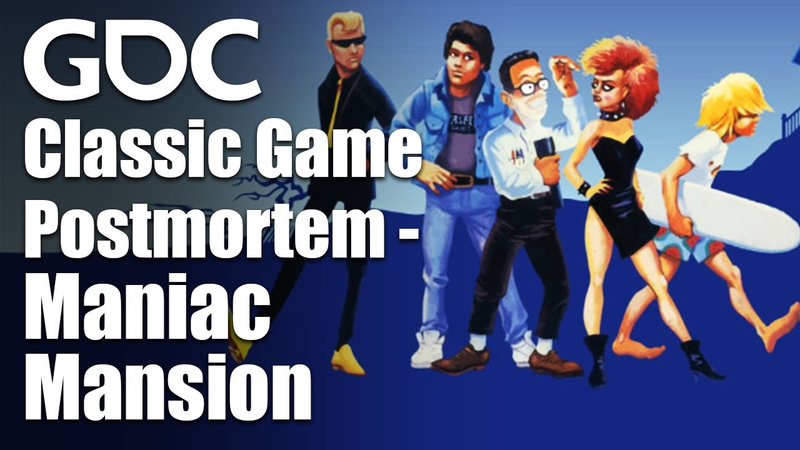
Classic Game Postmortem: Maniac Mansion
Maniac Mansion, released in 1987 by Lucasfilm Games, represents a foundational shift in the adventure game genre.
- The 1987 release of Maniac Mansion by Lucasfilm Games revolutionized the adventure genre by replacing text parsers with a visual, verb-based interface and introducing the cinematic cutscene.
- The development of the SCUMM (Script Creation Utility for Maniac Mansion) engine provided a multitasking scripting language that enabled efficient memory management on the Commodore 64 and served as the technical foundation for future adventure titles.
- The game introduced high replayability through a character-selection system, allowing players to choose three out of seven available characters, each with unique abilities that required different puzzle-solving strategies.
Companies behind it

As the documents state it.