1 free read left. Create a free account for unlimited reading + AI research.
Create free accountWhitepaper Replay. The Polish Journal of Game Studies
1 free read left. Create a free account for unlimited reading + AI research.
Create free accountWhitepaperReplay. The Polish Journal of Game Studies
Distilling the key insights…
This analysis examines the intersection of Polish criminal law and the misappropriation of virtual assets within online gaming environments. The primary thesis posits that while virtual items do not qualify as "moveable property" under the Polish Penal Code—thereby excluding them from traditional definitions of theft—they are protected as "property" or "proprietary rights." Consequently, actions involving the unauthorized acquisition or destruction of virtual assets can be prosecuted under alternative legal frameworks, specifically those governing fraud and computer-related crimes.
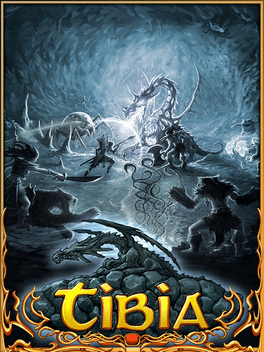
The research utilizes a qualitative methodology, analyzing legal doctrine, judicial precedents, and specific case studies, including the 2006 Ponzi scheme in Eve Online and three distinct incidents involving Tibia and Metin2. A central analytical tool employed is the concept of the "magic circle," which defines the boundaries of acceptable behavior within a game. The analysis suggests that actions occurring within these boundaries may be shielded by the legal defense of "sports risk" (kontratyp). However, when conduct violates these established rules or involves external criminal acts—such as physical threats or the use of malicious software like keyloggers—the protection of the magic circle is forfeited, necessitating state intervention.
The findings conclude that the most appropriate legal mechanism for addressing virtual property crimes in Poland is Article 287 of the Penal Code, which penalizes computer fraud. This provision is sufficiently broad to cover the unauthorized modification, deletion, or manipulation of data, regardless of whether the underlying source code of the game is altered. The analysis affirms that the existing Polish legal framework is robust enough to protect virtual assets, provided that practitioners correctly classify these acts as property-related offenses rather than traditional theft.
Each row is a game or company this document names, each column a document, oldest first. A mark means that document names it. Select a row to see those documents.
Replay. The Polish Journal of Game Studies · 2026
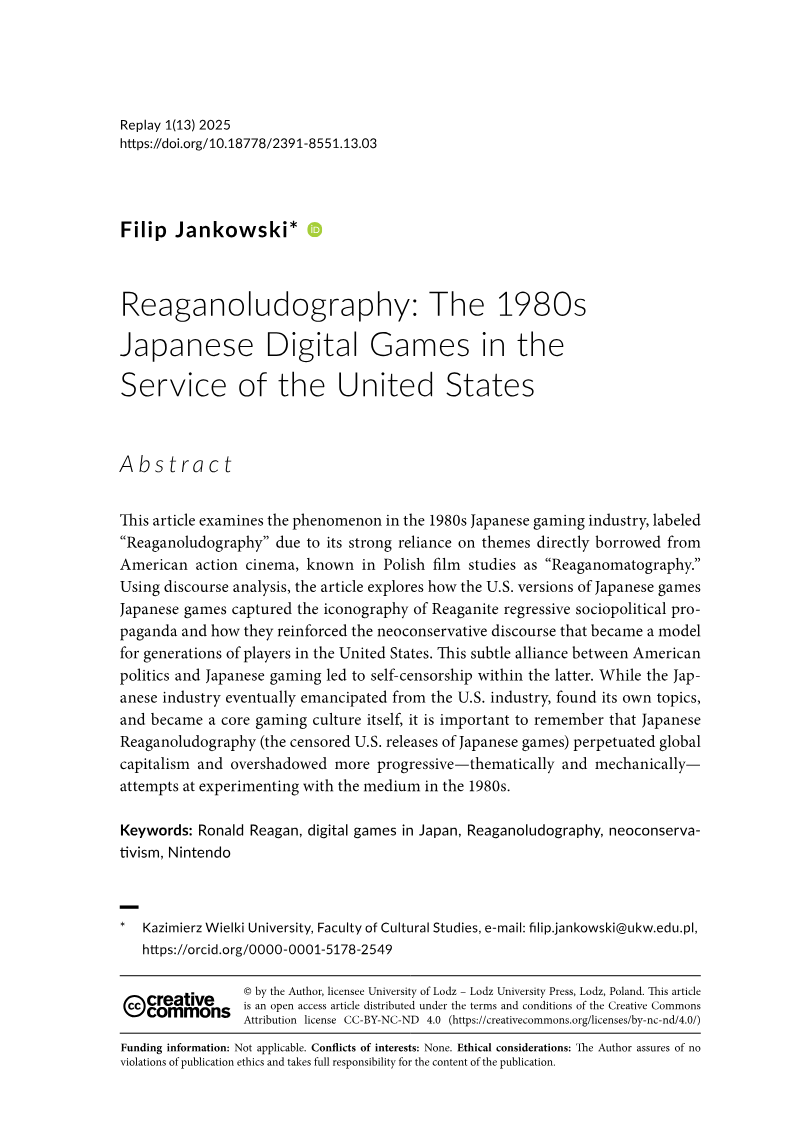
Replay. The Polish Journal of Game Studies · 2026



Replay. The Polish Journal of Game Studies · 2026
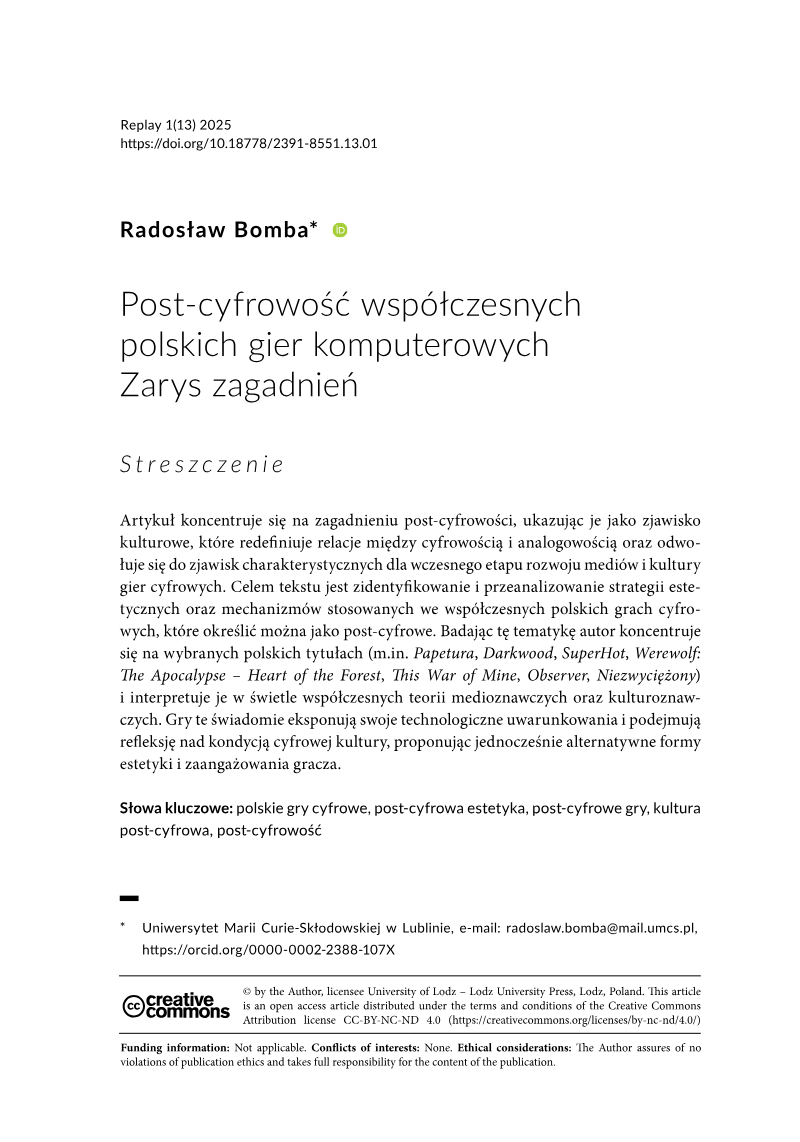
Replay. The Polish Journal of Game Studies · 2026
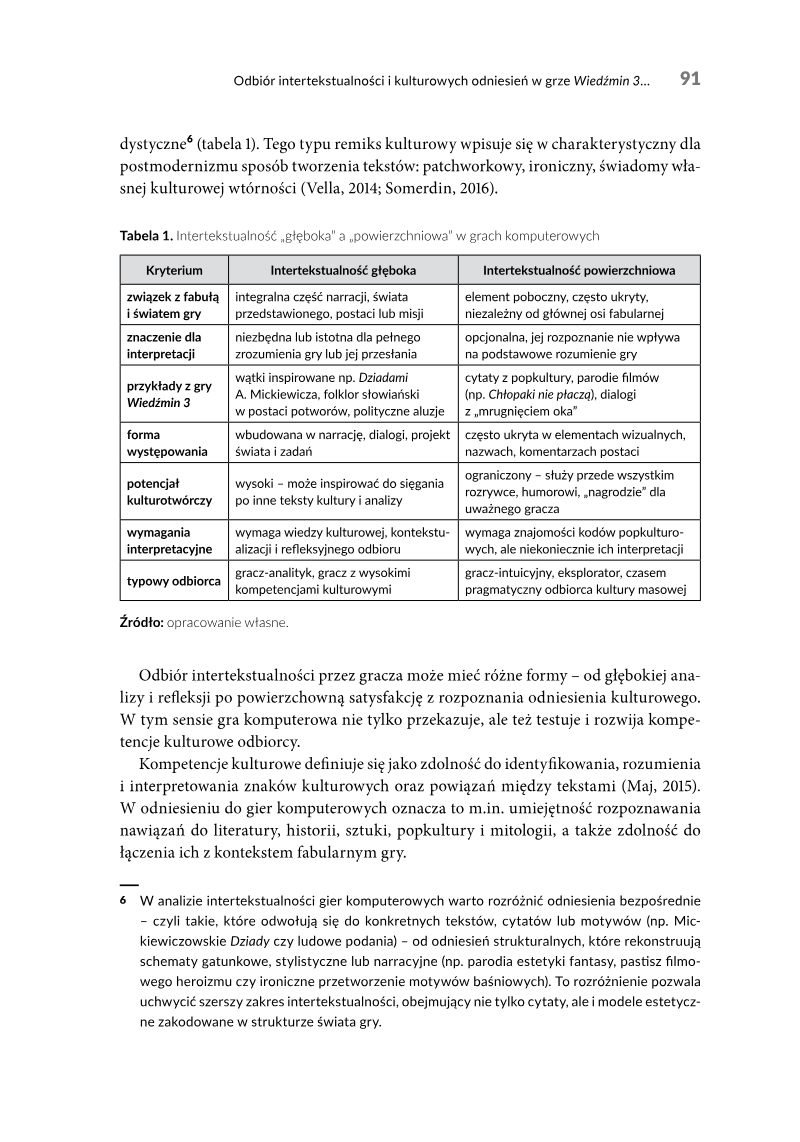
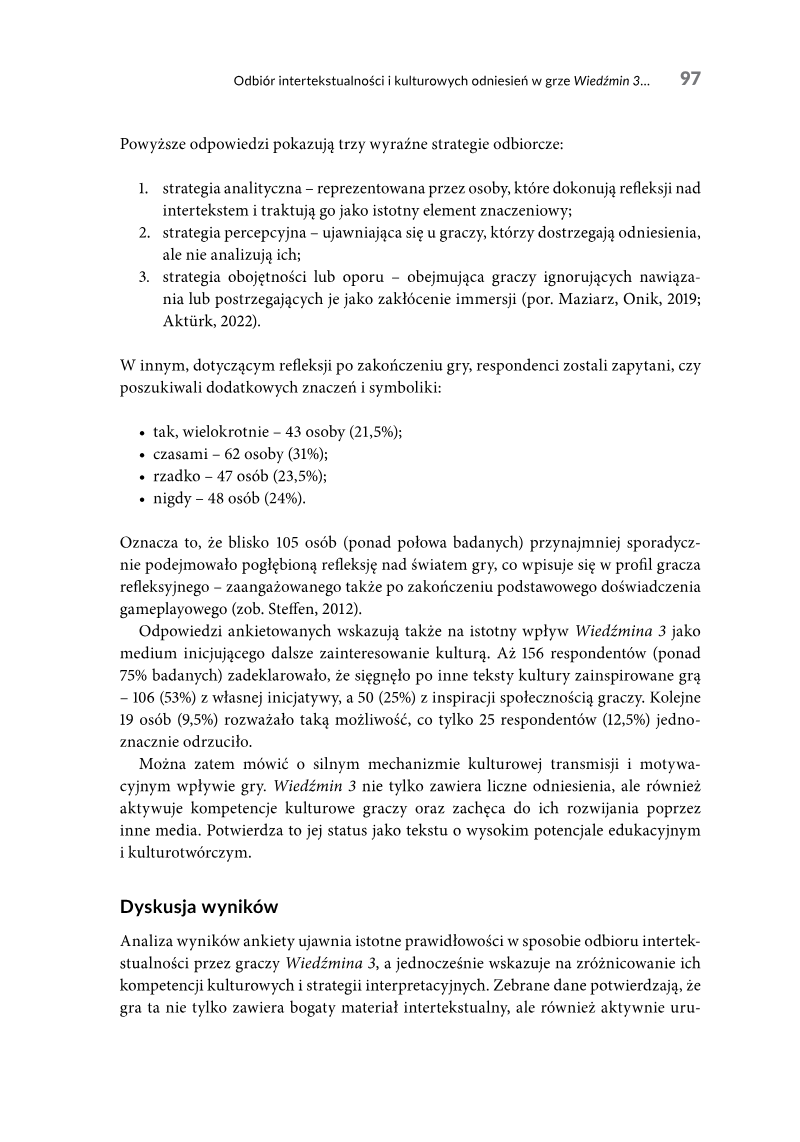
Replay. The Polish Journal of Game Studies · 2026
Replay. The Polish Journal of Game Studies · 2026
Replay. The Polish Journal of Game Studies · 2024
Replay. The Polish Journal of Game Studies · 2024
Replay. The Polish Journal of Game Studies · 2024
Replay. The Polish Journal of Game Studies · 2024
Replay. The Polish Journal of Game Studies · 2024
Replay. The Polish Journal of Game Studies · 2024
University of Gothenburg · 2014