More on Game Studies
View all
PocketGamer.biz
In the Hot Seat: Stefan Lampinen on how Chinese publishers are outpacing the West
PocketGamer.biz · 2026


Report
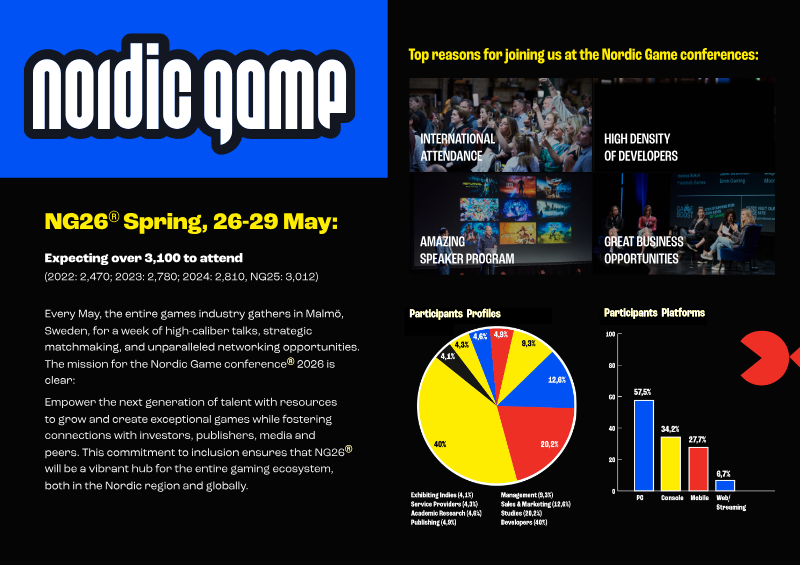
Nordic Game 2026: Participant Profiles and Platforms
Nordic Game · 2026
Whitepaper
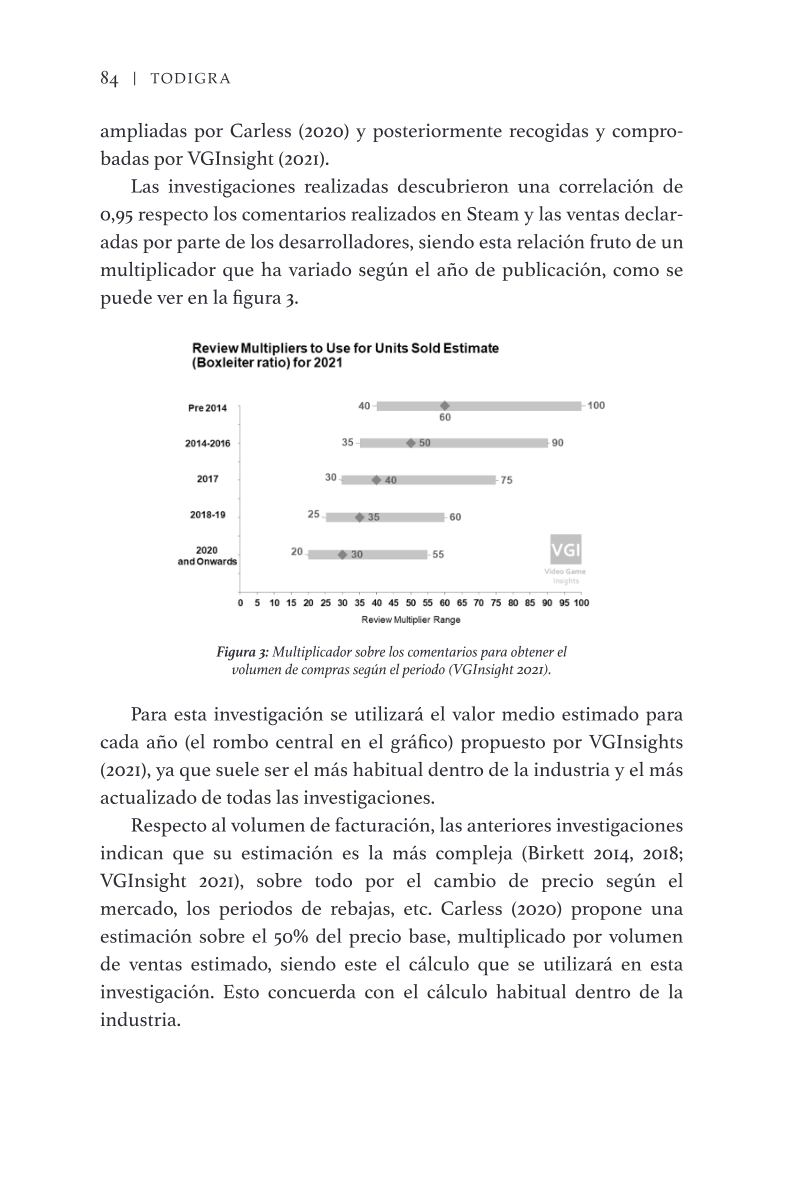
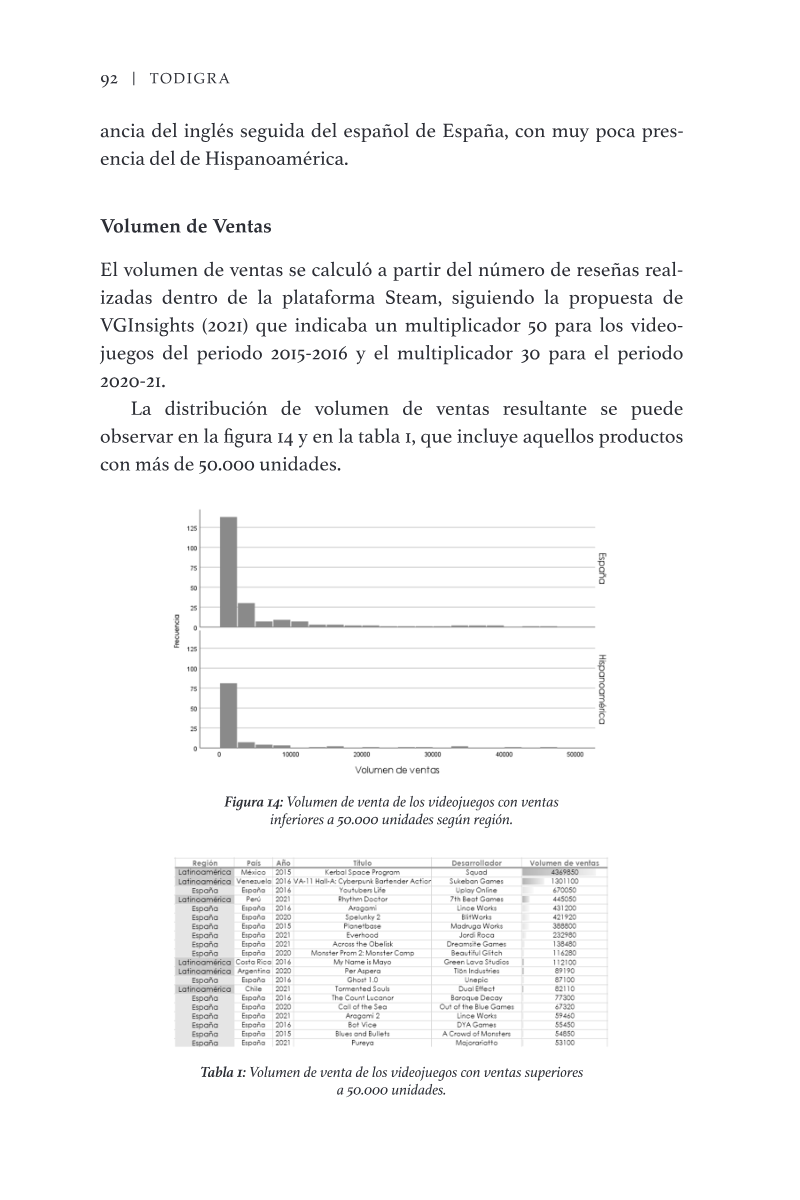
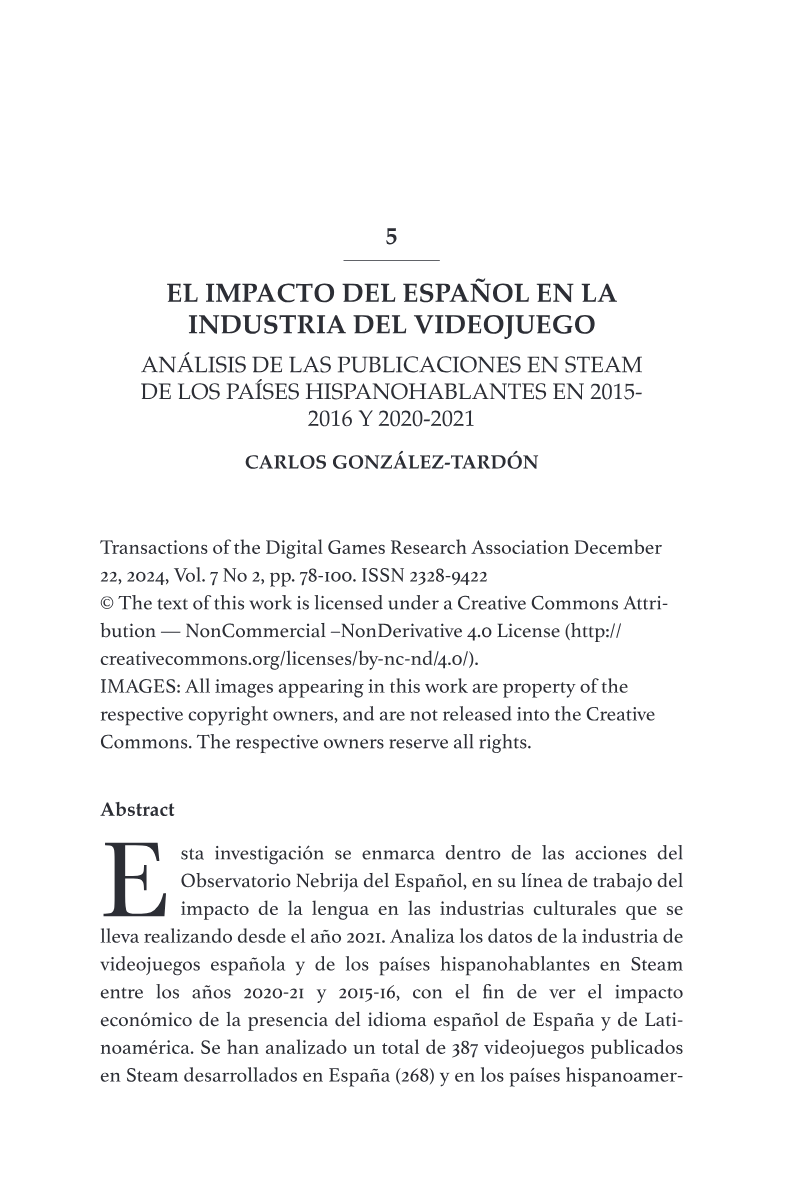
El Impacto del Español en la Industria del Videojuego: Análisis de las Publicaciones en Steam
DiGRA · 2024
Whitepaper
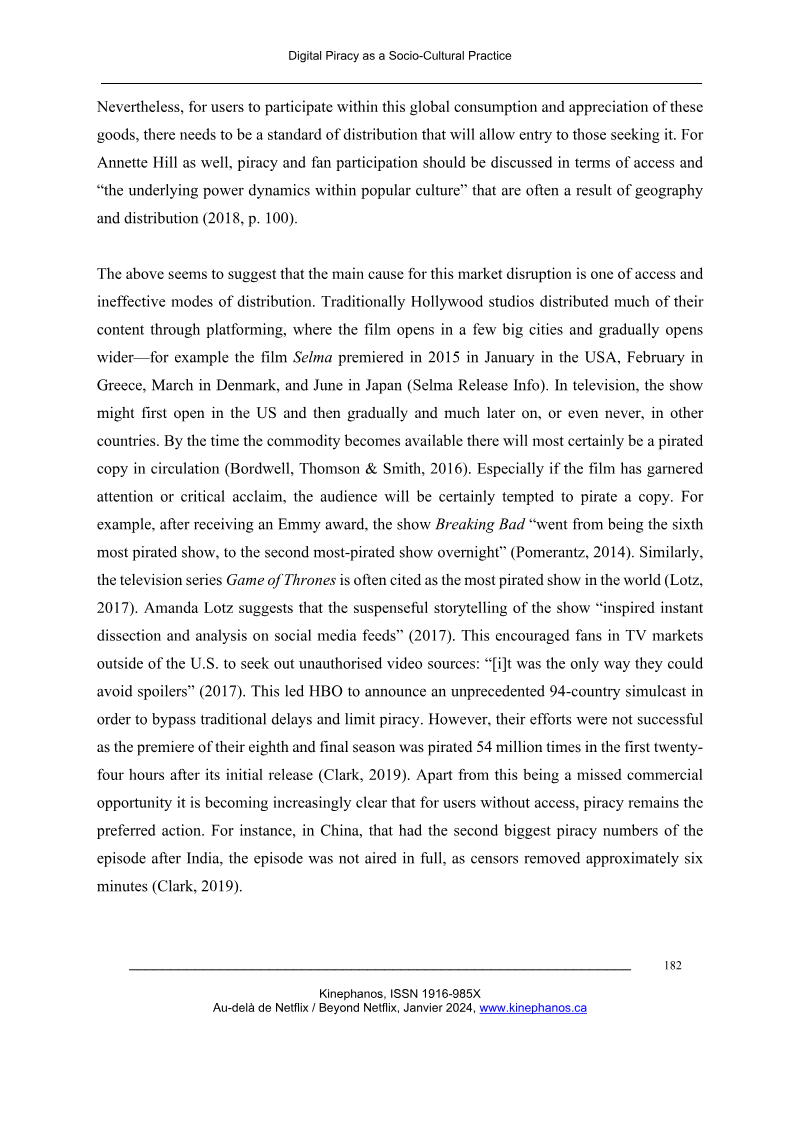
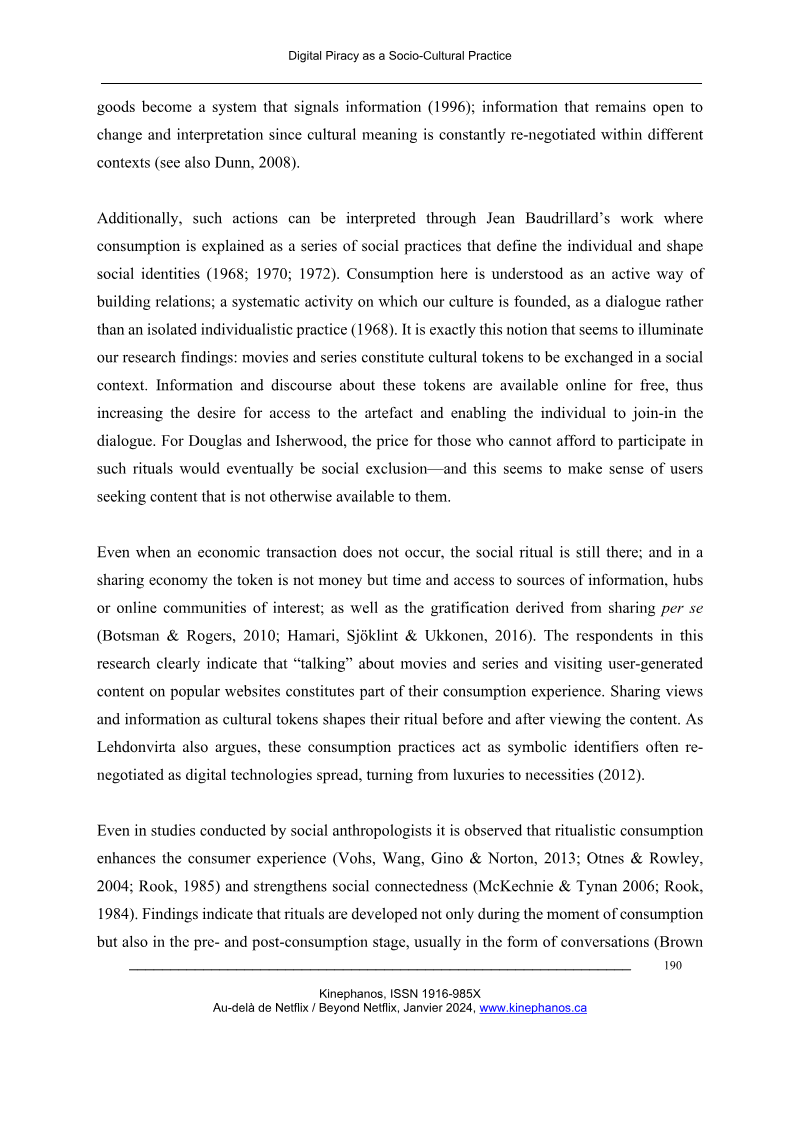
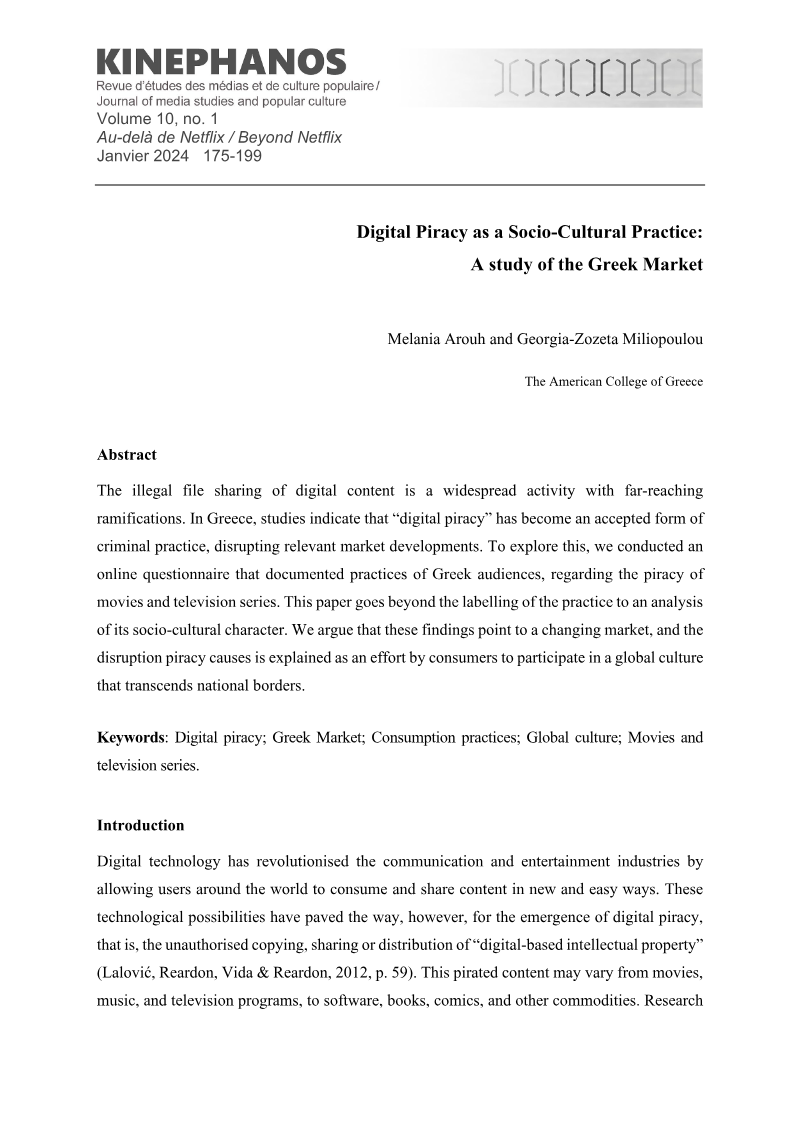
Digital Piracy as a Socio-Cultural Practice: A Study of the Greek Market
Kinephanos · 2024
Whitepaper
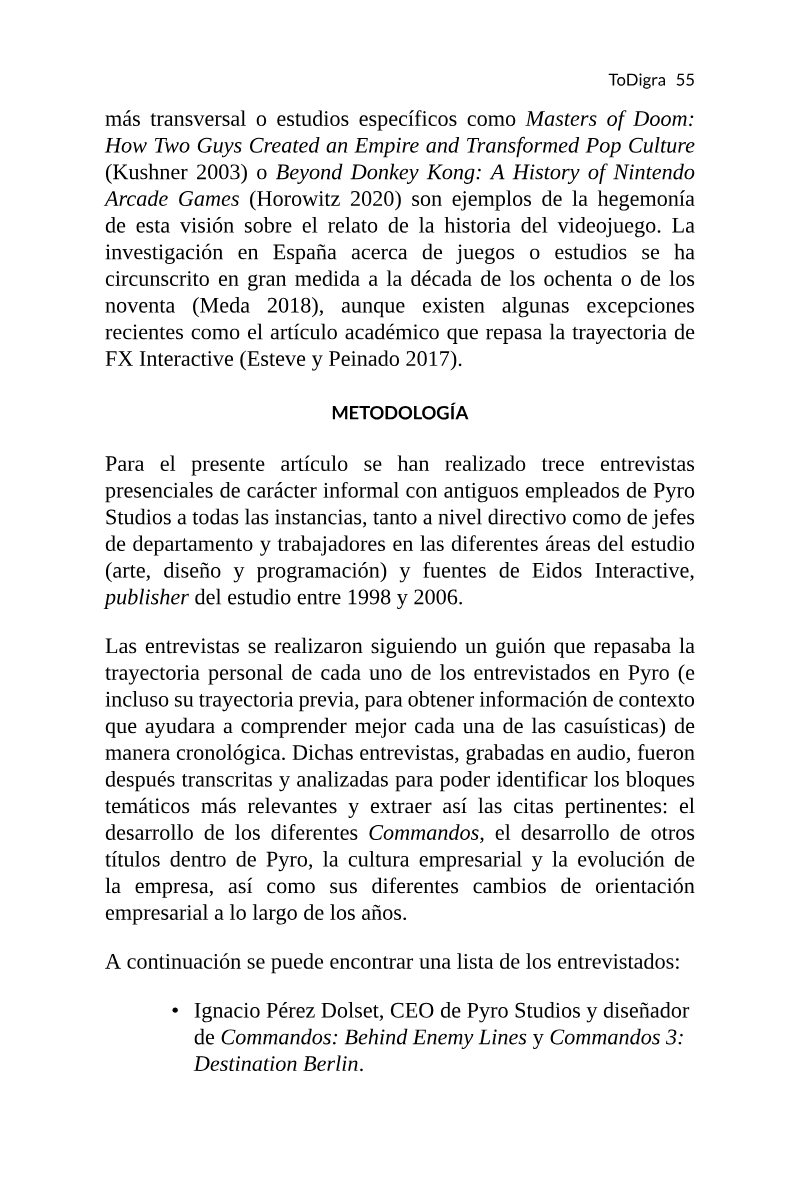
Pyro Studios: An Essay on the Success and Later Demise of the Studio behind Commandos
Digital Games Research Association · 2023
Whitepaper
Steam and the Platformization of Virtual Goods: An Analysis of the Weapon Skin Economy in Counter-Strike: Global Offensive
Spiel|Formen · 2022
Whitepaper
Playing Distressed Art: Adorno’s Aesthetic Theory in Game Design
Replay. The Polish Journal of Game Studies · 2022
Whitepaper
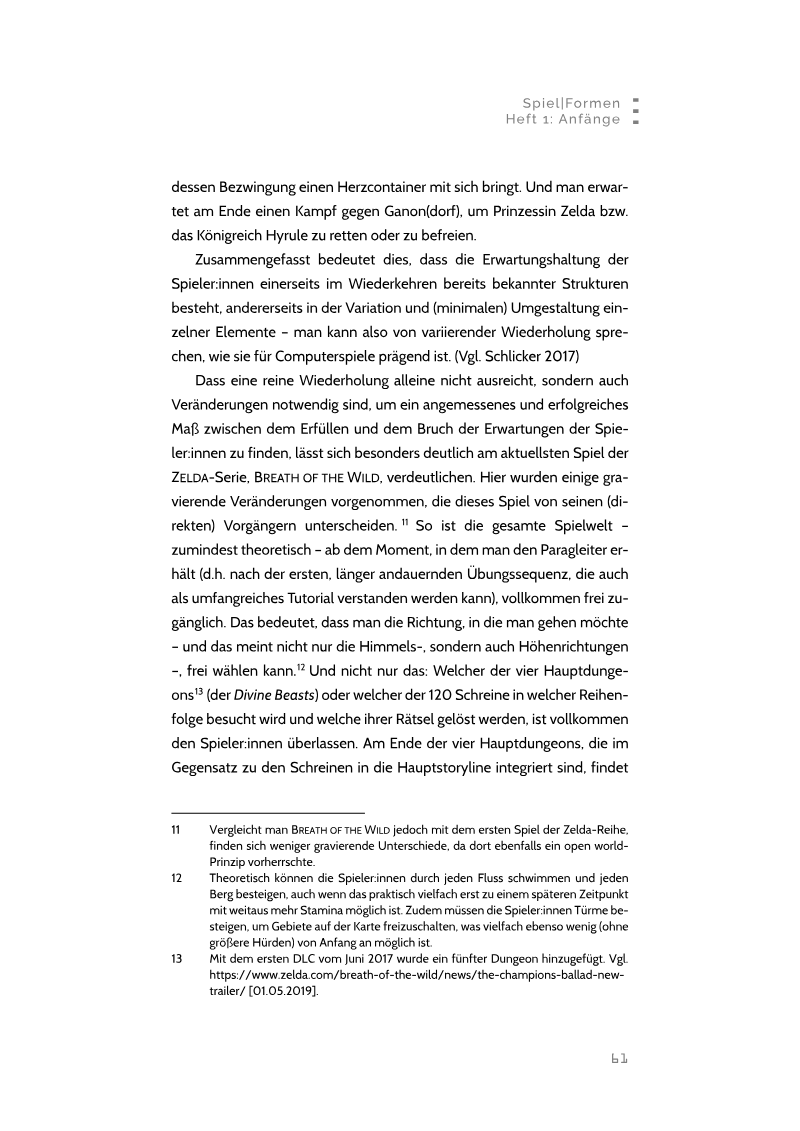
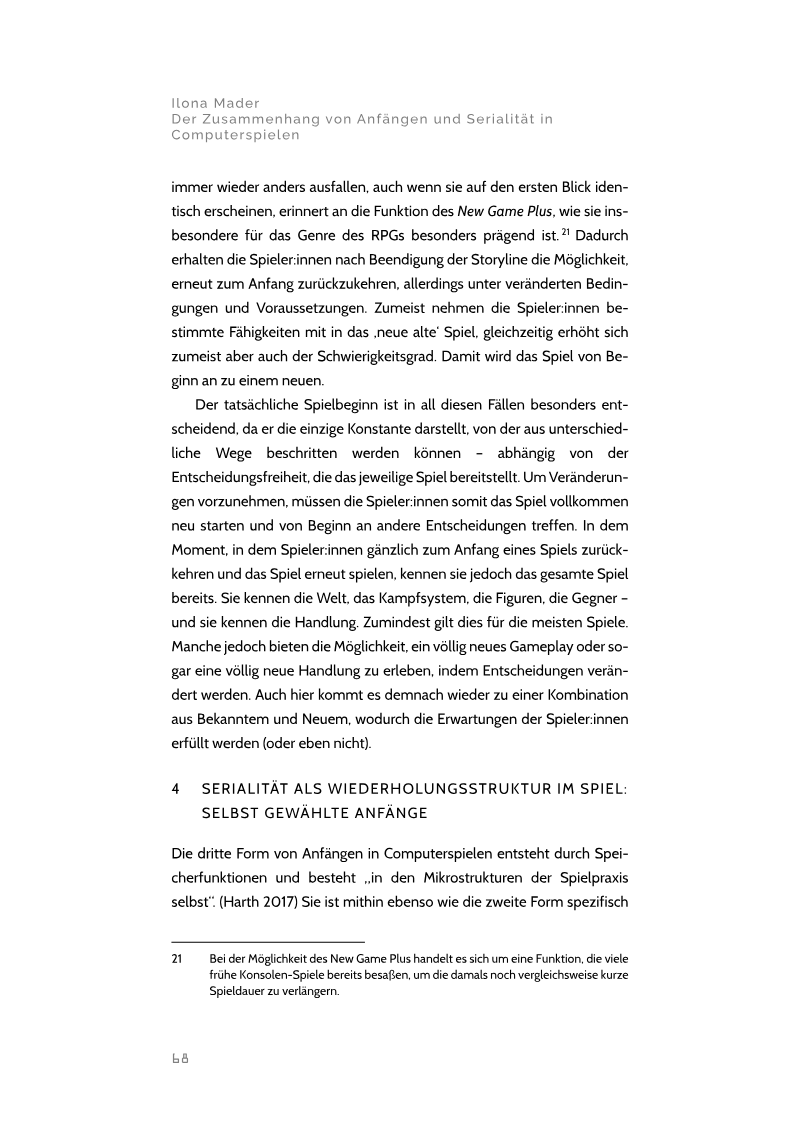
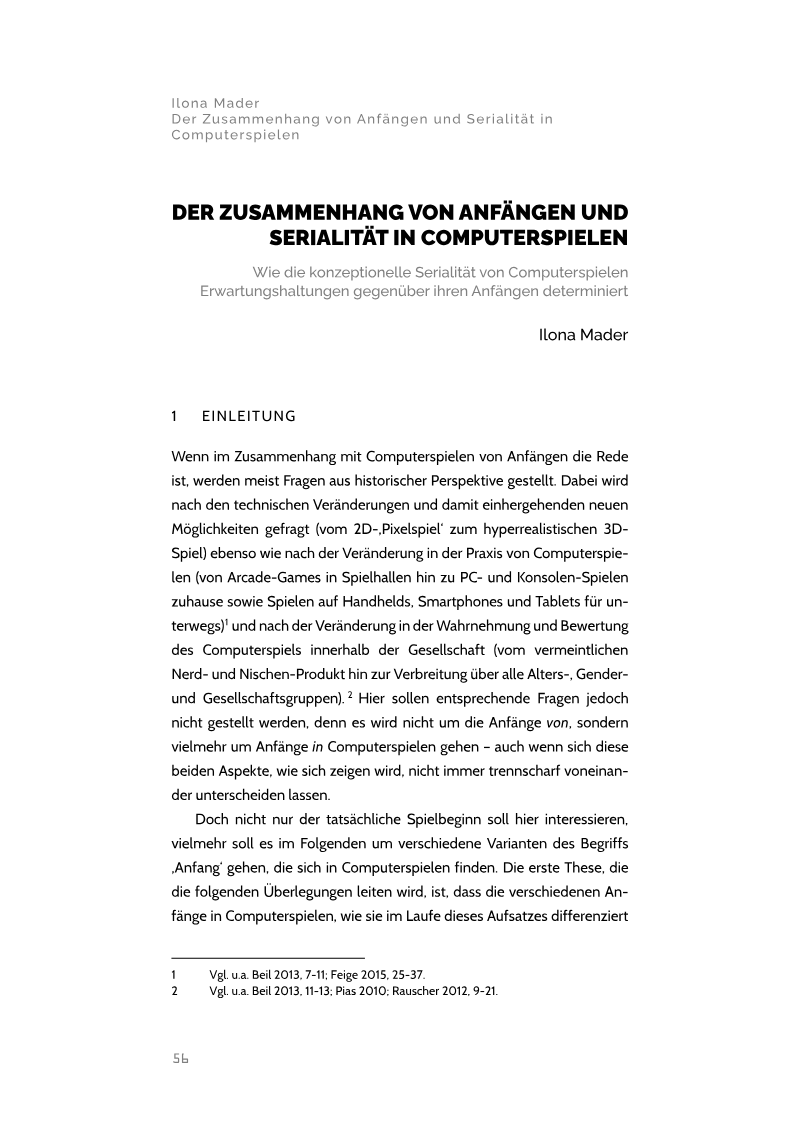
Der Zusammenhang von Anfängen und Serialität in Computerspielen: Wie die konzeptionelle Serialität von Computerspielen Erwartungshaltungen gegenüber ihren Anfängen determiniert
Spiel|Formen · 2021

Report
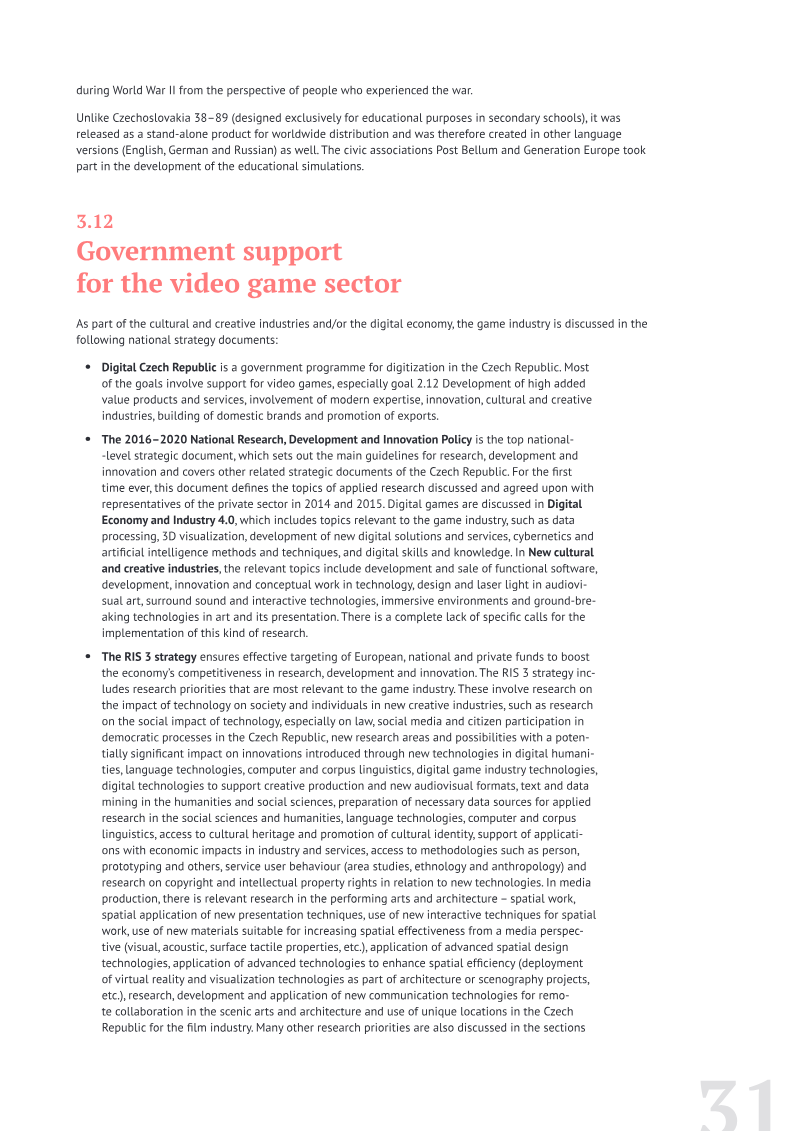
Czech Video Game PC, Console and Mobile Game Developers in Czech Republic 2020
GDACZ – Czech Game Developers Association · 2020

Report
Czech Video Game Industry: PC, Console and Mobile Game Developers in Czech Republic 2019
Institute for Digital Economy · 2019
Regulatory notice
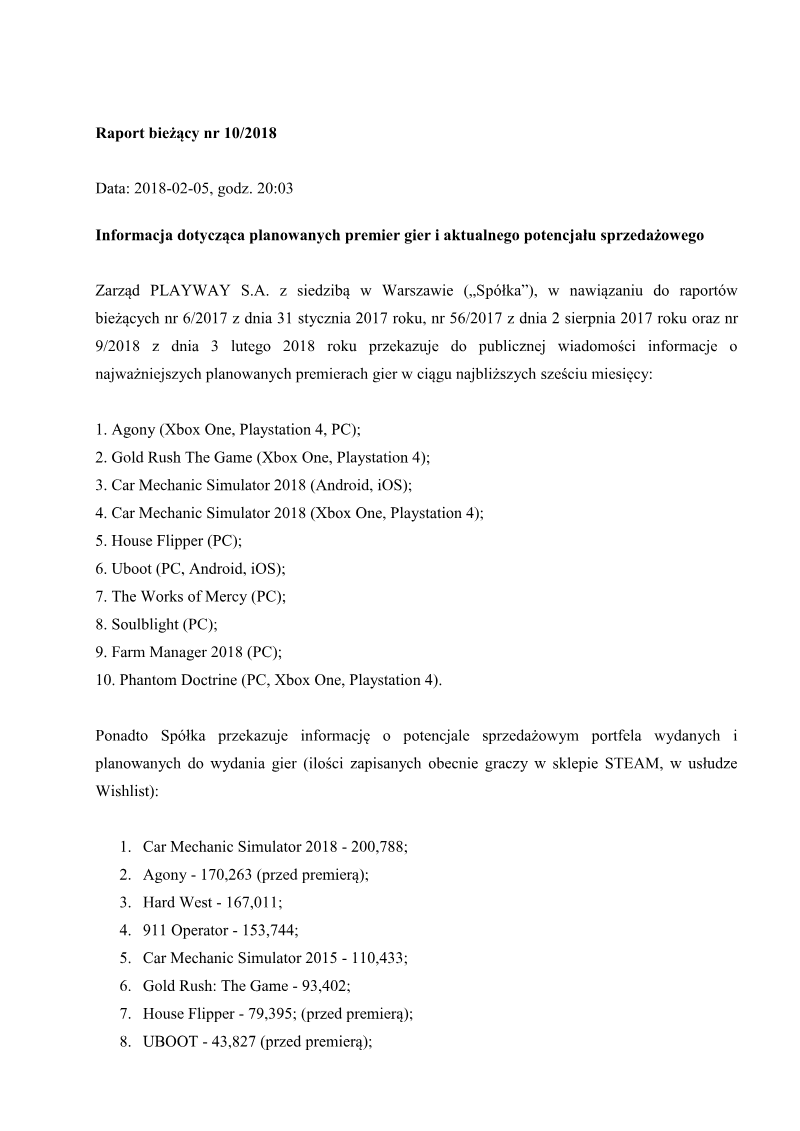
Raport Bieżący Nr 10/2018
PlayWay · 2018

Regulatory notice
Raport Bieżący Nr 84/2017
PlayWay · 2017