More from Video Games Industry Memo
View all
Article
Grand Theft Auto Netflix: The Lukewarm Takes Edition
Video Games Industry Memo · 2026

Article
Gamescom’s Biggest Year: The Debrief
Video Games Industry Memo · 2026

Article
Germany’s Gaming for Democracy Push: VGIM Daily, 28/08/2026
Video Games Industry Memo · 2026
Article
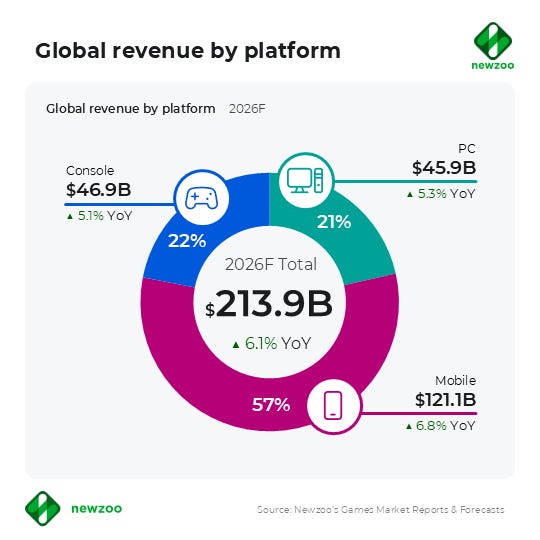
A Fistful of 213.9 Billion Dollars: VGIM Daily, 27/08/2026
Video Games Industry Memo · 2026
Article
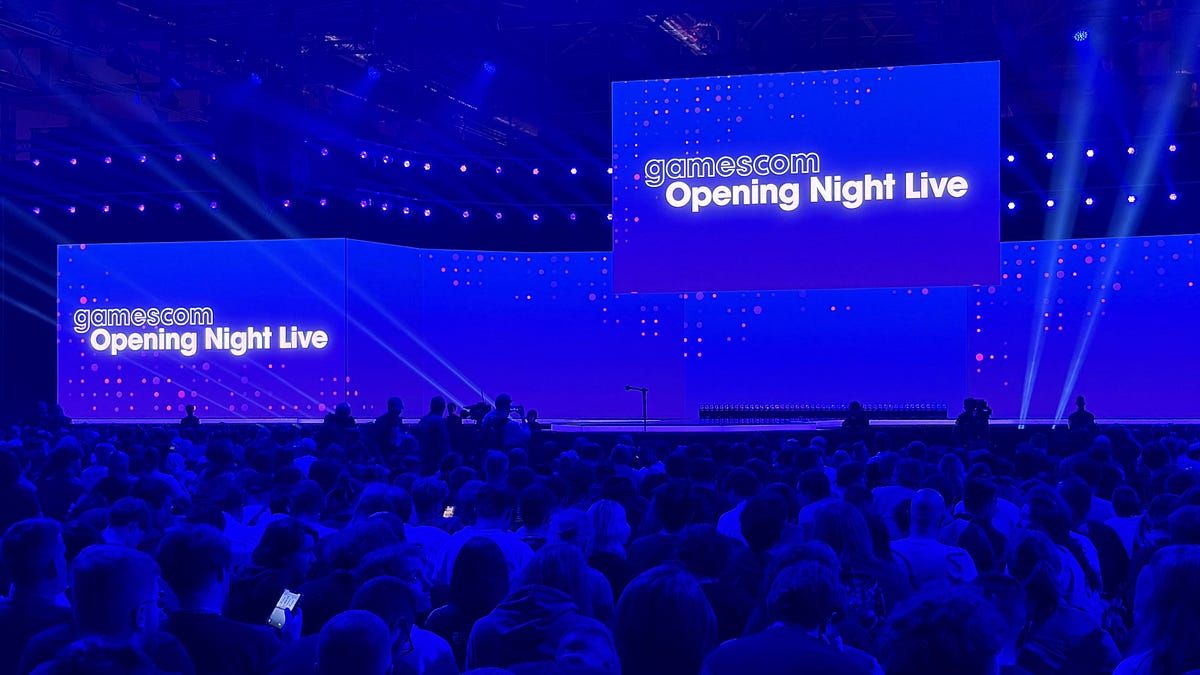
Opening Night Live 2026: A Disappointing Night for Fans
Video Games Industry Memo · 2026

Article
The State of AI in Games
Video Games Industry Memo · 2026

Article
All’s Well That Endres Well: VGIM Daily, 24/08/2026
Video Games Industry Memo · 2026
Article
Stop Killing Games: Playing Politics, August 2026
Video Games Industry Memo · 2026
Article
Five Video Game Journalists You Should Be Following: 20 August 2026
Video Games Industry Memo · 2026
Article
Saudi Arabia, EA and Digital Sport's Soft Power
Video Games Industry Memo · 2026
Article
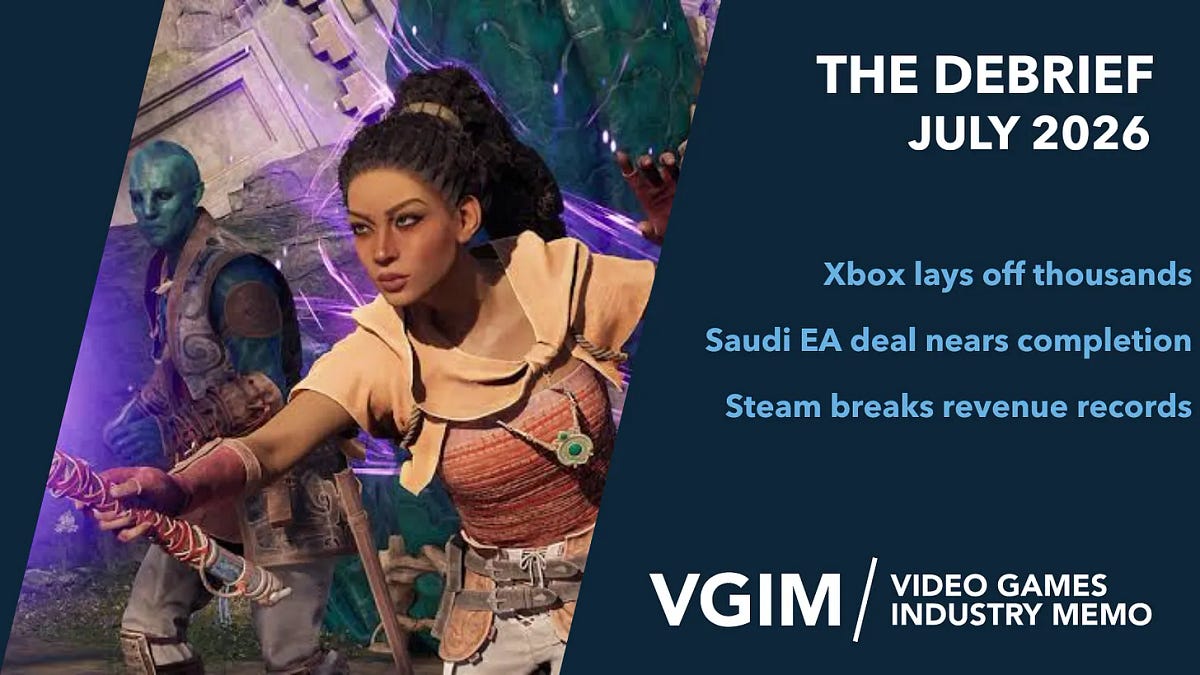
The Debrief: July 2026
Video Games Industry Memo · 2026

Article
Mirth and Fun in New York
Video Games Industry Memo · 2026