1 free read left. Create a free account for unlimited reading + AI research.
Create free accountWhitepaper ETC Press
1 free read left. Create a free account for unlimited reading + AI research.
Create free accountWhitepaperETC Press
Distilling the key insights…
This collection of analyses explores the intersection of game design, player agency, and the cultural significance of interactive media. By examining a diverse range of titles—from narrative-driven adventure games and complex historical simulations to expansive open-world RPGs and multiplayer online environments—the research establishes that video games function as sophisticated, multivalent texts. The central thesis posits that meaningful player engagement is derived not from superficial spectacle or competitive metrics, but from the synthesis of narrative stakes, ethical decision-making, and the collaborative problem-solving inherent in virtual communities.
The findings highlight a persistent tension between industry trends and design depth. While the late 1990s saw a shift toward graphical spectacle that marginalized narrative-focused adventure games, titles like Monkey Island 2 and Phoenix Wright: Ace Attorney demonstrate that curiosity and storytelling remain potent drivers of player immersion. Similarly, in the realm of massive multiplayer games like World of Warcraft, the study identifies that ad hoc groups successfully leverage shared knowledge and external communication tools to navigate complex challenges, effectively mirroring professional teamwork dynamics. Furthermore, historical simulations such as Europa Universalis II and dystopian narratives like Deus Ex: Invisible War are identified as powerful platforms for ethical reflection, where players exercise genuine agency within deterministic systems to confront the limitations of their own moral reasoning.
The scope of this analysis spans the evolution of the gaming industry from the late 1990s to the early 2010s, covering genres including adventure, strategy, and role-playing. A critical conclusion drawn across these segments is that while technical progress has enabled greater customization—particularly regarding gender and character identity in titles like Fallout and Skyrim—the industry’s marketing and default design choices often lag behind, frequently reinforcing heteronormative perspectives. Ultimately, the research advocates for a deeper literacy of games as a medium, urging developers to prioritize inclusive design and narrative complexity to ensure that the medium’s potential for meaning-creation is accessible to a broader, more diverse audience.
Each row is a game or company this document names, each column a document, oldest first. A mark means that document names it. Select a row to see those documents.
ETC Press · 2022
University of Malta · 2026
Canadian Game Studies Association · 2025
DiGRA · 2025
DiGRA · 2025
DiGRA · 2024
Loading... The Journal of the Canadian Game Studies Association · 2024
Spiel|Formen · 2023
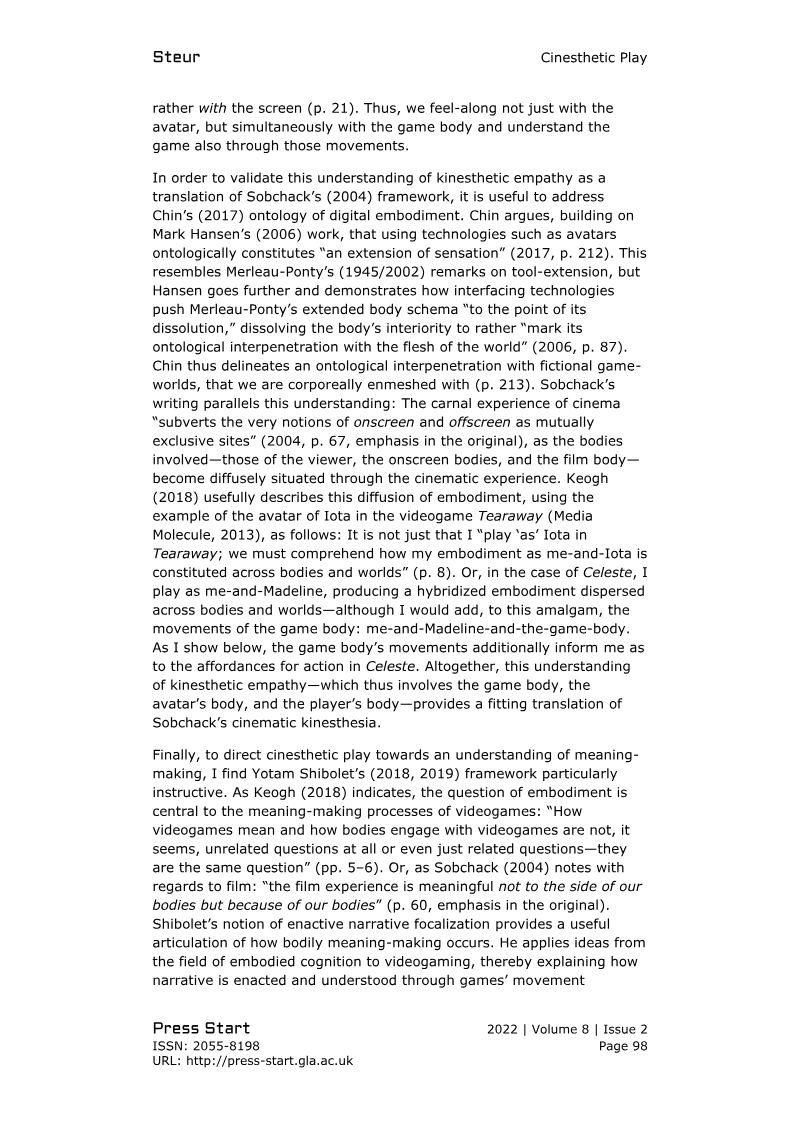
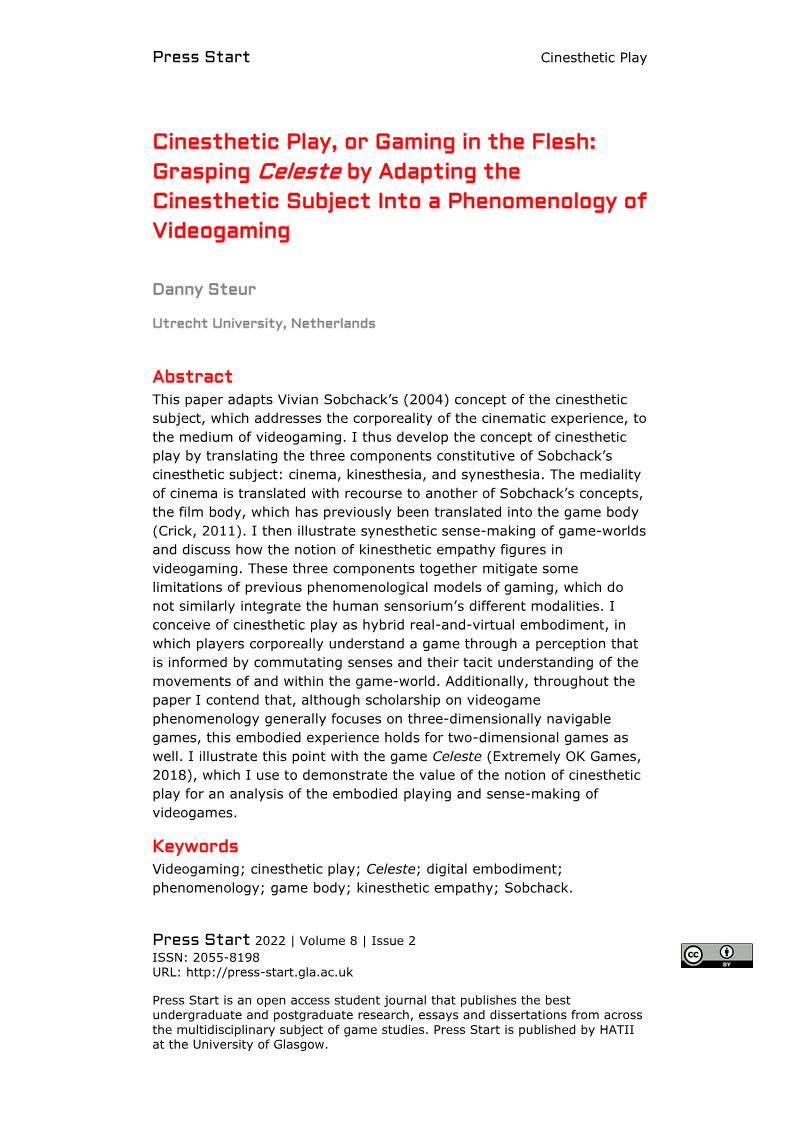
Press Start · 2022
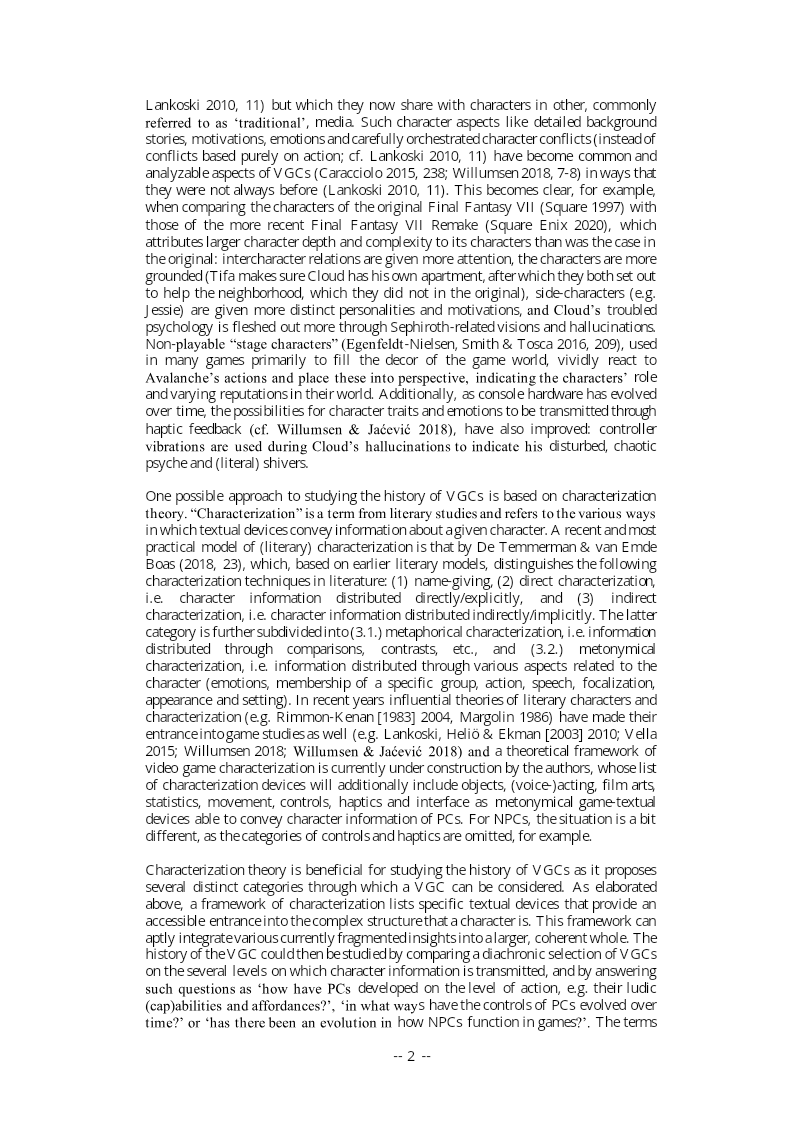
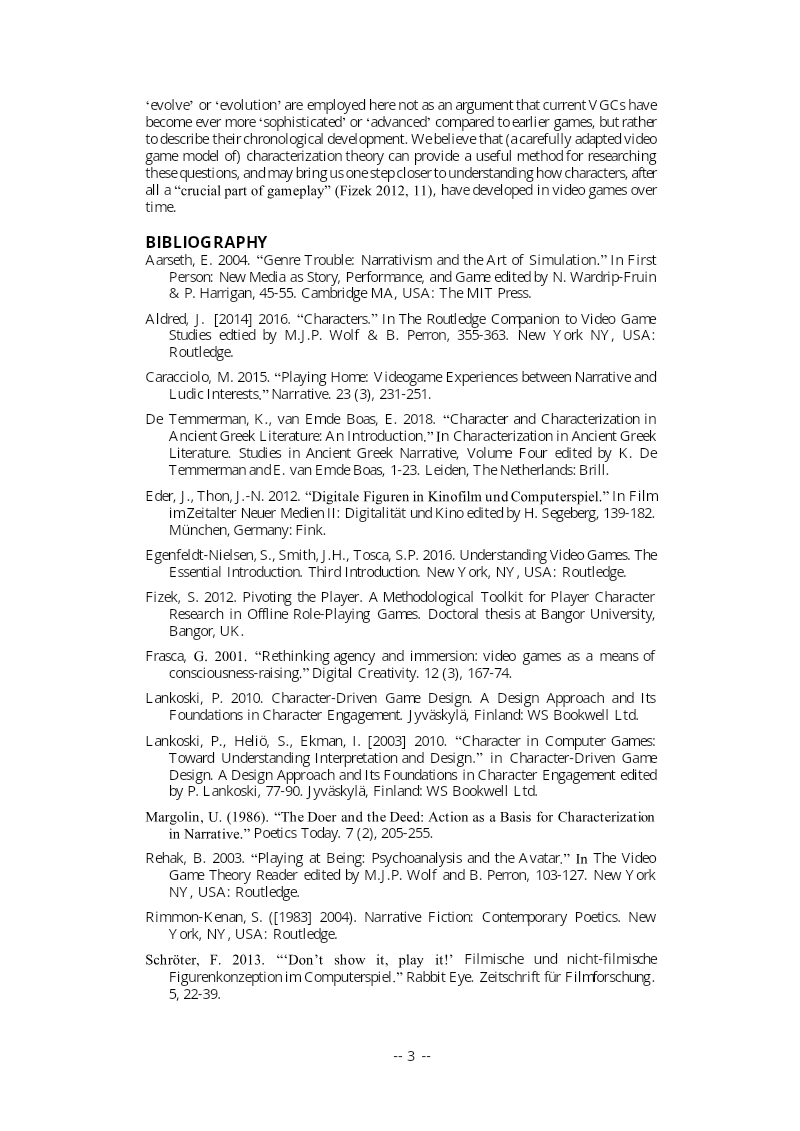
DiGRA · 2022
Press Start · 2021
Loading... The Journal of the Canadian Game Studies Association · 2020
Digital Games Research Association · 2020