1 free read left. Create a free account for unlimited reading + AI research.
Create free account
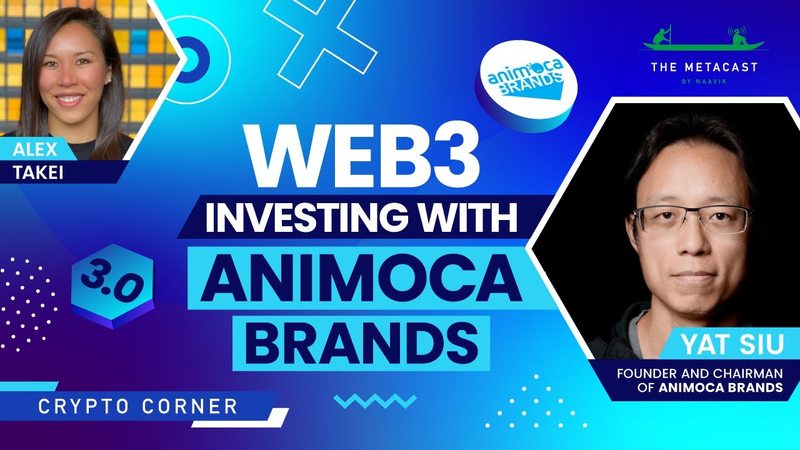
Web3 Investing with Animoca Brands - The Metacast by Naavik
Key insights
6 takeaways- 01Animoca Brands operates as a hybrid entity that functions simultaneously as an ecosystem operator and a venture investor to build foundational infrastructure for digital property rights.
- 02The firm prioritizes long-term network effects and shared liquidity over traditional venture capital goals of rapid, isolated exits.
- 03The company leverages major intellectual property and celebrity brands to bridge physical-world identities with digital ownership, facilitating user onboarding.
- 04Market sentiment toward Web3 is geographically divided, with Western audiences showing resistance due to over-financialization concerns, while Asian markets show higher receptivity to digital property rights.
- 05By rejecting Web2 extractive models, the firm utilizes stakeholder capitalism to redirect economic power from platform intermediaries to players and developers.
- 06The firm measures success by the growth of an ecosystem-wide gross domestic product rather than individual project valuations, aiming to create a compounding, sustainable decentralized economy.
Ask AI about this video
Transcript
[Music] greetings friends welcome to another session of the crypto Corner brought to you by navic I'm your host Alex Takei and today I'm very excited to welcome.cu founder and current board member of animoca Brands the Hong Kong Venture Capital firm we all know best for having one of the most expansive cryptocurrency and blockchain gaming related portfolios in the world backers of the legendary crypto kitties axi Infinity sandbox Open Sea Dapper labs and many many more animoca was given evaluation around 5.4 billion and total Capital raised around 700 million in 2022 and it could be more at this point but um welcome to the podcast yacht thank you for having me excited to be here yeah and I'm glad to be connecting under different circumstances this time around I know last time we chatted it was over dinner at Fleming's in Palo Alto you were stuck in America due to coveted travel
restrictions so I hope it's a new year um hopefully the worst is behind us are you in uh are you I'm back in Hong Kong I'm back in Hong Kong I'm traveling a lot still but it's been good uh and the Hong Kong has also lifted the travel restrictions so no more sort of sort of quarantine restrictions the same way you know you can't go to restaurants for the first three days but you can stay home and everything so it's it's much more relaxed so that's great yeah I think like what a what a interesting time I kind of think back on it and I'm like I can't believe that really happened um truly I can't believe it happened um and I also remember asking you some very contrarian questions at the time I I think I remember us debating whether or not the players made the World of Warcraft or the developers sitting at blizzard made the World of Warcraft and so um I love contrarian questions because it's the best way to make us think about these things right right right um so I think that was made for an entertaining discussion for everybody else at the table I'm sure so um but
today I think um instead of asking sort of these uh you know thesis level questions about who makes the games or who doesn't make the game or whether or not web3 or the metaverse is the right thing to do I want to talk a little bit more about Anna mocha's story um the thesis they've been deploying Capital against its Mission the investing style markets maybe I know you've done a ton of talks vouching for the creation of the metaverse and digital identity but you know many of our listeners right now are web3 companies who already believe that this is the right direction to move in um or investors trying to find the right companies to back so you know before we kind of start can you just sort of share what's what was going through your mind in 2014 when you decided to found Anna mocha Brands and if I did my research correctly in a mocha which is not to be confused with animocha Brands started as a mobile driven developer so what sort of what sort of happened so actually the background the history of animoka itself really started in 2011 or actually maybe even earlier than that uh one of the
things that uh so I had just sold um our sort of our a business to IBM which was basically an Enterprise messaging and that was in 2000 and uh well it was in 2008 but the closing happened in 2009 and like with anything that would happen with big companies like IBM effectively the period was like a two-year type of close in terms of processes and structures and everything like that uh and of course during that time I also had to non-compete so I could no longer go into Enterprise I had a history in gaming and we actually had within the group basically some gaming elements so we basically spun that out into a business called animoco and that was in and really happened serendipitously because I was actually asking our team to build a um an app basically for so I was a young father and I basically was carrying around these ridiculous uh sort of flashcards and for every parent they would know you'd have to carry these flashcards and they made out of sort of cardboard and
you know you know you know your your toddler will go over them in like you know two minutes so then you end up carrying around like 300 of them and you literally carry a bag with them so that's ridiculous why don't we just put this on on the phone but remember this was 2010 at that what actually 2009 at that point and 2009 2010 you know the iPhone was a fairly expensive device so so most people didn't think that was a good idea to to give a toddler a um a a sort of you know 1 000 or 1500 US dollar device um but anyway they made it because you know I just asked for it and and it certainly solved my problem uh and then you know you know for a short time afterwards uh the developers came back to me and said hey did you know what happened to the baby flash card app we were the first free baby flashcard app on the App Store um actually named baby flashcards and then uh and uh we uh it was like millions of downloads already and of course back then that was a huge number so that sort of piqued our interest in terms of well interesting the smartphone what's happening there you know what's
what's going on with the App Store and so on and that actually led to the beginning of us actually entering basically mobile app development initially in education but then actually moving forward into gaming and we launched one of the I guess you know in 2011 we were one of the biggest mobile phone game developers in smartphone uh you know which which uh with a title called pretty pet salon and later on Stargirl so we we really uh so I could pioneered the space in Asia but then in the early 2012 and sort of this is an interesting backstory because it led to some of our thinking where we are today Apple de-platformed us and so we had figured out that when we actually launch an app a week we would be able to always have our apps rank right because those of you who remember back in the day Apple had a very very primitive ranking algorithm so cross referral was a great way to basically create a way in which your apps would always be on top so we basically just went ahead and launched you know almost an app a week uh it could and of course
one perspective could be saying well that's kind of growth hacking and maybe that's abusing the App Store ecosystem it's possible Right but there was no rules per se saying that we couldn't do that but instead of Apple giving us a call and saying you know what we don't appreciate this any change of business practices or else they just removed all of our apps and in January of 2012 our entire business was toast it took us almost a year and a half to get back on the App Store when finally they decided that China was an important market and they had to go to Asia and then they looked for developers at that point we had pivoted completely into Android uh but sort of so that was sort of one of the first experiences big big experiences about what it feels like to beat the platformed and to be entirely dependent and you know I had I had grown up in sort of the age of Open Source you know I've built one of Hong Kong's very first internet service providers for me uh this idea of sort of you know open information free information and sort of
really web one was effectively uh sort of decentralized information centralized access was was sort of a big shock as to what was going on there but nevertheless we continue to make mobile games that was a little bit of a struggle because it took a while for us to get back in in in in sort of a leadership position uh but we you know we had acquired companies with capabilities and one of the companies that we had um uh acquired was a small studio in Vancouver called fuel powered that happened to share an office with another company called axioms in and they were developing this little thing called crypto keys and uh and you know this was uh and fuel was on the gaming side and Axiom was basically on the sort of ecosystem technology side and had basically created sort of ERC 721 and and uh when that launched uh we're just like wait a second this is really interesting and you know we we were not crypto ogs in the sense that you know we didn't start with Bitcoin mining we weren't involved in technology back from
from the early days uh we understood it and you know we experimented with it but really more from an academic perspective because it was very Financial in nature and that really wasn't attractive to us in the same way right it felt very Wall Street to us shall we say but then when the crypto Keys came around uh that sort of really sort of Awakened our sort of perspectives and Imagination as to initially ownership on gaming items but then eventually this entire thinking around digital property rights but you got to remember also in you know when this really sort of when we really started getting this full force which was late 2017 at the birth of crypto kitties and sort of 2018. uh you know the general crypto Market was at you know an absolute meltdown right and for those who you know I mean everyone probably on your channel would have experienced this already but you know that was a real real winter or an ice age you know if you want to want to say right I mean Bitcoin was like a three thousand dollars ether was floating in the low hundreds right it was it was a really really rough time but for us it was great because you know we didn't have we didn't come with that Legacy we just said hey this is a great space we
need to build it up and one of the things to build up the space that we decided to do was we had to invest in it because there were so few few builders in the space and that's when we started investing in 2018 2019 in companies like uh sandbox and then next infinity and wax and decentraland and eventually it led to the acquisition of sandbox and all those companies because we had this conviction like digital ownership was going to be really really important initially in the world of games but then actually Beyond right so that's that's how it started and um you know in terms of animoka the sort of belief really is that it's really going back to this principle of Open Source so I used to make presentations about the similarities around what I felt blockchain was in terms of I guess sort of decentralizing value or stores of value if you will versus say decentralizing information or access to that information you know if you know and and sort of the mental model I had in mind well imagine if we were actually able to translate the value that open
source was able to deliver to its creators well then it would have it would create a completely different Paradigm right because after all the people who wrote some of that initial code that eventually would lead to companies like Huawei or Lenovo or actually even blockchain technology everything right they all contributed this but the value they received was basically in kind as it were right and it wasn't really um you know a way to translate that and and tokenization offered away because now you could claim a you know a kind of property in the intellectual sort of stuff that you build and that was that was sort of the model we had in mind and so when we were thinking well what's the way to do this uh who were the big Winners really when you think about sort of the open source movement it wasn't necessarily the I mean yes entrepreneurs and you know but if you were a good engineer building an open source you had a great sort of you know you had a great repo and everyone's like hey I want to hire you that was the way that you got uh sort of recognition not all right and success right you're like oh I can hire you and and you would
then be employed for maybe a good salary and maybe good stock options and so on right but actually the ones who received outsize returns turned out to be the VCS who were backing the companies that were actually taking advantage of Open Source right and and and yes maybe they contributed back to open source but really you know yes it's the founder it's the engineers but the the way in which you can sort of grow and sort of have the sort of exponential growth of of knowledge and I guess code explosion would not have been possible without open without open source so so the beneficiary of that layer actually were people who invested in in those ecosystems uh as well right and and and actually in so doing further the ecosystem because if there was no VC Capital then you know there wouldn't be that many Engineers that were developing these products and there wouldn't be as much contribution going into open source right all these things basically sort of you know pile on top of each other so how would that work in web 3. so the Assumption we made is well okay very similar to open source
actually um sort of you know web3 uh in this in in this context um is actually um a similar shared network effect but it's a shared network effect of ownership and value right and therefore you know in order to participate in this just like with open source you can't monopolize it uh and and in fact that was kind of against our own sort of sort of feeling anyway so we said well then we should invest in an ecosystem that can build Network effects on top of each other so the thesis was basically born that you know you know first of all the emphasis was digital property rights because we think of that as fundamental and and you see us talk about it all the time but really what that means is that generally we want to basically invest in things that either enhance the network effects of these prob digital property or grow the space as a whole right and I remember in our very first pitches this was in 2018 2019 it was pretty difficult to raise money back then you know one of them came to us in one one VC uh and almost no actually almost no classic PCS
invested in us because it was really such an unusual thesis to sort of you know participate in a broader ecosystem while we're building it as well because we have our own operating businesses like sandbox or Phantom galaxies and then we're also sure you know investing and that was something that uh that you know was very sort of untypical uh because it's like what are you are you a VC or are you an operator or Builder and this kind of it doesn't make sense and when we presented the thesis is like you sound a little bit like a foundation and Foundations don't make money so we're not going to invest right um and and and I understand the I guess I understand the sentiment because when you grow an ecosystem like say for instance if you're a Nash if you're if you're sort of I know like a like a like a foundation structure then you're not supposed to profit from this but I think this is different here because we're we we believe that as a value you know it's shared and creates a network effect then actually the network of our investments should also do well but and this is the thing about being an operating business that even if the investment doesn't work out maybe in
terms of a big Capital return the business and the economic activity it generates for operating businesses should actually be you know big enough right so when we made our investment in openc for instance back in you know in in actually late 2018 and 2019 it wasn't because we were hoping it would be worth what it is today I mean it's incredible in terms of its success and sort of the values generated for the group but what really it was about you know selling our assets on openc and having a way in which you could collaborate with them more closer which was you know initially with sandbox or you know assets and so on and eventually it grew to that and now all of our other our portfolios can also benefit from that relationship for instance right so that's that's sort of an example um of that um so what that means also that whenever we invest in must be essentially an open sort of digital asset as in it needs to generally be you know you know involving nfts and blockchain got it got it well
it's first of all crazy story I was about to ask what your very first blockchain investment was and whether or not it was cryptokitties and it kind of sounds like it was because uh auspicious turn of Fate uh where you guys were happening to be co-located physically in the same office which is kind of crazy if you think about that Stroke of Luck um yes but so many interesting things to react to in what you've said and so there are two sort of main things that I want to follow up on is that you know one you talked a lot about this digital property rights um and and delivering that and right and so I guess how is Anna mocha actually navigating the digital property rights with a definite edition of the legal property right and the challenges of conferring sort of copyright and Commercial rights and ownership I think a lot of people haven't really quite figured this out yet but I think I don't know I was reading this article about a bunch of different nft lines like nouns and Ford Apes that are all doing and conferring copyright or IP through the collective Commons or through commercial rights and so how does animoka perceive this
Challenge and how do they help your current portfolio companies actually navigate that towards their users yeah so I think first of all uh digital property rights is actually a contractual thing in most laws today I think in all laws today right so in other words it doesn't have the same status as your physical property rights but that is changing so for instance the UK and Hong Kong is now actually assessing and reviewing actually what digital property rights means and one thing simple example of this could be you know if someone stole your Bitcoin then do you have a legal claim against it and actually I would say most jurisdictions would say actually you do right because there is value even if it isn't something specifically in law um you know that it's because it's in digital format most people can now recognize that this is actually an asset that would belong to someone and therefore had to be returned if you can prove that it was stolen for instance right so there are elements around that there's already sort of there in the sort of traditional law but it's missing a lot of core elements of this right and and one of those elements for instance
affect things like you know nft royalties for instance right because there's no legal agreements attached to it because there are some interesting questions around this right which is for instance that if you actually own an nft and some people are debating for instance a kind of you know clawback that if you were going to sort of uh uh sort of not pay royalties then we can basically sort of you know maybe destroy your nft for instance or something like that right yeah and that's a very radical version but but the thing is that if a third party can for instance destroy something that you own because maybe you didn't transact it in a manner that the Creator sort of uh that sounds like apple juicy listing you correct correct right so that basically is actually a different kind of centralization and more importantly you never really own it right so the principle that we're Guided by essentially is that in this idea of freedom to transact is one that I may you know I have the freedom to deny you service if you basically abuse it but I don't have the freedom to take it away from you it's still yours for instance right um and I you know and and I have the
freedom to transact with any other party that actually wishes to transact in a certain manner if that's what if they so choose to it just you know we as a platform may say well if you haven't paid your royalties slash taxes then you can enjoy the benefits of what I'm giving you that's fine right but it doesn't mean that we can revoke your ownership right and so so if you craft it basically a licensed agreement structure that uh We've now basically made open source as a draft and they're basically under On A Creative Commons license and basically let other people go out and sort of edit it and use it and you know we're sharing it we share this with our portfolio Partners I think actually in fact just today Cool Cats announced that they're using a version of our IP license uh and and actually the other thing that comes in that essentially is that in that IP license structure and if a person um you know if a platform in this case a Marketplace actually does not honor um the royalties then very similarly to so what happened to you know the nafters of of of the old days then actually they
become liable because they've enabled essentially that transaction so forcing essentially the marketplaces to become good actors because one of the problems is that marketplaces were actually some of them were were actually trying to gain market share with like basically sort of doing by lowering by doing by doing nowhere else except it's not on their cost it's on the cost of the creators right absolutely yeah but I think the yeah yeah but I think the big thing around property rights and and why it has to be as open and free and composable as possible is that only through the freedom of these assets can you construct these incredible Network effects because the moment you put restrictions on it you then start to disable the ability for third parties to actually build stuff freely on top of it and that's why we're so excited about digital property rights and because because if you think about all of our physical ownership of things actually it's the freedom for third parties to actually build on top of them that this sort of creates the not just enhances the value of these assets but enhances
the utility and actually becomes you know becomes a platform for growth and Innovation as well I mean think of you know everything you own like your car for instance or the house you own or even you know your smartphone that you own the sort of ecosystem around it that makes it a better experience is all provided by Third parties in an entirely permissionless manner probably you have a case for your phone probably you have headphones for your phone right probably you have you know sort of other decorative items on top of just the fact that you own this phone that was not made by Apple or by Samsung and created an ecosystem that allowed you to express yourself you know the automobile industry is a great example of that because the number of people employed around the ownership of cars is far far greater then actually the selling of the cars in and of itself and and if you always had to go back and seek permission from say Tesla or from you know from Volkswagen to do a change to the car like a baby seat or leather seats or hiring a driver or you know
launching Uber and you'd have to seek permission from that every single time then it stifles Innovation and also the ability to do something because even they might say well I don't want this so um it doesn't suit our business I want you to buy more cars I don't want you to get more utility for the car for instance right but you know the interesting flywheel then is that actually because as a result the car becomes very very valuable in other ways the car first was invented as you know a replacement for the horse and you know when you look at the classic sort of you know Ford Model T they all look the same they were all black I think and they all did one thing really well taking from one point to another point today we buy cars for many reasons um and most of them is not actually because we want something that looks like a Ford Model team that can take us from point A to point B that is the base utility but we buy it for status we buy it because we like the look we got it but how it makes us feel right and so the the vast value of everything that we purchased today comes from that expanded
utility which could be viewed as an expanded Network effect and so we want the same for digital property got it got it and so it sounds like you know you're assisting portfolio companies and constructing that um digital property rights whether they're not it's through something like the Creative Commons or some sort of you know IP template and that you said that you may be yeah cool cats is actually currently deploying right um in that regard it sounds like Anna mocha is surprise is supporting a lot of their portfolio companies that way and like last I sort of checked you you know you employ like 700 people across all these subsidiaries how is over over 900 now over 900 now wow and so how do you guys organize to figure out you know who supports portfolio companies who's kind of working on the Investments you know right now you're slightly larger than Andreessen and Andreessen of course is not a foundation um or we're not a foundation either just I know you're not a new edition as well but you know not even Kenneth misconstrued as a foundation because they don't have an operating business so how do you kind of organize your actual um you know corporation uh to actually
best support portfolio companies and also continue the operating experience or operating expertise that you do so first of all I mean I think we are you know quite different from Andresen I think although I don't know the inner workings of their organization that well because we don't we're not a fund right so I think so so it's so so that means that the way that we operate has a sort of goes for slightly different outcomes as a fund you have to basically you know really seek to deliver Returns on the Investments you make which is fair right absolutely we obviously we hope to not lose money on our investment either but because we invest out a balance sheet we can take a very different Horizon in terms of sort of the long-term view like we can literally sort of if this takes 10 20 years it's not a problem for us and the second thing is that we seek for sort of network effects that come from it as an outcome as well rather than looking for for instance um you know the the singular success of a single company we invested in in terms of its capital returns because that's where you know your function should come from right if you're VC you're actually
trying to invest really you're trying to find Winners right which makes sense right because you may not have the attention to go invest in you know hundreds of companies for instance and and do that which by the way we have the same struggle I mean if you want us to put the same level of attention to every company that would be impossible unless we scaled our operations a certain way right um but were the network effects come into play for us and precisely we're you know blockchain and web3 is so attractive is that you can do so in a permissionless manner meaning that you know in web 2 the sort of idea of creating let's call it synergies it's a very Mackenzie thing right a Partnerships is a zoo right it requires a lot of additional work I mean I I believe you were at Activision right that's right so if blizzard was going to be working with some other game Studio which rarely it probably never happens but just oh we just canceled this partnership with Nettie so yeah exactly but but even then right you know it's a
it's a partnership it's a contract you have to open special apis you have to give them access it's a lot of work because everything is proprietary and custom it has to be adapted for each partner so there's an incredible amount of friction to make that happen which is why you know in web 2 you can't do that but in web 3 the Paradigm of ownership means that you know if you own a board a for instance so another deed or a cool cat you can actually just own it and you can do other things with it and just move them in different places and and and create you know Partnerships either in collaboration or maybe even outside of the collaboration right so you know so for instance you know um you know if you look at one of our companies um sort of um sort of arivo what they do is they actually print they literally print um sort of carbon bicycles and now what they can do is you can take an nft and they can print a carbon bicycle based on the nft all right fine that's kind of cool right but that partnership doesn't need the permission from Yuga or from Cool Cats for instance to do it all it
needs to do is go to the customer who owns a board a or customer who owns a sort of a cool cat and say I can make you a custom bicycle um that's you know beautiful and made out of carbon simply by you basically just proving that you own it through you know an on-chain transaction and then we'll mint this particular version for you as a physical bike and ship it to you right and and obviously you know the fact that these are our portfolio will get their endorsement but they don't have to do a partnership agreement right it's much easier to build those type of relationships Cool Cats just launched for instance FC cool cat which is basically you know homage to the World Cup right and this was a sort of a conglomerate partnership between ourselves uh one football uh and cool cat all of them are basically sort of portfolio companies of ours in which they came together to basically launch a new product and again you know it was uh it was much more smoother and much more faster to put together than any any other kind of partnership that would normally be the case in web 2 because not only do you
need to figure out the contract then you have to open the API and you have to do all this technical integration all that kind of stuff which you don't have to do so it's much much easier so we do have of course a team of people that focus on it we were split up really between the group activity and the ventures activity and the group itself basically has people who really sort of try to assist sort of the teams we've started having portfolio days we also have basically you know basically sort of mass Zoom webinar type of things where people can come together and present you know we started doing that as well but really I think our our goal has a little bit of that sort of I guess ecosystem goal which means that it's not as important that we give the same level of attention to every other business we basically just allow them to participate and you know partake in the network and if they come to us with something they need we can give them access or if we see an opportunity we connect them but it happens much more organically than something you know where where there's you know one portfolio manager that's responsible for these 10 companies and then sort of does something with them
it's it's not it's not quite the same also you'll notice that the way we like to invest is very different from other investors because of the fact that they need to get the best returns if you think this is going to be you know the best companies and slight spread then it makes sense for you to have you know an oversized position in that company you want to basically take as much as you can of that stake of the company because it's just so great right it makes sense but that also means that the amount of work you need to work with them is different whereas in our case you'll notice that when we make an investment typically it's us and like 15 others right to sure like we we love as the style where we come together because the founder can't just rely on us as they you know no matter how big a VC you are we always believe that the more you know friends slash investors you have in your ecosystem the more support you'll get and build Network effects from this we even do this with the group companies right if you look at for instance bucks it's a subsidiary of ours but we brought in third party investors like tgv and hashed and SoftBank and you know Kingsway LCD all those guys would
participate as well because they become information access points and ways in which the business can grow above and beyond what we can you know we'd be able to provide right so so that's kind of the the approach we uh we take got it yeah and I think that answers a lot of the questions I think putting my VC hat on you know I look at um a lot of some of your companies uh are competitors to one another uh in a way I would think and so I think as a venture capitalist uh there's that's definitely in the like the usually in the no-go Zone it's again you know Loosely Define what competitor means but uh you know you have the sandbox and you're also in partnership with other side and you go labs and ostensibly those two groups are doing quite similar things and so if you want one to be the Unicorn that Returns the fund you wouldn't want to be assisting the other unicorn to potentially outpace your unicorn um and so this kind of explains a lot of why your investing strategy is a little bit different than a venture capitalist right because you're sort of
like trying to lift the ocean rather than find the one winner in that we also don't believe you can find the one winner in web three so because of the fact that there's a shared network effect so that means that in fact for instance um when axi Infinity which you know arguably could be viewed as a competitor to you know even some of our own games we're building on top of basically you know everything else we invested in I think of the 380 plus companies we've invested in almost a third is in gaming for instance right so you know and so so you might say Well about these all competitors what is this you know but actually when actually grew really big what happened was it lifted the entire GameFly industry right so many companies basically emerged because the same customers who were basically playing axi would then start playing other sort of blockchain games as well and experiment and try them out and sort of and and do things because they could freely move their assets around they could take it out and they could take the value out
and they could buy something else and that's also the reasons why you know we're fairly prolific investors and guilds for instance right guilds in and of itself may not be considered you know perhaps as the sort of best investment um in terms of you know pure return because actually the barrier to entry isn't very high but they serve a really important purpose the onboard customers right they bring basically business to to both the you know the consumer as well as the um sort of a platform or game that's being provided and they also train people so their Mass onboarding mechanism so us making investments in them fueling that growth is an important way in which we grow the entire ecosystem and they also disperse customers around different games for instance right so so it's again it goes back to this early example I gave to open source right it's like if you take the root of these things actually you could probably Point some way in which the value of some open source code that was made many years ago unrelated to where the outcome is actually still gain a benefit it may not necessarily have proportionally the same benefit like you
know it could be that a game launched later might actually have a much better return than a game that has been around for five years that's entirely possible however the game that came sort of later wouldn't actually probably be as big a game if it wasn't for the fact that this game existed five years before right um so so so and and in the past people would look at this as competitive and we think of this as actually really more sort of building the foundations for the sort of uh sort of a shared network effect I see interesting and so in that regard you mentioned axi and obviously everybody knows that that company now at this point right when you first saw axi or any other blockchain company if you're not looking for the Unicorn right what how are you due diligenting diligence diligent saying the company right is it mostly because you believe that there will have that Network effect you know sort of what is the yeah and evaluating yeah I mean yeah so outside of so first of all you have to remember back in 2018-2019 you know first of all
you know revenues and financials and numbers were pretty sparse in the sense that they were mostly pre-revenue type companies right uh I think when we invested in axi I think they were doing their first 250 000 in Revenue at the time uh and I think with openc I think you know I think we it hadn't even hit a million dollars of monthly monthly of monthly GMB right so so those were pretty early days so then yeah obviously seed seed stage style Investments and and when you look at that then you really have to look at the people and the ethos obviously the technology and so on is a part of it but is are they able to build community you know are they do they believe in this ecosystem are they sort of people who care about this stuff and I think generally speaking you know from an ethos perspective uh we have um I think we've we've picked people who feel similarly to our values right so for instance if you look at openc you know there was a lot of debate about these royalties and they were going back and forth and while other competitors you know came out and basically sort of did
sort of the sort of approach where they would sort of take creative royalties for market share you know openc went out it basically had a discussion had some thoughts of solution and then It ultimately came out and said you know come what may we're going to defend creative royalties and you know we're going to do what's right because that's why we're here and no that's how it started right and and I think and I think that's sort of a really important part to sort of make investments in in companies and individuals that are value aligned because once you're value aligned it's just so much easier to cooperate because even if you have differences you have common ground right whereas if you frankly make an investment purely because you think it's going to make you a lot of money but you may not agree with you know the founders values or you may not agree with the way he does it it's it's a it's a pathway of a lot of problems down the road because because you won't it's not just how you do it it's also why you do it right it's going to be a big issue as we have seen as a plate right so I think I think um I think you know the same was with axi so they believed in decentralization they
many of them were actually crypto Kitty OG players and they just their initial business plan was we're going to do what crypto kitties didn't do which is basically you make a game and you know I had a breeding mechanism but we're going to optimized it to make it a better experience and all that kind of stuff that's how it started and of course as we all know with startups they evolve right you know the business plan that was set out in 2018 2019 looks very very different from what it is today because of all the needs that they had to have or the ecosystem as it grew but principally speaking to build open and decentralized is uh and and to have this sort of web through ethos is the common Spirit shall we say amongst many of those entrepreneurs and of course then you go to the next level stuff like you know you know are you capable of you know the code you know you know all that kind of stuff you know are you you know you know the debate basic stuff obviously has to happen as well but but you know high level you have to be value aligned sure sure yeah and I think that was again one of the questions is you know who who should be interested in raising from animal to Brands if you're
not like a traditional VC you know what kind of entrepreneurs should be looking to animoka to um to raise capital from in that regard and it sounds like I mean I'll use the line exactly yes yeah that's right values are lying very much values aligned but also frankly it does have to fit into the sort of digital property rights sort of um focus for us right so so for instance you know we would not normally be investing in D5 protocols for instance right it just it's you know it's it's okay like we understand that they're valuable but we typically wouldn't wouldn't be doing too much in that space unless we felt they could enhanced area of entities just because of the fact that first of all there's a lot of other investors who know the space very well um but more importantly uh if it doesn't add to that particular sort of network effect then our portfolio and the ecosystem that we're building doesn't you know doesn't seem to have as natural a fit right which is why we making lots of investments in sort of nft and we were starting to move into sort of areas that through fashion or even in physical
items because you know like for instance this example with the revo if you know all of the portfolios that have Brands uh or that have basically customers that have these nfts that are branded could potentially benefit from something like this and if this happens to be you know successful it can lead the way for other companies to do something like that as well you know it doesn't have to end it doesn't have to be bicycles right it's just an example of how else you can extend that so we're looking at all ways in which we can sort of extend those audiences sure and then the brands thing interesting because I actually was chatting with um Ori mashand was the CEO of overwolf and he runs in a very like large modding repository and toolings for creators to basically build um either in-game mods or kind of like deck trackers or things like that on top of their games and that's obviously another kind of way that we could think about building the metaverse and you guys obviously have you know Brands is literally in the name of anamoka Brands how do you view IP
um in this in in your business and part and you guys have partnered with so many Brands like Snoop Dogg and walking dead or celebrity personas um why do you think that this partnership is important um to building out web3 um the web free ecosystem well you know one of the thesis points is facing anything that helps build Network effects for nfts and and digital property rights and bring the building mean Brands is basically a way which we can sort of construct and add to these Network effects after all if a celebrity or Big Brand sort of issues something then you tap into their audiences and they learn about this and totally on board so that's that's one natural thing and of course it helps business can generate revenues and so forth I think the very important part and that's sort of an early lesson that we learned as well is that the property rights that go with it need to come with a true property rights right which is why we also you know like made of as first Brands because that's typically embedded in the rights of those agreements as in when I buy a you know a board AP or cool
cat or sort of you know have a code for instance these are things that actually show that I actually own something that I can then commercialize myself and use in different ways and again why that's powerful is that now you've decentralized the construction of network effects right that's why you can have someone doing a coffee shop with boardage so someone basically you know basically launching you know launching a sort of a clothing line or you know basically sports shoes or you know even jewelry for instance because I no longer need to go to you know the company and seek a licensing agreement and go and negotiate all kinds of I just go to one of the owners and say I like your A4 I like your cat and I want to do a business with that and or I want to do a quick business with you know 30 cats or 30 Apes right so so that's kind of what we're excited about but the third sort of the the big Brands out there that build experience on this it goes two ways right because it's not only you know oh how do we leverage them so they can bring in customers actually they benefit from this you know when HSBC built an experience on the sandbox
outside of the media brand a lot of customers inside HSBC that were younger were like oh HSBC you're building something into metaverse that's kind of happened I didn't know I didn't know that you could actually do that and uh I I'm interested in this and it's a way of activating you know that audience back into them as well you know sandbox you know the the average landowner's wallet is anywhere between half a million to two million dollars worth of value you know in in their sort of public wallets that we can see you know that that owns that in sandbox I mean that is essentially an ultra high net worth uh sort of well High net worth individual from a private banking perspective so then when you look at it from that perspective it starts to make sense for luxury Brands to be on Sandbox for HSBC and Standard Chartered and financial institutions to be on Sandbox because these are actually your customer profiles but with one difference before these institutions would guard those profiles because they were exclusive to them now it's on chain so if I'm building on Sample box not only to
address them and say I'm serious I also know that it's real because yes they do have this value and therefore you know when I go and launch the right type of products then I will get basically the right kind of demand and the right kind of success that I'm looking for as opposed to just randomly putting it on a website and just saying let's go and hope it does well or just maintain your own customers because again the customer base is in this case is shared as a platform so so that uh that sort of benefit then sort of starts to sort of compound on each other because the idea of you know these construction Network effects is that with digital property rights we are should be in a position where you can start compounding these Network effects basically in an accelerated Manner and you know one network effect two Network effects and then suddenly it's four Network effects and there's eight Network effects and then they all start to sort of accumulate and grow and we've seen this right the the the sort of most successful nft projects actually have very very strong Network effects and I not I don't mean that just in utility but also in brand right everything you
buy physically is actually a virtual Network effect you know you may choose to buy this shoe or this car not because it has the best stats but because of the fact that this is you know the celebrity or your friends have it or your community has it or the community used to be has it right you know why do we choose to buy a Tesla versus another energy friendly car for instance you know how much of of that sort of pricing Arbitrage comes from its utility probably almost nothing right it comes from branding and what is branding branding is a network effect that is virtual so so I think um I think that's how we think about this this space broadly and Brands basically bring in these uh these Network effects so critical um in a way and I think this is also why some of the more corporate generated metaverses um so maybe something like metas metaverse I am a little bit more bearish on versus even the Epic strategy because you want
to have brands that come from The Real World or maybe the physical world in your world not the real world but the physical world that you're familiar with that are part of your identity and to have those things in the Digital Universe makes a lot of sense and so um in that regard I I wanted to sort of pivot from the but through the through the lens of of Ip to sort of how Anna mocha thinks about markets and just in general right and so a lot of the success that crypto has seen especially in the gaming scene has probably been in East Asian societies more so than the West right and as a half Japanese person who's played a ton of jrpgs in their life I think that there's actually something that's inextricably intertwined between perhaps the way that the cultures perceive digital Collectibles um and how that's also potentially moving adoption a little bit faster I'll just take an example um you know I know Square Enix is building their own blockchains Oasis right and you know Final Fantasy has had
digital and physical Collectibles attached to one another for forever like you buy the collector's edition then you get the cloud statue and the cloud statue when you get it in the box has another code and this code gets you the DLC for I don't know Crisis Core or something like that right and so do you do you see that a little bit and when and when in the investing scene in the markets about maybe there's a higher consumer predilection for that adoption in Asia versus the West because there's such a yes demonization of this industry in the west from amongst the Gaming Community yeah so so so just to sort of um sort of uh sort of uh zoom in a little bit so first of all I don't think any gamer in the world really given the choice is against ownership in fact I would argue that you know also the gamers in the west would say give them the choice between ownership and not owning they would say well of course we should own it right I don't think anyone's like I'm happy to rent because I don't even think that they believe what they're doing is renting I think
the the issue between what's happening in Asia and the US has to do with the fear of the over commercialization and over financification of it so the and you can see this also in gameplay Styles so for instance in game design you know things like pay to win for instance is actually not considered distasteful in Asia in fact Peter win was very common right in terms of you pay for this and you get this Monster Strike it's very very prevalent in Korean and Chinese whereas in the West for instance really you know it was much more egalitarian but you can buy the skin and it looks cool but no no it's all skill based and you're also supposed to do the same thing but you know what's interesting right that actually leads to a different element right the the level of cheating that happens for instance in those type of skill based games is very very high I mean you know you just go on YouTube and all the kids see all the Scandal is sort of uh sort of you know influencers that are basically pretending they're doing it and actually all using aimbots and whatever but but but the point is is that that because it's so heavily skill based actually
what's happened is that the value has gone into a different industry which is like a side industry like people carrying you for instance or playing your accounts with the status so actually in reality it's a kind of different kind of pay to win but it's it's still it's still there it's just basically circum sort of circumventing the system in this attempt to basically try to make it as you know supposedly Fair as possible Right but actually this ends up becoming a little bit of a death spiral as well because then what happens in these games you know especially in the latter half of the cycle and which is where what came to the designers always struggle with this okay so now you have to score of people who are really good at the game and basically just Crush every newbie that comes in and just abuses them and what happens is that games often die because there's no way for them to catch up if they wanted to as an example but but that's not really what blockchain solves here per se I think what blockchain really does here is it it opens up the financial infrastructure um that actually is already underpinning the gaming industry and let's third-party intermediaries come into this so I think this is the problem uh
this is the the big difference here in misunderstandings when people look at actually for instance and they say actually it's a Ponzi you know whatever you know it doesn't work right because you know if people don't put any more money in the system then you know obviously the whole thing will collapse and blah blah and all that kind of stuff actually is doing pretty well still relative to many other game companies its size right but but I would say that the misunderstanding is that when you look at the gaming industry which you know is a 200 billion dollar industry there are elements in the gaming industry that actually are being siphoned out because we don't see it as a gamer so for instance I mean you know this right um probably 50 to two-thirds of what you make as a profit as an income it goes into user acquisition in fact this year alone the forecast is at 110 billion dollars will go into app install uh it goes it will be spent on app install um which is basically mostly going to Apple Google and Facebook how much of that money actually goes back into the gaming industry close to zero right right so that's a highly extractive tax then you have the
platform fees the 30 right so when you when you enable and so so unless you're Activision or you have a big enough Network effect of your own right and you have the capital power to build it as an indie game developer you're toast you know which is the reason what we have today sort of indie game developers are always struggling because they can't pay those kind of extract effects is actually the equivalent of a uh it's actually equivalent of an oppressive tax regime but of course you know when you calculate it backwards you don't see it in its initial but then when you just deduct it actually anyone in the game industry will will tell you how much is spending on all these things and what web3 and blockchain gaming really does is it opens up so that value and then you can choose as an intermediary to participate in it and you can give the value to the players first so this movement for instance that you know it started with Phantom galaxies but many other companies are doing this as well as you know this whole sort of you know play to own or some people call it free to own for instance you start the game
and you actually get some free nfts to start with actually that's user acquisition right and the difference about this user acquisition cost is it goes to the value to the player how much of that value of what the player might generate from you know having received free assets will go back into the game is far far greater than giving it to Apple or the Facebook or Google who will give nothing back into the ecosystem they're just taking it out and you know putting it and then banking it in Ireland so so because the gamers don't understand that Financial layer they they you know and they only see something like a board ape and they go oh my goodness am I going to be spending this kind of money so I can continue playing games it terrifies them and so they're against that but I think there's another thing and this is more prevalent I think in America and even in Europe uh although um I would say and that is sort of Youth in general I mean if you look at the latest sort of polls for instance actually is is veering anti-capitalist in America they actually are generally more sort of they're leaning socialist or something is very pro-socialist uh which sort of
explains things like the rise of Bernie Sanders and so forth um and so what does crypto represent and by definition nfts basically digital capitalism and by introducing this kind of digital capitalism in this digital world I reject that because capitalism hasn't worked for me for the last 20 or 30 Years anyway right I mean young people that graduate you know not in technology are basically you know looking at this and saying how can I afford any of this in contrast in Asia even though there's also inequity capitalism has worked quite well you know certainly from my parents generation you know uh you know who have nothing right uh and and came from an environment where there wasn't even any property rights I look at for instance South Korea uh four decades ago military dictatorship right actually ability to own your property rights was established I think in the uh was it maybe it was in the 90s right I mean it was something or or late 80s it was very recent in living memory was every American basically had you know property rights you know
basically since yeah since since forever right hundreds of years in which they actually um was protected so the American dream is is much more alive and well in Asia than it is in America so I think part of that rejection particularly with the Gaming Community we see is really a rejection of capitalism or digital capitalism in this case and it's veering over but as a result to your point it's not just that Asian Asian gamers are more receptive to it because there's a lot of American Gamers who are also receptive to it um it's also the fact that uh Asian game studios are free to enter the space without a backlash when you look at Korea every major Korean company is able to talk about blockchain and do something in in web 3 whether it's fully web3 or not they could discuss it openly whether it's Square Enix whether it's crafted the creators of Pub G right or net marble or Nexon right they are all free to do it whereas in America you know EA had to have to have a full scale Retreat after they talked about it right or you know ubisofts who are strong Believers in this and also our
shareholders but they're always getting pushback and I really feel sorry for these guys because you know they they actually want to do something good for the industry and for the gamers but they're being pushed back because people don't understand what it really means for them yeah it's really interesting to point that out now that I'm thinking about it it doesn't really make a lot of sense that there is such a backlash I think in the west because in America we like love to own our stuff we're like all for our own rights we're like all for like this is mine you can't take it away from me and I think that the nature of the decentralized technology is that but I read this it's a guaranteeable yes the other day that was the difference between kind of like the money crypto and the tech crypto and I think it's the money crypto that's bleeding into the tech crypto and like the tech crypto is at the decentralized the digital property whatever the money crypto is like the um you know the FTX and the high volume trading and the capitalism that you're talking about where like basically honestly only the rich people can really afford to hold lots of ethereum because ethereum is so expensive right exactly
and they don't want and they don't want Wall Street in their games which by the way I accept I'm like this is fine we don't none of us want you know Wall Street in the games but that doesn't mean that digital ownership is is the cause of it right and and the and so the point though is that when you open up Financial infrastructure for everyone to see the intermediaries come in and create services and some of it may be speculative but you can't necessarily stop it because that actually is part of the reason why Network effects get constructed so for instance the Paradigm for axi wasn't played to earth right actually technically they didn't even invent that it was ytg that invented it why did they create that Plato and system that worked so well for them actually is because of the fact that you could own an axi so why did you own the XC and basically created this Uber like system this gaming guild system that then basically sort of proliferated uh this ability for people to basically create this rental play to our mechanism you could earn from axi and you can own yes that's true but actually what made it big was the guilds and if it wasn't
for the ability to own these assets uh for ygg or any Guild to own an asset and create their sort of scholar program and the system would have never been possible so ownership is the foundation of this but ownership is also the foundation for other things for instance like in digital fashion it could be something that you want to show it could be a signal it could be a symbol or you know it could be many things it doesn't necessarily just have to be about money but you know that's what people see initially at least in the west many of them and that that is what concerns them but at the end of the day to your point you know if you're awesome would you rather rent for the rest of your life than where you live or would you like to own it you know everyone will obviously say of course I want to own it right right um and so we're we're coming up on probably the last couple of minutes and I wanted to ask you a couple of questions that are maybe more anchored in the in the pragmatic but you know you're a crypto investor and a founder of a um you know Studio that also has an operating arm but also invests off a balance sheet like you said what do you think makes a good
um crypto and blockchain investor in today's day and age where everybody is sort of like chopping at the bit trying to figure this um yeah so I I mean I can't speak for others so I'll just speak in terms of how we think of it and I suppose one could all say that the jury is still out as to our approach because I think we are fairly unique in that way but you know let me take it first from the corporate lens perspective right which is sort of the sort of you know um as an institution that is actually primarily an operating entity I actually think it's wrong for large corporates not to invest back in the ecosystem that they're building right if you think about it the traditional mechanism of Corporations have been value extracted for the most part yes they provide value back in the ecosystem by the products and services they offer but the profits that they generate how much of that actually goes back into investing back into the very ecosystem that they build Give an example if you took a single digit percentage of just the cash
reserves that are really not doing much other than you know these will create Financial returns for apple and Facebook right and just took that or just take apple and you take a single single digit percentile of that and made it into a fund for startups that were building into the Apple ecosystem as an example right that would be bigger than probably any Fund in the world right it's certainly bigger than a16z and and what we do and maybe Bessemer and even Sequoia are combined because it would be in the tens of billions of dollars right so so and what would happen to that ecosystem when they would actually reinvest in that and reinvest that way right now of course they don't do that and that's not part of that Charter and that's the point here right the point is really that you know we we do believe that in order to further our growth we can only do so by reinvesting it back into the ecosystem which means we may invest differently when the market matures but we still have to continue to reinvest to us it's almost like a a I wouldn't say it's a tax but it's a way in which we further this particularly when we believe that there's a shared network effect it may make sense that
when you think of a zero-sum outcome that you want to hoard the cash because you don't want to give it to others and therefore you want to control it but if you believe that this is going to be not it's not going to be this way and it doesn't make sense to to do that you you have to sort of build uh build uh build together so that's that's sort of a core part of our philosophy and therefore as a result the way that we invest in the ecosystem comes from that I think intrinsically many people actually want to build this way I think because nobody wants to necessarily to have sharp elbows some people do you I think most people like to build collaboratively but I think the models themselves actually haven't been conducive to this when you look at some of the accesses particularly that's happened not just in our industry but you know recently in our industry but you know broadly speaking in the past whether you look at something like an Enron for instance or you know all the other sort of um sort of or Lehman Brothers for instance they all really fell apart because of this attempt to basically do a winner take Soul approach right and in so doing actually end up creating sort of discouraged Earth as part of this and
setting back Industries uh in in really really bad ways you know I mean if you think about sort of you know one of the potential sort of uh sort of setbacks that this does is it actually hurts everyone it doesn't just hurt you know sort of you know the perpetrators it actually hurts every single person and all the endless advice centers as a result whether it's aggressive regulation whether it's uh whether it's you know it's a consumer confidence with this whatever it is it ends up basically creating a negative outcome and so if you create this in a more balanced way we think uh that this is an important part and this also comes to another perspective that we take which is that you know we believe more in a kind of stakeholder capitalism because if you think about digital asset ownership all of our customers are in fact owners right so that's very different and therefore we have a relationship with the customers which is much more directly sort of connected to us and so everything we're building both in the investing side as well as in the sort of you know operating side is one where we're basically really creating a giant stakeholder ecosystem where we're all participating jointly in you know
its benefits and its negatives right which is very different from say um again the classic form of shareholder capitalism where at the end uh you know management and the shareholders which is typically a minority of the group would benefit and therefore always act in the interest of that which I think is maybe good in initial growth but always ends up somehow having a long-term problem because then it's always value extractive and somehow becomes adversarial with your customer right like for instance when Facebook first started out they didn't expect to be where it is today where it actually was a very collaborative Network effect and building together and now it's relationship with his customers is adversarial because the customers don't have a stake in Facebook success right so so the lens that we take and I think this is important at least we think it's important former from a blockchain investor perspective is that you know to look at everything from uh I'm sort of economic perspective in other words we like to think of you know meta versus for instance in GDP we look at its economic sort of growth
potential we look at the GDP growth and sort of you know the number of jobs that might happen from it or the number of sort of economic growth that can happen and then we measure it that way in terms of potential as opposed to saying what is the p l of a project because I think if you just focus entirely on how much profit it can generate which is the sustainable part then I think we have a problem in terms of you know how much value you extract out of this and you create some of these problems we've been recently seeing um but I would also say that we don't I think a lot of investors don't share our perspective right um and you know the criticism is well isn't this a bit like spray and pray aren't you just investing in everything and just seeing how it goes and you know good luck and whatever and you know our measure and this is why I think the operating side is so important is that if we make a million dollar investment in a small startup and it can generate 10 million dollars of economic activity within our ecosystem as well as in operating businesses then we've already won we've already gained something as a whole whether that business ends up returning us at one million dollars is no longer are as important right and and
I also feel that if you're a VC and you can allocate a small percentage of your fund into this kind of investing as opposed to into just trying to find the big winner for instance or you can diversify for something that has a macro effect that will benefit the industry that you're building Anyway by the way I think this applies to everything I don't think it has to be web 3 it could be AI or it's kind of broad or like healthcare or even the app ecosystem right then I think generally speaking you'll build a healthier ecosystem by putting back because there's such a concentration of wealth that happens you know it's not just in in Tech I mean it's also in VC investing the concentration of returns that you're seeing with VC returns are so outsized and how much of that comes back into the broader ecosystem the answer is almost nothing I mean you know like for instance I mean Sequoia is one of our investors and they have been great investors and it's sad to see what happened with FTX you know they wrote off their investment and you know the byline of it was it's too bad and you know we're really sorry
um but it had no impact on our funds because everything else is doing great right and and and uh and and it's astounding if you think about it right so something of that scale to have basically minimal effect on the balance sheet of these of these investment investors because they've invested so successfully how much of that value actually goes back into the very ecosystem that's helped build it to this point including the consumers that have built it right and so I think that's the other thing that attracts us so much about sort of web3 and and blockchain so that's that's really how we think about it got it yeah it's definitely um I guess maybe from a venture side you might say this is a magnanimous form of investing um but it is I don't agree though because I think that if you so I don't agree with that because this magnanimous form of investing builds incredible Goodwill so-called Magnums um and also builds a healthy ecosystem around you and the ability to participate in broader networks I think I mean if you look at animal mocha
Brands we were really in investing so we're not even a VC right you think about right we're not a fund so we haven't raised the fund really to do that kind of stuff it comes out of a balance sheet and therefore we wouldn't even necessarily show up in VC cap tables but somehow we do because so prolific but the amount of deal flow we get the attention that we get today in a very short period of time when you think about it didn't come because we made one or two outsized bits in fact I would argue that many of these investors have done you know arguably much better in terms of returns of finding the one or two winners right if you concentrated all your money into openc you probably have better returns than us putting it in all these companies but instead we have a lot of Goodwill and we have a reputation that we've built because of our style of investing because of our philosophy and I think that is um that is something that if more VCS did it actually I think it would benefit them not just the ecosystem but themselves more as opposed to trying to just back you know the one or two horses yeah you guys are definitely a little bit more
similar to maybe like a CVC um than a VC but probably still not exactly the same as a CVC either um but this has been such a pleasure um and thank you so much for sharing your opinions and thoughts and the story of the foundation of Anna mocha Brands truly what an incredible journey um just the happenstance of the crypto kitties in the same boat as it kills it kills me um but it's amazing to hear your perspectives on digital property rights and and the future of kind of building up building up that that digital legal ecosystem and the metaverse um so you've been a fantastic guest and it's been awesome chatting with you uh so thank you so much for coming on I appreciate it thank you so much for having me yeah of course and then this concludes our uh episode on uh the crypto corner and I'll see you in two weeks [Music]
thank you [Music]
Summary
Animoca Brands operates on the core thesis that digital property rights are the essential foundation for the next iteration of the internet. By transitioning from a traditional mobile gaming developer to a decentralized ecosystem builder, the firm has established a unique hybrid model that functions simultaneously as an operator and an investor. This strategy prioritizes the creation of a shared network effect, where portfolio companies collaborate permissionlessly to build utility and liquidity across a broader virtual economy. Rather than pursuing traditional venture capital goals of rapid, isolated exits, the firm utilizes its own balance sheet to foster long-term ecosystem growth, viewing its investments as foundational infrastructure for a decentralized future.
The firm’s approach is defined by a rejection of the extractive models prevalent in Web2, where platform intermediaries capture the majority of value. By advocating for stakeholder capitalism, Animoca seeks to redirect economic power back to players and developers, effectively lowering the friction associated with proprietary licensing. This philosophy is particularly evident in the firm’s focus on integrating major intellectual property and celebrity brands, which serve as critical onboarding mechanisms to bridge physical-world identities with digital ownership. By fostering an environment where third parties can build upon existing assets, the firm aims to mirror the collaborative innovation seen in mature physical industries.
Geographically, the firm observes a distinct divide in market sentiment, noting that Western gaming audiences often resist Web3 due to concerns regarding over-financialization. In contrast, Asian markets demonstrate higher receptivity, rooted in a stronger cultural alignment with digital property rights. Ultimately, the firm argues that by focusing on the growth of an ecosystem-wide gross domestic product rather than individual unicorn exits, it creates a more resilient and sustainable market. This strategy positions the firm not as a traditional investor, but as a catalyst for a decentralized economy where the success of one project compounds the value of the entire network.