1 free read left. Create a free account for unlimited reading + AI research.
Create free accountReport DiGRA
1 free read left. Create a free account for unlimited reading + AI research.
Create free accountReportDiGRA
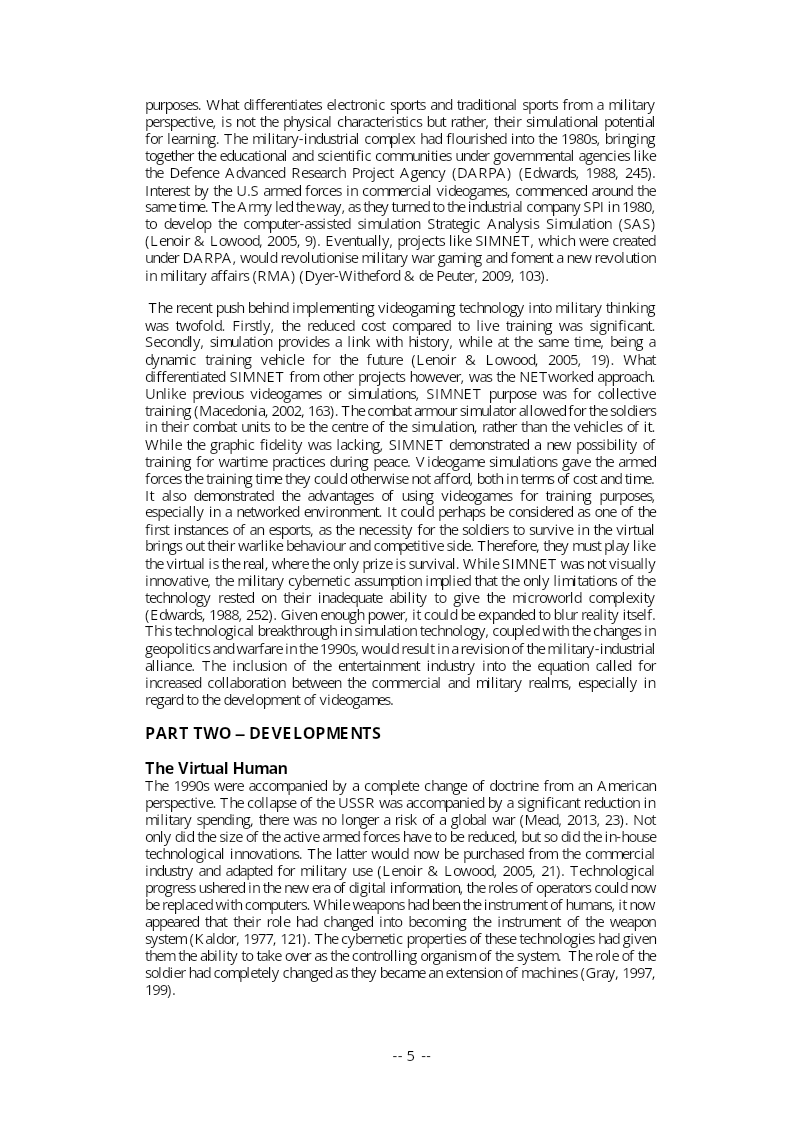
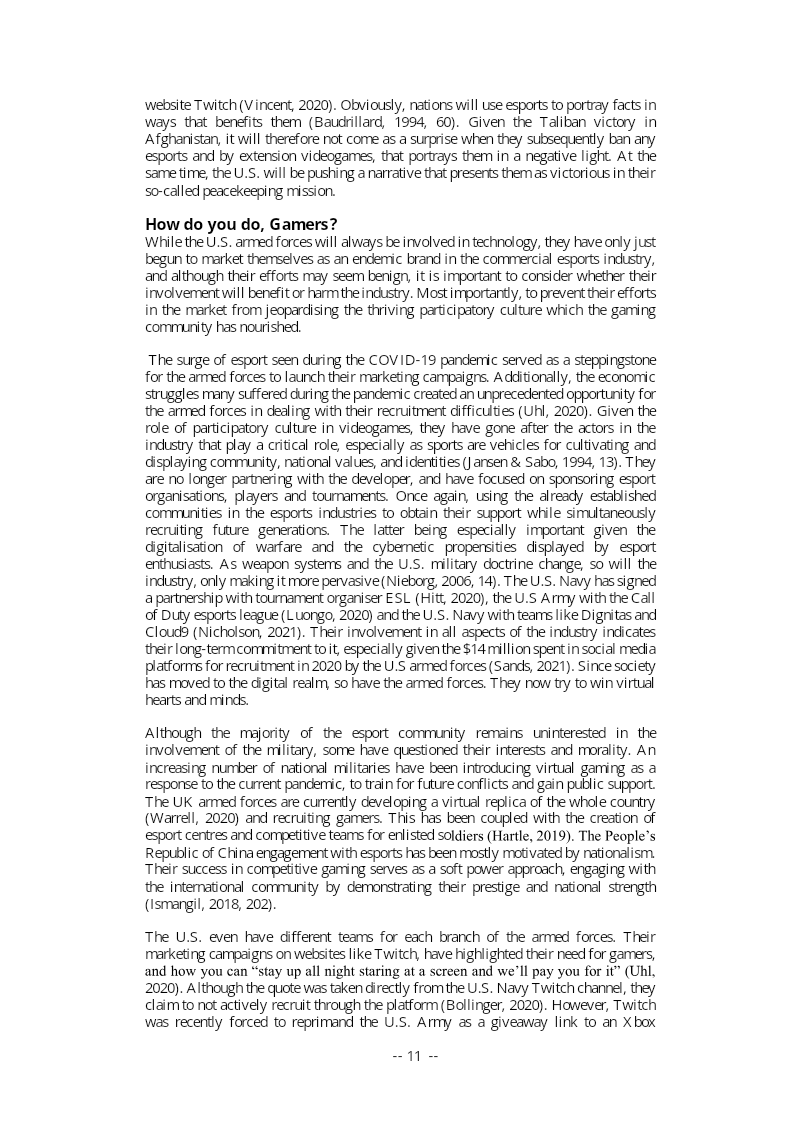
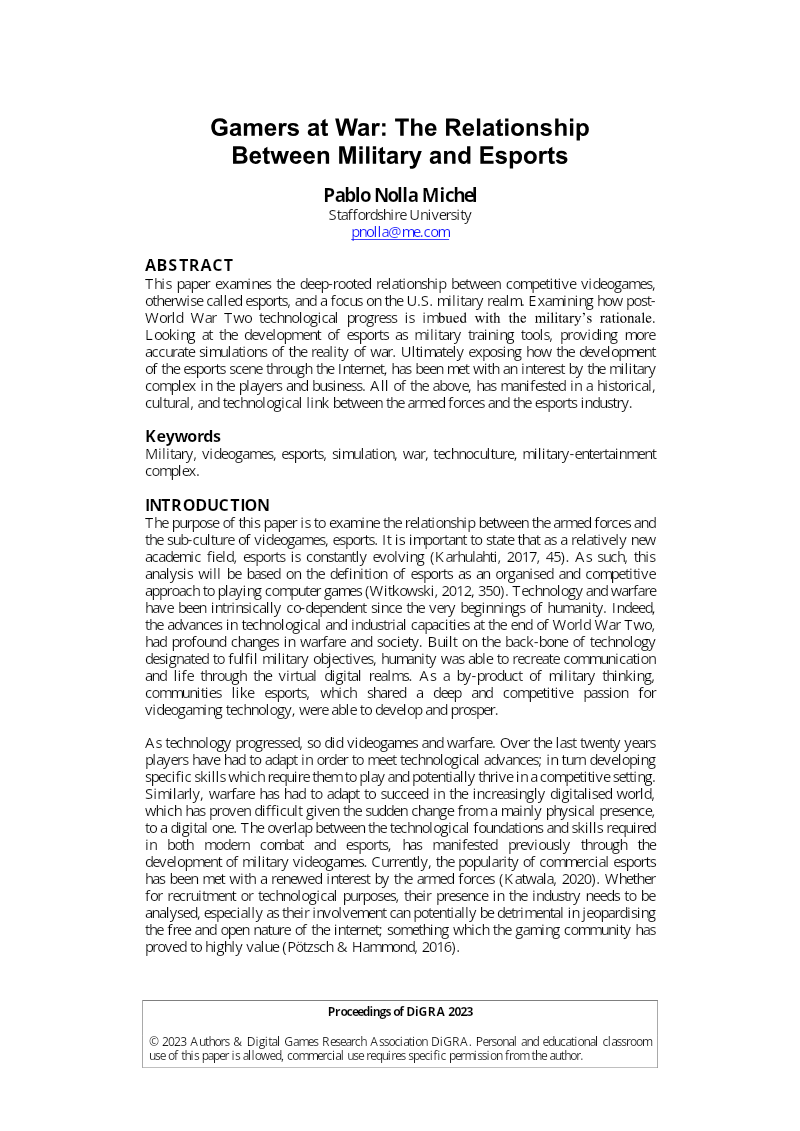
Crogan argues that modern computer games carry forward a relationship to the future rooted in the Enlightenment project of rational prediction and control. The core activity in these games is modelling and simulation.
Patrick Crogan's essay traces the history of wargaming to argue that modern computer games carry forward a distinctive relationship to the future, one rooted in the Enlightenment project of rational prediction and control. Positioning itself within the ludological approach to games studies while challenging its positivist tendencies, the essay contends that contextual elements such as narrative and cultural "texture" are marginal in games precisely because the core activity is modelling and simulation. Wargaming, from the Prussian Kriegsspiel of the early 1800s through Cold War operations research, is presented as a forerunner of contemporary simulation practices and the immediate ancestor of many game genres.
The essay's historical account follows the development of wargaming from Helwig's 1780 squared-board game through Reisswitz's 1824 system, which impressed the Prussian military and was adopted into officer training. It then covers the postwar expansion of simulation across American military and research institutions and the influence of Trevor Dupuy's Quantified Judgment Model. Drawing on Heidegger and Bernard Stiegler, Crogan frames wargaming's core impulse as an attempt to "determine the indeterminate," and he documents the traffic of personnel and design principles between military, hobbyist, and commercial games, using examples such as Sid Meier's Civilization and the Panzer General and Total War series.
The essay concludes that the appeal of computer games lies in playing with the illusion of control over complex systems. Drawing on Espen Aarseth's and James Newman's arguments about learning to "think like a computer," Crogan interprets games as a modulation of serious modernist anxieties about the future, one that suspends those anxieties within a bounded, modelled world. The analysis is primarily conceptual and historical, grounded in secondary literature and selected game case studies rather than empirical survey data, and its scope is largely Western, centred on American and European military and commercial developments.
Each row is a game or company this document names, each column a document, oldest first. A mark means that document names it. Select a row to see those documents.
DiGRA · 2023
DiGRA · 2023
DiGRA · 2023
DiGRA · 2023
DiGRA · 2023
DiGRA · 2023
DiGRA · 2023
DiGRA · 2023
DiGRA · 2023



DiGRA · 2023
DiGRA · 2023
DiGRA · 2023