More on Game Design
View all
Game Developers Conference
The Best and Most 'Stealable' Mechanics from Tabletop RPGs
Game Developers Conference · 2023
Whitepaper
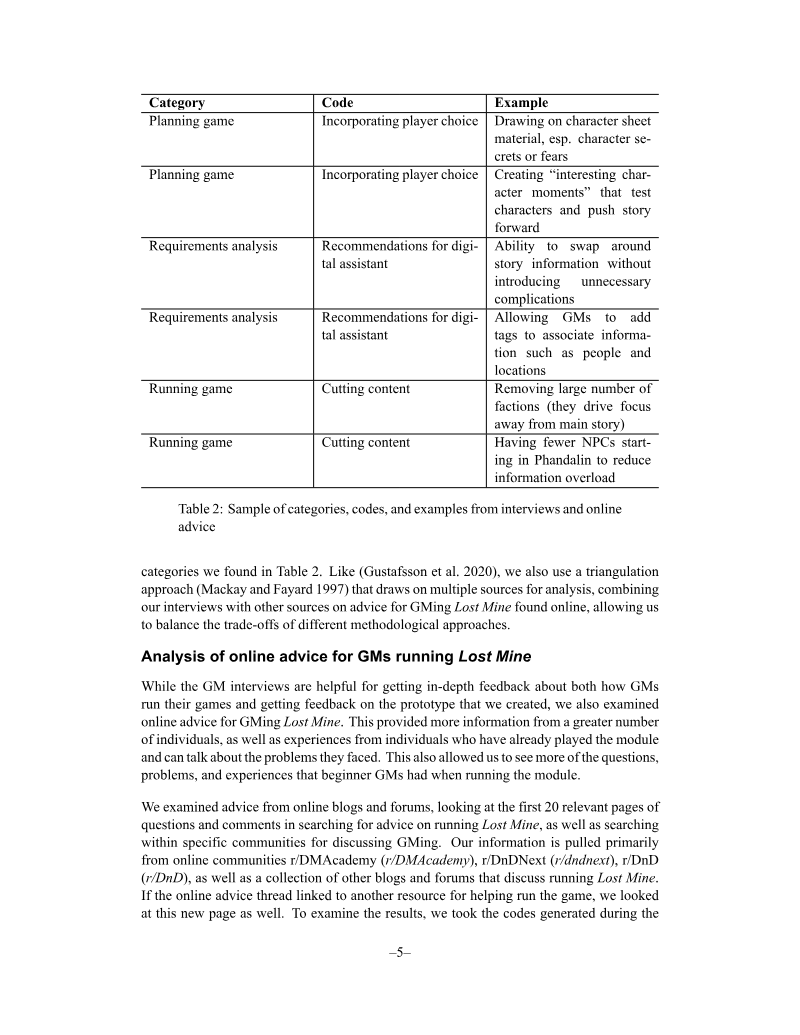
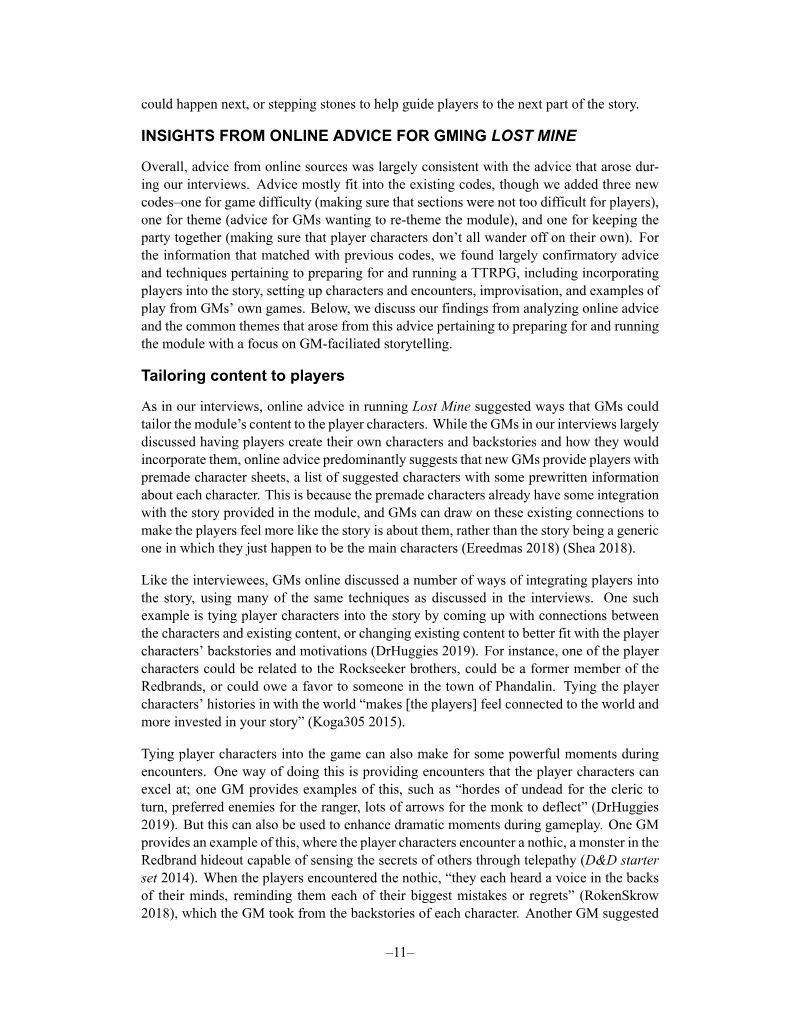
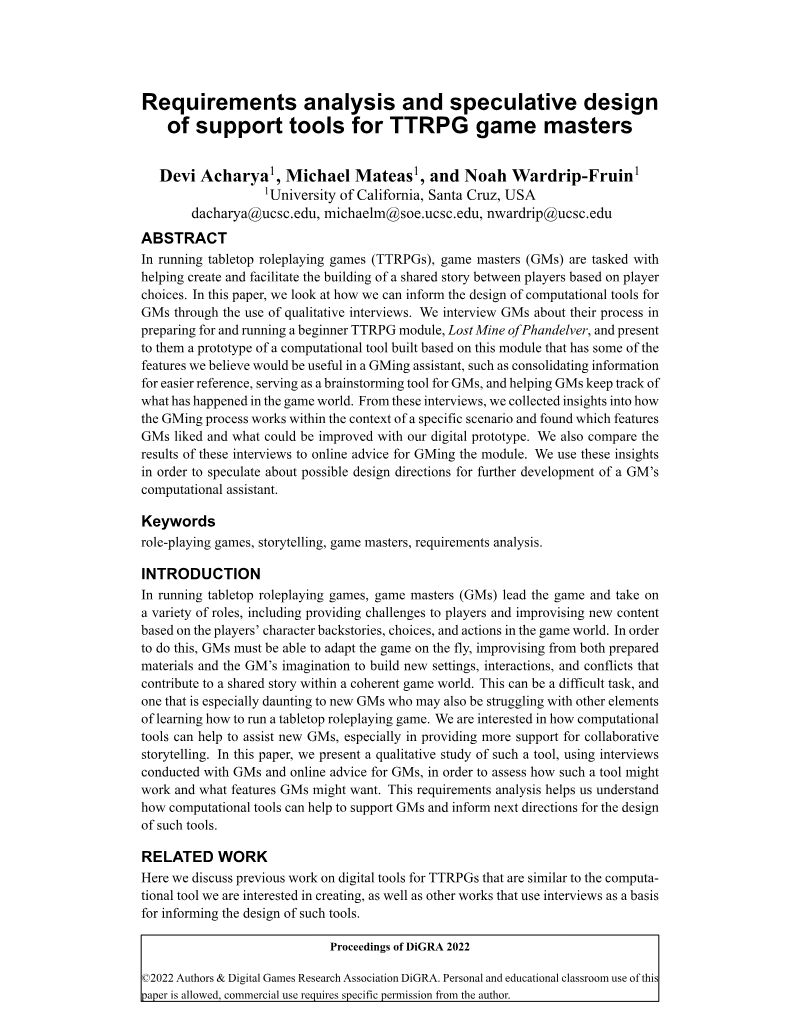
Requirements Analysis and Speculative Design of Support Tools for TTRPG Game Masters
DiGRA · 2022
Game Developers Conference
Lessons for Narrative Design from Modern Tabletop RPGs
Game Developers Conference · 2021
Extra Credits
Evil Races are Bad Game Design - Bioessentialism & Worldbuilding - Extra Credits
Extra Credits · 2021
Extra Credits
Playing the Villain - Being Good at Being Bad - Extra Credits
Extra Credits · 2020
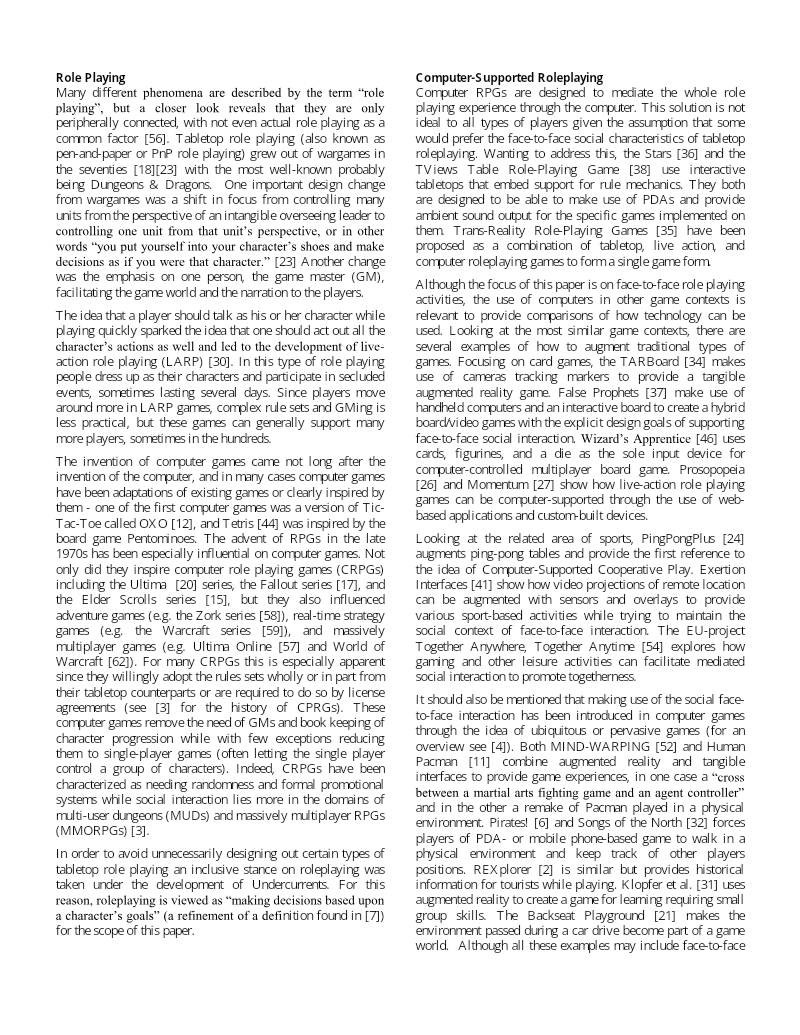
Whitepaper
Undercurrents: A Computer-Based Gameplay Tool to Support Tabletop Roleplaying
DiGRA · 2010
Report
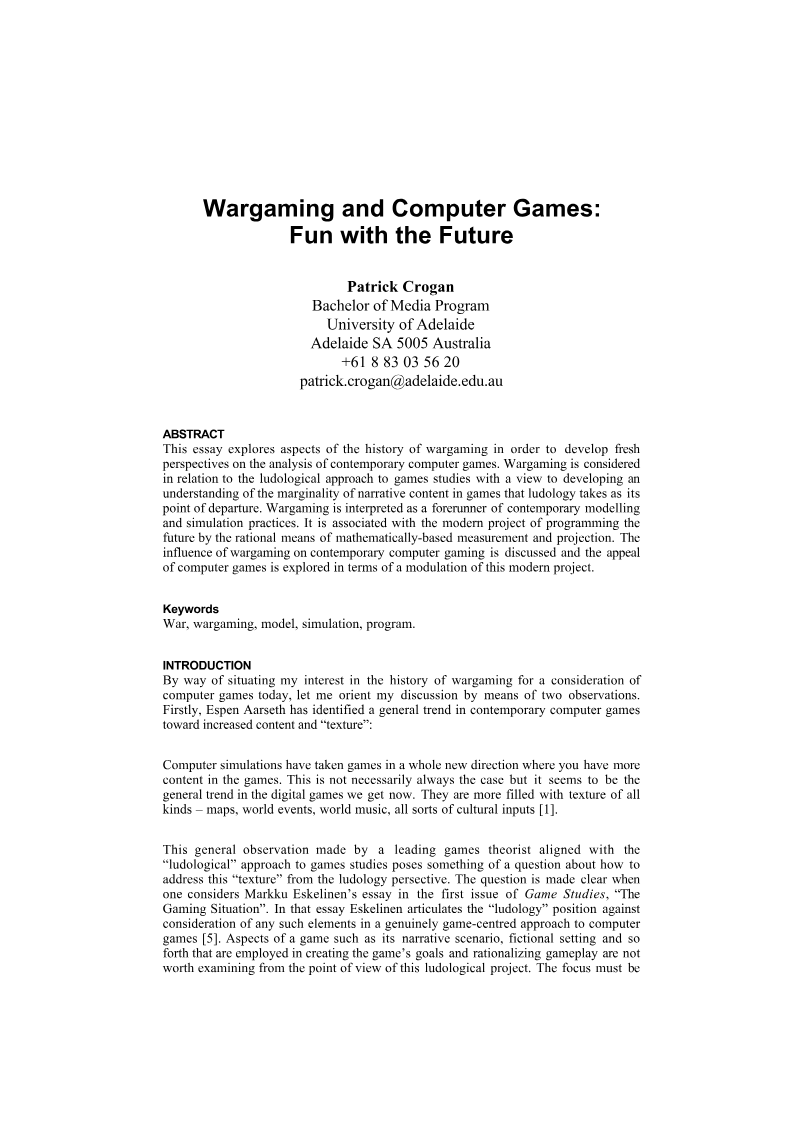
Wargaming and Computer Games: Fun with the Future
DiGRA · 2003

Extra Credits
Cyberpunk: Legends FIRST GAMEPLAY LOOK with Mike Pondsmith and James Portnow
Extra Credits · 2025
Game Developers Conference
How Interactive Should My Game Story Be?
Game Developers Conference · 2025
PocketGamer.biz
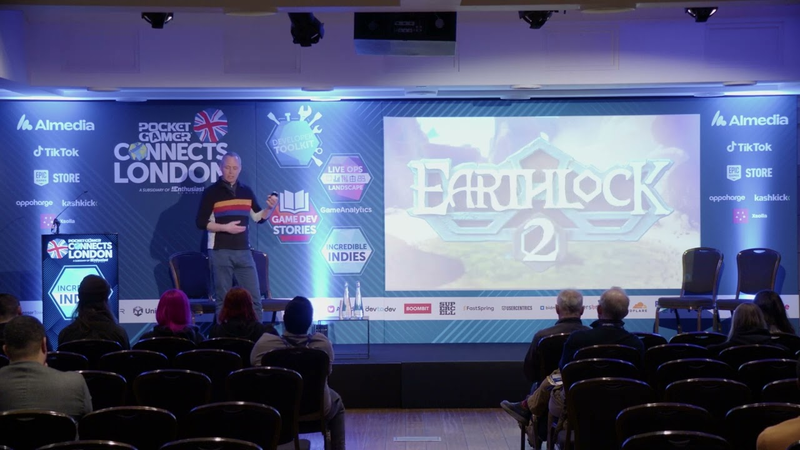
Session: How To Supercharge Narrative Design When Building Lasting IP - Bendik Stang.
PocketGamer.biz · 2025
Game Developers Conference
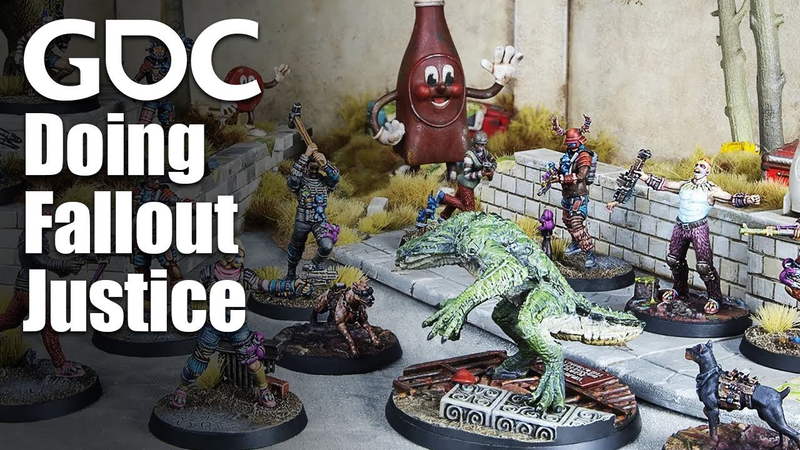
Making 'Fallout' for Tabletop (or How to Be Different but the Same)
Game Developers Conference · 2024
Game Developers Conference
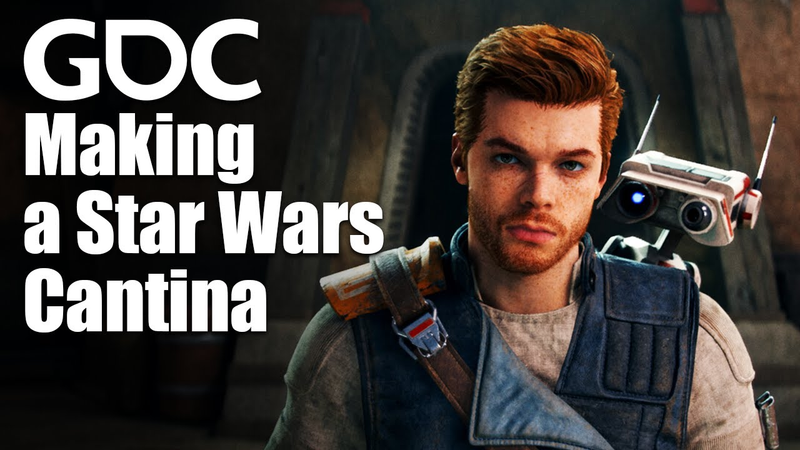
Bringing a Star Wars Cantina to Life in 'Jedi: Survivor'
Game Developers Conference · 2024