1 free read left. Create a free account for unlimited reading + AI research.
Create free accountWhitepaper Press Start
1 free read left. Create a free account for unlimited reading + AI research.
Create free accountWhitepaperPress Start
Distilling the key insights…
Integrating visual novels into high school English literature curricula serves as a potent pedagogical strategy for increasing student engagement and academic interest. By utilizing interactive, game-based formats—specifically those developed through platforms like Ren'Py—educators can foster deeper cognitive processing and behavioral persistence among learners. The primary thesis posits that the transition from static traditional texts to immersive, visual-narrative experiences allows students to better visualize complex literary themes and settings, thereby transforming the act of reading into a more dynamic and enjoyable pursuit.
Evidence gathered from student surveys and quasi-experimental observations indicates a strong positive correlation between the use of visual novels and heightened levels of focus and satisfaction. Participants consistently report that the interactive nature of the medium facilitates a more profound immersion in the source material, such as S.E. Hinton’s The Outsiders. This increased engagement is not merely superficial; students demonstrate a marked preference for game-integrated coursework, suggesting that such tools effectively bridge the gap between traditional literary analysis and modern digital consumption habits.
While these findings highlight the potential for visual novels to enhance critical thinking and narrative comprehension, the current scope of research remains limited to small, non-representative high school cohorts. Consequently, while the initial data points toward a successful integration of gaming technology in the classroom, broader generalizations regarding long-term academic outcomes require further investigation. Future research must expand to larger, more diverse student populations to validate these preliminary conclusions and determine the scalability of visual novel-based education across varied literary curricula.
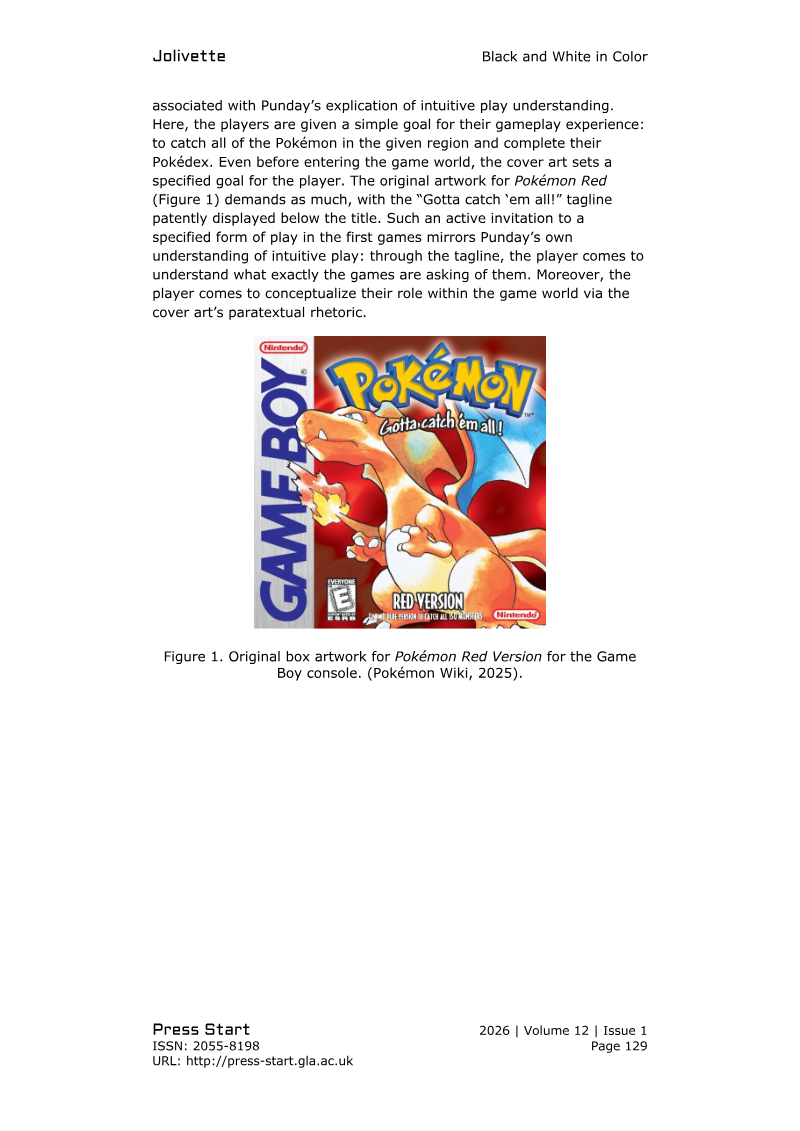
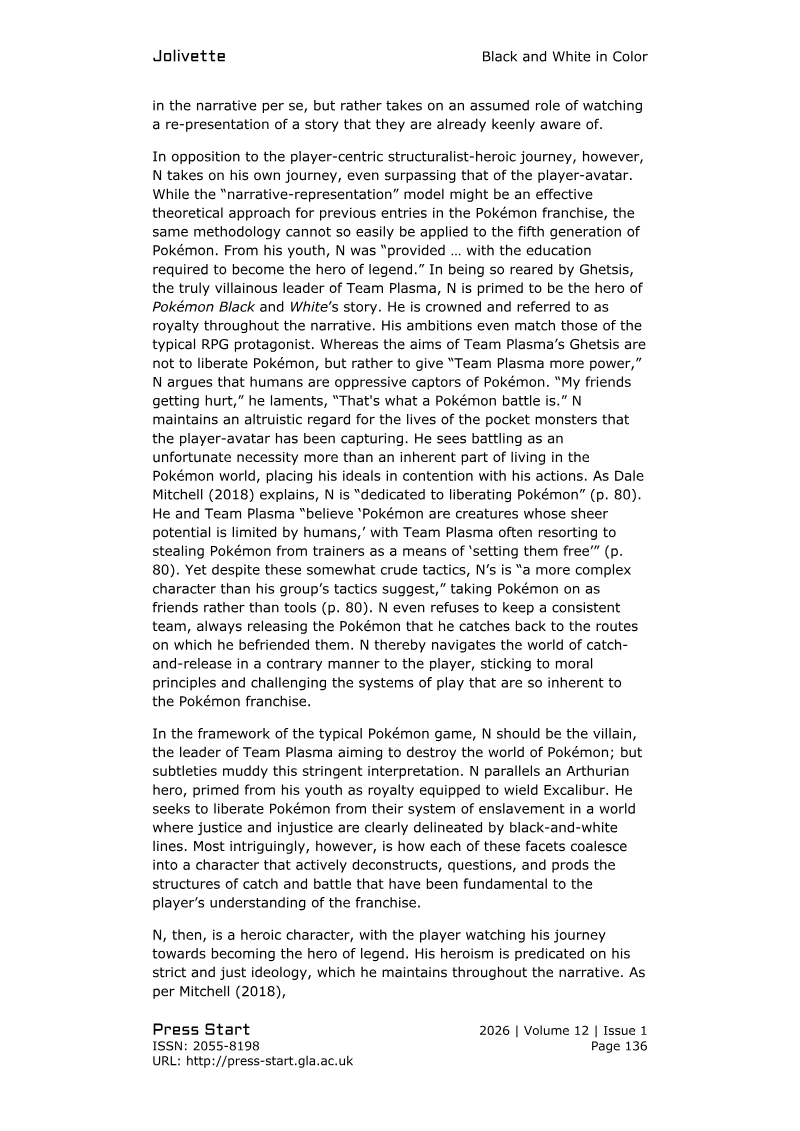
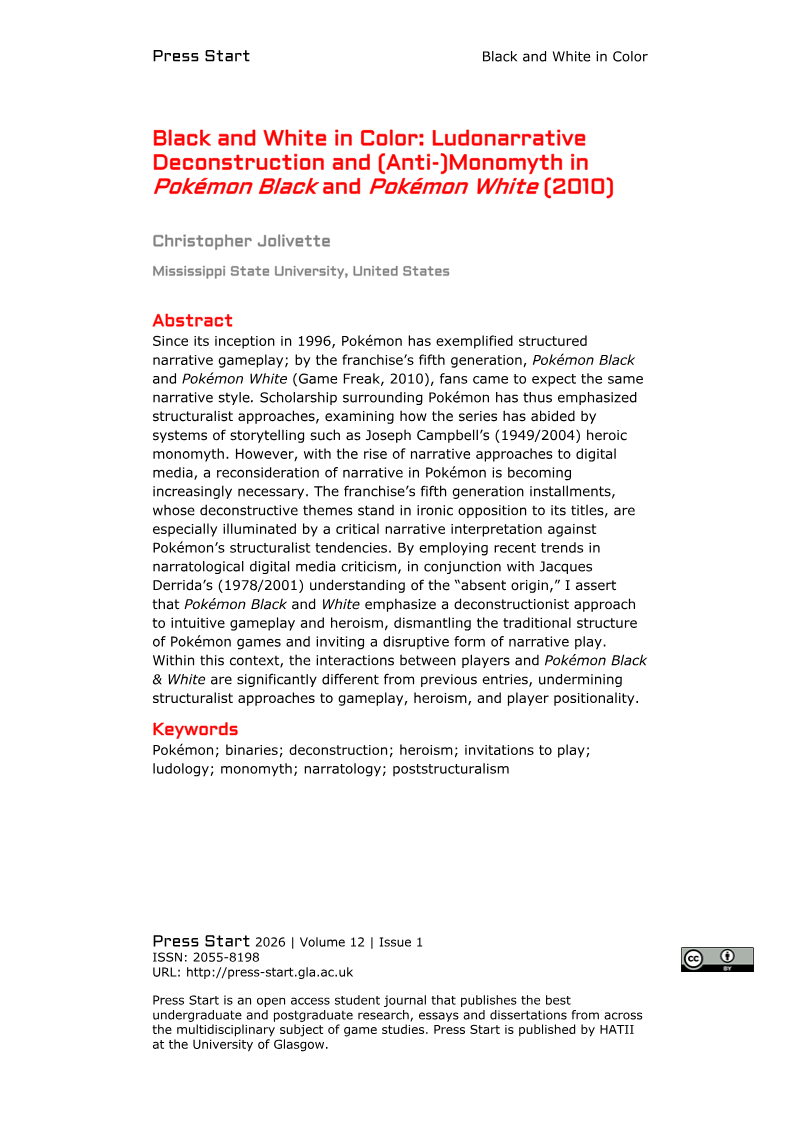
Press Start · 2026
Press Start · 2026
Press Start · 2026
Press Start · 2026
Press Start · 2026
Press Start · 2026
Press Start · 2026
Press Start · 2026
Press Start · 2025
Press Start · 2025
Press Start · 2025
Press Start · 2024
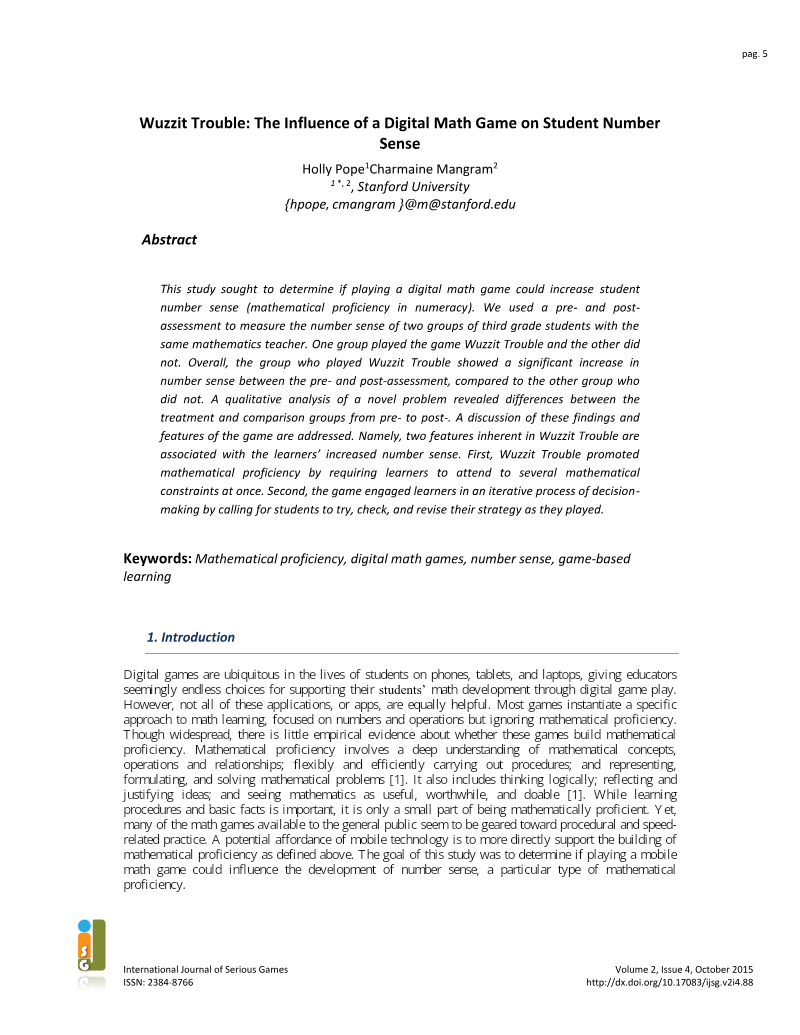
International Journal of Serious Games · 2015