1 free read left. Create a free account for unlimited reading + AI research.
Create free accountReportNew York State Department of Health
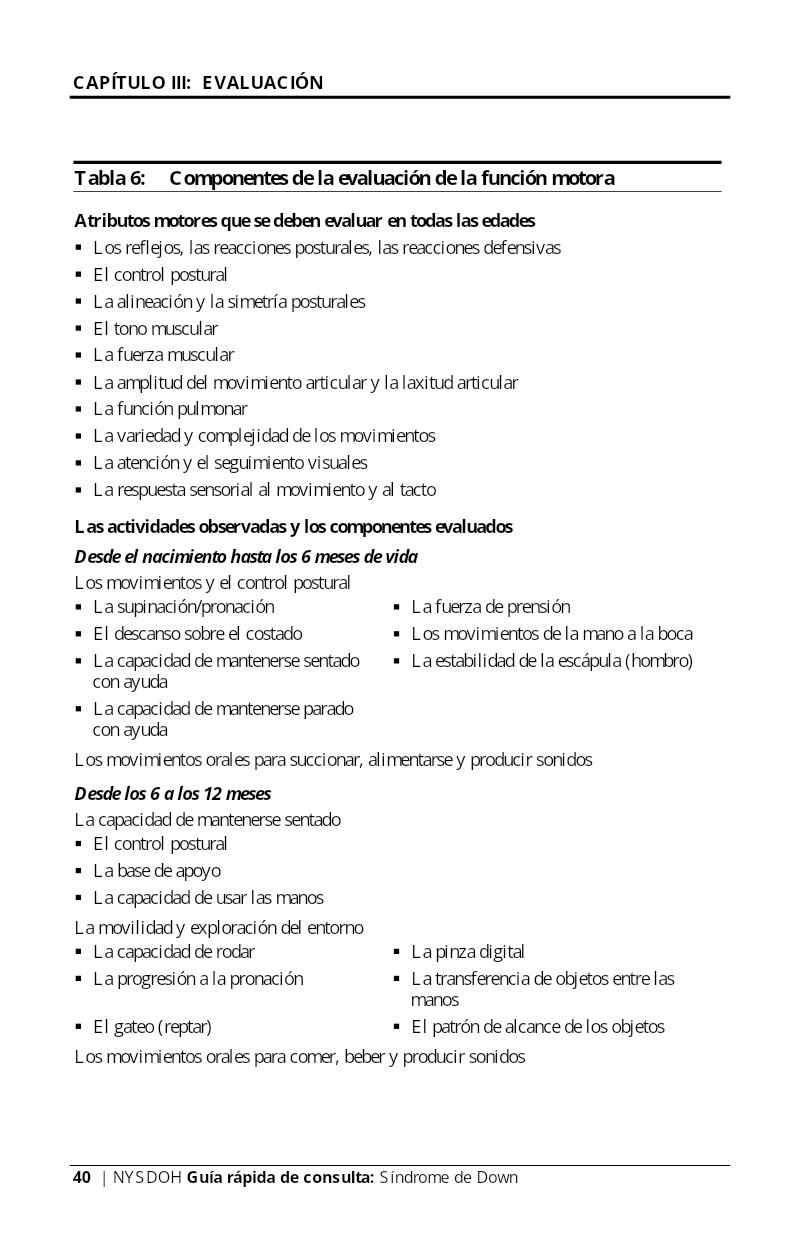
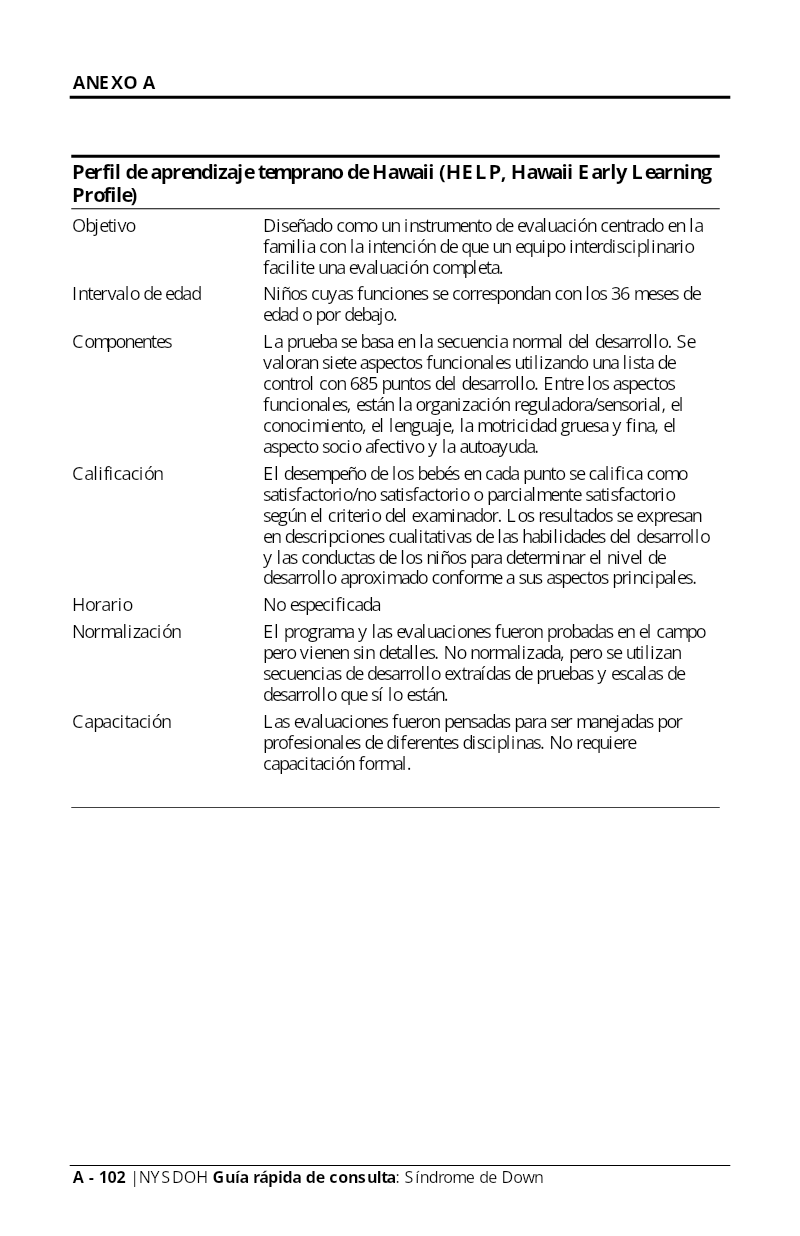
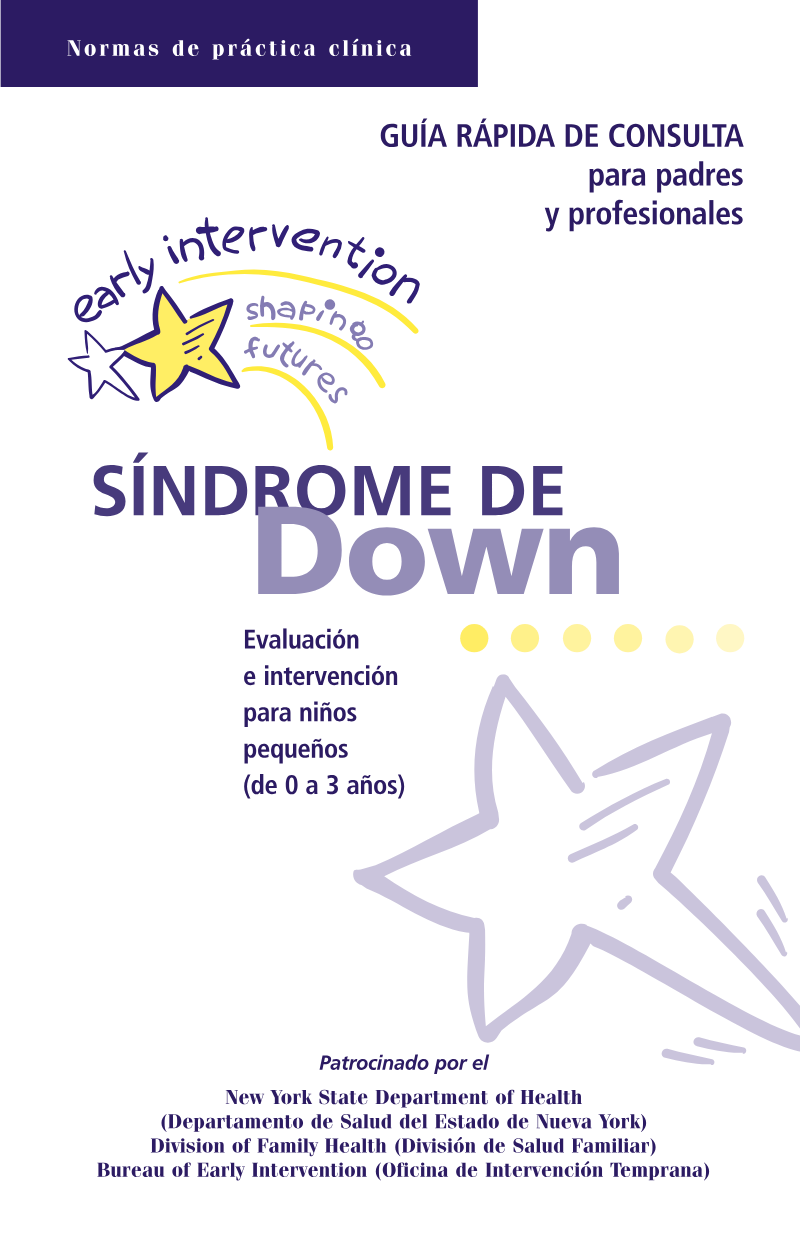
This clinical practice guideline, developed by the New York State Department of Health, establishes a comprehensive, evidence-based framework for the evaluation and intervention of children with Down syndrome from birth to three years of age. The primary objective is to standardize high-quality care, facilitate early identification of developmental needs, and optimize long-term outcomes through the Individualized Family Service Plan (IFSP). By integrating medical monitoring with multidisciplinary therapeutic support, the guidelines aim to maximize the developmental potential of children while providing essential resources and training for their families.
The findings emphasize that children with Down syndrome follow a developmental trajectory similar to their peers but often experience delays in motor, cognitive, and communicative milestones. Clinical assessment must be continuous and interdisciplinary, focusing on high-risk areas such as auditory, visual, cardiac, and thyroid health, as well as oral-motor function and physical growth. The guidelines stress that interventions should be personalized, culturally sensitive, and focused on functional skills. Furthermore, the document highlights the critical role of parental involvement, advocating for the integration of therapeutic goals into daily routines to foster consistent progress.
A significant portion of the analysis addresses the efficacy of various therapeutic approaches. The guidelines explicitly caution against the use of experimental or non-validated treatments—such as megavitamin therapy, neurodevelopmental treatment (NDT), or equine therapy—due to a lack of scientific evidence supporting their effectiveness. Instead, professionals are encouraged to prioritize standard medical care and evidence-based interventions that offer measurable outcomes. By providing a structured approach to assessment tools and regulatory requirements, the document serves as a definitive resource for clinicians and families to navigate the complexities of early intervention, ensuring that services remain grounded in objective, peer-reviewed science.
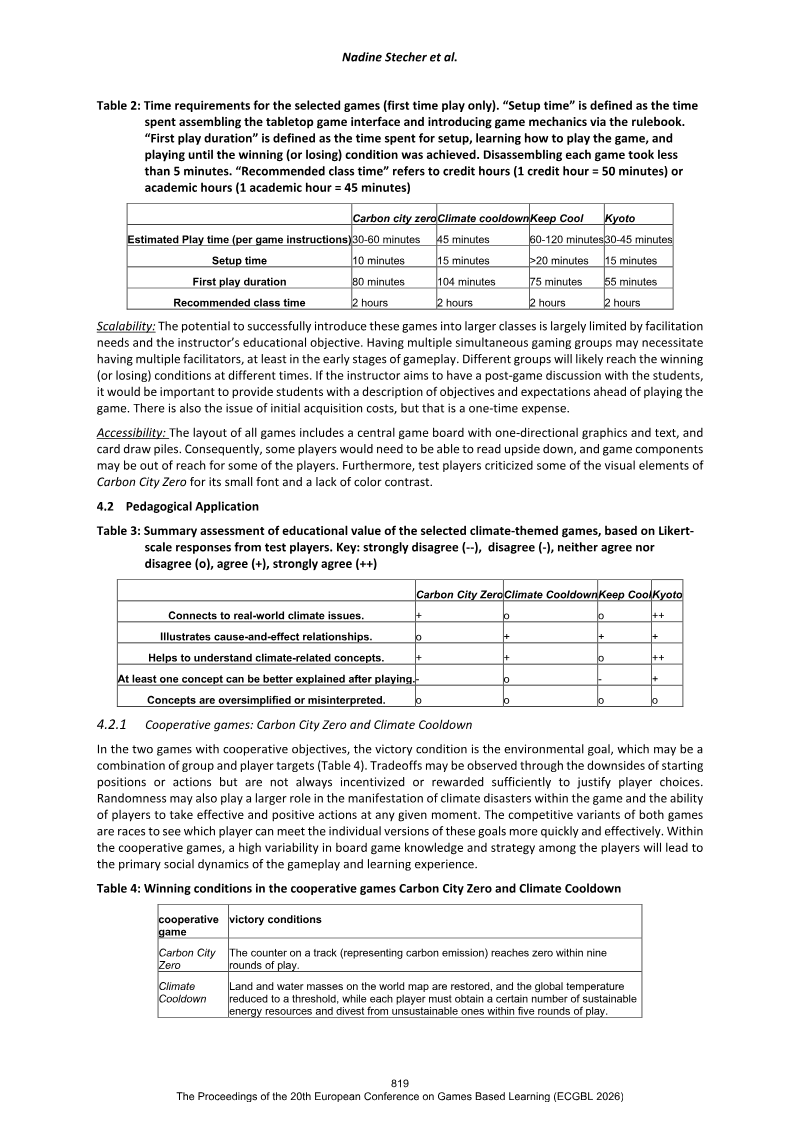
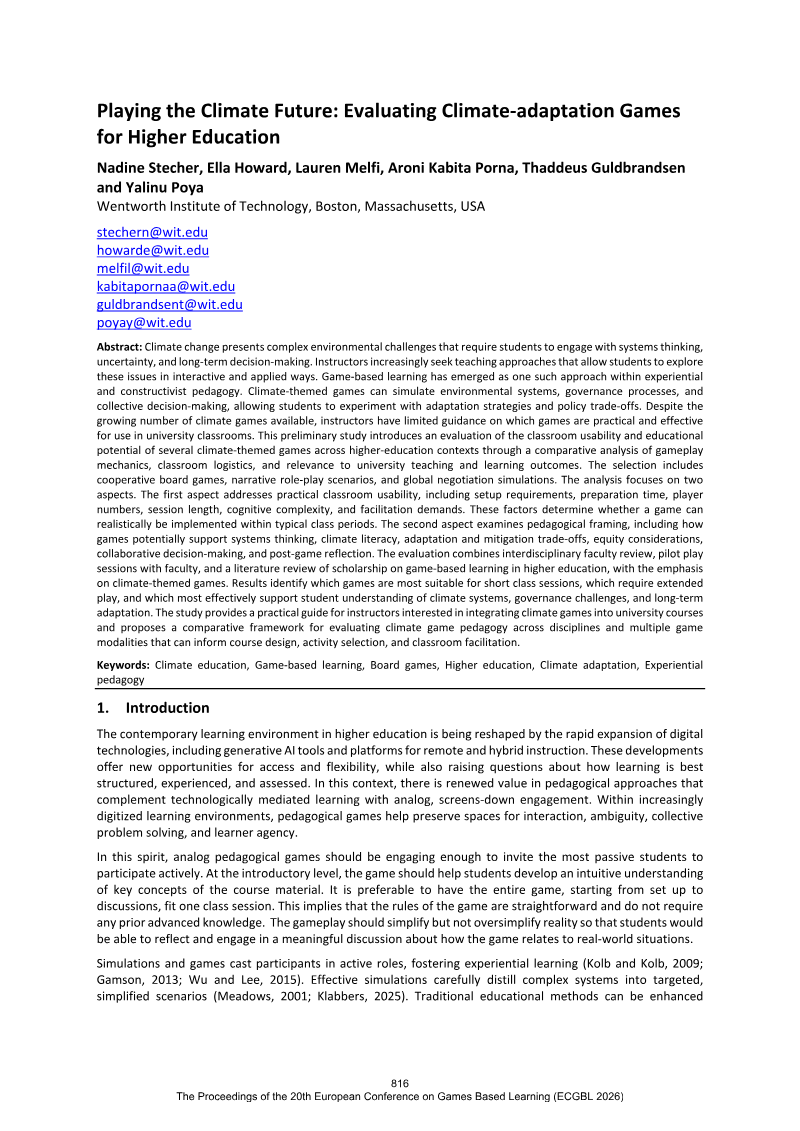
European Conference on Games Based Learning (ECGBL) · 2026
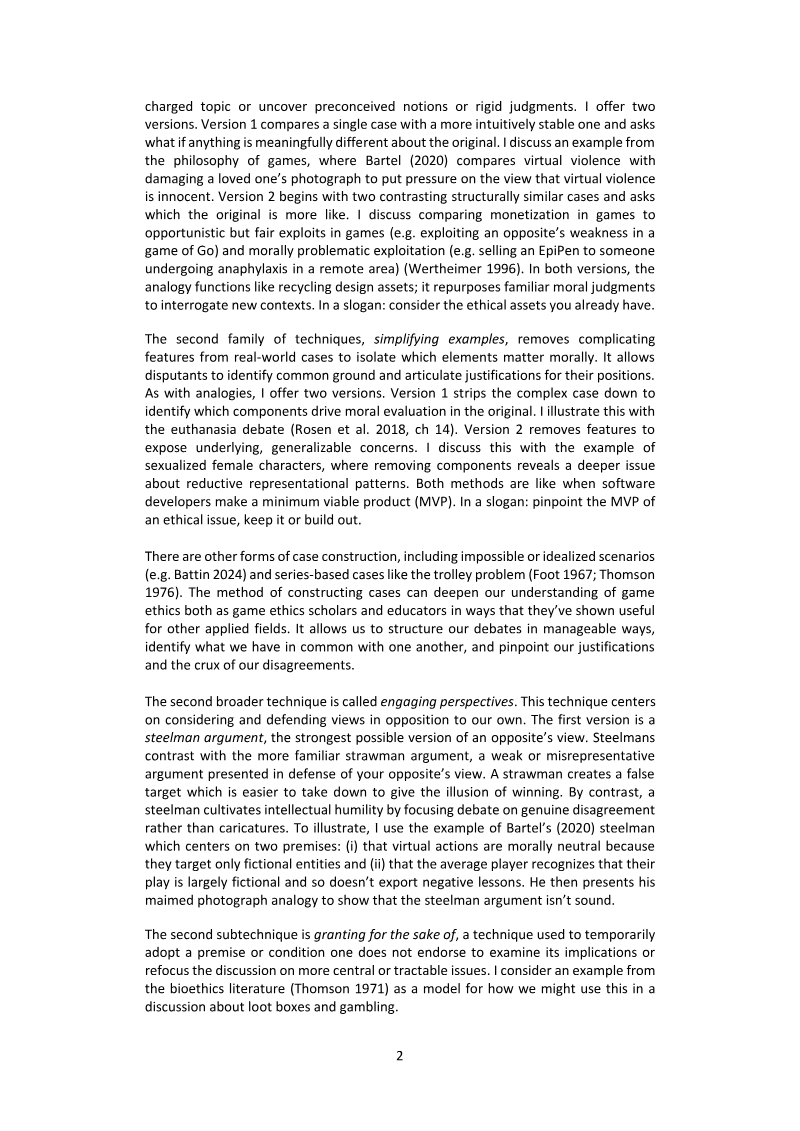
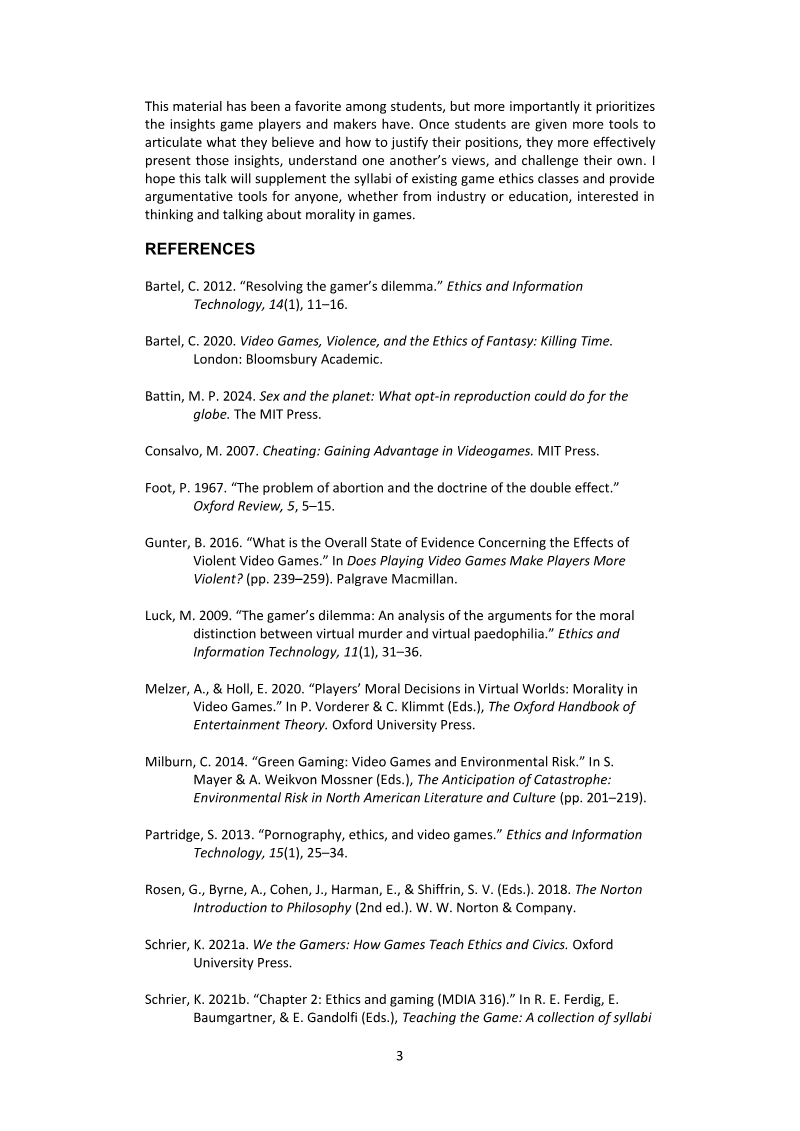
DiGRA · 2026
Journal of Games, Game Art, and Gamification · 2025
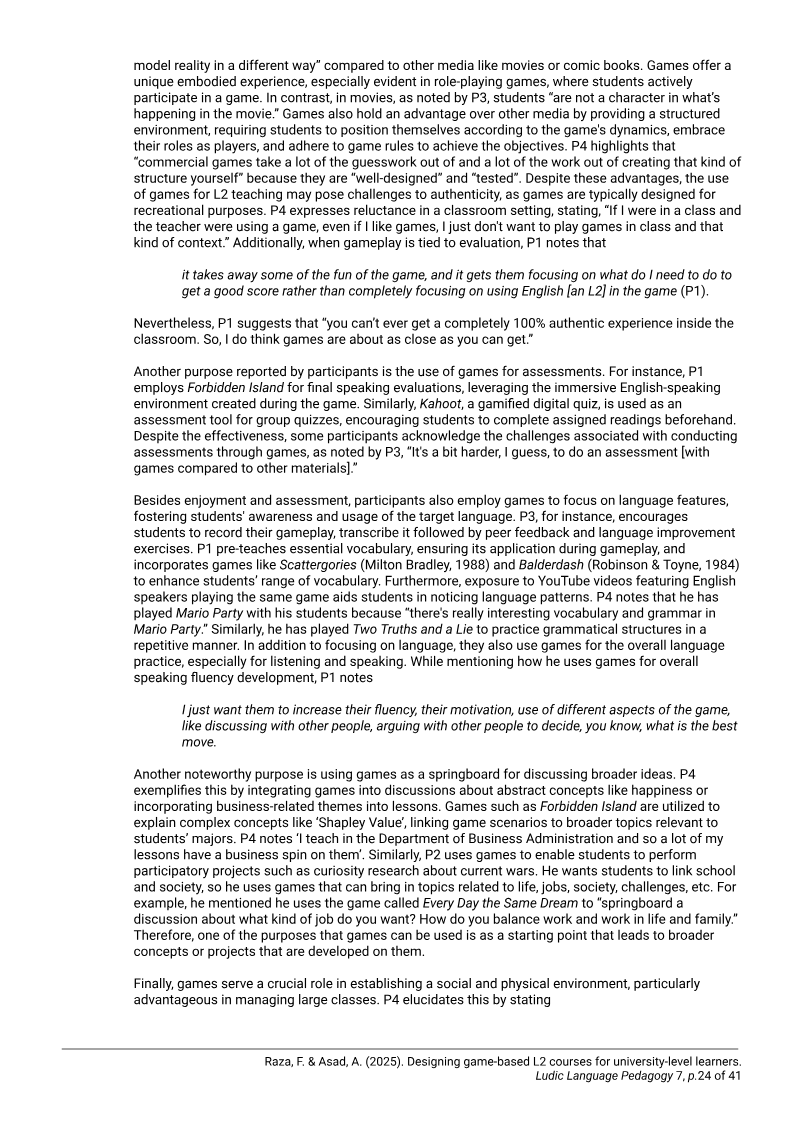
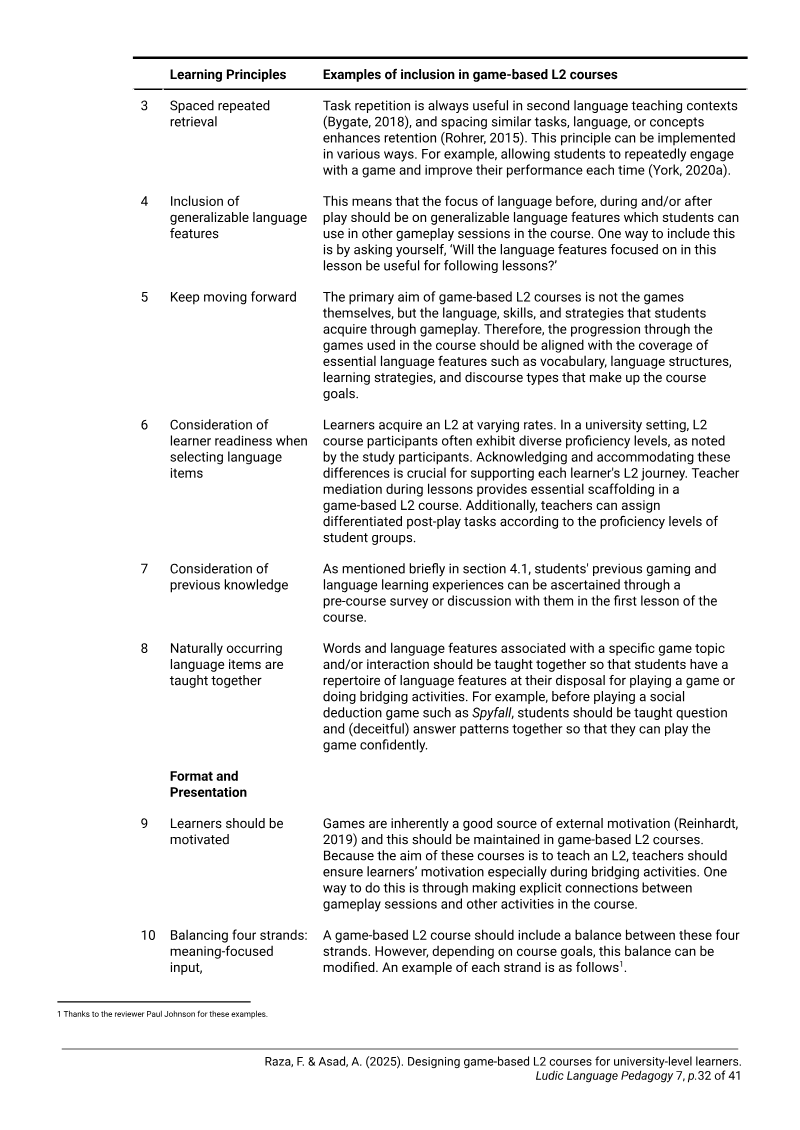
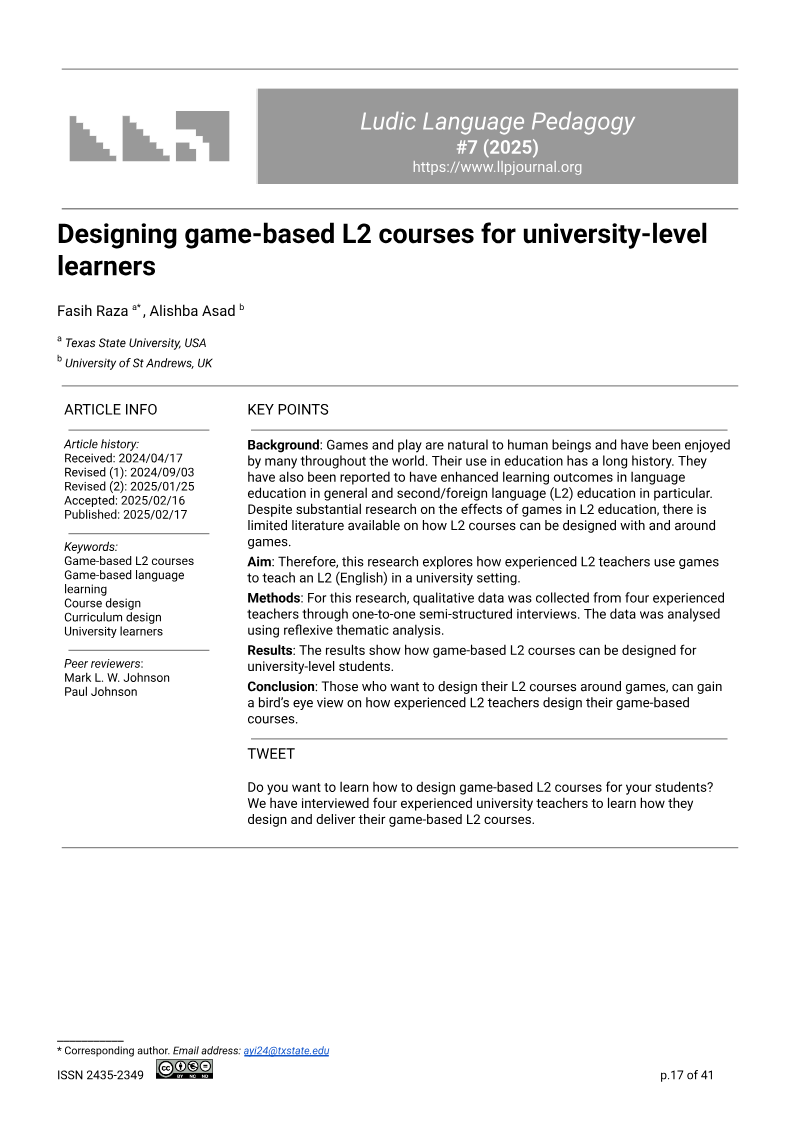
Ludic Language Pedagogy · 2025
JMIR Serious Games · 2024
Serious Games Society · 2023
European Conference on Games Based Learning (ECGBL) · 2022
Press Start · 2022
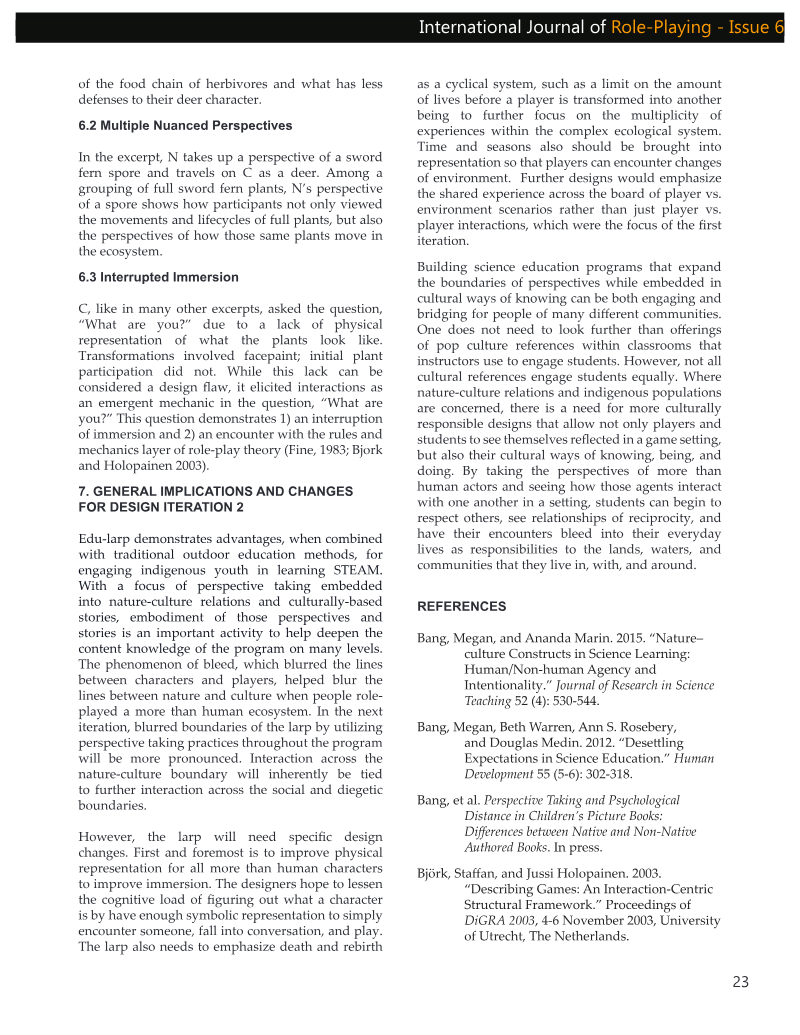
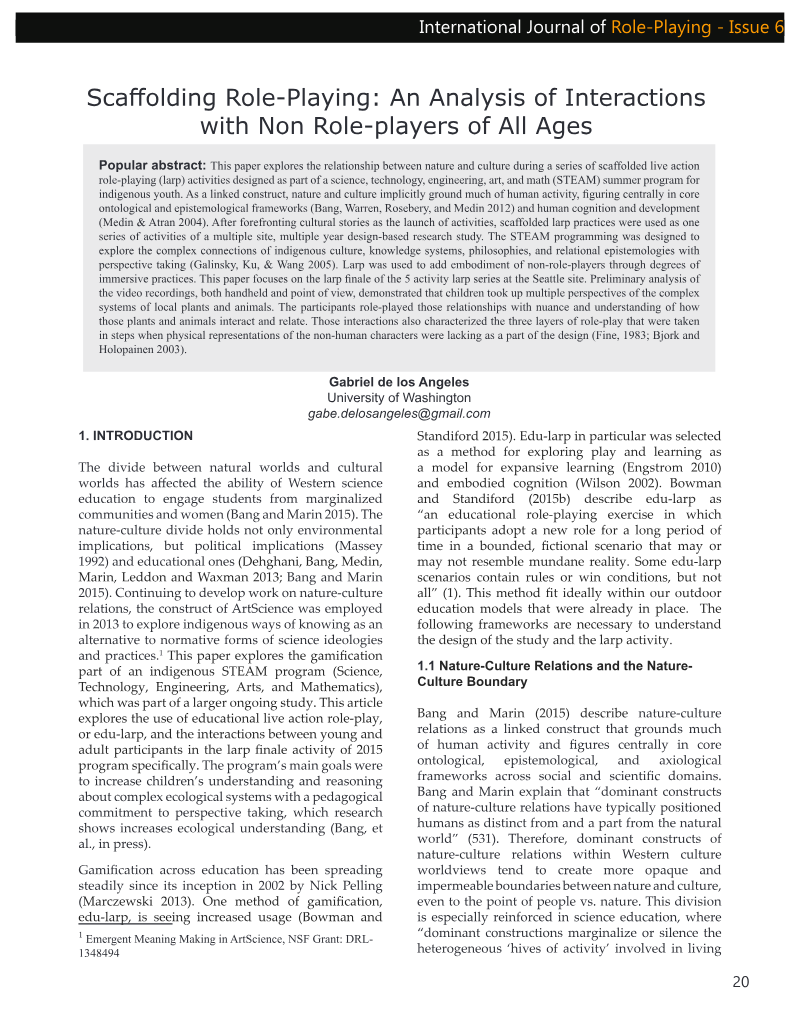
International Journal of Role-Playing · 2016
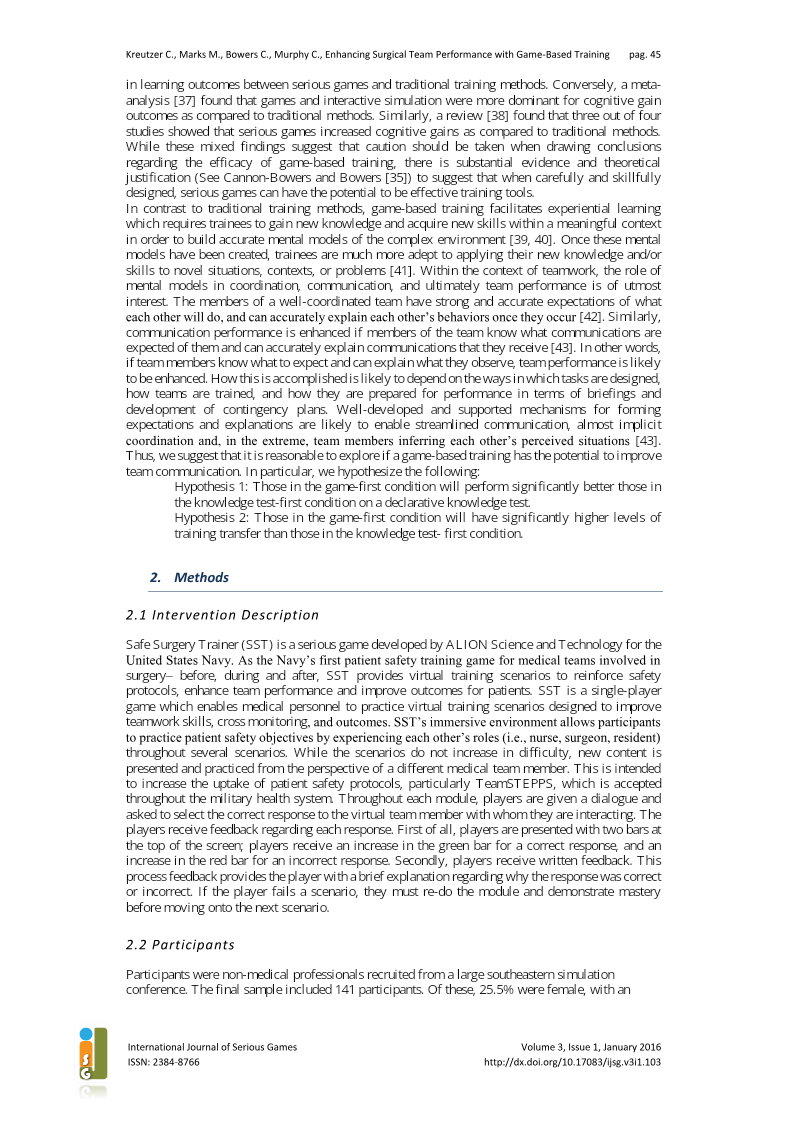
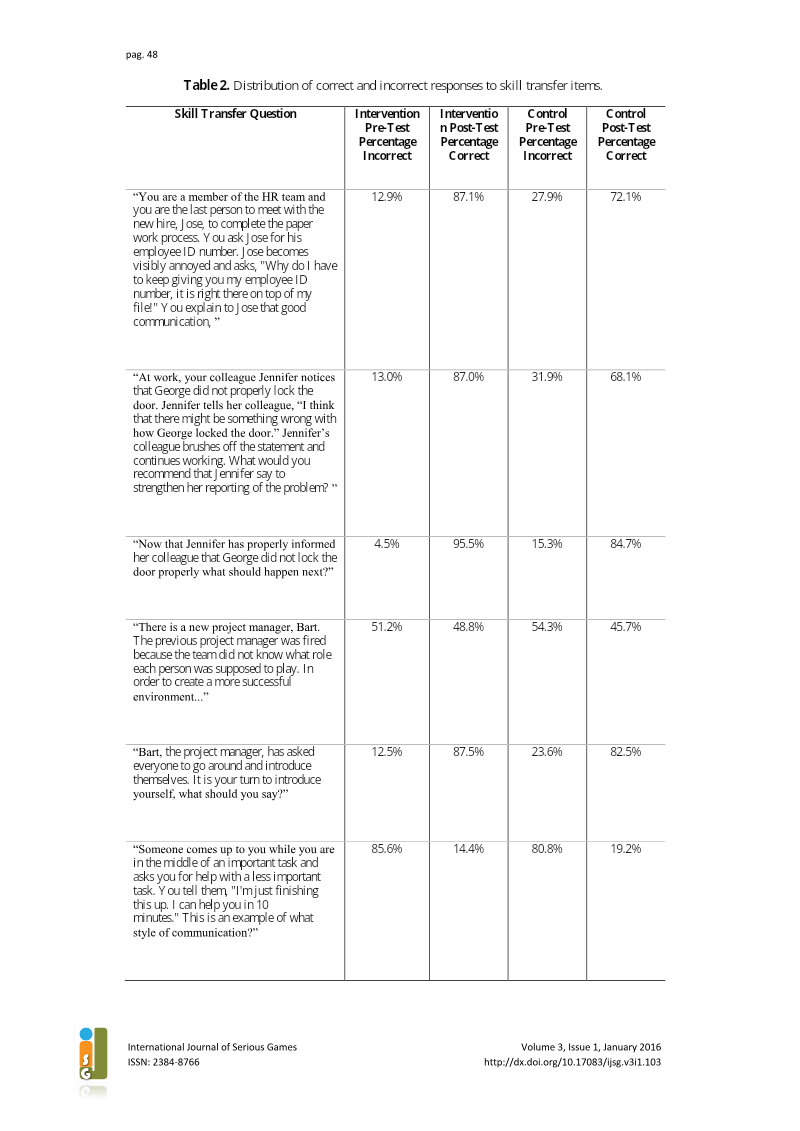
International Journal of Serious Games · 2016
International Journal of Serious Games · 2015
International Journal of Serious Games · 2015
Comments