1 free read left. Create a free account for unlimited reading + AI research.
Create free accountArticle Singular
1 free read left. Create a free account for unlimited reading + AI research.
Create free accountArticleSingular
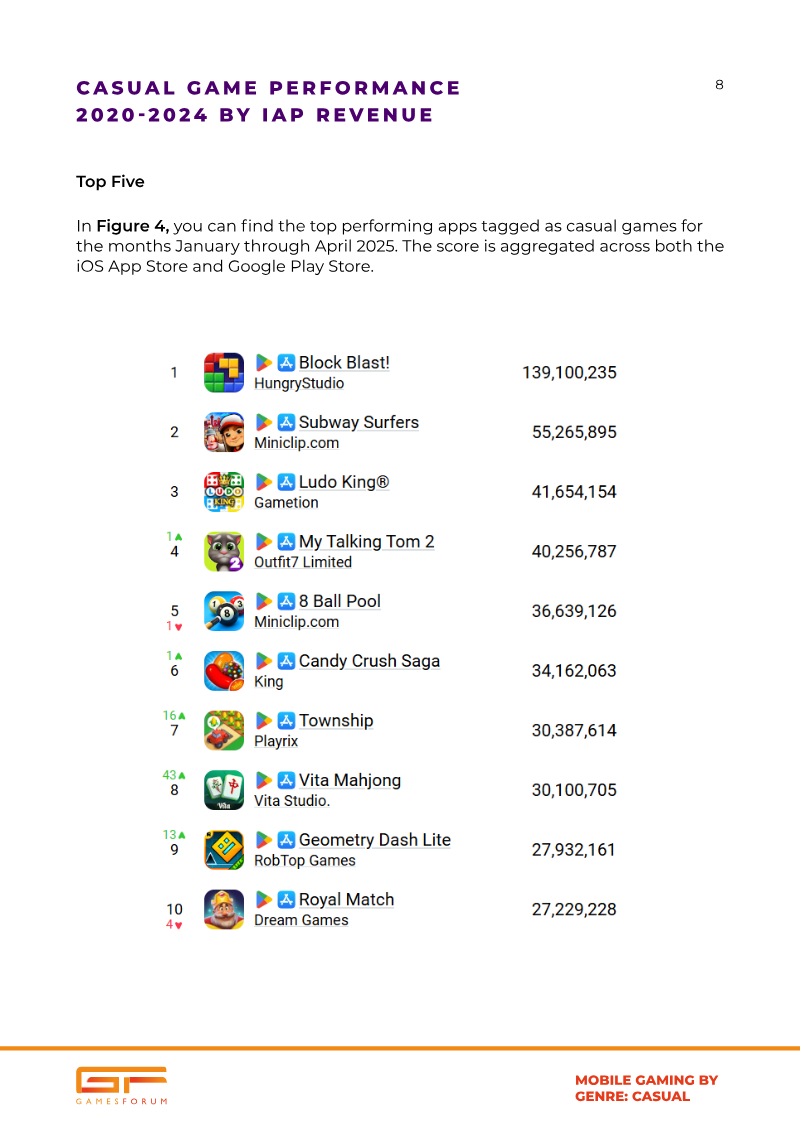
The mobile gaming landscape in the first half of 2026 is defined by a significant structural shift, characterized by a 12% decline in global download volume alongside a relatively stable 2% dip in in-app purchase revenue. This divergence indicates that the value of each individual download has increased by approximately 11%, signaling a transition from an acquisition-led growth model to one prioritized by monetization efficiency and audience management. As the market matures, the industry is seeing a clear decoupling of performance metrics, where titles leading in download volume—often driven by ad-monetization—rarely overlap with those dominating in-app purchase revenue.
Success in this environment is increasingly contingent upon sophisticated live operations, high creative throughput, and the ability to track revenue across fragmented, cross-platform ecosystems, including webshops and non-store channels. Because performance varies drastically by region—with the United States maintaining dominance in revenue share while India leads in download volume—publishers must abandon universal benchmarks. Instead, stakeholders are encouraged to adopt granular, market-specific targets that account for distinct unit economics and regional consumer behavior.
Ultimately, the findings suggest that performance marketers must pivot away from raw install volume as a primary KPI. Future growth is predicated on measuring payback periods and cohort-level revenue, necessitating a move toward unified analytics that integrate ad monetization, cross-device attribution, and long-term engagement metrics. By focusing on these deeper analytical capabilities rather than aggressive user acquisition, publishers can better navigate the current landscape where high-value cohorts and sustained engagement have become the primary drivers of profitability.
2026
Singular · 2025
Singular · 2025
Singular · 2025
Singular · 2024
Singular · 2024
Singular · 2024
Singular · 2024
Singular · 2023

Singular · 2022

Singular · 2022

Singular · 2021
Two & a Half Gamers · 2026