1 free read left. Create a free account for unlimited reading + AI research.
Create free accountArticle Singular
1 free read left. Create a free account for unlimited reading + AI research.
Create free accountArticleSingular
It contributes to increased costs in the iOS gaming sector.
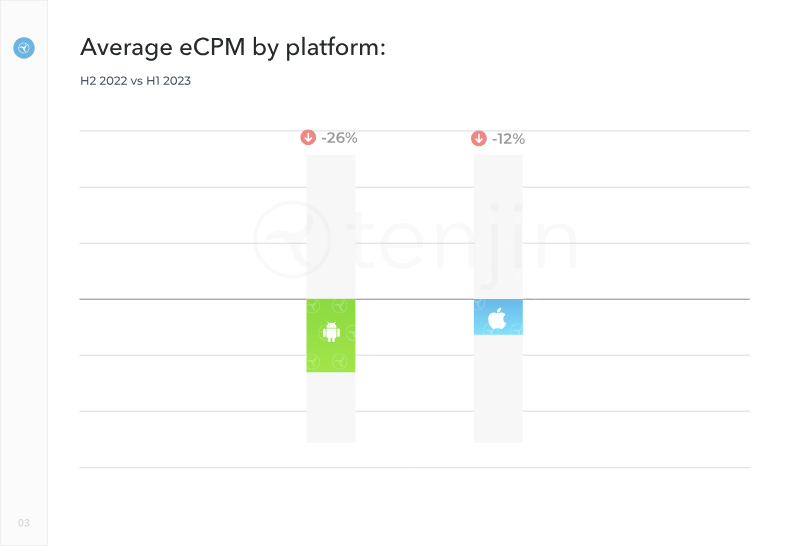
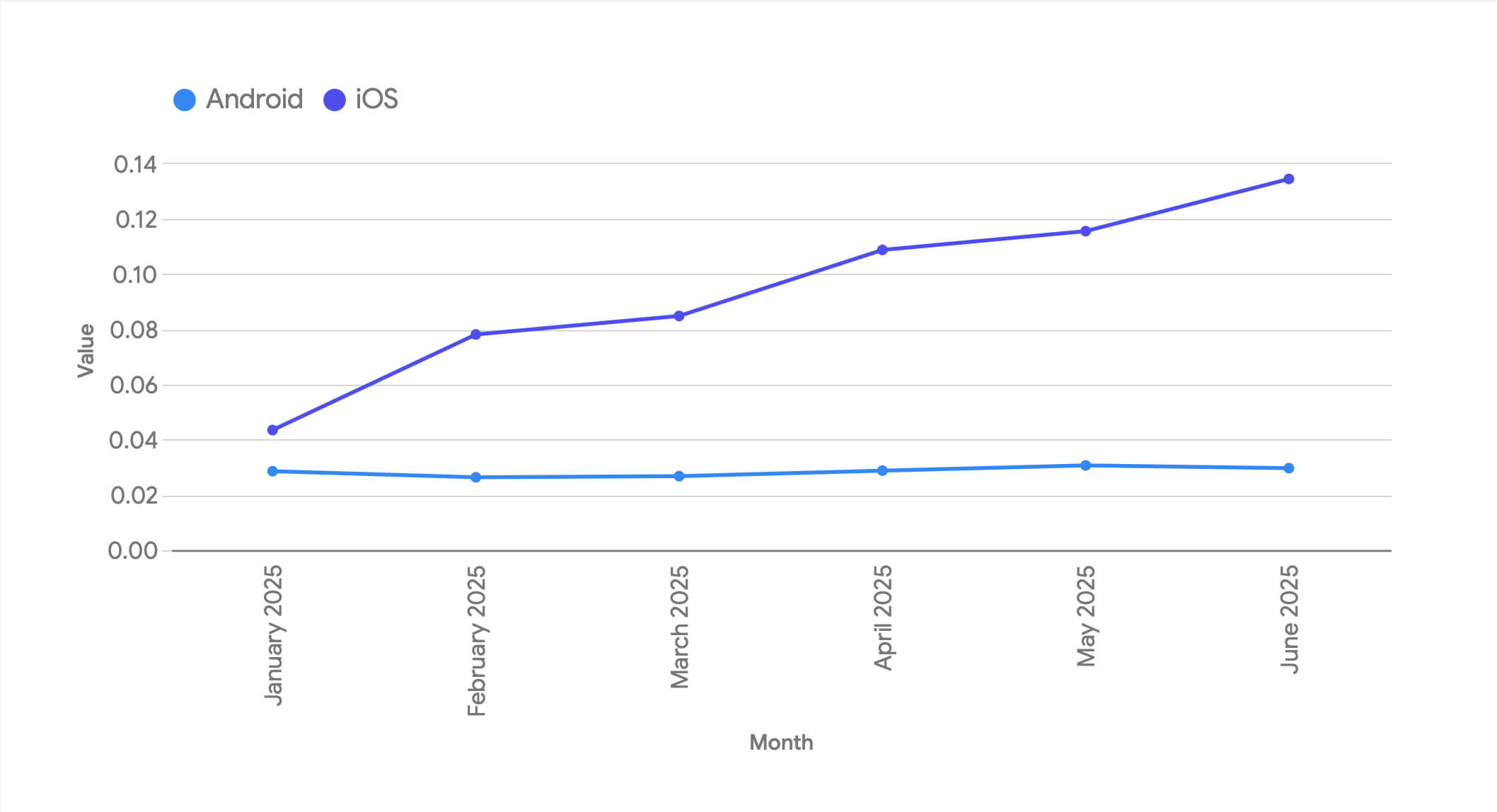
The mobile ecosystem in the second quarter of 2024 reflects a period of structural recalibration, characterized by tightening privacy constraints and shifting genre preferences. iOS App Tracking Transparency opt-in rates have fallen to 13.85%, intensifying the challenge of user acquisition and contributing to a 6% increase in iOS gaming costs. Simultaneously, Android costs rose by 16%, signaling a broader inflationary trend in mobile marketing. Despite these pressures, global ad spend remained resilient, experiencing a negligible decline of only 0.51%. The market is currently undergoing a strategic pivot away from hyper-casual titles toward casual and hybrid-casual gaming, which are increasingly favored for their monetization potential and engagement stability.
Platform dynamics reveal a clear divergence in acquisition strategies, as organic installs now account for 53% of global traffic. Android maintains a strong organic foundation at 58.3%, whereas iOS remains heavily reliant on paid acquisition, which constitutes 56.5% of its install base. While global consumer spending reached a record $36.2 billion, this growth is largely propelled by non-gaming sectors such as productivity and entertainment. To navigate this environment, successful publishers are increasingly adopting hybrid monetization models and leveraging personalized, platform-specific video advertising to maximize return on ad spend.
Regional performance metrics underscore the necessity of localized strategies. North America continues to lead in mid-core title performance, while Europe shows robust engagement in casual and puzzle categories. The Middle East stands out for achieving the highest overall retention rates, particularly within the classic, word, and casino genres, contrasting with Asia, which currently reports lower retention benchmarks. As privacy legislation and app store regulations continue to evolve, the industry is moving toward a multi-placement advertising approach, prioritizing data-driven demographic insights to maintain growth in an increasingly complex global marketplace.
2026

Singular · 2026
Singular · 2025
Singular · 2025
Singular · 2025

Singular · 2024
Singular · 2024
Singular · 2024
Singular · 2023

Singular · 2022

Singular · 2022

Singular · 2021