The 2025 esports landscape was defined by stability among the top five titles, even as the industry navigated circuit restructurings and evolving broadcast formats. While most leading games experienced a slight decline in total Hours Watched due to reduced airtime, this was largely offset by rising Average Viewer counts, indicating sustained or increased engagement per broadcast. The ranking of the top five most-watched games remained identical to 2024, reflecting a consolidated industry hierarchy.
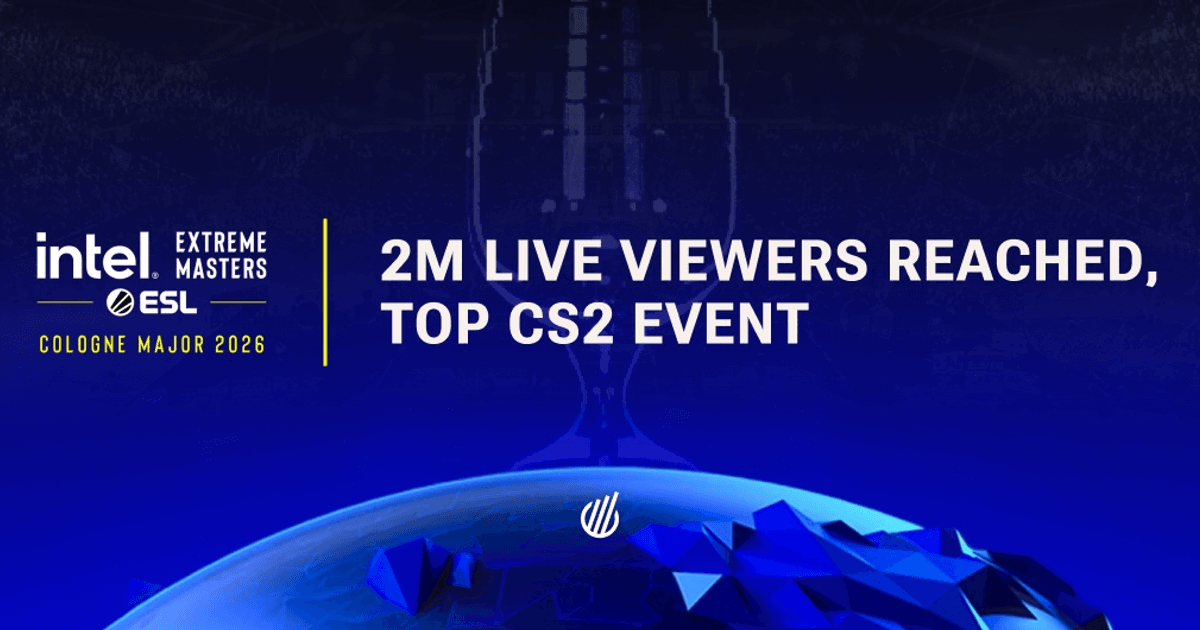
League of Legends maintained its position as the global leader, securing 735.5 million Hours Watched and the highest peak concurrent viewership. Despite operational challenges with North American league restructuring, the title’s dominance was bolstered by successful international events and the expansion of community co-streaming. Counter-Strike emerged as the year’s standout performer, rising to second place with a 33% year-over-year increase in Hours Watched, driven by successful tournament format changes and high-profile competitive innovation.
Mobile Legends: Bang Bang held the third spot, remaining the only mobile title in the top five. Its performance was notably resilient despite the absence of its primary annual championship, which was shifted to early 2026. Valorant followed in fourth, maintaining a consistent international presence with strong growth in Asian markets, particularly Southeast Asia. Dota 2 rounded out the top five, demonstrating significant resilience through a narrowed, elite-focused tournament structure that yielded the strongest year-on-year growth in average audience among the top titles.
The analysis relies on viewership data aggregated throughout the 2025 calendar year, focusing on global metrics across major streaming platforms. By tracking shifts in Hours Watched and peak concurrent viewership, the findings illustrate a maturing ecosystem where the most successful titles are increasingly prioritizing high-quality, elite-level competition over sheer broadcast volume.
Esports Charts · 2026
Esports Charts · 2026
Esports Charts · 2026
Esports Charts · 2026

Esports Charts · 2026

Esports Charts · 2026

Esports Charts · 2026
Esports Charts · 2026
Esports Charts · 2026
Esports Charts · 2026
Esports Charts · 2026
Esports Charts · 2026

InvestGame · 2025
Stream Hatchet · 2025
Stream Hatchet · 2024
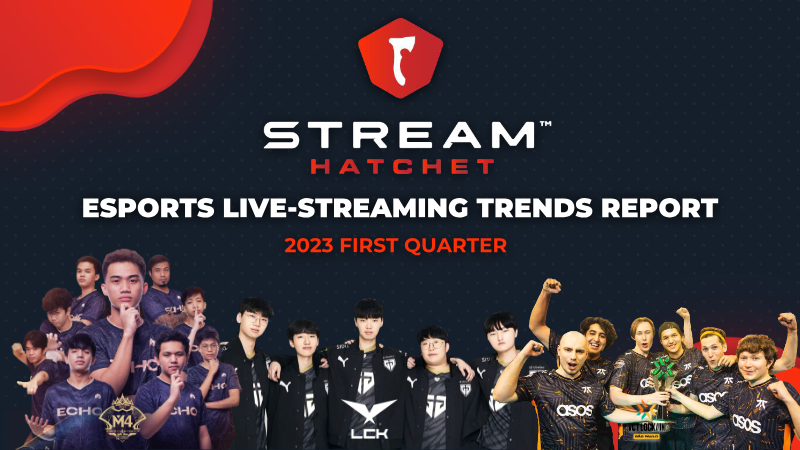
Stream Hatchet · 2023
Stream Hatchet · 2022
Stream Hatchet · 2022
Newzoo · 2022
Newzoo · 2022
Stream Hatchet · 2022

Newzoo · 2022
Newzoo · 2022
Newzoo · 2022