1 free read left. Create a free account for unlimited reading + AI research.
Create free accountArticle Deconstructor of Fun
1 free read left. Create a free account for unlimited reading + AI research.
Create free accountArticleDeconstructor of Fun
This move prioritized live events and social features.
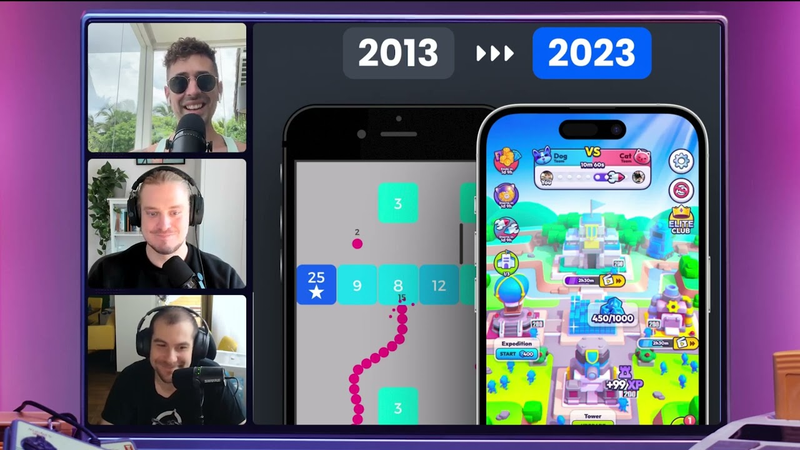
The mobile puzzle game industry is undergoing a fundamental shift as developers move away from the traditional "Saga map" progression model. This transition is exemplified by Peak Games’ launch of Toon Blast, which abandoned the linear, map-based structure that defined the genre’s early success. The primary thesis is that the decline of Facebook-driven virality and the increasing necessity of live-service events have rendered the static Saga map obsolete, forcing developers to adopt more dynamic, community-focused, and event-driven architectures.
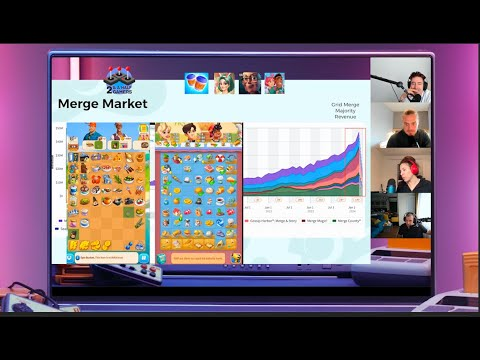
Two key factors drive this evolution. First, the decline of Facebook connectivity has diminished the effectiveness of social pressure and organic virality that previously sustained puzzle games. In response, developers are implementing guild and clan systems—borrowed from mid-core and strategy titles—to foster player bonds and retention through active, in-game social interaction. Second, revenue growth is increasingly tied to engagement and competitive events rather than linear progression. By removing the Saga map, developers can place these events at the center of the user experience, allowing for more frequent and impactful monetization opportunities.
The analysis draws on industry trends observed between 2012 and 2017, focusing on the matching puzzle genre. It highlights the success of titles like Toy Blast, which utilized the traditional model, contrasted against the strategic pivot seen in Toon Blast. By prioritizing guild-based social mechanics and event-centric UI/UX, developers are successfully adapting to a market where player retention and monetization depend on active, ongoing participation rather than passive, map-based progression.
Deconstructor of Fun · 2026

Deconstructor of Fun · 2026
Deconstructor of Fun · 2026

Deconstructor of Fun · 2026
Deconstructor of Fun · 2026
Deconstructor of Fun · 2026
Deconstructor of Fun · 2026
Deconstructor of Fun · 2026
Deconstructor of Fun · 2026
Deconstructor of Fun · 2026

Deconstructor of Fun · 2026
Deconstructor of Fun · 2026
AppMagic · 2026