1 free read left. Create a free account for unlimited reading + AI research.
Create free accountArticle GameRefinery
1 free read left. Create a free account for unlimited reading + AI research.
Create free accountArticleGameRefinery
The integration of social elements into mobile games, traditionally reserved for midcore titles, has become a successful strategy for increasing engagement across diverse genres, including casual puzzle games. The primary thesis posits that social features—such as guilds, co-op modes, and communal events—are essential for modern mobile game design because they foster digital togetherness, significantly improve player retention, and create new avenues for monetization.
Data indicates a clear upward trend in the adoption of these mechanics, with guild feature utilization in the top 100 grossing casual Match3 games increasing by 23% between September 2020 and September 2021. These features function as powerful retention tools by tapping into social triggers, such as the desire to contribute to a team and avoid letting others down. Furthermore, social elements allow developers to introduce horizontal content and additional motivational drivers without altering the core gameplay loop.
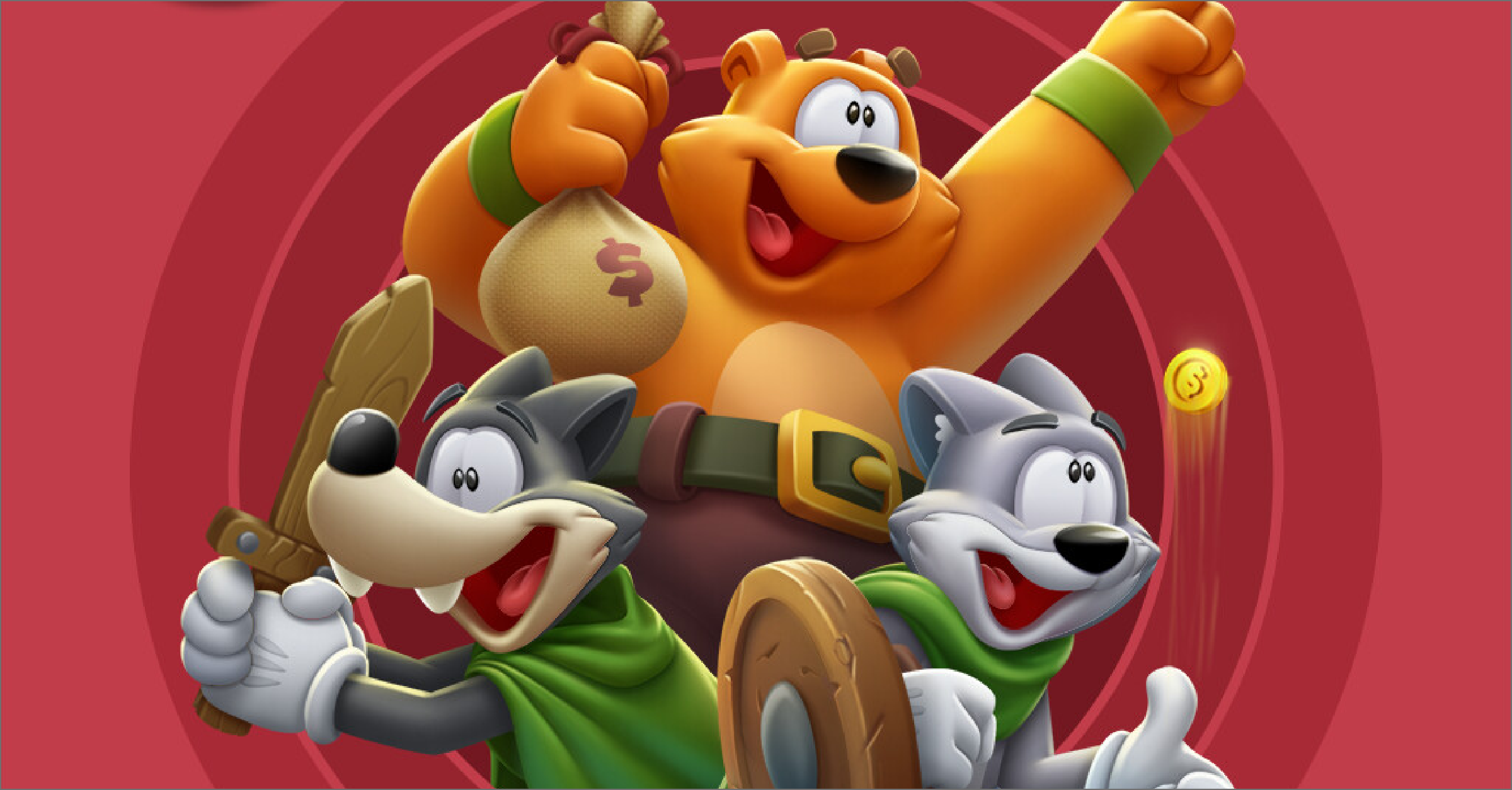
The analysis highlights several successful implementations in Western casual games, demonstrating the versatility of these mechanics. Examples include collectible item sharing in Board Kings, synchronous PvP in Candy Crush Jelly Saga, guild-based resource development in Shop Titans, social home visits in Cooking Diary, real-time co-op PvE in Archero, and team-based assistance in Homescapes. These diverse approaches illustrate how social features can be tailored to fit specific game designs while simultaneously enhancing marketability and user acquisition. By fostering communities, developers can effectively extend the lifecycle of their games and create more robust, long-term engagement models.
GameRefinery · 2026
GameRefinery · 2026

GameRefinery · 2026

GameRefinery · 2026
GameRefinery · 2026

GameRefinery · 2026
GameRefinery · 2026

GameRefinery · 2026
GameRefinery · 2026
GameRefinery · 2026

GameRefinery · 2025
GameRefinery · 2025