1 free read left. Create a free account for unlimited reading + AI research.
Create free accountWhitepaper DiGRA
1 free read left. Create a free account for unlimited reading + AI research.
Create free accountWhitepaperDiGRA
It draws on economic game theory and the frameworks of Mancur Olson and Elinor Ostrom.
This paper examines how multiplayer video games stage relationships between players and argues that semi-cooperative game designs function as ongoing experiments in collective action. Its central thesis is that the "problem of other players" is not merely an obstacle but a structure that can be analyzed using economic game theory and the collective action framework developed by political scientists such as Mancur Olson and Elinor Ostrom. The author proposes a three-part typology of multiplayer games, distinguishing cooperative games with exactly aligned interests, semi-cooperative games where collective and individual goals partly diverge, and competitive games that are zero-sum. The analysis is largely conceptual and formal rather than empirical, treating players as score-maximizing rational agents and using hypothetical payoff matrices to model historical titles.
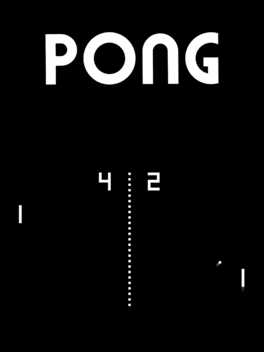
The historical survey traces conflict types from early arcade games, including Spacewar, Pong, Fire Truck, Joust, Mario Bros, Gauntlet, and later team-based shooters such as Battlefield 1942. Gauntlet is identified as a pivotal design that introduced a genuine collective action problem to arcade games, since shared progression depends on cooperation while individual resource collection tempts defection. The paper notes that real players often defy the purely rational predictions of such models, owing to repeated play, social ties, and non-score motivations, but argues that the models remain useful approximations.
The paper's broader contribution lies in its call for cross-pollination between game studies and social sciences, particularly experimental and behavioral economics. It contends that game studies has largely drawn inspiration from aesthetics, while games themselves offer a steady stream of data relevant to economic and political theory. The work is a short, theoretically oriented contribution presented at the 2005 DiGRA conference, with its empirical claims limited to illustrative examples rather than systematic player studies.
Each row is a game or company this document names, each column a document, oldest first. A mark means that document names it. Select a row to see those documents.
DiGRA · 2016
DiGRA · 2016
DiGRA · 2016
DiGRA · 2016

DiGRA · 2016

DiGRA · 2016



DiGRA · 2016

DiGRA · 2016

DiGRA · 2016

DiGRA · 2016

DiGRA · 2016

DiGRA · 2016
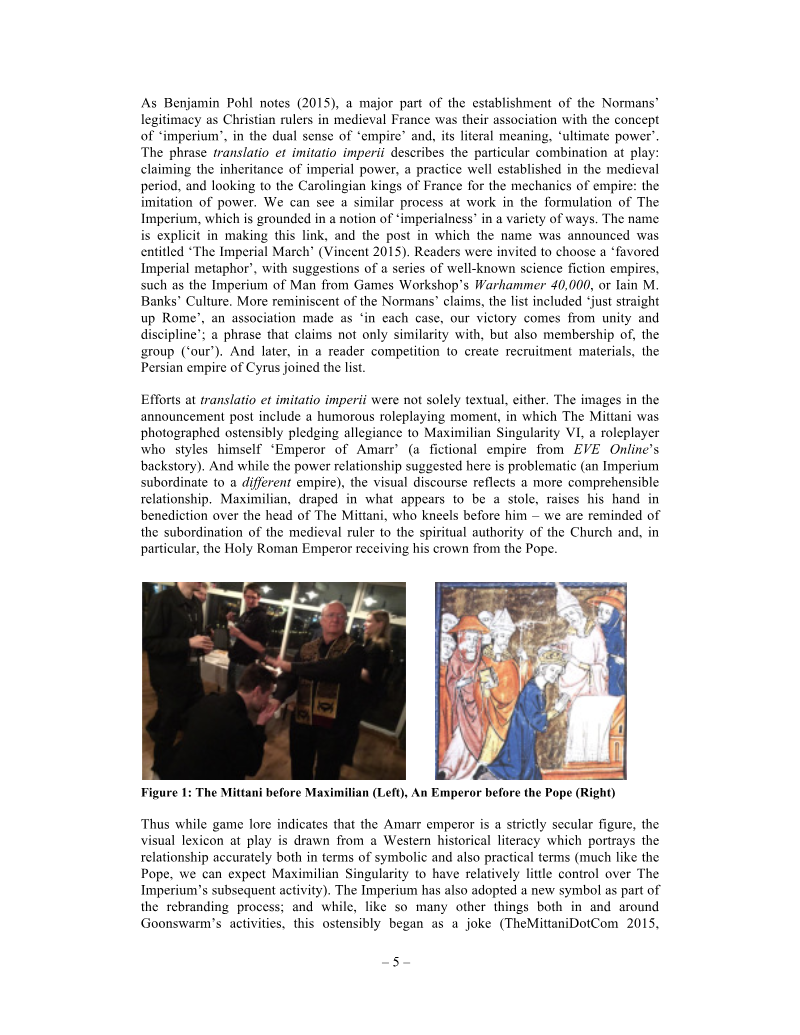
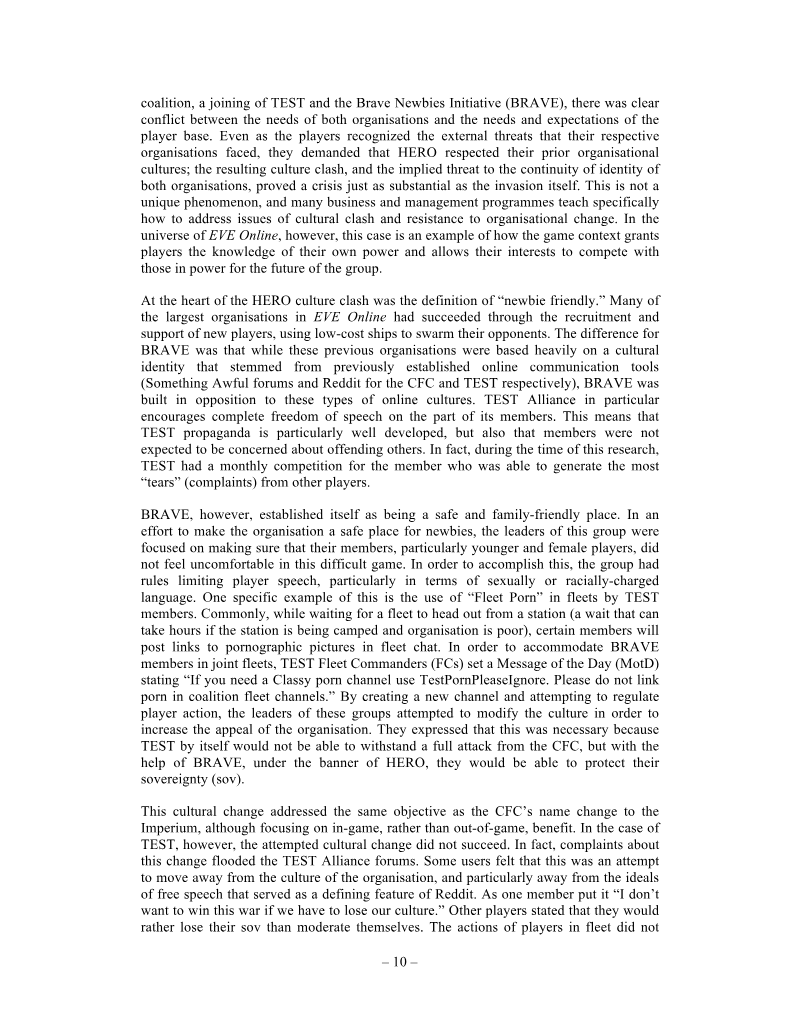
DiGRA · 2016