
ArticleVideo Games Industry Memo
The Not-So-Great British Games Biz: March 2026
26 Mar 20261 pages~16 min full read
The UK video games industry is experiencing a significant downturn, marking its first recorded decline in headcount in 14 years. According to data from the trade association TIGA, the sector’s workforce fell by 4.5%, dropping from 28,516 to 27,347 between May 2024 and September 2025. This contraction resulted in the loss of 1,537 direct development roles and an additional 2,810 positions across the wider supply chain. Larger studios, defined as those with 15 or more employees, bore the brunt of these reductions, while the number of active game development studios in the UK decreased from a peak of 2,175 in 2023 to 2,110 in 2025.
The industry’s decline is further evidenced by a sharp reduction in new business formation. Only 137 start-ups were recorded during the reporting period, the lowest figure in 15 years, while 206 companies closed or exited the market. Although micro-studios with fewer than 15 employees showed modest growth, these gains were insufficient to offset the widespread job losses at larger firms. The rise in the number of freelancers to 4,245 suggests a shift toward a less stable and secure labor environment within the UK market.
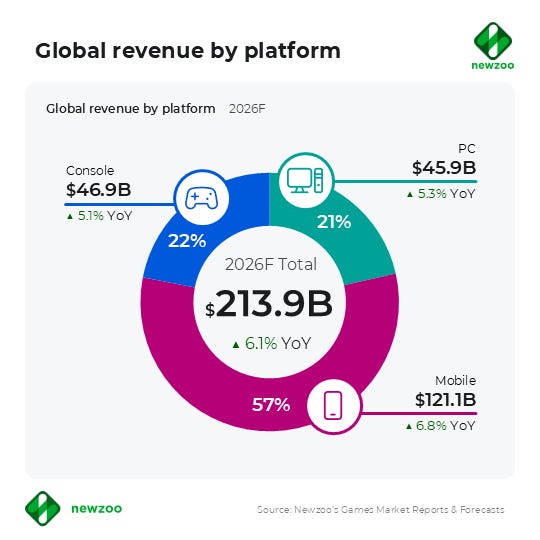
Structural challenges, including the global shift toward mobile gaming, the consolidation of publishing power, and the restrictive impacts of post-Brexit immigration policies, have exacerbated these difficulties. While industry advocates propose increasing the Video Game Expenditure Credit to 39%—or 53% for smaller projects—to stimulate growth, a long-term recovery likely requires a more comprehensive strategy. To remain competitive, the UK must leverage its existing creative talent and professional services while developing a coherent national policy that addresses the realities of a maturing, increasingly globalized games market.

Video Games Industry Memo · 2026

Video Games Industry Memo · 2026

Video Games Industry Memo · 2026
Video Games Industry Memo · 2026

Video Games Industry Memo · 2026

Video Games Industry Memo · 2026

Video Games Industry Memo · 2026

Video Games Industry Memo · 2026

Video Games Industry Memo · 2026

Video Games Industry Memo · 2026

Video Games Industry Memo · 2026
Video Games Industry Memo · 2026

Ukie · 2025
8Bit · 2026

Direcció General d’Innovació i Cultura Digital · 2025
PCF Group · 2025

Departement Cultuur · 2025
PCF Group · 2025

InGameJob · 2025
Polish Agency for Enterprise Development · 2025

AEVI · 2025
11 bit studios · 2024

PGDA – Pioneers of Game Development Austria · 2024

Austrian Professional Association of Management Consultancy · 2024