Loading the document
1 free read left. Create a free account for unlimited reading + AI research.
Create free accountWhitepaper Universidade Federal de Viçosa
1 free read left. Create a free account for unlimited reading + AI research.
Create free accountWhitepaperUniversidade Federal de Viçosa
The NES Video-Music Database (NES-VMDB) contains 98,940 gameplay clips from 389 Nintendo Entertainment System (NES) games. Each clip is matched with its original soundtrack in MIDI format.
Dataset purpose. The NES-VMDB dataset provides 98,940 gameplay clips from 389 NES games, paired with their original MIDI soundtracks to support generative music model development.
The NES Video-Music Database (NES-VMDB) is a novel dataset designed to facilitate the development of generative models capable of composing symbolic background music based on gameplay video input. By pairing 98,940 gameplay clips from 389 Nintendo Entertainment System (NES) games with their corresponding original soundtracks in MIDI format, the dataset aims to democratize music production for indie game developers. The project builds upon the existing Nintendo Entertainment System Music Database (NES-MDB), which contains 5,278 music pieces, by associating 4,070 of these compositions with 474 hours of gameplay footage.
The methodology involved collecting long-play videos from YouTube and segmenting them into 15-second clips. An audio fingerprinting algorithm, based on the Shazam-style Dejavu implementation, was utilized to automatically match these video clips with their respective synthesized MIDI files. This automated approach was necessary to handle the large volume of data, and testing confirmed the algorithm’s robustness against background noise and sound effects.
To validate the utility of the dataset, a baseline model was established using a Controllable Music Transformer (CMT). Objective metrics—including pitch class histogram entropy, grooving pattern similarity, and pitch range—demonstrated that the conditioned CMT model produces musical structures more closely aligned with human-composed pieces than an unconditional baseline. Additionally, a genre classifier was trained to evaluate the correlation between gameplay visuals and musical output. While the classifier achieved a 29% accuracy rate, significantly outperforming random guessing, the findings indicate that further research is required to achieve human-level performance in both music generation and genre classification. The dataset is intended to serve as a resource for creating tools that allow developers to generate and edit background music for various stages of game development.
Each row is a game or company this document names, each column a document, oldest first. A mark means that document names it. Select a row to see those documents.
Universidade Federal de Minas Gerais · 2024
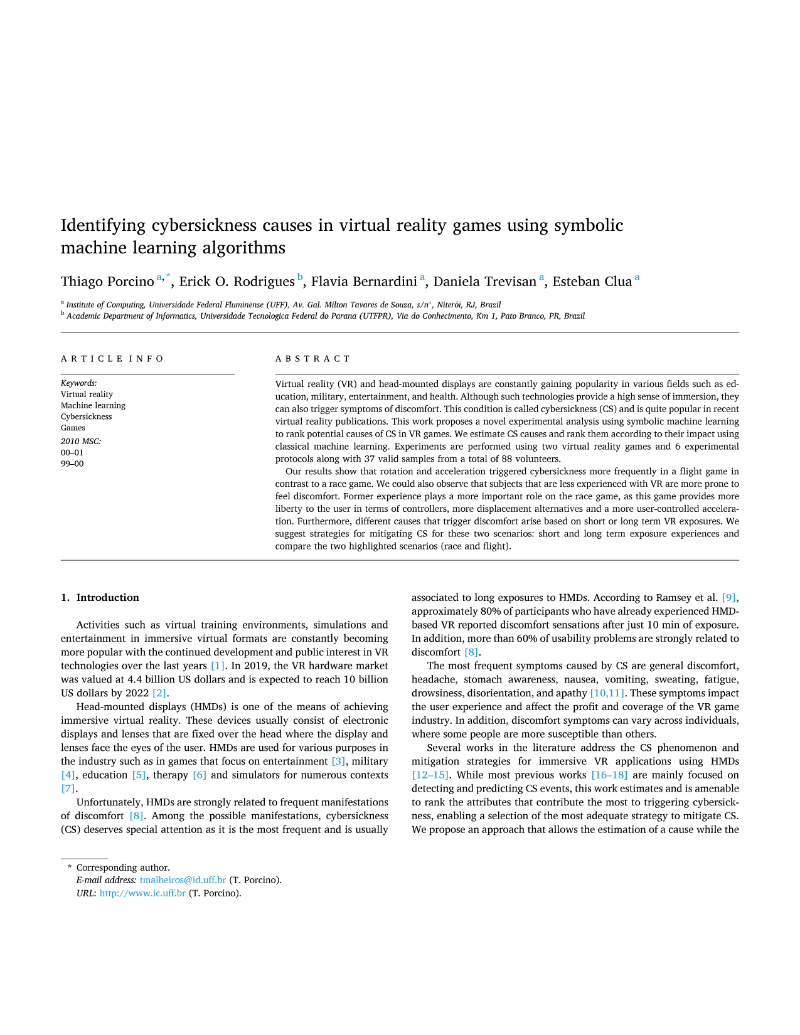
Entertainment Computing · 2021
Game Developers Conference · 2021
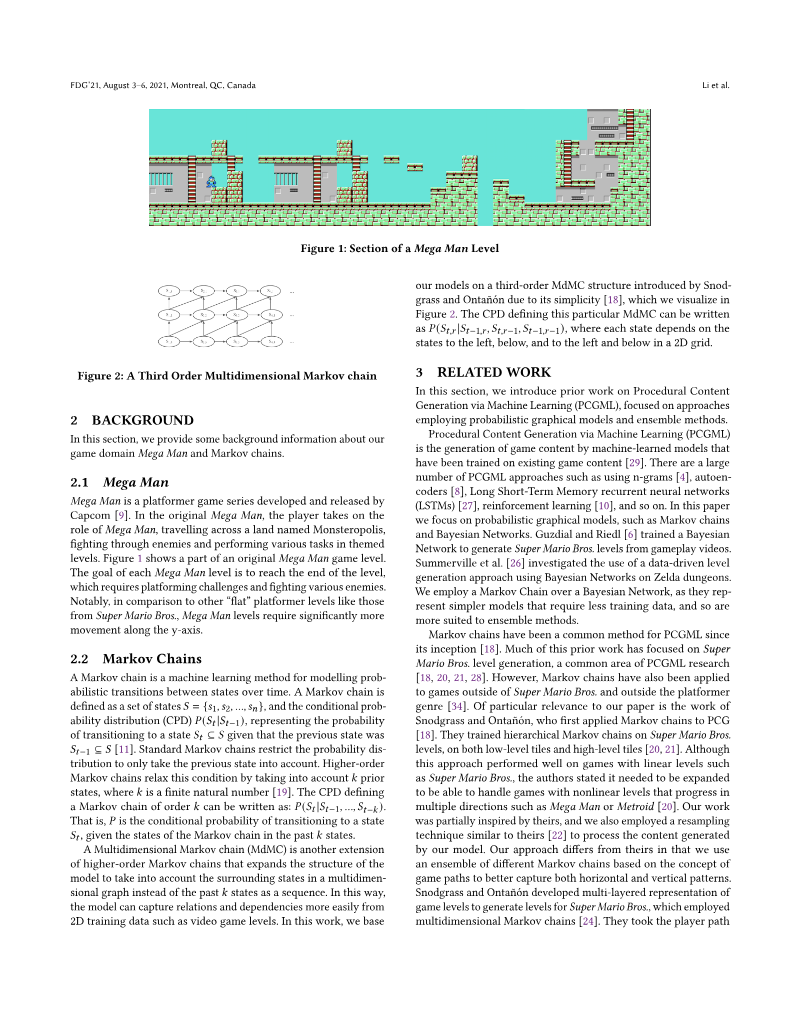
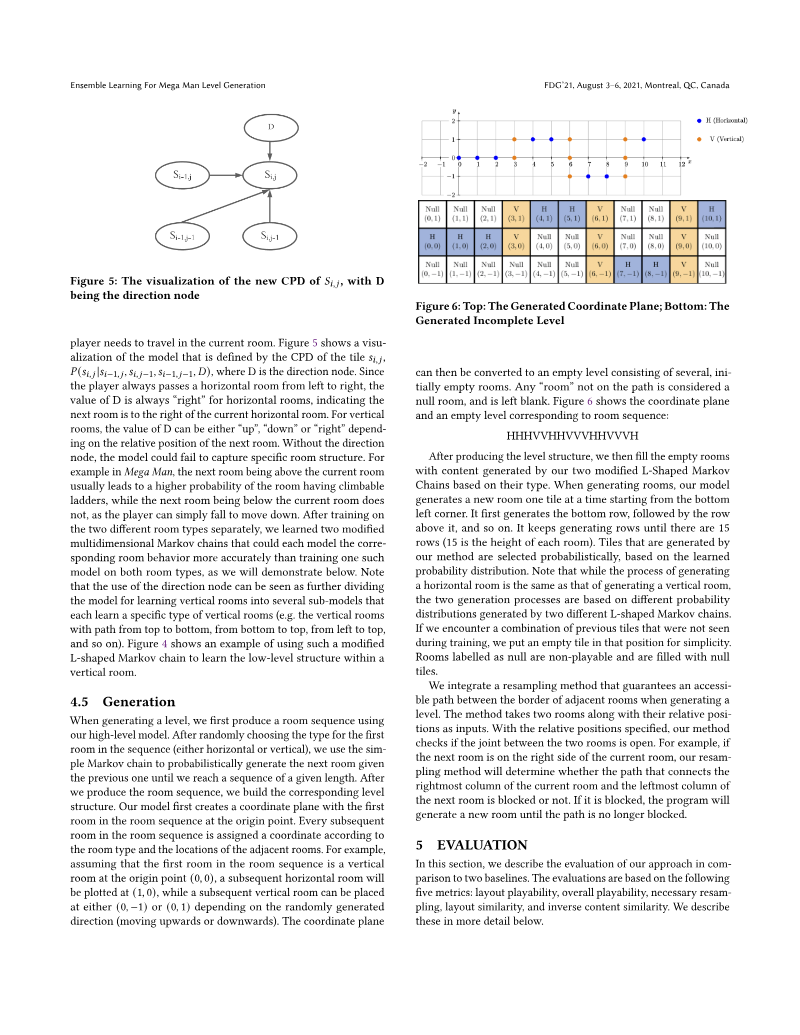
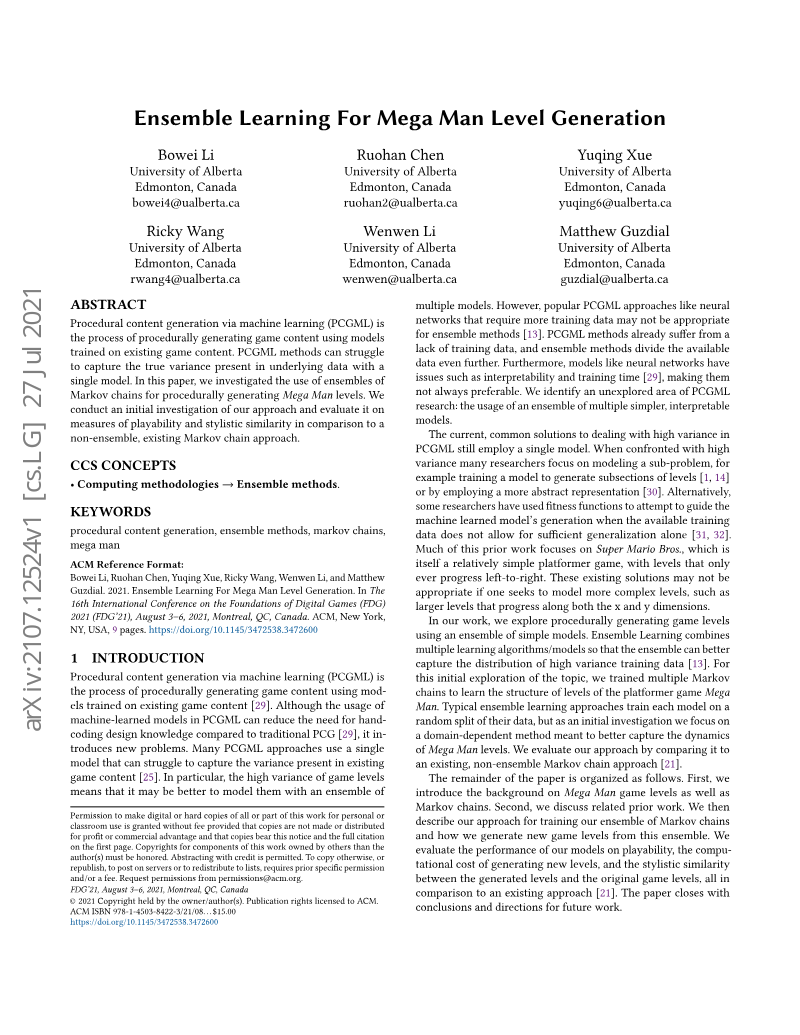
University of Alberta · 2021
Jonas Tyroller · 2020
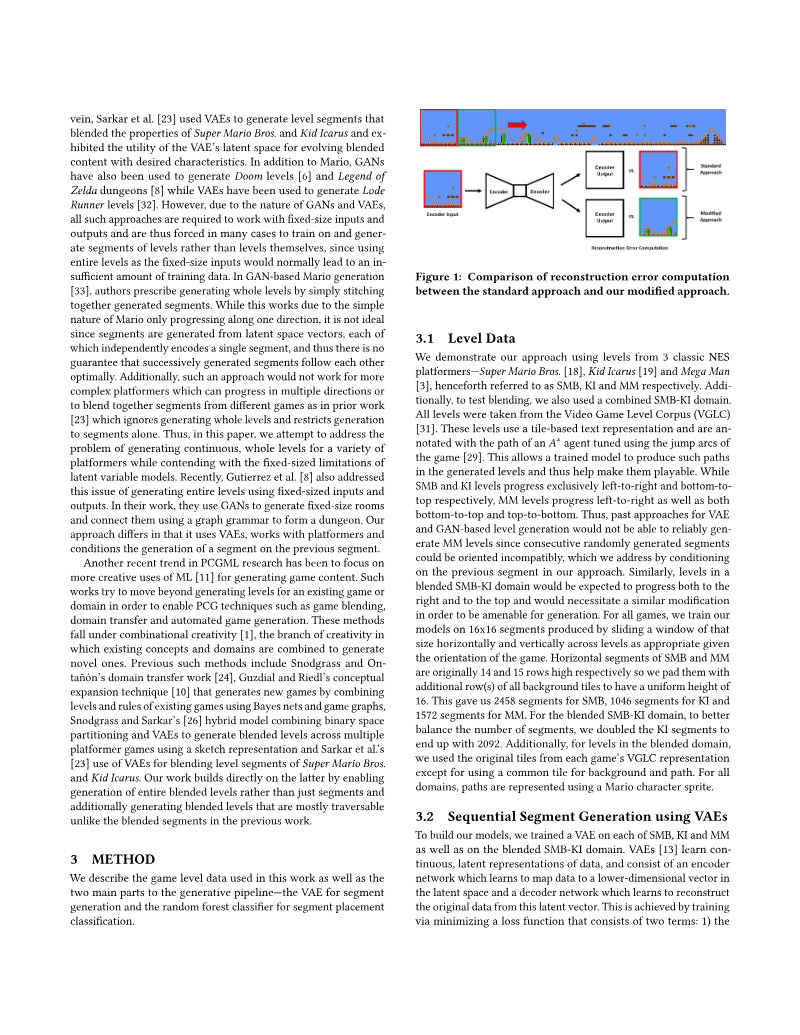
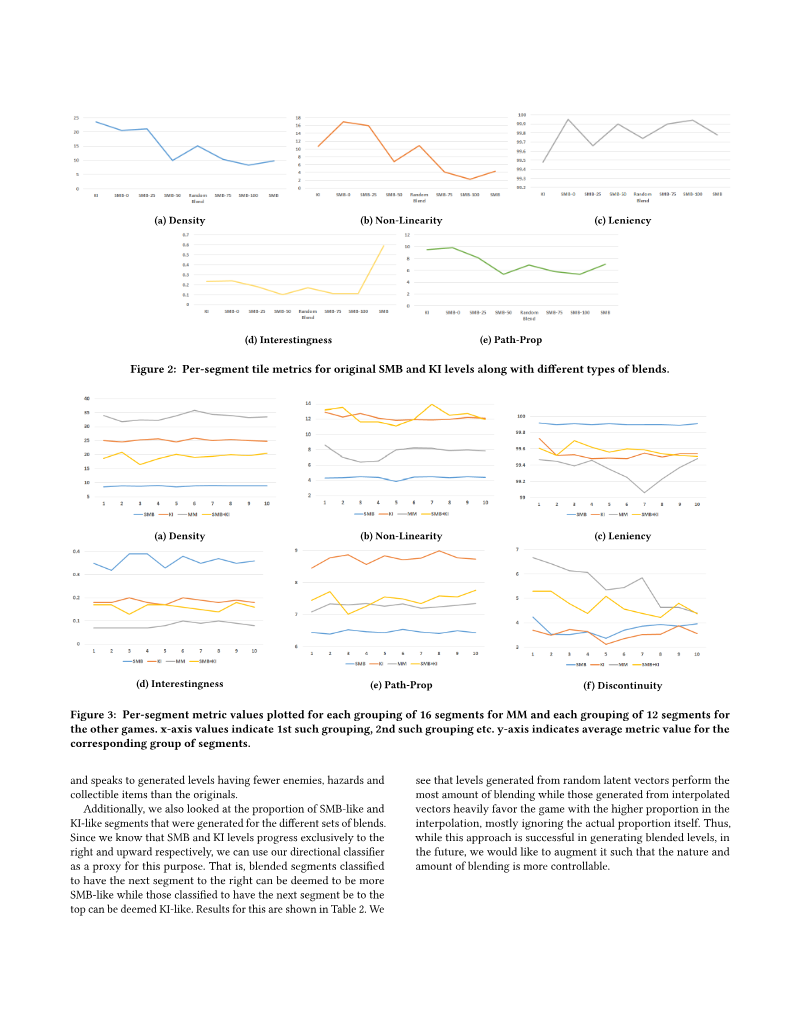
Foundations of Digital Games (FDG) · 2020

Thomas Brush · 2019
Foundations of Digital Games (FDG) · 2018

Jonas Tyroller · 2018
University of California Santa Cruz · 2017
DiGRA · 2016
Universidade Federal Fluminense · 2013