1 free read left. Create a free account for unlimited reading + AI research.
Create free accountWhitepaper Replay. The Polish Journal of Game Studies
1 free read left. Create a free account for unlimited reading + AI research.
Create free accountWhitepaperReplay. The Polish Journal of Game Studies
Distilling the key insights…
This analysis explores the integration of the yūrei—vengeful spirits from Japanese mythology—into the survival horror genre, focusing on how traditional folklore is remediated into modern interactive media. By examining the ludic and semantic systems of survival horror, the study demonstrates how developers bridge ancient cultural narratives with contemporary technology to create immersive, unsettling experiences. The analysis specifically highlights the transition from Western-centric horror tropes in early genre staples to the incorporation of authentic Japanese supernatural iconography.
The research centers on two case studies: Calling (2010) and Kuon (2004). Findings indicate that these titles effectively utilize the onryō archetype—a spirit driven by unresolved grievances—to drive narrative tension. In Calling, the integration of modern communication tools like mobile phones and internet chat rooms serves as a conduit for the supernatural, illustrating how technology can modernize traditional ghost stories. Conversely, Kuon draws directly from historical kaidan (ghost stories) and the Heian period, utilizing period-accurate settings and traditional demonology to ground the horror in cultural heritage.
The study concludes that survival horror games achieve atmospheric dread through three primary levels: traditional cinematic horror techniques, player-environment interaction, and interface design. By limiting player agency, employing minimalist user interfaces, and utilizing sensory cues like controller vibrations or sudden audio shifts, these games force players into a state of vulnerability. Ultimately, the successful synthesis of ancient mythology and modern gaming mechanics demonstrates that the yūrei motif remains a potent tool for psychological horror, proving that traditional folklore continues to resonate within the digital landscape of the 21st century.
Replay. The Polish Journal of Game Studies · 2026
Replay. The Polish Journal of Game Studies · 2026



Replay. The Polish Journal of Game Studies · 2026
Replay. The Polish Journal of Game Studies · 2026
Replay. The Polish Journal of Game Studies · 2026
Replay. The Polish Journal of Game Studies · 2026
Replay. The Polish Journal of Game Studies · 2024
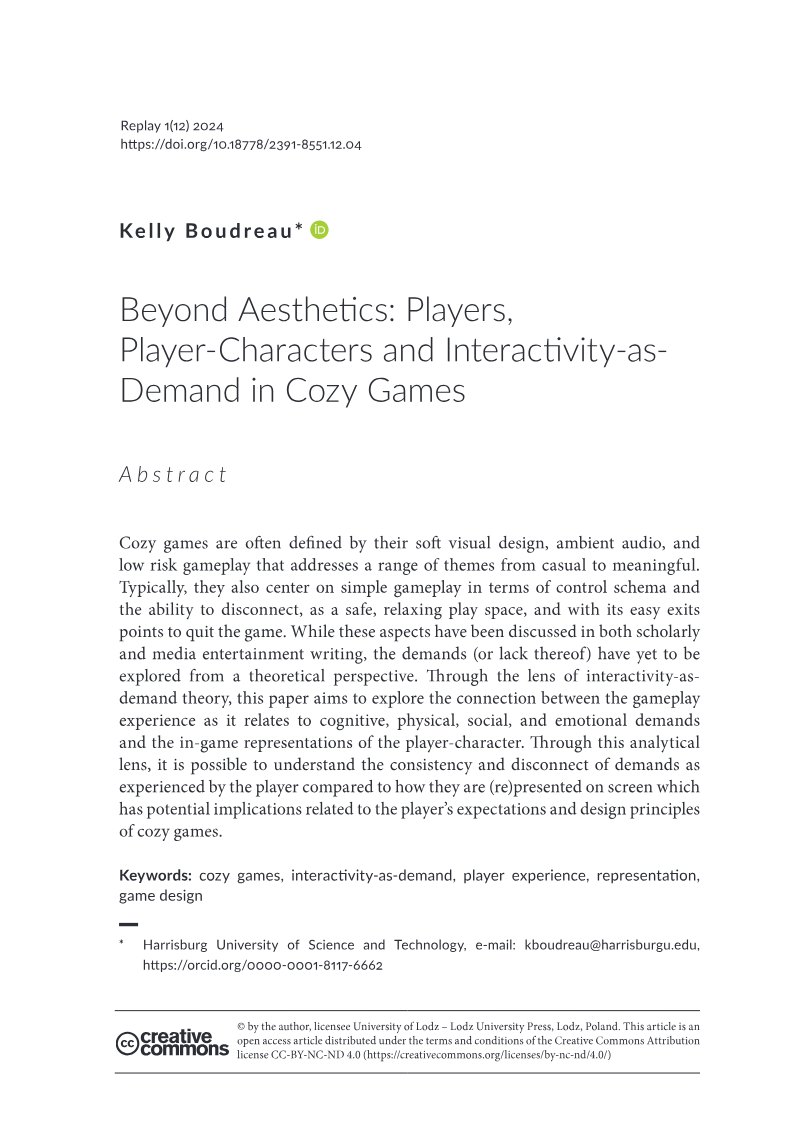
Replay. The Polish Journal of Game Studies · 2024
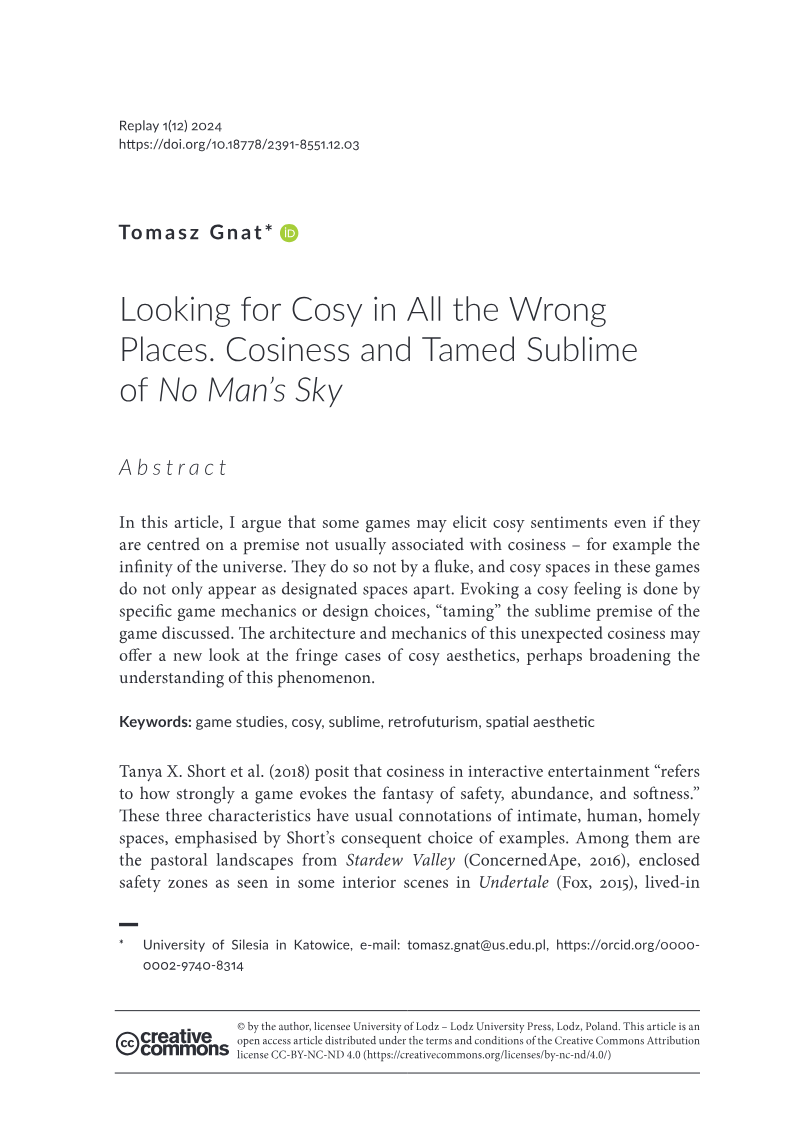
Replay. The Polish Journal of Game Studies · 2024
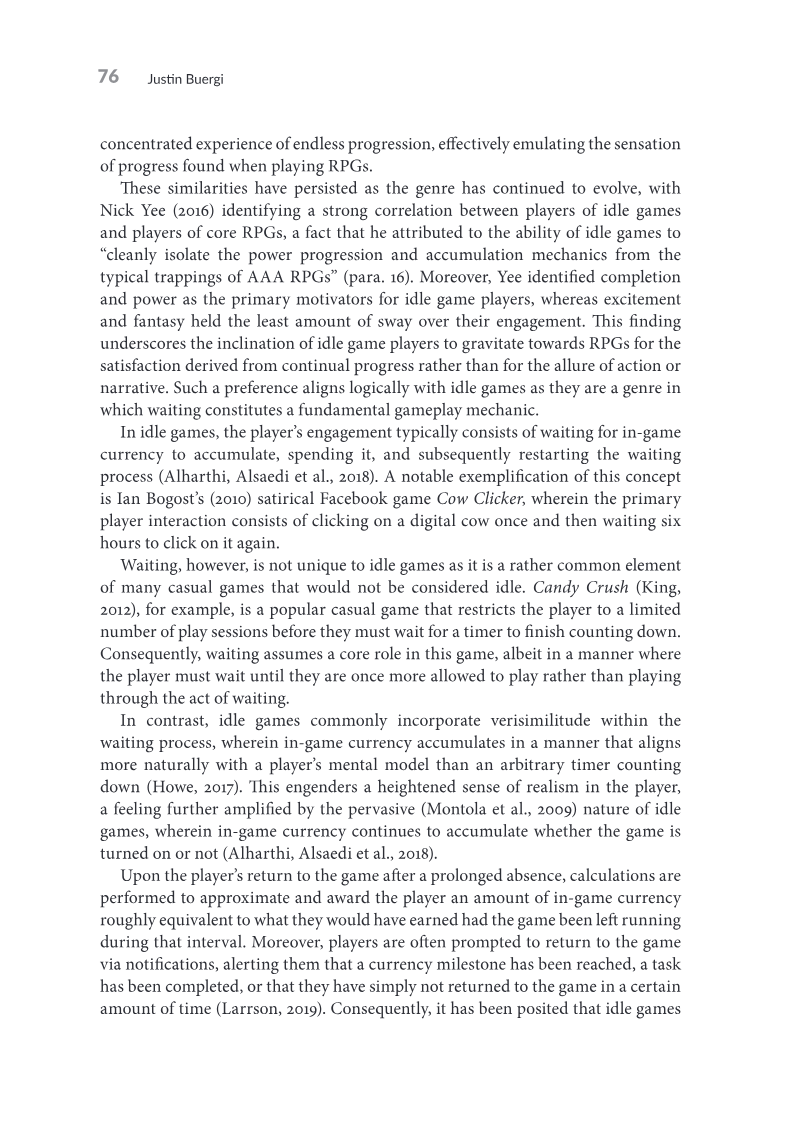
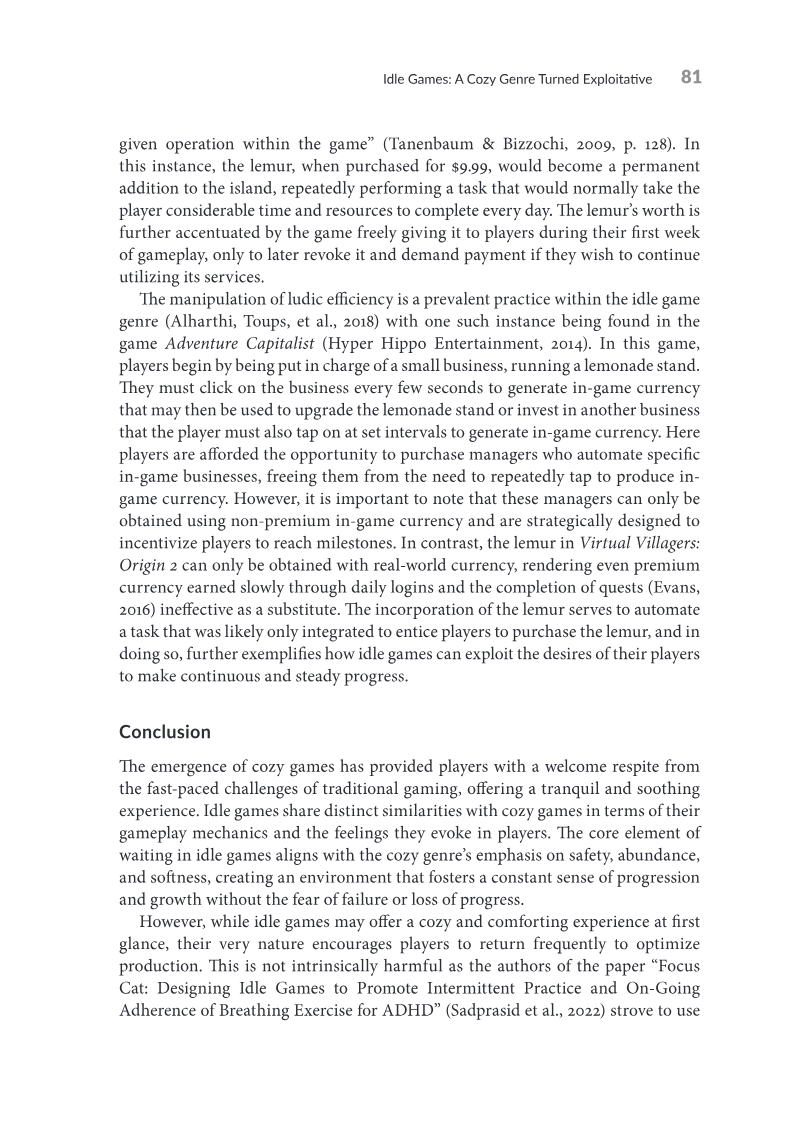
Replay. The Polish Journal of Game Studies · 2024
Replay. The Polish Journal of Game Studies · 2024
Replay. The Polish Journal of Game Studies · 2024
Ludic Language Pedagogy · 2025