Loading the document
1 free read left. Create a free account for unlimited reading + AI research.
Create free accountReport U.S. Census Bureau
1 free read left. Create a free account for unlimited reading + AI research.
Create free accountReportU.S. Census Bureau
The United States is projected to undergo a significant demographic shift between 2010 and 2050, characterized by rapid growth and increased diversity within the older population. The primary driver of this transformation is the aging of the baby boomer generation, which will cause the number of Americans aged 65 and older to more than double, rising from 40.2 million in 2010 to 88.5 million by 2050. This aging trend will fundamentally alter the nation’s age structure, with the proportion of residents aged 65 and older expected to reach approximately 20 percent by 2050.
The analysis, based on 2008 national population projections using a cohort-component methodology, highlights that the older population will become increasingly racially and ethnically diverse. While the non-Hispanic White population currently constitutes the largest share of those aged 65 and older, its proportion is projected to decline by 10 percentage points by 2050. Conversely, the Hispanic, Black, and Asian populations are expected to see substantial growth within the older age brackets. Additionally, the oldest-old segment—those aged 85 and older—is projected to grow from 5.8 million in 2010 to 19 million by 2050, representing a significant increase in the demographic requiring specialized care and support.
Economic and social implications are further illustrated by dependency ratios, which measure the potential burden on the working-age population. The old-age dependency ratio is expected to rise sharply from 22 in 2010 to 37 by 2050, reflecting the increased pressure on social programs like Social Security and Medicare. While women continue to outnumber men in older age groups due to higher life expectancy, the gap is projected to narrow as male life expectancy increases. These findings underscore the long-term challenges for policymakers, families, and healthcare providers as the nation adapts to a significantly older and more diverse demographic landscape.

Deconstructor of Fun · 2026
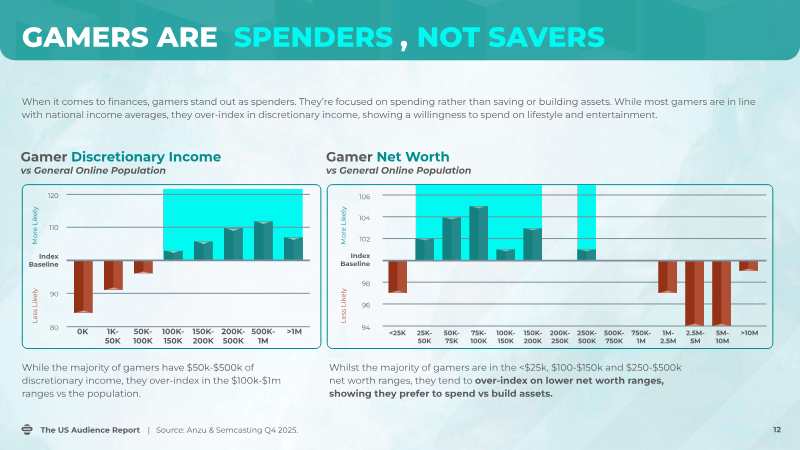
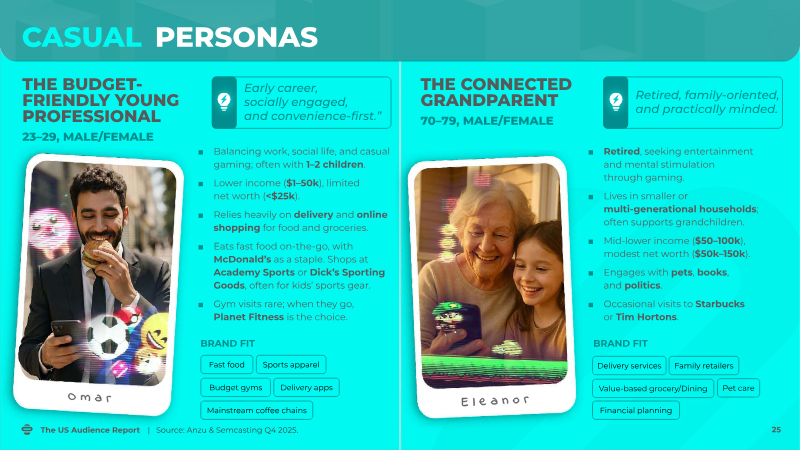

Anzu & Semcasting · 2025
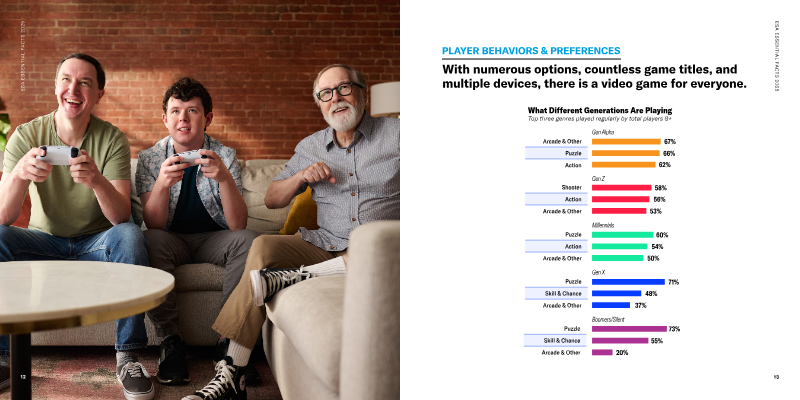
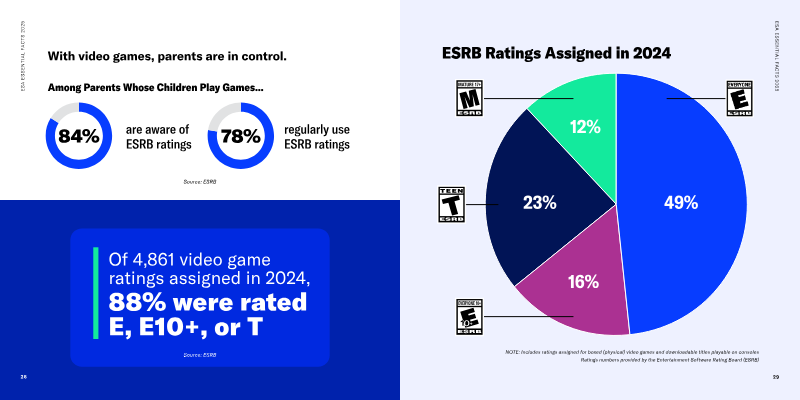

Entertainment Software Association · 2025



Circana · 2024

Game Developers Conference · 2024
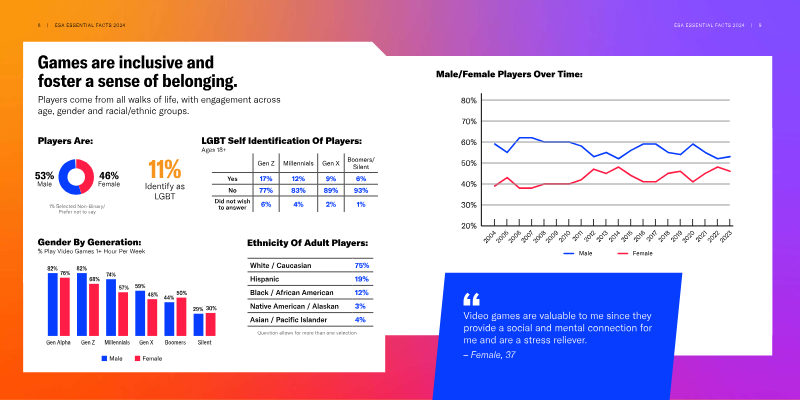
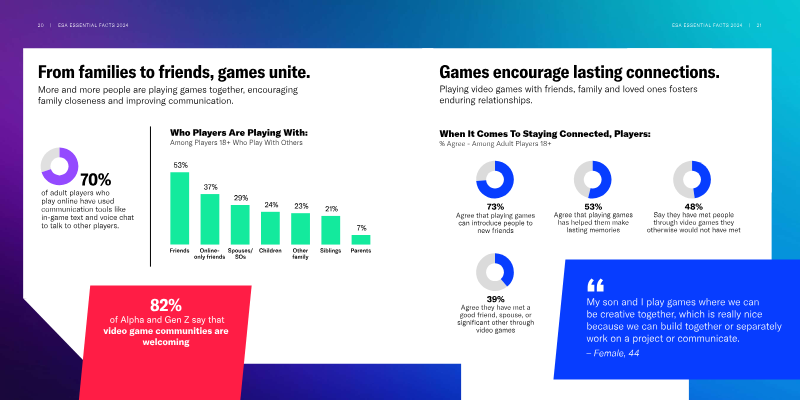
Entertainment Software Association · 2024
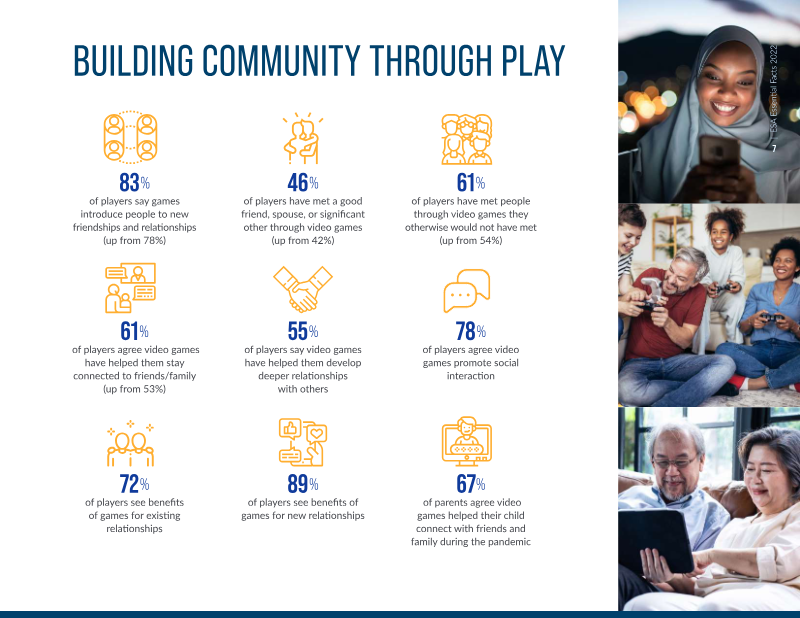
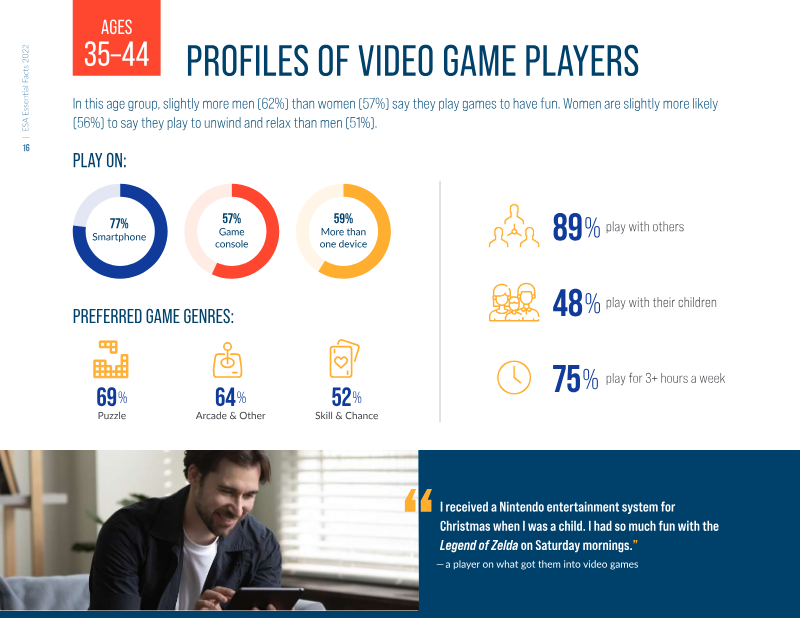

Entertainment Software Association · 2022
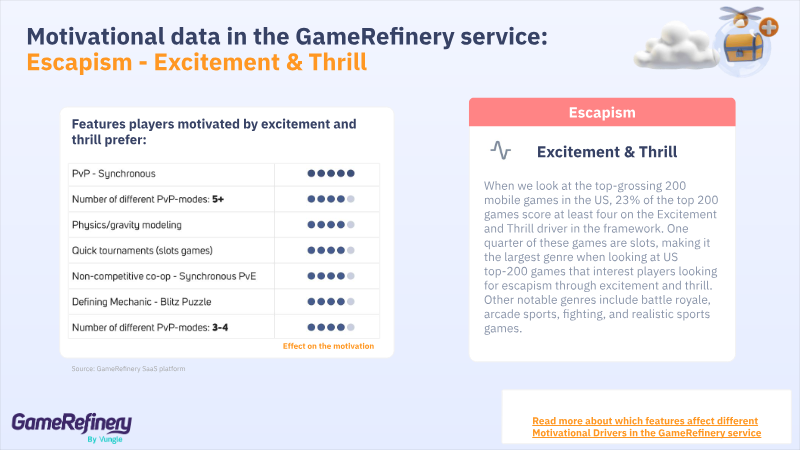


GameRefinery · 2022
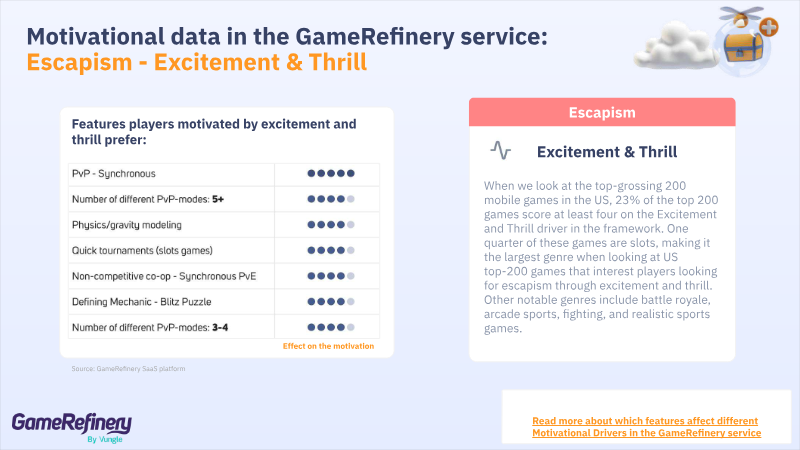


GameRefinery · 2022
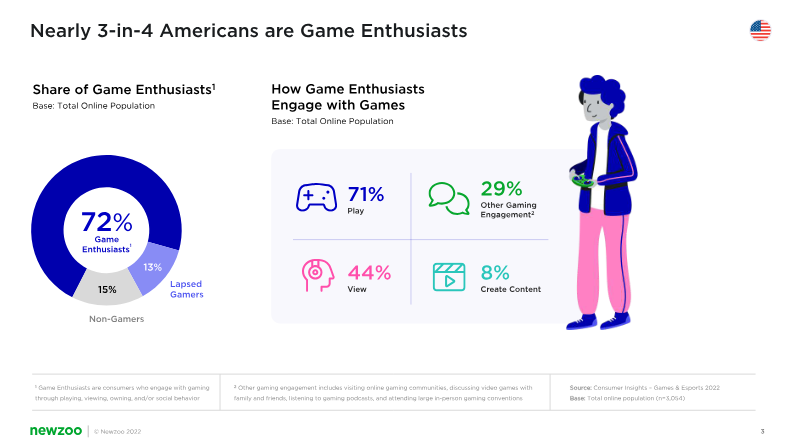
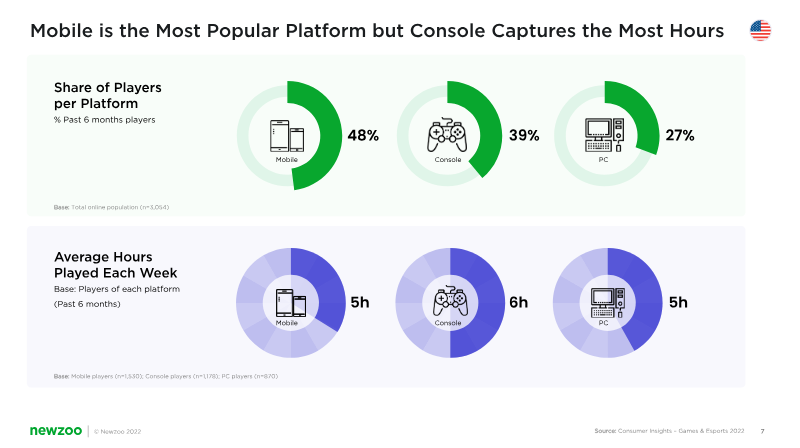
Newzoo · 2022

Extra Credits · 2021


Newzoo · 2021