1 free read left. Create a free account for unlimited reading + AI research.
Create free account
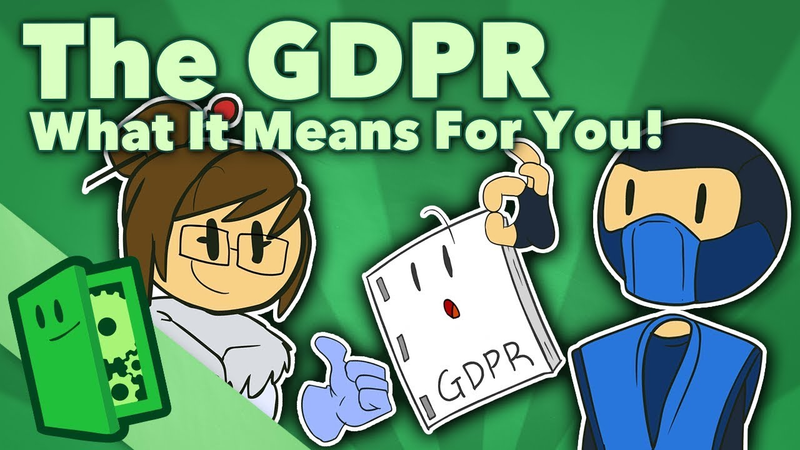
The GDPR - What It Means For You! (Developers AND Players!) - Extra Credits
Key insights
7 takeaways- 01Developers must adopt 'privacy by design,' integrating data protection measures into the earliest stages of game development rather than treating them as an afterthought.
- 02Non-compliance with GDPR carries severe financial penalties, reaching up to 20 million euros or 4% of a company’s annual global revenue, whichever is greater.
- 03The GDPR applies to any organization with an online presence that collects data from European Union residents, effectively mandating global compliance for most gaming companies.
- 04Many global gaming companies have extended GDPR-level privacy rights to their entire worldwide player base, regardless of the user's geographic location.
- 05The regulatory landscape is expanding globally, with jurisdictions like California and Brazil implementing privacy frameworks modeled after the GDPR.
- 06Players have the legal right to access their personal data in a portable, free format, which includes account histories, customer support logs, and chat transcripts.
- 07Under the 'right to be forgotten,' players can request the deletion of their personal information, provided the request does not conflict with legal or service obligations.
Ask AI about this video
Transcript
hey remember back in May when your email inbox was flooded with messages from companies some of which you barely recognized telling you that we've updated our privacy policy and remember all that talk about that weird European law that GDP our what was that all about and what does it mean for the future of games and for you as a player turns out quite a lot [Music] thanks so much to Skillshare for sponsoring this episode the first 500 people to sign up at the link below will get their first two months free well as some of you may know the GD P R stands for the general data protection regulation it's a European regulation passed back in 2016 that finally became effective in May of 2018 it's designed to overhaul the world of data and data privacy this thing is massive clocking in at 99 articles each with subsections and sub subsections not to mention explanatory recitals and guidance notes in order to even start
making sense of it we've called once again upon our friend Joe Neumann you might remember him from our previous video on the legality of using your data games of tomorrow he spent the last few years up to his eyeballs in GDP our stuff for both EA and also for Ubisoft now standard disclaimer and everybody sing along all his thoughts are his own and he's not speaking on behalf of any company and this video does not constitute legal advice yeah also one more disclaimer the GD P R is still crazy new and we haven't seen any major companies get in trouble for violating it yet so there's still a lot of uncertainty here and it's also possible that some of this info will be outdated in a few months time cool cool so the first question Joe usually gets when it comes to the GD P R after of course what the heck is it is why should I care if I'm here in the US well the GD P R was designed to protect European residents and their data especially from
big American companies like Google and Facebook so if a company collects data from Europeans ie pretty much any company with an online presence then yeah they have to worry about the GD P R and the fines under the Reg elation are no joke either up to 20 million euros or 4% of a company's annual revenue whichever is greater the next question is what does the GDP are due for gaming companies it imposes new obligations and paperwork a good chunk of the necessary compliance work is behind the scenes basically forcing all corporations that have caring and consumer data protection built into how they operate on all levels of the organization the GDP are explicitly requires that companies engage in quote unquote privacy by design in other words privacy considerations need to be something you think about early in the planning stages of your game and not just an afterthought but the GDP are also affects you directly as a player and has now expanded your rights in
order to give you more control over your personal data and how it's used arguably the most powerful right you have as a player is the right to access free of charge all the personal data a company has about you in a portable format and by the way when we talk about personal data we don't just mean stuff that directly identifies you in the real world like your email address real name or phone number under the GDP ours broadened definition of personal data in effect everything tied to your individual account is considered personal that means you have the right to see your complete account history unless of course you're asking for something that would adversely affect the rights and freedoms of others like requesting confidential company information or trade secrets game companies do vary however in how they respond to these data requests which can take a few weeks to process some companies require you to be an EU citizen some companies require you to go through customer service or contact a special email address and some companies even let you download a basic snapshot of your data in near real-time through
your account settings but no matter what you should always be able to find instructions for accessing your data in the company's privacy policy at first glance a lot of the stuff you get from these services is pretty dry but if you do some digging you might be surprised at what you find it's different from game to game but sometimes you can get your whole login history a record of everything you've ever said to customer support a list of promotional emails you've clicked or even a transcript of all of chat logs now once you have your data extracted it's time to think about your other rights if there's an error in your data you have the right to ask the company to correct it you also have the right to opt out of some uses of your personal data - for instance unsubscribing for promotional emails and to object to certain types of automated data processing although the nuances of that are still pretty fuzzy if you want to close your account or demand that your data be deleted aka exercising your right to be forgotten you can do that too just keep in mind that the company
might still hold on to some of your data if it's necessary for them to provide the service or to protect the company's own legal rights so don't go into this process expecting to purge records of your own beneful behavior in-game I'm looking at you Zoe oh and one last thing while the gdpr technically only grants these rights to European residents many companies out there honor these rights for all players regardless of location it can't hurt to ask just please remember there's another person at the end of the customer support line what I'm saying is just be nice of course we've only just scratched the surface of this massive law as crazy as the last year has been for the privacy community it's only gonna get crazier both Brazil and California have each passed their own privacy laws modeled after and in some ways even more expansive than the gdpr there's also talk of u.s. federal privacy legislation but that's probably a ways off and Europe's not done either with more regulations expected in 2019 now I know it's easy to get buried in
the weeds with this legal stuff but in Joe's view the real key here is that while data is important it's people that matter when it comes to privacy and I agree if you work with personal data it's on you to collect and use that data responsibly then at the end of the day it's really about preserving trust making sure players know what you're doing with their data and why so if you're a player looking for more control over your data hopefully this video has given you a better sense of what your rights are and how to exercise them once again thank you to skill share for sponsoring this episode skill share is an online learning community with thousands of classes and design business technology and more in fact after completing this episode I talked into skill shares treasure trove of instructional videos where I learned about sound mixing digital illustration and attention management um what was I was I doing again haha just kidding that doesn't happen anymore and for the first 500 people who click the link in the
description below skill share is offering their first two months free and you can learn a lot in two months so check them out and let them know extra credit sent you [Music] [Applause] [Music]
Summary
The General Data Protection Regulation (GDPR), which became effective in May 2018, represents a significant shift in how international organizations handle consumer data privacy. While the regulation specifically targets the protection of European residents, its reach is global, impacting any company with an online presence that collects data from individuals within the European Union. Non-compliance carries substantial financial risks, with potential penalties reaching up to 20 million euros or 4% of a company’s annual global revenue, whichever is greater.
For the gaming industry, the GDPR mandates a shift toward privacy by design, requiring developers to integrate data protection into the earliest stages of game development rather than treating it as an afterthought. The regulation also grants players expanded rights, most notably the right to access their personal data in a portable format free of charge. This definition of personal data is broad, encompassing account histories, customer support logs, and chat transcripts. Furthermore, players possess the right to correct inaccurate data, object to specific automated processing, and request the deletion of their information, commonly referred to as the right to be forgotten, provided such deletion does not conflict with a company’s legal obligations or service requirements.
Although the GDPR is a European mandate, many global gaming companies have extended these rights to their entire player base regardless of geographic location. The regulatory landscape continues to evolve, with jurisdictions such as California and Brazil implementing their own privacy frameworks modeled after the GDPR. Ultimately, the regulation emphasizes the necessity of corporate transparency and the preservation of user trust, shifting the industry focus toward more responsible and ethical data management practices.






















Comments