Transcript
[Music] welcome to the novic gaming podcast where it is our mission to explore the business and future of video games we bring together the industry's brightest Builders investors and thinkers to keep a pulse on current events dissect emerging Trends and games share Lessons Learned and have a great time this podcast is also part of novic growing ecosystem which ranges from free and premium research to Consulting and AD advisory services for more information visit [Music] www.nic.edu Europe and Asia with its dedicated gaming practice light speed gaming the firm is investing from over $7 billion in early and growth stage Capital making
it by far the largest fund focused on gaming and interactive technology Light speed's Team combines deep expertise in gaming with a global multi-stage investment platform and a culture that truly puts Founders first selected Investments include epic games snap and stability AI as well as game designers and producers who led the creation of titles like fortnite Call of Duty League of Legends valerant Starcraft 2 and many more for more information simply go to gaming. lsvp docomo is crucial and that's where insure AI this episode sponsor comes in insure AI provides payment fraud prevention that's effective and tailored to your needs the team's adaptive AI creates a dedicated model based on your data focusing on behavioral patterns to catch even the most sophisticated fraud attempts with decisions made in under
half a second and up to 98% approval rates insure AI ensures more legitimate transactions get approved delivering a seamless experience for players plus with a chargeback guarantee you can focus on growing your business while the risk is handled for you keep players in the game and turn payment fraud into a profit center with insure AI to learn more simply head to ur. a/ gaming or check out the link in the show notes now let's jump into the episode hello everyone and welcome to the novic gaming podcast I'm your host Alex and this is the interview and insight segment today we're taking a adventure into the world of brand marketing live streaming and cohabitated culturally relevant branded experiences as many of our readers and listeners know the biggest free-to-play games like fortnite and Roblox are coveted by Brands due to the high volume traffic and concentrated hours committed by players in these online experiences
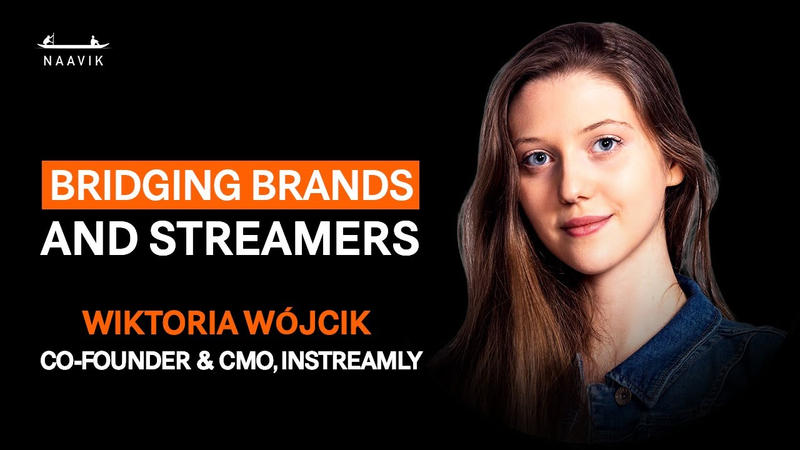
Es as you've probably read on our Roblox immersive ads shout out to my colleague David Taylor or seen fortnite's branded experiences like Marriott bonvoy you know that these experiences are big and huge and inside games they're also laborious to produce and honestly some aren't perceived that well by players it takes a unique approach to find a brand that fits the world of the game to the point that it doesn't feel disingenuous and often these branded experiences pull players out of what they originally came to Roblox or for to do and so my guest today will remind me there's a difference between active and passive engagement and you don't have to be in the game to get your brand in front of Gamers you could be in a stream and so today we're going to talk about putting Brands into live streams on Twitch YouTube and kick and how Brands can capitalize on parasocial relationships that are so predominant in today's online age and so I'm very excited to welcome my guest today Victoria W calling in from Poland to discuss today's topic
um Victoria is the co-founder of inst streamly a technology platform that works with over 160 Brands and connects them to thousands of streamers to administer campaigns they're currently operating in 15 countries and have run over 350 campaigns I believe um I'm super excited to have her on today uh Victoria welcome to the show yeah hello thank you for having me awesome um I'm super grateful for you to come today um and I'm excited to Deep dive into some of the case studies you've shared highlighting your work with Brands like Cheetos and Snickers and Sony and more um but before we dive in I'd love to hear a little bit about your background uh how did you come to found uh in streamly so I was a streamer myself before uh before in streamly I started streaming because I couldn't get an internship interview at any marketing agency I applied to so I thought to myself well the best other thing I can do is go uh play video games and
have people watch me do it and I wasn't a popular streamer but it opened my eyes to the potential that like being a content creator and you know being in this space can can bring H so I still pursued my dream of working marketing I also met my co-founders uh the idea of exremely really came from a very very simple thought of uh us working on different side of the collaboration between streamers and and Brands uh so my co-founders were working on the agency or brand side I was a stream myself and my co-founder thought to himself well this shouldn't be this hard this is so hard and time consuming to do to work with a uh even one streamer and we should automate it and that was the whole idea and because we had like a deep understanding of the market if you go to our earliest decks like we had 80 slides deck uh outlining the vision of how it will work why it will work for certain groups in the end after those five years I can say 95% of everything
that we predicted came true so uh this was the background and now we are five years de over thousand campaigns done and some cool technology developed awesome well I love the resilience and the story is fantastic um and I think it also probably puts you in that driver's seat of really understanding what it means to be a consumer and I think that sometimes you don't really understand how a process works until you're really kind of living and breathing it and so I really appreciate that story um 80 page slide deck definitely sounds very long I'm sure it's a lot shorter today um but before we dive in I kind of want to like ground Us in some core questions to help the audience really kind of grapple with what we're talking about because even for me looking through and I'm less familiar my background's not in marketing um it was sort of confusing exactly where the space that instream LE is playing in um and so to ground the audience before we dive into the problem statement talk about some case studies talk about the business model um can you
tell me about the brands that you're working with today maybe name like your top five or 10 uh so top five uh it will be let's say uh Netflix um HBO uh Playstation uh fmcg Brands the whole PepsiCo um the Dr etar and the the whole uh industry there um XBox uh so there's there's quite a lot of them probably if you name a brand uh we worked with them or their competitor in in some sense and what is interesting majority of the brands that we work with and we also work with their agencies uh first H are not gaming companies really these are brands that are outside of gaming that really want to reach Gamers because they think gamers are an interesting demographic I see okay well you answered my other question there was what percent of them are gaming companies and then just to confirm I'm gonna say this out loud um your clients are the brands
um your beneficiaries are the streamers um inst streamly is not a streaming platform itself but you integrate with streaming platforms um all this is correct so far yes okay um and basically what you're doing is you're connecting Brands to streamers that might be a good fit based on their personality or their the games that they typically stream um so that you could kind of have that like brand authenticity match up with the um influencer is that right so so we do much the streamers themselves but we also sit somewhere in the middle between influencer marketing and media so it's less about the streamer but more about the content the context of the content and who watches the content and in the end yeah the streamers are beneficiaries they take part in campaigns and uh with our technology we're able to make big interactive contextual campaigns on not only one streaming Channel but for example to 2,000 streaming channels at
once got it okay and yes and I'm super excited to talk about like how that's all gets coordinated and how you execute it all um but looks like I've got my fact tra looks like our audience has has going to have their fact trait as well so before we get started I want to tackle this space from a more like startup garage perspective um you know you talked a little bit about the problem given your experiences as a streamer yourself but what is the problem statement here what's the job to be done um and how did you find the correct product Market fit for the extremely product yes so the product Market fit was uh quite easy in a sense that uh I'll start with that we were working in an Esports organization uh Contracting over 30 streamers and streaming players and we had sponsors for this organization in the end the organiz the sponsors don't pay for just sponsoring a Esports team they won't reach so we started using the MVP of inst streamly to deliver the switch on those streams uh just to have those
sponsorship requirements fulfilled and uh so it quickly came out that some Brands don't want really to sponsor an orts team they don't care about it they care about the reach uh to Gamers and we started seeing Brands coming out to us saying hey we just want a campaign on streams H so before we even started a company uh we had around 50,000 uh dollars of Revenue and then uh we raised around and it uh came came through uh and what was the previous the the first question yeah so like sort of what is also the problem statement the problem statement yeah the the most important thing H so I'd say that uh on one side maybe let's start with the streamer side because this one is easier uh streamers put a lot of time to have great communities but to H have a meaningful reach for a placement inside the stream you have to have a couple of thousand viewers or a couple of hundred but it's still going to be not enough for a major
brand to get interested to work with you because it's too much of a hustle so in the end even though 99.9% of streamers have less than 500 concurrent viewers uh most of them and their communities are untapped and thus they cannot earn money on that uh so in the end the top 0.01% were earning uh the most money from sponsorship and they were the only ones getting those deals and those other communities were on top uh on the other hand from BR for brands uh there is this issue that yeah on one side in live streaming you have mid roll platform ads that are very targetable uh very scalable but they are blockable by ad blocks and 66% of stream viewers use ad blocking software and basically mid Ros are interrupting the life experience if you are just waiting for the past five hours for your favorite streamer to beat a boss and it's coming to this moment you're seeing that he's about to make it and Bam you get smashed with a mid roll ad of course you can rewind the
stream but it's not the same as being their life uh so and there's this on the other side you can work with influencers directly but once again it's manual it's unscalable and for many uh many years it was also not very measurable so there were not not many ways to measure the impact of a live streaming uh live streaming sponsorship and also it was sometimes not impactful enough in the end because you can get a streamer to Showcase a brand talk about a brand but maybe for five minute once an hour twice an hour would be too much and then it the all the work comes down to maybe those couple thousands of viewers watching at the same time and those streamers can still be imp impactful as brand ambassadors like I'm not saying that this is a bad way to do it but many sponsorship sponsorships looked like a logo just slapped on a stream and a CTA with a link on the chat like a comment every 10 minutes and that's all so there was this Gap and and we decided that we
can fill this Gap so we can make it a scalable media like format but that has those benefits of influencer marketing and those that enables those streamers to really take part of campaigns of the biggest brands and on the other side for the brands to really have something that they can compare to any other media uh that uh is more measurable H has better reporting and in the end has very good uh contextual application so thanks to us being inside many streams we are able to to understand what is happening in the game what is happening on the on the chat uh what the streamer is saying and place the brands in this contextual way uh based on the stream so uh both sides in the end everybody wants to earn money Brands wants to Brand Brands want to earn money on uh on advertising and having it be as good as possible and the streamers just want to earn money on streaming so they are say the easy side of the business right so effectively
you're running a you know son's the the issue so the first issue is basically streamers being too small um and them just not having the scale to attract a brand Brands not really knowing exactly where to go trying to access Gamers but also navigating the fact that many people have ad block um and also the idea that slapping a logo on something isn't sufficient anymore you need something a little bit more uh bespoke um so you're run this kind of two-sided Marketplace matching streamers and their vibe to Brands and their Vibe and this to you is basically contextual placement um that effectively creates what you would call real-time marketing um is that is that accurate I guess maybe could you define realtime marketing for me I I'd say it's it has some uh aspects of real time because it's dependent on the context uh but it would wouldn't say that in the classic way of saying RTM
realtime marketing is usually reacting to let's say worldwide events H in the sense uh we are more of a contextual advertising uh contextual placements yeah I see okay makes sense um and one more quick thing I think earlier you know you've talked about this concept of a parasocial relationship um could you also Define what that is yes so it's the driver of everything why celebrities and influencers work uh so social relationship is when one side of the relationship H thinks they're know like they know more about the other side and the other side usually doesn't know that that the the first one exists uh so for example people who um who follow celebrities and they read the interviews they go through their social media they uh they see the paparazzi photos of them and they try and they get to understand their lives they they feel like they know the other person and on the other hand you have the celebrity who doesn't
know that the person exists and a lot of uh live streaming is built on those parasocial relationships uh of course it can be uh it sounds like a very very bad thing but it we are as humans very prone to it no matter if it's in gaming or in any other kind of media but for sure the interactivity and the community aspect of live streaming makes it even stronger so for example watching a YouTuber you are watching a very uh you know edited compacted uh video 10 minutes maybe another 10 minutes and that's it on live stream it's not even about watching a specific piece of content because when we asked uh uh viewers why do they watch streams more of them were more likely to say because I like a particular streamer than saying because I like watching games so the person of a streamer and spending time with a streamer is important and same with the people on the chat uh so especially with those smaller influencers but the beginig bigger ones as well um you know there is
this Persona of chat and the streamer saying hey chat what do you think hey chat let's do this and in the end it's just not not just about content consumption but spending spending time in the context of this live stream of of this content going on and you interacting on the chat H so this is why this is such an interesting place for Brands uh on one hand this but on the other it means that it translates to a lot a lot of attention in on Tik Tok you have three seconds to catch attention and probably you have to keep your video up to a minute long because then people are gone and an average uh live streaming session like when a when a viewer watches a stream it's around 95 minutes 70% of viewers that we uh that we surveyed say that they watch at least 10 hours of streams weekly so in the word when the attention is getting short and it's very very hard to you know grab
people's attention being the place when when where they are focused of course they are more focused on games but live streams in gaming are probably the second best I see okay yeah that really helps me uh kind of understand and grapple with what that means and the power of what a parasocial relationship is and it's kind of like you know having a fan of being a fan of someone on a soccer team or yeah the king or whomever um all right so you've talked about how a lot of your brands are not actually gaming Brands um and so I would suppose that a lot of the traditional Brands like a Pepsi maybe um don't understand the gaming community and kind of makes them misfire at times we've seen that genuinely happen when we see a brand do something in Roblox and you're like H that's not working um and so it also probably can take some coaxing to get a Big Brand to try something new so I'd love to hear a little bit about how you've recruited clients and how and how you educate them on how the
gaming space actually works so I'd say that fortunately um the time to explain to brands that gaming is big and important was in 2018 uh right now everybody wants to be in gaming basically you know the the Roblox and fortnite explosion uh really proed that uh gaming is the biggest entertainment uh sector in the whole world and I'd say right now the question is isn't about whether we should be in gaming or is gaming interesting for us because in most of the brands and even in the ones that you would not expect uh gaming is a touch point that they want to cover but the next question comes okay how can we do that how can we fit in and those who had already done it they that they know they how the next question that comes is okay how can we make it better how can we make it more measurable how can we really get the results uh so of course it takes a lot of Education like I recorded a five hour long gaming marketing course with you know going
through uh different aspects of gaming marketing and uh I do a lot of workshops with with clients or with agencies and uh in the end it doesn't matter if it's gaming or if they understand gaming they have to trust you as an expert you have to show yourself as an expert and you have to show them results so if I were to show you one slide about extremely I wouldn't even show you like the cool stuff the case studies of things happening based on where happening in the game I would instead just show you the brand Le study results like the brand awareness race and the brand Affinity race and you just show them metrics show them that this works and the discussion is whether or not we want to go into it and not about whether gaming is cool enough for us because in the end everybody is a gamer if you go to a random office and ask a person ask 50 people if they played a game in the past month or if they have somebody at home who played games 70% of people will raise their hand so it's not like you
have to you have to be a gaming brand you have to make a gaming pizza or gaming clothes to appeal to Gamers uh we are way past that for sure so it makes it way easier for Brands to also feel authentic in gaming and yeah a lot of uh explaining and education and just showing the results and it works and a lot of hard work for that so but so effectively like you don't have the top of the funnel problem anymore um everybody wants to be in games all brands have basically woken up to realizing that this is important and now it's more about okay how do I tailor this strategy most effectively to you and how do I show you that what like this specific platform has more results than let's say for example I'm a brand and I want to go directly to a streamer right and you're going to say that's actually not a good idea um because of XYZ um you should work with us um or you should mix it so you should use the big streamer as your brand ambassador and then app amplify this reach uh through
us for example so it's more it's not uh this or that it's more how can we fit into into your strategy into your needs okay um and I want to dive into some case studies of you guys doing exactly that but I have one more question kind of on the value proposition before we move on um you know one of the things that I found to be uniquely valuable was that uh you said that like 66% of genz uses ad block um so traditional interstitial bands or banner ads aren't as effective because people aren't seeing them and also as you mentioned it's somewhat unpleasant to get to the final raid and then be hit with a huge ad um I could see that being a huge incentive for Brands wanting to partner with inst streamly but why do you get around ad block and others don't yeah that's a great question uh others also do so those who work with influencers directly also do uh but we for sure uh in comparison to meid roll so or to platform ads or on Tik Tok or any well anywhere else uh we are inside the
streamer's content so the streamer chooses which brands they want to work with uh which campaigns they want to participate in and we are embedded inside the stream before it even hits the streaming platform so this way we are part of the visuals and you cannot block it uh this has this uh some cons so for example we target like television so we target based on the channel based on the game that it's played based on what we know the demographics of the streamer are but because it's inside the content we cannot make the content different for each viewer H but in the end it's it's a similar case as influencer marketing yeah okay right so unlike traditional like kind of media advertising you're not using uh a mediation platform to do fill rates or anything like that to surface you know tailored bespoke advertisements in the on a like twitch placement ad you guys are already beating the you're already in the Stream So you're their pre- platform so so we created the whole you know technology in the back end to to serve it inside the the streams before
it even hits the platform and this way it's it's also feels more real to the viewers so the viewers see it as something you know the streamer chose to have in their content not something that it's slapped on somewhere I see okay all right so with that um you know earlier in this episode you told me it's not about the game it's also about the context you know gaming Brands don't need to be the only one in gaming streams and so I'd like to dive into some case studies because I think these illustrate um what instram is doing the best and there are a couple that I found noteworthy three primarily um the first is Cheetos um the next was Danon and um I'd also like to spend some time on some gaming companies when you after that so let's start with the Cheetos case study um can you summarize the campaign you ran with Cheetos and what was the campaign's specific goal yeah so this one is I'd say a non standard one for us uh because usually we react to something that happens on the Stream for example what the streamer says or what happens
in the game and the brand appears with a certain messaging uh but Cheetos wanted to go a a little bit further so not only they wanted not to interrupt the live streaming experience but they wanted to enhance it they wanted to make it more fun for the viewers to uh to watch the stream and also give them a reason to stay on the stream even if uh you know it gets a bit slower or the streamer is having a break uh so we created a game a tamagachi style custom game that lived inside the stream of the streamer and viewers could interact with it uh via comments on the chat so instead of you know reacting to the context of what people are saying we are reacting to the exact comments that uh they were giving uh we created a small cheetah like character called chard inspired by by the brand hero of Cheetos and uh viewers could together collectively take care of it level it up and then the brand hero appeared every once in a while uh you know reminding them that they can also grab a snack with with Cheetos uh we had
over 220 different streamers participating in a campaign uh so we try to do things in a way that it doesn't leave just on one stream for one day and that's it h we wanted Cheetos to be a companion something that really you know becomes a part of the community and not just a part of a one small stream one small segment H so the chart lived on 220 different channels uh during a month and viewers interacted with it over 51,000 uh times uh in accumulated 3 million views of the the Branded content and we had streamers who had let's say an average 20 concurrent viewers and also those who had 4,000 concurrent viewers uh just to have you know just to have chart and Cheetos be visible for a month across many many different communities I see okay so you had multiple different types of sizing cohorts you know big streamers medium streamers small streamers doing this across 220 streamers and not on on a single day but across a period of um how
many weeks uh I think it was about a month a month okay I see um and how did you coordinate all of that like how did you plan who goes first and I you know 220 people seems like a lot of people to you know basically say hey on Monday of March you're here and then you are on Thursday uh how do you run that pipeline efficiently so uh it wasn't like one day this one this one streamer the next day the other streamer it was 220 streamers the whole month so the chard lived on their stream as as their mascot as the mascot of the stream and viewers yeah could take care of it uh it took a bit of effort uh usually our campaigns uh have a lot of streamers participating our biggest one had uh 1,982 streamers participating for Mountain Dew uh in this case it's um it was a smaller number because we needed the streamers to do an action they had to install the game inside their computer so it wasn't a twitch extension
or something external it was a custom game that we made and that lived on their computer and then integrated into their streaming software and because we you know we have experience dealing with this many streamers so we prepared a lot of uh um explanations Discord Communication email communication direct communication to chosen streamers uh to remind them on how to run this campaign how it will be priced Etc how they can earn money on that and after a month uh some of those streamers reached out to us saying hey I know the campaign ended but can you just please keep the game on because my viewers just chard became a part of our community and we want to keep it on stream H so the I'd say there is not no trick to uh coordinating this many streamers uh we have a very good streamer success team that all the people working them there were streamers themselves uh so they know how to talk with the streamers and it just takes a lot of you know hustle to to make it happen uh for making the whole game uh
the process started I think three months before the campaign starts uh on the side of Cheetos they they really and Zen they briefed us on something hey we want to do something that has never been done before uh we want something more interactive like give us the the best idea that you've got and our creative team has been researching because we have like you know a backlog of cool stuff that we want to do uh waiting for this uh uh the client that really wants to p push the boundaries uh so this one fits and it got quite quickly accepted I know that that on the client side there was a lot of back and for with the legal team and and making it happen on their side uh and then the development started so for the two months uh we were uh not only creating like the interactions how should they go the animations but also like the leveling up the capping because if you have a streamer that has 4,000 viewers uh how many messages can they send on the chat in in a given time and how how often should the chard respond
Etc it's a lot of technical problems and then a small small group of streamers our helpers a community council who tested the game and then it was live for for a month okay all right so I've got a ton of questions in there um but the first is actually you know you guys wrote this game code from scratch and it stoed basically custom software onto a streamer's computer um or sorry rather the streamer did it themselves but who is responsible for building that Tech and who funded it so the Cheetos funded it because uh they there were two components the campaign so one is the the Media budget like how much reach will we generate with the game and the other component is like you know the the base game yeah development um and we partnered with uh with a solution provider that we worked with before who specialized in uh in some interactive uh Games Etc uh so we got this idea from them that hey they came to us that we have this technology we can interact with the chat we can make a game like
this H so then we came with the idea and the let's say the game design side was on our side the developers were on their side uh because we have our development team but always if if it's a bigger uh bigger project we like to partner up with with more people just to make it go quicker uh so chos paid for it and uh yeah it it took a bit of time to really make it happen because it was built from from scratch okay so you guys developed it um Cheetos funded it uh that's essentially correct right yeah okay um and so what was it like working with Cheetos on this brand representation of you know I guess specifically chard um you know Cheetos has a guy I'm I've seen a bunch of Cheetos ads and he has a certain bravado and a flare um was that a um how much I guess back and forth was there on brand representation of what Cheetos sorry what Shephard is supposed
to look like and what color he is and how big or small he is and what rules of the universe are they following based on uh cheo's lore if that even exists so there was for sure a challenge because we couldn't use the Chester the main brand hero of the brand uh there the first ideas were taking care of Chester the the the brand hero uh but then we C quickly got a response hey getting accepts and animations for that uh will take months and getting back and forth with the headquarters and so this is why we created a smaller version the chart like a small pixel cat and uh it was pretty pretty easy because the the the game itself was not very branded at all because the the name was Associated uh but The Branding happened every once an hour or so when the Chester the brand hero appeared and reminded about the rules of the game and about snacking Cheetos H so this is how we got through
uh the whole uh how long it will take for them to accept that H so we worked closely with Cheetos uh we had a very very good uh and very eager to you know collaborate and make COA uh brand manager Natalia on the side of Cheetos that really advocated for for making it happen and it also wasn't our first time working with Zenit so part of the publicist group and uh Cheetos and PepsiCo itself uh we have done campaigns in the past for example for flaming hot where we uh reacted to how many kills a streamer got in League of Legends basically a Penta Kill made the whole stream burn up and a solo kill was just like a small small flame uh so it was just pushing boundaries of what we have done before and they were very eager to this H they want to experiment a lot so it always takes a very brave brand and on the brand side uh this decides what can be done really okay very cool yeah I think that that's such an interesting um
because I would suspect that getting someone like uh Chester would take forever yes uh and so um it's very cool that however they were open to expanding the universe making a new character uh and working with you guys in that capacity um and I guess final question on on the Cheetos case study here is how did you guys decide which streamers or which games were the right Vibe for this tamagachi Sheard game I guess I'm just wondering what's kind of like is there like a rule book there you're like are just it's just all Vibes based forecasting it's a bit of Vibes based and rules H so in terms of uh in terms of some campaigns we really have very uh forough like a brand safety list basically we have people going through all the streamers and uh teering them based on the brand safety so the lowest is Deadpool like basically open inventory and then you have the highest year is going to be Disney princesses of course no streamer acts like Disney princess but this is the closest that we can get and also we sometimes you know
teer the brand safety based on the brand safety or like just the targeting based on the games that are streamed because we see like a very clear col coloration in our research uh that certain categories just have certain demographics uh with Cheetos uh of course there are always categories in games that are excluded so just sleeping pools and bathtubs all those things that nobody really wants to talk about business side of uh on the business side of twitch uh but uh for Cheetos we wanted to go as broad as possible so there is this level of the streamers that we allow on our platform the games that we allow on our platform and then cheetos was supposed to be everywhere because it was supposed to be a stream companion so uh the streamers were chosen on on this basic premere that we don't want to you know anyone who uh we call it in Poland path streaming so pathological streaming uh gambling Etc but the rest is all right this is this
is the culture this is The Gaming Community you have to be you know adhered by the rules of this community and they are what what it is okay that yeah that okay so some so some sort of context of you know we don't want cheper to appear in front of pools and bathtubs as you said but it's always off like we don't have any campaigns appear in front of pools and baths right that's a there so so basically there are some like golden rules on your side and probably some golden rules for the brand but then everything kind of in the middle you kind of basically tear streamers based on their as you said brand safety specifically based on the requirements of that brand so yeah okay interesting uh really fascinating uh and I guess maybe one sorry one more question I I'm actually just so this is such a fascinating campaign to me um Cheeto sales they go up right and I guess how did you measure that was Cheetos happy with the results of this campaign the goal of this campaign wasn't really sales uh in the sense that Cheetos
stated their their challenge uh that for the past couple of years or tens of years they were associated as a brand of stacks for little kids that the parents buy for kids and they are in the very long process because we are just a part of it of trying to change the image into being a Cool brand for young adults young people themselves uh buying it so the challenge was not really to build sales because in the end this is not a campaign that will build sales this is something that builds brand affinity and brand awareness uh we wanted the Cheetos and Cheetos wanted to feel more close to the gamers and for the gamers to feel that it's a part of the gaming community and in the end the results were about the the brand uplift so the brand awareness brand Affinity top of- mind metrics and we measured it before the campaign uh after the campaign and also with a control group of streamers Who and the viewers who were not seeing the campaign uh they were not participating in the chart campaign and we had uh the
brand recognition brand awareness Rose by 6 percentage points uh six percentage points also um as a top of Mind brand and 11 percentage points when it comes to Brand Affinity so we asked uh the viewers uh which brands do you perceive as supporter of streamers and the gaming community and this metric always raises the most so 11 percentage points in this case and our average in campaigns is between 13 to 14 percentage points I see okay so basically the objective is a little bit more nuanced right it's about um brand recognition about shifting a demo um recalibrating the image of of Cheetos rather than everybody bought more Cheeto snacks yeah it's not that simple usually and this is why we work with the biggest brands because we are in the end a brand awareness brand building tool and it of course leads to sales like we have high ctrs from 1% up to 3.5% depending on the
campaign uh but in the end we excel in building this brand awareness like making the brand visible to those people okay I see all right um well the next case study I found interesting was for a similar cpg product um DN and I thought this was particularly unique given there was a specific gameplay reaction mechanism that was built for this um can you summarize what this campaign was and what their goal was uh Danel is a yogurt brand and that has a very distinctive brand hero called uh small hunger it's a very snarky monster that appears when you are hungry and uh makes fun of you like is a bit mischievous and they wanted to a bit revive the mascot like it was the the old school classic everybody grew up with it and they wanted to breath new life into it h so we created a mechanism that allowed us to recognize how well the streamer is doing in fortnite and if the streamer was just playing bad
getting beat up going low on energy the small hunger the snarky monster appeared making fun of them saying haha H low on energy maybe grab a yogurt and you will play better uh so uh it was contextual very on brand but just in a very very uh new for uh environment for the brand than it was before okay and uh so they approached you because they wanted to again Revitalize the brand um and what you did here was you tied up the concept of being low on Health in the video game and eating real life food um and specifically Dan and yogurt um and in this campaign I believe you work specifically with a another partner uh vml Y and R to build a it te that detected when the players were actually low on health so that that popup that you just explained would appear on the twitch stream so tell me a little bit about how that worked um how did they
get involved are they in-house at your company um where did you find them yes so vml is part of the wpp group H it's a creative agency and they were responsible for the Danel brand and appearance broadly in Social and the the creative side of advertising H so they came up to us with this idea uh the F the first time and with us developed the mechanism that allows us to catch what is happening in the game uh in this case it was AI based it was quite complicated because uh it was vulnerable to the game changing the UI uh and if it changed the UI basically in the middle of a campaign we would have nothing uh so we work very closely with them they were responsible also for the the creative animations in some of the campaigns uh we do the the creative the artworks in some campaigns we work with the agencies that work with the brands to do it h so it was a very close collaboration with with them uh and it paid out we we got like for
example best of Technology award on a uh in a CE uh marketing industry Awards it's it's important for many people and since then we developed this mechanism to be more reliable uh we are right now able to track over 150 different events in 20 most popular games so League of Legends CS valoran fortnite Etc uh we know when the streamer buys something when they end the game win a game keep bar on Etc but the first one was with vml and with a lot of work done also with them and we were responsible for the you know tying it up technologically okay okay um and we're going to talk a little bit more about this in economics in our next section but um I'm curious about you know you so you worked with this other partner to build this technology um and now you actually are using it for other things like in valerent being able to detect X or in
another game being able to detect y so who owns this bespoke Tech you or vml ynr so this Tech uh the one that we are using right now is built from scratch and using a way different set of tools uh so instead of AI based like uh visual recognition uh we just connect to the game's API so we know exactly straight from the game what is happening in the game the streamer is playing right now now uh so there there were no issues with the technology uh of course there are some clients that pay a premium to be the first ones to do a thing for example we have a voice recognition and that we did primarily like the first campaign was done for Monte and uh we then recognize like when the streamer said oh it's time for a snack time for a break and Monte with their Monte snack product H appeared with the uh with their messaging and because it was done for a given agent and they also paid a premium for having it as a as a first
time ever uh they in the end you know let's say have a discount for the next ones and they are uh in some with some agencies we also are in talks with having exclusivity for certain mechanism so having something developed for their clients and this agency saying okay this mechanism for a year is only ours and there's a lot in the background going on when it comes to me economics of dealing with agencies that directly I think the hardest part of being an any kind of adte or marketing Tech uh provider in this industry is navigating the ins and outs and the what can be said or what cannot be said with the marketing industry but it's it's a thing for whole another podcast but if you want to do a gaming startup uh you will see that there are things that you thought that will be hard and in the end they are not even not even there for you to work about okay all right so it seems that
there's a variety of relationships on the contract side that are strung up for the kind of underlying marketing Tech that is built here but specifically going back to the Dan and example um are you guys allowed to use the vml and R Tech again um or is that one of those situations where you had to go rebuild it yourself because vml ynr owned that one and then exremely wants to own a different type so with this visual recognition I don't really remember what are the agreements there probably if we were to use it again we would have to do it from scratch anyway uh because you know the like the visual recognition you have to feed it with data Etc we probably would know how to do it better right now also because the models got better it was three years ago so you know the advancement we did in visual recognition and AI uh way further uh but we don't have a need like we we are able to have something more reliable that we build
ourselves with the gameplay recognition I see okay makes sense all right and finally um before we go to Talking a little bit more about economics um I want to talk about some campaigns that you ran with gaming companies both of these examples that we talked about just recently Cheetos and Danon um are cpg products uh and so I want to know a little bit about what you might be doing with gaming companies as those clients also might be those that are interested in advertising specifically specifically on a streaming platform like twitch or YouTube yeah so we work quite a lot with gaming companies uh probably less than fmcg companies also because fmcg companies promote a lot and during the whole year and with a gaming Premiere you basically do a Premiere uh once in a while and that's it uh but we work quite a lot with Playstation Xbox uh CD project um and for example with PlayStation uh they work with us on a quite simple campaigns so it usually doesn't involve much contextuality or
even some kind of things changing on the artwork because we can also do you know uh artwork that is changing based on the time of the day and like have different things happening uh they usually want to amplify the reach of the visual materials that already created and make them visible in those streams uh so we recently run a campaign promoting uh the uh only PlayStation St state of play and uh it had over 1,800 streamers participating and it was just a pure brand awareness reach some uh reach uh campaign but for example for Assassin's Creed uh we have created really like they were one of the first using this kind of mechanism uh called gaming product placement so because we know what game the streamer is playing we can also task the streamer to play a certain game and then pay them on how much awareness how much views they generated
within playing this game H so flipping it not not reacting to what streamer plays but instead let's say forcing them to play a certain game and we call it a let's play Campaign uh where we basically distribute uh video game codes to certain streamers the list is usually quite narrow and they are to fulfill a c certain numbers of hours watched so the time times how many people were watching on the stream and then H it fulfills uh how uh how much really the viewership they generated uh we work like this with for example farm simulator uh with Assassin's Creed uh with broken ranks and this is something that we are exploring even more for example for promoting custom fortnite map because if you have a brand that does a fortnite map that is just a content and then you need to distribute it and make like people aware that it's there and we could have hundreds of streamers having to play a certain map in fortnite and getting paid only if they pay this map and only for the time they spent playing
and the viewership that they generated H so this is really cool uh also we work quite a bit with uh Xbox uh also because they do not only promote certain games but they promote the game pass and it's very interesting to you know uh to see the different approaches that they do to gaming and for example we also work with cyberpunk uh where we had a countdown mechanism so to for the premiere of phantom Liberty uh we had an artwork that dynamically changed based on the time the date uh with the countdown to the premiere of the of the DLC okay all right well that yeah that's definitely a lot of really good gaming examples across um gaming companies as well as um the game the games themselves like Assassin's Creed and cyber Punk um okay so in the last you know 10 to 20 minutes of our episode today I want to talk a little bit about you know where does where does all the money go um and
I'm going to talk about five parties um you inst streamly the brands the streamers the platforms and actually the games themselves and so my first question is you know how does this economic work model work for the streamers how do they get paid in this so they get paid for the awareness the reach that they generate um so is based by the number of generated views of the Branded content uh when the brand appears in the Stream we met me how many people were watching the stream and how many people also clicked on the CTA and the link in the chat and then the streamers get paid just for the for the views that they generate uh so it's very simple for them uh they can quite easily predict how much can they earn and uh with those let's play campaigns they are instead paid of hours watched uh we also have you know some incentive like level up program that basically the streamer performs well in campaign behaves well Etc H they get better rate uh but on the streamer side it's quite simple and for some they will earn let's
say $30 per month or even less but it adds up to having to buying a new microphone in a couple of months H but for some we are a substantial part of their income uh our biggest payout I think last year uh was around $40,000 or something for for a streamer uh within the whole year of earnings so there's quite a bit okay so there's basically some sort of um rate that they get paid for um you know ctas on a specific brand and you pay them not the brand okay yeah so we are the like the brand pays us and then we pay the streamers and of course we take a margin out of that of course but the brand doesn't have to you know handle any streamer communication anything because that's where it that's what it's about okay so from from a you know from a fulfillment standpoint you're fulfilling the payment but the brand is also paying in and that's kind of what you're that's the slush fund from which you're using to pay your
streamers okay um so maybe let's skip forward to the brand side um I bet the brand model is a little bit simpler but um how do you price this for Brands um and what are the key kpi that you're looking for and the or that are going to know be conducive to measuring Roi or um kind of I guess CPI or cost per action whichever term you want to use yeah so we measure we get price by cpv the same way the streamers get paid for the number of views that we deliver that they deliver uh the brands also pay us for the number of views that we deliver uh so this is the let's say the the awareness the reach budget uh then there is uh also let's say if we do the mechanisms like uh the gameplay recognition the voice recognition or something custom there's going to be a flat fee on top based on like which which kind of Technology are we using and if this the brand wants to work with us that we are respons for the whole idea campaign idea and the the visuals for it uh we have a creative team that
basically helps with doing that and uh yeah we also get paid for for this work H so for from the Brand's perspective we are very convenient in a sense that we are you are dealing just with us we deal with all the streamers and in the end you get something that's like a very detailed report like we have a ton of metrics that we uh report to the brands uh for example which categories performed uh when it comes to clicks when it comes to views when it comes to engagement uh which streamers Etc which kind of artworks because we can do ab test uh but in the end they can put it in the Excel and compare it to any other format that they are using and it makes it way easier especially since uh you know gaming is right now in there let's check it and let's see if it really yells results and it's not just okay we do gaming because because it's fun and uh there there's also agencies usually when I talk Brands it's it means agencies that work for those Brands and
they deal with us to you know fulfill those uh those budgets yeah right there's a multiq process here it's yeah no one's ever really talking to the main the end to end point of contact um it's the brands with agencies agencies you you then streamers or and also probably you and even technology platforms and then streamers and so it's quite the funnel um I guess actually you know is a little bit deviating from specifically the the economic models but I would presume that you could potentially give an agency a report that says hey such and such streamer is very very very good um have you ever had it that that brand and that agency then tries to basically go around and build a direct relationship and sort of cut extremely out of that process we didn't have issues like that uh we usually encourage it h so when a brand says okay we want to enter gaming but we don't really know which C category which streamers we would like to have a brand ambassador
like a streamer brand ambassador in the future but we don't know who uh it's we usually propose hey do a very broad campaign with also different messaging H see which kind of messaging uh resonates with which kind of content category and also see which streamers were the most active in this category and we can help you make them your brand ambassadors because I say that we work with small midsize streamers uh but it's really all around the block and we try to make the campaign because the big ones bring a lot of reach but they don't have a lot of engagements and the small ones you know they are small so not enough reach but quite a lot of Engagement uh so usually it's it's our proposition even to try and to find those brand ambassadors based on a broader campaign also find the right spot for brand to double on uh when it comes to which category which kind of gaming Niche they should be okay okay um and then um from your side of things uh what's your business model our business model is
that Brands pay us for the certain number of views uh delivered a certain rate for for those views for this reach delivered we pay the streamers uh for a certain reach that they deliver and we take the difference between what the brands pay us and what we pay to the streamers I think all sides are very happy uh the streamers are earning more than they would do from direct platform ads H usually double to Triple to quadruple more uh we are quite expensive in comparison to you know if you compare us to let's say a Tik Tok Tik Tok media buy or Facebook media buy but we are way less expensive than dealing with a streamer directly and having the same reach on even the same streamer uh directly and uh of course we also earn on the strategy and Consulting side of things because we quickly found out that we cannot just be the uh the stream reach uh we have to have the competences on board and we had them before uh to
help the brands really navigate gaming as whole uh so there is a lot coming into that and to add the complexity I'd say because the business model is quite simple but in some markets we don't actually uh sell extremely ourselves we just sell the technology and work with a local partner so for example in Germany we work with OMD a very big uh media uh Agency Group and they split the margin with us on the campaigns we are responsible for the streamer and Technology side but they are responsible for the business uh it's more on the startup side of things that you know scaling a product globally that is very localized because every Market buys campaigns for their own Market H was quite expensive and we decided to go with the leaders of a given market and give them our technology as something they can show to their clients and we have this working pretty well in uh in Brazil in Turkey in Ukraine for for example in Germany and now I'm actually looking for partners for us so this is a
plug if somebody wants to partner with us and do cool stuff and have quite good margins on that uh reach out to me awesome um okay that's that's super fascinating and just now how many how big is your team uh around 35 people 35 people so you're doing all this at 35 people yeah okay all right it's pretty impressive um all right two more people to go um does twitch or YouTube or any of the platforms benefit from this I would could see the platform wanting to yeah so if somebody at twitch wants to work with us we are very open uh we have many things that would be easier if we work directly with twitch H but I'd say we operate in a way that influencer marketing operated for the longest time you know Brands were visible in streams uh they were doing cool things they were visible in the chat uh we just made it easier to do it at scale do it with a lot more streamers do it in a way that's
let's say democratized so the smaller streamers can benefit from it and of course the same way as for example Instagram did their creator Marketplace trying to you know get the business of Brands connecting with influencers directly on the platform instead of through agencies but it never really worked so I think that uh for sure the platforms would like as much as possible to keep the most money they the ecosystem generates to themselves uh but it's not how Creator economy works at all at any other platform uh with uh twitch what we bring is for sure that we see that streamers and the benefit that we are bringing for the platforms is really that the streamers get more brand safe and this is good for the whole platform because when they are earning money they tend to be a bit more professional and that's good and the second thing is they get more committed uh so we had streamers that had quite a low concurrent viewers numbers let's say 100
200 viewers enough for you to really treat it you know you had to put in a lot of time to get this many viewers but not enough for you to really be a big influencer and earn big money and we were the Tipping Point for them going full-time and then deciding okay I instead of working halftime as a as a waiter I will instead go full time into live streaming and I think it's beneficial for the whole ecosystem we are bringing in brands that get interested in the platform form uh that they wouldn't be interested before because we give them a solution they can really understand uh so in the end any kind of Creator economy platform uh so for example twitch YouTube Ki benefits when there is more streamers that are making more content and they are earning money so yeah in the end it benefits the whole ecosystem yeah that makes sense there's some sort of secondary uplift um yeah to being to allowing you to do what you do um but no direct no there's no direct economic relationship at yeah but there could be I can easily see this uh happening and it would be really welcome
on our side I'd say I see okay and finally the games um do any of the games benefit from this so let's just say that you selected so you know a lot of so for shephard's Camp sorry the Cheeto and the Shephard campaign it seemed like you were across 220 streamers multiple different sizes probably many different types of video games and we talked about how you selected the streamers and there's some brand rules and Etc but for mebe something as specific as the Danon Campaign which was specifically in fortnite um is fortnite benefiting from any of this in any way H so directly not uh but once again if we have the streamers play fortnite then they know that they will earn money if they participate if they play fortnite on stream then fortnite is benefiting I'd say generally speaking it's a gr area like live streaming of games uh there are some games that tried to you know control more what the streamers play and how they play on the stream uh but in
the end I think the industry consensus is that the games are happy that the streamers are playing them and we always try to not interfere with like the the IP of the game like we don't use uh the fonts the visuals the game name Etc in the campaign it's just the context and we are reacting to the actions of the streamer not really the actions of of the game per se uh so we never had a legal issue with that I'd say it's welcome for games to be a relevant cultural context for the brands uh but what will the future bring will the industry try to control it a bit more I doubt it but it's it's not not impossible okay yeah I asked that question more specifically based on some of the experiences that I had in Activision uh with Call of Duty so um where we tried to reclaim that and didn't work so yeah it didn't work so here we are um but okay so I think I've got a very good picture about um the economic model
here and I kind of want to move to our conclusion um so I have two two questions um the first is do you see a world where a platform like inst streamly actually just becomes the streaming platform yourselves versus an exchange uh which is kind of how you're operating right now I'd say no uh because what we want to diverse into is not really doubling down on live streaming but doubling down on okay we have a lot of streamers over 150,000 our platforms how can we use what they do on other platforms apart from live streaming to also offer something new to the brands like we are marketing industry people we are I I was a streamer but we never had an experience building a let's say a social media platform and what we are good at is finding ideas to how to make gaming marketing better and this is how we are expanding so for example uh we do Whole 360 campaigns
where extremely where a fortnite map where influencers like coordinating the whole idea strategy and then the execution of a campaign and uh we want to create let's say an integrated media marketing platform with different gaming touch points then then connects to gamers in depending on the brief on the needs of the brand uh but I'd say this is a very very broad Vision uh the one that uh also is dependent on how the business goes we usually go with the flow uh but globally the what we are going for right now is expanding it extremely itself so the company offering different media touch points in gaming is good but it's it's not your own proprietary technology in the end you are using somebody else's solution and we know that the the ceiling is still quite high for extremely as a solution and what we are focusing on right now is working with Partners finding those
Partners in given markets and growing the business there and having what we've buil that we know that works has good case studies now expanding especially to us so uh the next big thing for extremely us the big Vision we are a startup I'd say we have at least three big vision changes in the past five years they still all aligned to some kind of general idea that can be summarized in the same way as I told you but the way we were talking about it h ask me in 5 years we'll see how it goes okay sounds good um well actually that was my next my final question about what big things are coming up for inst streamly and so you've already kind of beat me beat me to the punch um but we're unfortunately up on time and Victoria want to say thank you so much for coming on this space is incredibly fascinating um and seemingly has the right level of complication and Nuance that I think probably makes it really really fun um so thank you so much for educating myself and the audience on this space um it's really exciting and thank you for um Coming on air today to
share a little bit about your journey yeah thank you for having me and if anyone is listening and has more questions than answers right now no worries uh you can reach out to me and I'll will answer even more questions uh this space is really exciting I think there are many more cool things to do and uh I think we can do it together awesome all right as always friends if you have feedback or ideas please hit me up at Alexander at Nava . Co I'm always open and with that um that's our episode see you next time thank you see you if you enjoyed today's episode whether on YouTube or your favorite podcast app make sure to like subscribe comment or give a five-star review and if you want to reach out or provide feedback shoot us a note at podcast nov. or find us on Twitter and Linkedin plus if you want to learn more about what navic has to offer make sure to check out our website www. na. there you can sign up for the number one games industry newsletter navic digest or
contact us to learn about our wide ranging Consulting and advisory Services again that is www.nic.edu [Music]
Auto-generated captions from YouTube — names and numbers may be misheard.


















Comments