Transcript
[Music] welcome to the navic gaming podcast where it is our mission to explore the business and future of video games we bring together the industry's brightest Builders investors and thinkers to keep a pulse on current events dissect emerging Trends and games share Lessons Learned and have a great time this podcast is also part of novic growing ecosystem which ranges from free and premium research to Consulting and AD advisory services for more information visit [Music] www.nic.edu are nikama the open source backend game server hero the game development framework for all your live service game features including the complexity of managing offline mode Satori the
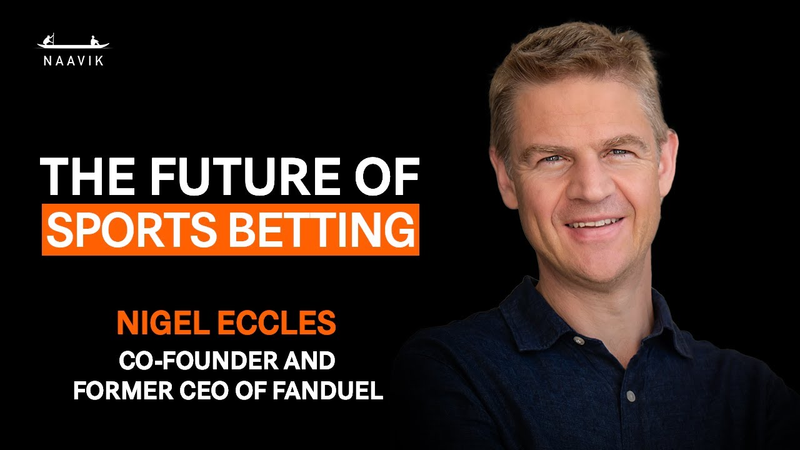
worldclass live Ops product for maximizing monetization and retention and lastly the heroic Cloud to provide massive scalability after nearly 10 years of operation thousands of Studios trust heroic labs to help them focus on their games and not worry about game Tech or scaling for success to learn more and reach out make sure to visit heroic labs.com or check out the link in the show notes now let's jump into the episode hello and welcome to the Nova gaming podcast I'm your host Nick oori today we have an absolutely fascinating episode lined up one I've been looking forward to quite a bit we are diving into the intersection of innovation controversy which we don't often get to do in these podcasts and the ever evolving world of gaming and sports Tech Our Guest is none other than Nigel Eckles the founder and former CEO of fandel which is with no exaggeration I'm sure you'll agree listeners one of the most revolutionary Platforms in fantasy sports history Nigel's leadership help Fel Define and dominate The Daily
fantasy sports category but his journey wasn't without its challenges from navigating legal battles to leaving FanDuel amid a high-profile lawsuit his story is one of resilience and reinvention and I am absolutely delighted to have him on the Pod to talk about this he is now also leading a new Venture called be hog.com which promises to disrupt the gaming landscape once again in its own right so today we'll explore Nigel's thoughts on the Fel lawsuit the future of betting and gaming and the lessons he's carrying into his latest entrepreneurial Pursuit with B hug Nigel welcome to the Pod ah thank you thanks having on all right well we're going to get right into it then we always start with our guest backgrounds and there is uh probably no no more interesting person on this pod that we've had than you so why don't you tell us a little bit about your journey into gaming uh where you came from and then how you ended up founding fandel yeah absolutely yeah so I have been in the online gaming world and by that I mean real money gaming uh since about 2000 um I was a product manager with flutter.
comom uh now flutter. comom um was a a startup in London that was try to create we we just called it eBay of gaming where eBay of betting where you could bet with each other um and that didn't really work uh and so we ended up mer we ended up relaunching as a a betting exchange and we merged with bet fair and cut a long story short the company today flutter entertainment is the product of that merger of flutter and batfair in 2002 um I stayed at batfair for a while then launched another betting exchange called BAC in Dublin and then uh did some more went into consultancy for a bit and then launched FanDuel well actually H started the precursor to fandel was a product called hubub which was a prediction Market which I had to explain to everybody for the last 15 20 years what a prediction Market was and now I don't have to do that anymore it was actually very like poly Market um and very successful in the 2008 election
uh and then when the election happened you know suddenly Interest really tapped off very similar to what poly Market is saying today um so summer of 2009 as you know interest in prediction Market was was tailing off we pivoted and became FanDuel launch FanDuel 2009 grew it 3 to 5x every year for um you know very very rapidly uh and then ultimately left FanDuel uh just about the end of 20 17 and then since then I've done uh about five uh other startups uh mostly in gaming uh but a few others in like social media and um and and uh and in the music space uh but my big passion has always been sort of it's all consumer but it's usually speculation and it's often real money gambling nice nice yeah I mean once you find something that you're both good at and have a passion for you know there's better than
doing that and then you just kind of find yourself having to start things over and over again and I feel you I have not been as successful as you but nonetheless have a similar uh passion for for gaming as well and and starting new things up um okay great so let's now talk about fandu um uh you know there's a big story behind it um but let's start with the founding story really you know what where did F youel come from other than the fact that you had to kind of pivot away from the prediction markets that was the start so the very start was the idea that we were creating this prediction Market um and the the idea behind it was we felt that the internet was quite flat and boring and we sort of felt that we could make it more exciting um by allowing people to sort of bat on new stories um and because at the time online batting wasn't available um we we were using a sort of play money model um in sort of started 2009 it became
clear that that just wasn't we weren't going to get to scale in that we weren't going to turn that into a business and so we looked at our product we said look we're good at building prediction games but there's not really enough demand here um there is an existing framework for fantasy sports there isn't for sports betting why don't we become more of a fantasy prediction game um and so we spent a lot of time looking at fantasy sports there was five co-founders of the company none of us played fantasy Sports It's kind always a funny thing like that blows my mind right we didn't actually play the game and we didn't even really follow us sports but we sort of we could as an outsider look at the games and go you know wouldn't it be better if and it and wouldn't it be better if you could just start at any point in the season like that was like a very simple one why do the games have to last so take so long right like why can't we just play this weekend why why isn't there like proper prizes these prizes suck like you you you play a game for six months and
you win like $100 um and then the last one was like why can't I play on my phone that was just and that was our simple set of thesis and like I've been in Rog and lots of sort of ideas but that one we were 100% right there was just like there was people love fantasy and the idea that you could take something they love and make it faster more exciting give it real money and they could play it on their phone was just like yes yes and definitely yes and that was the the origin story of F nice nice and of course I mean we we we take it for granted that you know these devices that we all have here are ubiquitous today but of course that was 2009 right that's right yeah iPhone had just launched you know right exactly iPhone had just launched and the App Store was in its infancy and um you know there was really no way to do engage man C Sports other than sitting at a website and spending a long time doing your picks and all that kind of stuff so you know I think we forget how revolutionary it was at the time um tell me a little bit about so obviously DraftKings um actually I have
to apologize I don't know the exact timeline of Fu V DraftKings but of course those were the two big names um that's right tell us a little bit about about that and the Rivalry yeah they didn't they didn't so we actually had the industry was always very competitive from very early on our main competitor was draft Street um and DraftKings didn't launch in two until 2012 uh they they were a copy like you know like they i i i they don't know if to admit it but like they were a copy um but they were a very good copy uh and they um they basically you know by 2012 when they launched we were already like you know our code base was already like four or five years old and so they sort of caught us at a point where our product they were able to copy and be truly a fast follower um we were like sort of slowing down because we had the spaghetti code code base and so it took us you know it took us they they were able to innovate very quickly whereas we
weren't anymore H and that was definitely a big challenge they also raised a lot more money than we did so they like came out and rais like they would raise twice as much money as us and so even though we had this Head Start and we were more efficient they were spending a lot more money and that was kind of the from sure of 20134 15 you just had this incredible war between those two companies because they were desperate to get to being number one which is which we're fuel obviously when we were when they they launched yeah yeah okay and I think obviously one of the things that that I have steered clear my entire career in gaming is regulation uh because regulation and Regulatory environments can be very tricky to navigate and timec consuming and painful and I I don't like those kinds of environments but some people seek them out so tell us a little bit about how you were able to navigate that space obviously was new what you were doing was new we just very new uh how did regulations come into play and how did you navigate that environment it's an interesting and it's actually
not unlike crypto today in fact it's very like crypto today which is there there was no regulation for fantasy sports right there was no there was there's laws um there's uh there's laws around online batting or batting which applied online there was laws for games of skill generally games of skill were legal generally games of chance were all illegal or you had to be regulated but you couldn't offer sports betting because it there was you know a federal law against it and so uh fantasy sports had in nearly every state been considered a game of skill and so we operated within that now generally considered these are not legal terms like there's no regulator there's no and there wasn't even any person you could go to and say well what what defines fantasy sports right like that was really like an opinion everybody had a lawyer and said this is fantasy and so we operated under the definition and the under the unlawful internet gaming
Enforcement Act which is a federal law it didn't have a weight of law but it had a definition so we sort of said like as long as we're like that and I remember it said that it had to be dependent on more than or had to be at least two events and so you were like okay you picked players across two events so some lawyers who were conservative who were like no it really needs to be like five or six and I'm like it says to you know so you basically had to like sort of kind of make it up you had to be like look it's you know we needed to be skill-based like so if somebody just convin and picks a random lineup then that shouldn't really win um and so that was fine until we really started get to scale by 2015 you know uh fandu and and uh DraftKings were doing like hundreds of millions in Revenue uh we had you know we were advertising very heavily on on TV so suddenly everyone's like how is this legal um and and and and there was a sort of like well this isn't fantasy
sports like fantasy is you know the one my husband plays that you know he goes to a bar with his buddies and this new type is different right um and so that became and what happened is we sort of brought what came was a sort of regulatory explosion like suddenly everyone's like we need to do something right um and that that became so 2015 2016 through through to 2017 mostly 2015 2016 sort of very challenging period where you know we're in front of uh attorney generals who were facing like Federal level investigations about what we're doing like we've been operating for at this stage nearly 10 years without issue but suddenly they're like well you know we're not happy about this and very famously the New York attorney general sued us to uh forces to exit New York um and uh that created a lot of drama and
ultimately we were actually very successful we actually had the law clarified in 22 States in two years um so we went out and said right you know people in New York want to play fantasy sports like it's this is ridiculous that you know the Attorney General can just decide that this hobby that's loved by millions of people is illegal uh based on no weight of Law and so we went and to the legislators and say look this is super popular you know why don't we get a law clarifying it we we we want consumer protection we want the industry to be regulated let's just pass a law clarify it and we did in New York we did it in 21 other states nice nice well and congratulations and thank you on behalf of all the the millions of fantasy players in this country um not as similar to crypto I mean you you already made the connection there you know it was uh kind of came out of nowhere suddenly exploded into popularity not to similar in the sense that you know it's young men who are excited about about you know working in this space uh and
and uh kind of speculating to a certain degree um what what parallels do you see beyond that uh you know with the current situation I know you're actually working in crypto and have worked in crypto for good amount of time and we'll talk about that in a second with be hog but but tell me a little bit about kind of the the macro level yeah what you're seeing so a lot of crossover uh a lot of people that I sort of became friends with in the DFS world have come over to crypto um it's uh that's number one it it definitely attracts a sort of a a risk-seeking you know young male demographic um it's it's definitely much bigger than fantasy sports like because a global phenomena it's um uh and it's also a platform on which you can build really interesting products um and so much sort of like deeper it's a much bigger ecosystem but it actually has a similarity in that it
doesn't have relevant laws today like sort of looking at it like the one of the problems is um you know the current Administration the outgoing Administration thankfully has sort of taken the view that no we don't need any new laws it's all totally clear and by clear they mean everything is illegal everything apart from Bitcoin and ethereum everything else is illegal and and they used to say that ethereum was essentially legal as well and in effect anyone who operated in the industry was breaking the law and what does that mean fines you know maybe prison like we don't know um and so you have operators like you have like operators like coinbase which has gone public has an army of lawyers trying to keep them compliant with the laws but the SEC is suing them saying that they're breaking the law and not even being clear about what laws they're breaking just like you're breaking the laws and saying
everything you have on here is security and when it coin beas says well can you tell me what the definition is of security and where point us to in the law like they won't do that and so it's it's been sort of the most shocking for me which is to see a US Government Administration basically just try and kill an industry and that's effectively what they try to do they've done it directly and they also have done it indirectly through what's known as operation choke point 2.0 where they basically debanked uh both people and companies um we also saw that in gaming uh where you know it wasn't like it wasn't a government agency doing anything directly but suddenly you lost your bank account and once you started losing your bank account a lot you started like wait a second why is this happening and it's because there's government agencies behind it said we don't like this and we don't have any part to stop it apart from we can lean on the banks and the Banks because they
want to have to keep a banking license they have to comply and so that's what we've seen in crypto but we also we we saw this we've seen this in gaming for the last 20 years um so yeah it's uh so lots of sort of similarities the industry I think everyone within crypto after the election it was like a massive s relief because it the new Administration doesn't even have to be good it just has to be not the last one um the last one was terrible for the industry and and push a lot of people offshore because they're like hey why would I stay in America whenever like they are actively at war against this industry yeah yeah I mean being unbanked is I mean even though theoretically you could use crypto for payments I mean you still can't operate it you can't operate like how do I how do I pay my employees how do you yeah how do you pay your employees how do you convert to fiat currency you need you need some kind of on-ramp and off-ramp and if you don't have a bank account then well that's it that's choke point is a very apt uh term we actually did we've never done a
emergency podcast uh at novic but we did our first emergency podcast um when the SEC went after nfts an open C and that was the moment like for me I was just like this is madness like right why why are you going after digital Collectibles and calling them Securities like that's that's mental right so the thing for me that I don't just did not understand was who was the constituency that they were trying to serve right like if they protect right I mean protect ostensibly it's about consumer protections which in and of itself I'm like I'm all for but who is being harmed where is the harm yeah and and what in what way were there what they actually did did they actually protect any consumers because all I saw was they just pushed fraud to the margins and they didn't investigate any of it and so you know over the last three four years and when you work in crypto like it's not worse it's just like like all this bad behavior all the
fraud and rugs and you're like why is why aren't they looking into that like why aren't they stopping that like so that that goes away instead they're suing Unis swap coinbase you know opy like that was just insane yeah yeah I mean the lawyers you know I've worked in web 3 and crypto and have been long on crypto for a very long time got well not as long as some um but 2016 is when I first got into crypto and got red pilled a little bit um you know there has been so much bad behavior which is rightfully condemned yeah but a lot of the time that doesn't get to your point that actually doesn't get addressed what gets addressed is the bigger players who are actually playing clean because the bigger you get the more clean you kind of have to be by by definition because you have customers you have employees you have constituencies that rely on you and so ironically enough the big players like coinbase who are actually operating by the book essentially whatever book exists are the ones are are you know the government's going after and the ones that are actually causing the harm and
doing the rugs and and the scams and the and the and the crime essentially they're getting away with it anyway we could do an entire other episode about this but but let's let's move on to because it is there's I I wanted to call out the similarities because again this is your career is is essentially operating in in this environment and doing so very successfully so I'm excited to talk about bed hog in in a second but but let's talk now about the fandel lawsuit um I'm absolutely fascinated you have a front row seat I've had a front row seat um uh tell us our listeners may not know I mean they they probably know about the lawsuit but they may not know the details so let's start from the beginning what happened and where are we at now because it's actually in the news right this very second like this year there's finally some kind of movement yeah no there's there's a lot of developments at the moment so essentially uh where the law so stems from whenever you start a company and start raising money um almost always your investors uh have a different class of shares it's usually call it like preference shares and what
it means is that they get uh they get their money back uh plus upside right um and in a scenario where you sell the company for less than the money going in they just get their money back or get whatever you know cents and the dollar of their money back and it's just kind of an accepted practice in this in the industry that they're like look why should why should Founders make money in a scenario where the investors are losing money right that's that's that's kind of the accepted practice and and fill was the same so we raised uh by 2017 uh no 2018 we had raised about 450 million and so we had uh what's it's called a pref stack this is the first amount of money goes to the investors we actually had a pref stack of 559 million because some of the money we had raised had like special interest in special terms so 559 million that's a good number to remember because that comes up
again in the story so if we were to sell the company uh if we were to sell it for under 559 million the investors would get whatever it is if we were to sell it above um the uh investors would get that first 5 59 million and then we would share in the upside with the investors and by share I mean Founders employees and then some seed investors who were common shareholders as well sort of you've got common shares and you've got you got preference who get paid first and then you get C so that's kind of the the the sort of first part and just everybody listening like that is extremely common that is almost almost every single Venture deal in the entire world but certainly in the United States especially if it's done from Silicon Valley based kind of law firms that's the structure you're going to you're going to totally normal so it's not not abnormal in any not abnormal in any way a shape or form um the second thing then is uh by sort of early 2018 uh Van's board so the founders had left to come play by the stage um and
remember that's uh like over 10 years after we had started it so again not that unusual um but the board was dominated by late stage investors uh so representative of firms like KKR and Shamrock um and only really one a couple of Independents um and then only one investor who was representative of the early stage investors who might be more in lined with Founders and employees and that's important important because what happened at the start of 2018 was um the board was like look this company still wasn't profitable um they wanted to go into a merg or a structure where they would have upside of sports betting because uh sports betting as this point had not been legalized but the Supreme Court had agreed to listen to the case and there was a you know pretty High expectation it wasn't certain maybe it
was 50/50 uh that that sports betting might get this law might get repealed and then the states could start offering sports betting and if they did everyone knew that it was going to be a huge industry we we had known it for years that like if sports betting becomes online us is going to be the biggest Market in the world very quickly um and so so the boards thinking okay how do we how do we get maximize our upside but minimize you know the downside so we don't to put any more money in and so what they did was they uh ran a process and they talked to flutter. or flutter uh entertainments uh and said hey you've got this us division uh which is a reasonably big business uh it's mostly in horse racing why don't we merge the two and uh and you put in I think they put in 160 million at the same time um so they did that and then they spent a lot of time negotiating the relative values of the two companies
and say well this is a little bigger but you're putting in a lot of money and so what they settled on was that uh fand shareholders would get 40% of this new company and the flutter entertainment share flutter entertainment would get 60% okay again totally normal um and actually a very good deal a deal that made a lot of sense because flutter is you know one of the largest Sports books in the world tons of experience and operations um they brought all of that expertise FanDuel brought brand customer Bas and you know a 500 person team you know of Engineers marketeers so a great combination particularly if sports betting gets legalized so that's the first part this sort of General 6040 was a great but not finalized but it was a great during that process what happened was past was repealed paspa was the federal law that said the states can't
offer sports betting everyone immediately knew wow sports betting Assets in the US are you know are going to be rocket they are super valuable and we saw not many of these companies are public but one of them the score for example which was public which was purely focused on US and Canada it share price went up like Sixx overnight um flutter entertainment share price and they didn't have a big exposure to the US very small at this stage um I think they added like two billion three billion overd right uh DraftKings what a company that was essentially the same size as us immediately raised at a $ 1.5 billion valuation so here we have all of this evidence that yes everything here is super valuable the question is what's the value of that 40% what's the value to fandel shareholders of that 40% let's go back to the pref St well if the
value was uh if the value was say under 559 million well all of those preference shareholders and remember the board rep the board uh the the people on those board are actually from all those preference shareholders right um if it's under 559 million they get all of the upside that 40% goes all to them if it's more than uh 5 59 they have to share it with the common shareholders right they the employees the founders people in the building people who've worked there for 10 years sitting in the building they would have to share it with them and so how would you how would you find out well there's lots of ways you could do it you could you could go to a banker um you could uh you could or what you should do is you should say look this board is conflicted on this question we're going to recuse anybody who's conflicted and then we're gonna have a board vote on you know on this process we're going to do a shareholder vote
because wait a second we're all conflicted we can't we can't like negotiate with ourselves that's clear conflict of interest and one of the really important things in corporate governance in the UK in the US really anywhere in the world is the board members represent the interests of the shareholders they can't be in there sort of lining their pockets like that's just a very principle of of uh English law that they are there representing the interests of shareholders and so what did the board do well what the board did was they decided that the value of that 40% was exactly 559 million suspicious huh suspicious right where did that number come from a little bit a little suspicious a little suspicious and and that's essentially it that's a very simple version so what did that mean it meant that Founders and employees employees literally in the building at that point were got an email or got a letter saying the value of your Equity
the value of your contribution this company all the Blood Sweat and Tears you've put in over the last 10 years is zero now two two years later that's that 40% which they said was worth 559 million uh they sold to flutter for $4.2 billion so our suit is very simple which is this was never 559 million you did not represent the interests of the shareholders what did is you represented your own interests and you looted the company you stole company assets to pay yourself and and they did they made these investors made billions of dollars at the expense of employees like there secretaries who would have made a couple of thousand dollars that was stolen from them like you can't really put a like a clear terms in that and and and that's essentially what they did I mean this is one heck of a story and I really appre appreciate you coming here and telling I've been reading about it in the news
and I've been following this um but hearing it firsthand is is uh is special so thank you for for sharing that now where are we at now it's it's been it's been in the courts quite a while now it's been wending its way through where where where do we currently stand yeah so to start of 2020 uh I filed a Cas uh so we previously filed a case in the US uh in Scotland where the company was incorporated and said before the k before the deal even closed and said look and the case was basically stop this is this is distinctly like you know you're breaking your fiduciary duties here this is fraud like like we need to stop they went ahead with it so we refiled the case in uh in Scottish in New York Court in 2020 um uh the defendants which is the private Equity firms principally KKR and Shamrock uh filed uh a motion to dismiss
claiming that under Scottish law they did not owe a fiduciary duty to shareholders so um so that case actually uh went and for the judge the judge found in the favor of the plaintiffs US um oh and sorry the plaintiffs in this case are not only the co-founders of the company but over a hundred former employees so this is not just a case of you know Nigel or Nigel and his buddies felt bad this is everybody in the company knew the deal the day the deal was done that something really wrong had happened um and so that's why you know this is who we represent um the case then went they then appealed that decision because the the trial court uh found in favor of the plaintiffs um they appealed it and remarkably it got reversed we then took it to the New York Court of Appeals it's kind of the
Supreme Court for the state of New York which is the highest court and the New York Court reinstated in her favor and basically said under Scottish law uh directors owe a fiduciary duty to shareholders you can't sort of get out of it by saying we can do whatever we like we didn't know a fiduciary juty and that's where we're at at the moment and uh we have several more years ahead of us to actually get to court and get it heard several more years oh there's there's your justice system at work huh yes it's it's not the fastest system no no it's not um okay now let's say we get a few years now into the future it the court hears the case uh is it going to be a uh judge that decides panel jury it's a jury it's a jury trial okay jury trial okay and so what could the outcome be um at the end of the the trial I mean who sets the value at that point is is there a a formula for calculating like okay it clearly wasn't 559 million but
is it 4.2 billion is it like somewhere in between is it 1.5 billion like what DraftKings was Raising at I find that uh interesting when you ask questions that of lawyers um you kind of have to say I'm Banning You' saying it depends there is no simple answers like I I I think one of my experiences with uh the legal system is that I always sort of thought of the legal system as a very clear of rules that we all sort of operated in and what I just and and and the legal process was sort of like you know navigating it within those rules um I sort of I've revised that opinion now that it's that these things are not clear and there isn't sort of a set formula or a set process you know things it depends is is really the and so uh and so I've stopped asking that question because uh by lawyers have sort of said well it depends and uh they are sort of
like look and they also we're not really focused on that right now we're focused on getting to court yeah H we're focused on collecting all of the evidence um and you know once we collect all of the evidence once we have all do all the uh depositions and once we get it coure then that's a point at which you know a lot of those things are going to be asked yeah yeah well along the way the uh the lawyers always win though win or lose the lawyers always win so uh doing depositions is not cheap um are you funding this uh lawsuit or where's the money coming for from to pay all the lawyers because again this has to be a very expensive lawsuit yeah we we we have the means to get us all the way through so like we're all right yeah we're we're we're on track you're on track all right well I wish you the best of luck I mean whenever there's large sums of money involved you know unscrupulous uh players are going to try and break the rules or bend the rules and sounds like this is case of that yeah wouldn't the only thing is I wouldn't say that um I think what
happened to us is is actually incredibly rare and I've had Founders who've come to me and I've had friends who've had very bad experiences with investors um but this one was highly acceptional because normally whenever it's like normally when you run into situations it's like when the company is failed right like the company raised a lot of money and didn't work out and so like the ER feel screwed because there was still a chance but the investor didn't want you know and and there it's kind of a bad outcome for everyone it is so rare and to the extent that I have rare I don't think I've ever found an example where you have a company it as a phenomenal success story and the investors used a mechanism to defraud the you know the the founders and employees like that is just so incredibly rare and and also this isn't a story about invest like this isn't a story about so some people have tried to
say this is why you don't raise vedure Capital that's not the story at all because this is not typical this is about a certain group of individuals who believe you know behaved Way Beyond the Norms of business and ethics that you know I I never want entrepreneurs to sort of take a read from this and say well this is why I shouldn't read VC like that is not you know definitely not the lesson yeah yeah no and I I would actually I would Echo that obviously I've not dealt with numbers this large myself but I've raced from many investors over many companies and what I can say is that almost to a person they have been ethical good human beings who have abided by the rules and who are mostly mostly aligned with the founders and the employees if Founders and employees do well investors do well if they don't then investors don't do well either right I mean it's usually very binary so to point it's kind of it's kind of a weird situation to put it mild yeah no it is it's it's very exceptional
uh which obviously um and you know for me like a huge driver for me is that um when people came and worked for us at FanDuel a big thing was that we they put their trust in me to say hey look big part of your salary is going to be equity and and what I felt was whenever this happened was less about me but more about them which is is they were cheated they were defrauded and I couldn't stop it at the time and that was enormously frustrating and so whenever we put together the case a lot of lawyers were like look let's not bother all of them they don't you know they they're not that big shareholders and I'm like no I want everybody everybody who worked for me to have the chance to join this and almost everybody that I spoke to like some of them were still employees at FanDuel so they weren't didn't feel great about suing their current employer but nearly everybody I spoke to who was
in a position to do it joined because they all knew that they all knew immediately and they felt a similar level of grievance that I felt and and wanted to see it through yeah yeah uh well we're gonna get to bet hug in a second here but maybe one or two more questions around this uh one of the the things that uh that I'm curious about is you left after 10 years understandable 10 years is a long time and yeah and uh you know it's not that uncommon for Founders to to move on especially once you get to a certain point where it's like okay we built the company into X my skill set lies doing you know zero to one and now somebody else can run this and I'm gonna go off and do a different thing but I I'm curious to hear your story like why did you move away why did you transition away what did you learn from that what could you was there anything you could have done to prevent what happened here um do you ask yourself that question or is it is it kind of futile to do so I like you so like I I have sometimes not a lot like I
think one of the things you have to understand that is we were you know at the time s of 2008 to 2015 um we were raising money for a product that um it didn't have clear legality there was you know so we didn't raising money was not easy uh we didn't have the PE of like you know seoa you know CER a6z all sand Theus term sheet was picking the best investor um and so you know we often did we had one term sheet right um and so you know and and you know as you can see some of the people on our board like it was pretty clear to me by 2017 or certainly when I left you know it they were not looking out for the interests of shareholders employees um and you know that's that creates a pretty you know a pretty toxic
environment um and so I like that was definitely a big factor in it for me um which is uh like is this where I want to spend the next 10 years of my life um so you know that's a big factor like another thing is um like I uh and you know I laugh and when I immediately went backe into his sort of early stage startups like that's that's what I I love doing um I'm not saying that there's a a number at which I would be like okay guys I'm done this is you know this is no longer interesting to me um I you know we we'll see with bad hog like um I guess you got to ask me in a few years time like is there a point at which I'm like maybe we could get a CEO in here like I I don't I don't think so I think this is there's so much upside um in in this space that uh I I like I don't I don't make sort of plans like that way out but like I what
I will say is incredible finding team of B hog fantastic investors like if you told me that I'm going to be here for 10 years scaling this I would be like great super happy um teams like the one of the best teams I've ever worked with so like it's you know if you're if you're building cool products with people you love working with like you know nothing better there's nothing better like working with the same team for for the better part of 15 years now across multiple different companies and I mean as a Founder myself like there's nothing better than working on something you're passionate about that you are hopefully good at yeah um and then scaling that with a group of people that you can trust and they trust you so yeah I mean I I hear you I hear you Nigel um yeah no that's like my co-found one of my co-founders of bat hog co-founded fandel with me uh so we've worked together so we've worked together for 17 years now 1 years yeah and like we've got new people who've
come in uh who we've I've worked with for the last few years and it's just I think one of the things you learn like when you're a first-time entrepreneur I don't think you I like you don't realize the importance of culture enough and you make shortcuts because you kind of feel you have to and God do they buy they burden you do they really you really pay for it and it feels like it sometimes feels like your company is the accumulation of all the HR mistakes you made and there's no and there's no fixing yet I always am amazed that you know people who build like Facebook and stuff like Mark Zuckerberg like that they managed to keep it like fresh and exciting and you know or like so I that's one thing that I'm just very cognizant of second time around which is there's no you know there's the I would say fandu you know if we had somebody who was very good at one thing but
was like culturally not great for the company they would be given you know they would given the benefit of the do maybe repeatedly over multiple years and at bed hog it's easy it's like look it's you know no it doesn't work here yeah and and and it's actually meant that we have like I've just you know at our previous companies we struggled to find Park product Market fit like this was a company you know startup you know we really really struggled but as a team there was never like I I don't think it was a crossword said in two years it wasn't meant that we weren't all fighting to make it work but we all trusted each other we were all working super hard um and it was a you know as good an experience that a failing startup could be um and so that's like that's just culture and and uh that's definitely something I learned yeah I mean I think culture is so critical for firsttime Founders you know it's not about growth at all costs it's not about
Blitz scaling like I don't believe in those things that will come if you have the right team and the right culture in place and you find the product Market fit you should one of the things that I like to say to my team is it's better it's more important to not hire the wrong person than it is to like miss out on hiring the right person right yeah yeah uh it's a toxic employee or somebody like the brilliant jerk m probably heard it all that um they will they will ruin your culture like they may get you short-term results but they will absolutely ruin your culture and then you pay you pay for you pay for 10x yeah absolutely and also the other thing I would just say like I think I've learn I haven't learned it as as badly as you have um but you know your board matters who's on your board matters is so critical and I know that first-time Founders are so desperate to to get that that you know term sheet they don't actually think about who they're bringing on to the board they just doing whatever they need to do and they think it's going to be fine down the line it isn't yeah you know who you bring on
your board and how much control you have over your board is absolutely critical yeah it's actually interesting when people ask me about up you know what matters more terms or valuation and I'm always like neither of them like neither of them I said the only thing that the the first thing that matters actually I would even say the thing that matters more than the person that's going to join the board is the fund that's going to invest in you because sometimes board members change they change all the time yeah especially if you have somebody who's not super if that fund doesn't have a good culture it's going to be it and it it can be a death sentence for your company and I've seen it so many times um and I'm like you know if you optimize for like a 20% higher valuation and you have the wrong fund behind you it's you're gonna regret that for the rest of your life yes um and so that I I always sort of like you know fortunately at it's certainly at se
stage um I would say the vast majority of funds like certainly any ones of any sort of brand name they're good they have the right intention there's like a long list of them when people ask me for like references about different ones I'm like like you know some of these are brilliant some of these are funds that I love and I really know them really well I know the partners but I said like vast majority of them are good and and you know that I think they'll be really supportive it's you know it is a real rare you know one or two that you're like yeah I wouldn't admit I wouldn't RIS from them okay well this has been absolutely uh amazing and and uh I've just really enjoyed listening to you and I know our listeners will as well this is a really interesting rare chance to C get a firstand uh you know Courtside seat uh into something that's still ongoing and and so many Lessons Learned here there's a lot of lessons here for for f especially first-time entrepreneurs but even experienced entrepreneurs and founders um about what can go wrong even with the best intentions and even with
strong Founders and strong team in place um so I thank you for sharing the story and I really appreciate it okay well let's shift geers now um be hog uh we spent a lot of time talking about Fel OB there's a lot of lessons learned here you're probably GNA do differently at bet hog so what is BET hog and uh what are you what are you working on yeah so B hog is a is a new crypto Casino uh that we launched last month um a very simple thesis a little like FanDuel right like we were just like we were like when uh sort of late last year when I was sort of looking at um online casino and one of the things that surprised me was uh what we've seen over the last five years is the emergence of streaming um social and betting have been something that's been talked about for ever since we've had online betting and one of the reasons it's been talked about is offline betting is a very social experience like and I always SED joke that like no one goes to Vegas on their own right like it's or maybe they
do but it's it's not how most people do it right it is I used to have to do that I work in the Social Casino space um and so I had a there was one year where I went to Vegas 12 times Always by myself oh and Vegas is the Loneliest place on on the planet yes to be by yourself because it makes no unless you're a degenerate Gambler like it makes no sense to be there by yourself no it's awful i' I've I've flown in there and gone to bed at 9:30 I'm like exactly book there's literally nothing to do other than socialize and if you don't have anybody there to socialize with anyway yeah don't get me started so it's it's a it is a social experience like you know go to the race course in the UK I always joke it's the only place in Britain you're allowed to talk to strangers um like it's you know because it's a fun experience you know people are you know out having a good time and and they they talk to strangers um but online it's totally solo right like if you're on a like I always joke with the the the betting apps the sports betting apps they're like inspired by banking apps I just want to get in get my
transaction and get out and casino it's totally solo it's just you in front of the screen and you're playing and one of the things I thought was really interesting over the last five years was streaming just to become a huge phenomena for well originally for video gaming but now for uh real money gambling and what I thought was interesting was that the games themselves hadn't aaed so um you would be playing it and You' be streaming with your fans and they could maybe chat to you but they couldn't participate in the game they could just watch and so we basically said well isn't it weird the the the the this whole social thing has been built around this but the games haven't changed we're like why don't we build the games with the streamer in mind like why don't we build games with the streamer is like oh that'd be cool if I could do this and so one of the and one of the first titles we have is a great example of that it's a a title called hoger hoger like the name suggest like Frogger
uh but it's a pig uh and the the the challenge of the game is to get the pig across the road and somewhere randomly the pig will get squashed you have to decide to exit before the pig get squashed um it's a game format it's a crash game format that's actually not that uncommon in uh in in crypto casinos but the the twist we brought into it was we let the streamer share their game with their fans and then they can jump in behind so they're betting on the C game fasinating so basically the streamer is not in charge of a whole whole ship of you know whole group of people their money's writing with the streamer and so uh and one other thing is the the the group that are betting on they can also decide to exit early so if they get a little bit like I don't know I think you're going a little far I'm getting out and what what'll happen the way we do it is the every person who
bets on the streamer is represented by a little Piglet and say what you see is the hog and then all these little piglets coming p in behind the hog and uh and it's it's hilarious and it's really fun and and you're like when you start playing it you're like why are all games like this this is so much fun and then you have the streamer like starting to like get worried that he's got carried all this responsibility or you get or you'll get the the the fans actually all bailing on the streamer um and so it creates so much of Rich entertainment and we have other titles like that where basically you know in real time the streamer and the audience are playing together and that's kind of we're trying to recreate the online social experience online and so that's what we're trying to do so that was that's one of our big thesis nice well it sounds like a lot of fun um yeah so how does the betting aspect of it work then so you you've got uh the streamer yeah you've got the fans and
then you've got some fans are participants so there's like almost three buckets of of yeah so the streamer can put you know what put down a betat $5 $10 $100 on on on their hog the fans then come in behind and then they put down a bet as well as the hog goes across so maybe the first Lane will pay uh 1.05 so times so like if you put on $10 you would get 50 cents they could they go forward One Step generally they'll get it and then they could exit they could say oh I won Mone I want money good let's go home uh but generally they'll go no let's keep going and then at some point they start to go oh I don't know starting to get kind of risky and that's the point at which they cash out if they go too far everybody loses their money so that's the challenge that everybody's playing it's like what is the point at which I jump and what's the point at which I I stay so how do you uh balance a game like this uh I mean you're going to have to
pay out I presume so yeah so we we there's a built-in margin into the game uh so I think for that game is 3% um so the odds that we offer build in and the probability that they that that happens just builds in the margin got it okay so it's basically like uh if you were to use a slot machine analogy it's like cor7 RTP return to player that's correct so it and that's a game of pure chance uh we do have another title uh which is called huddle tournament uh again it's a fun game that's very social we there's actually we run a game every day at 1200 noon Eastern um the way it works is a user turns up uh they buy in the one at 12 noon is free so you don't even have to buy in but basically you get $100 in play money and what you have to do is we will launch 10 meme coins and these meme coins this is a really fun game but the the meme coins will randomly go between 1 and a
THX and as it goes up you have to decide it's not like hoger you have to decide when to take your when how much to bet on each one and when to take your winnings um but the Twist on this one is it's PVP you're competing to have the most money at the end of 10 runs and so in that game um there you're actually competing with everybody else in it and it gets really interesting because if you start to get ahead you start playing more conservatively because you're like well I'm I'm in the lead I don't need to risk anything whereas if you're behind then you start going all in I'm all in on the next coin wild bets and it creates the sort of incredible Dynamics where you know some people like you like you see a lot of people chatting beforehand like what's your strategy and everyone's like I'm going big early big early is definitely strategy some people like a big bid game big late game is bad because unless everybody's blown up then everyone's going big lit game and so you're like so you kind of have to like
pick your strategy um so it's kind of it's been a very very funny game to watch and it like it runs every day night and what are the so you said that one is play money so that one's not that one's Play money to no so you buy in it's more like a poker tournament you know you buy in a poker tournament you're like here's my $100 give me my chips and then I'll win the prize money at the end so that's play hodle tournament works like that got it okay and what are the uh legislations that cover this category so uh we're licensed internationally um but we we don't operate and we geoblock us UK most of Western Europe and so we're operating in Latin America Far East Canada outside Ontario so a bunch of places that and that's where we operate today certainly are aspiration is laterally to come on short like have a product in the UK to come into certain states in the US uh to launch in Ontario that's what we want to
do but at you know at this early stage we wanted just the speed at which been able to we can launch new games test them see if they work you can't do that in a regulated market because every new game takes like six months of testing and review Etc and so we want that speed of of proving these games and then at a certain point we're like right okay now we're ready we can start to come on shore yeah yeah so essentially finding product Market fit as Qui as you possibly can almost like being in soft launch if you were to use a correct kind of a gaming analogy like soft launch in New Zealand and Australia and then finally you'd eventually you know fix all the bugs and tweak the game and then boom you're ready to go big okay that makes that makes a lot of sense now um you mentioned poly Market obviously poly Market was heavily in the news um for this election um and sounds like their interest has waned off a little bit um not surprising yeah uh but of course poly Market is being looked at just like with a lot of things in in crypto and
and Bing and what have you reg markets for the relative ease with which you can kind of get around the Geo blocking just simply using PPN um is that something that's on your mind what do you what are your thoughts on that both for yourself but also in as it relates to poly Market yeah so like I don't know the details of like poly Market um like they geoblock the US I'm sure in the terms that you said you weren't in the US um uh but I he didn't really do anything else like I don't think he didn't ask for address um or do any kyc um I don't know whether they knew they had users in the US I like I just don't know like I know the company um and I don't know what they're in effect being charged with um you know it's very clear that you know they shouldn't have users from the US and that's very the same for us and we we try to do everything we can to ensure that we don't um so we we we have VPN protection uh it's in our terms uh
we do uh different tiers of kyc um and so it is important like the US like every country has laws and you want to be compliant with it um and so yeah like it's sort of you know like I can't really State about what they did but I you know just given the level of interest that they generated in the US um you know I think there may be questions about like were they actively marketing to the US did they have knowledge that people in the US were coming and and using it um so I suspect that's what's being looked at and certainly for bed Hog's perspective we do spend a lot of time trying to make sure okay we're we're geol blocking the us we're not we don't want to be signing influencers are in the US we don't you know we want to do all these things to try to ensure that we don't aren't getting users from the US and so try to do as we can there got it okay um at what point are you then thinking and
maybe you can't predict the future but at what point are you thinking okay we've got pmf in these markets here we're ready to test it out with a more regulated environment we're ready to spend the time and the money the you know influence campaigns Etc to try and become legal what is your first Market what are you looking at as kind of the easiest air quotes easiest uh low hanging fruit yeah well so one of the big challenges is there isn't a single regulated in the World Market in the world that I know of that allows you to take crypto yeah which is kind of crazy right like you know and then people and it's amazing when you talk to people who say well yes because it's Associated criminality and money laundering and I'm like yeah cash is kind of the best thing for moneya laundering like crypto is terrible like you know the fact that so many people are caught for it it's on The Ledger like that's the whole point of it so yeah so it's kind of um and but it's you know like I will speak to like you know regulators and and you know you will hear that repeatedly being said and
so you definitely feel that we have a longer journey to educate them and say look this is terrible terrible technology for money laundering um people have like what coming to close to4 trillion dollars in assets and you're saying that they can't do use it to do something that they should be able to want to do um also crypto does just because it's crypto doesn't mean you can't have kyc or you can't have any money laundering like you can't have all of those things and so um yeah it is certainly a bit a little frustrating today that none of the uh none of the regulated entities because we really want you know would we launch in a jurisdiction where we have the product but no crypto maybe but I just wouldn't be as excited about that like I I do think that crypto is very deep in our ethos that you know and that we would want people to be able to play with crypto like one of the big things is like when people deposit with us say they deposit
in salana we keep it in salana so if salana doubles tomorrow your account balance is double um most people in crypto do not want to hold US dollar like that's the whole point and so um I think I think we would love to see that The Regulators start to embrace crypto and realize like it's just money people should be allowed to deposit with it like I'd say if in three years time that hadn't happened I certainly would be very disappointed but you know maybe we would have to start to say well maybe maybe the crypto isn't as important as the the games we're building that are so unique and fun that we absolutely should bring them into regulated markets and you know have to accept that Regulators are just not going to embrace crypto yeah is just to clarify is crypto the only way you can bet yes it is it is okay okay but we do we take stable coins like usdc yeah sure but I me you still have to you know you have to figure out crypto yeah yeah yeah figure out crypto yeah and not very exciting if you're in
crypto like coins are kind of like what's the what's the point it's like not alcoholic beer like why anybody want that yes exactly uh okay so that's interesting uh do you have any plans to to add cash just you know we will do in time yeah we will uh we will do like right now I'd say our user BS are all heavily into crypto and so it's not being no one's asked for it not hey I want to spend I don't know what they use Niger I want to buy yeah like no we've not had anybody ask but like at time I I can see it I can see it happen interesting okay one one of the interesting things on that is why crypto casinos one of the reasons crypto casinos make so much sense is when you're an operator one of your biggest issue is payments like just actually like even within the US like you look at FanDuel obviously regulated operator you know has like checked every box in q1 of this year they reported that 12 and a half% of their revenues went to payments which is insane like
the fact that visa and MasterCard get to take 3% of every transaction in the world right like and it doesn't like we like well why is a a $10,000 transaction why is it cost $300 it's the same to them that a $10 transaction is but it's because it's a duopoly like they they they charge same amount and so one of the I think amazing things about crypto is like we get away from the that Legacy payment res and we get to payment reels where we actually have a direct relationship with our customer we give them a wallet address they send the money to us we don't have to interact with any third party who charges it like it exorb AMS of money and so that to me is is the one of the incredibly exciting Parts it is although I would just say that um having just uh sold a little bit of Bitcoin uh and uh convert it to Fiat on coinbase they also take oh they do fairly Hefty fairly
juicy fees so you know for yes while the actual transactions themselves as long as they're on chain is totally as long as you know and that's the problem is if you if you're if you stay on chain you're great it's when you start to touch the traditional payment rails that then you get absolutely hammered yeah exactly and for better for worse I mean that that's the system we have today you can't you cannot live your life crypto alone you cannot go and buy milk at the store with crypto so at some point you have to convert to Fiat and at that point that's where everything gets expensive and slow and painful and what have you so so there's a very funny uh I remember a very funny quote years ago and said if the finance sector's job was to service industry and consumers and therefore surely as they get more efficient it should get smaller and what we realize is it's it's not the job there what they view their job is to you know extract rent from everyone like my
bank views it as how do we extract more rent for me for holding my money uh which is insane right like uh and and that's and and that's I think crypto what its opportunity is to actually totally undercut an industry that hasn't been acting in the interest of consumers or business they've absolutely been acting like with in their own interests and their success success the sector underlines that their success extracting rent yeah and I mean if we want to go right back to the very beginning of our conversation the reason that crypto has been under scrutiny by The Regulators is because they're in the pockets of the bankers of you know the the Legacy players who've been around for as long as the financial system has been around the way we know it they're the ones who still continue to extract rent and just get bigger and bigger so so yeah it's full circle um so let's let's see what happens with this next Administration and let's see how how things unfold um okay well we're coming up to time here um but I did want to
have one more question on BET hog then I have just like a final fun question which I ask all of our guests given that we gaming podcast um how are you f like how are you planning on growing right like distribution is is always hard for any game um you know you're you're operating in jurisdictions and countries that you presumably don't have a huge amount of experience in right um where does the growth come from yeah crypto is notoriously fragmented it's all over like it's very hard to Target Mass consumer adoption so what are you guys do about that it's actually quite straightforward and and it goes back to our product which is our product started with marketing in mind like we started with the channel which is streaming and we started with uh we want to build products for these guys streamers and in a lot of ways I actually said our team and said don't think of the end user as a customer think of the streamer as a customer we're building great products for them we're going to get end users that's fine but let's build amazing products for them no one else is doing that no one else is thinking about them they're just giving them the same slot
games that everyone else gets we're like why don't we build the products for them and talk to them and have a really good relationship there so then that if we if we do a great job there marketing solves itself because they have an audience they they marketed it I like that I like that approach and it's actually really interesting because streamers crypto bedding they kind of go hand inand I mean that's your that's your male younger male inat surprised that nobody hasn't it's one of those things where it's like huh like why hasn't somebody thought of that so yeah which is two which means two things can happen one is that we're Geniuses and everybody in retrospect will be like wow like they're genius oh I say three things they're they can say they're Geniuses second one they'll say it was obvious right whenever everybody's doing it's like it was obvious and the third possibility is it told totally fails of course it's it's like we we like oh there wasn't something there uh okay of course I mean
we're we're hoping it's a or b yeah yeah well as with anything new it's you know you just you just never know so sometimes it might just take time I mean Bitcoin was launched what 09 0899 financial crisis only now are we kind of talking about it kind of in the mainstream sense um and it's obviously had his ups and downs in crypto along the way um okay well with that we're we're coming to time so my final question to you and I ask all of our guests given that we are a gaming is what three games are you playing right now can't be your own or are you very excited by uh by an a coming game okay so number one we mentioned it we're chatting before uh polyopia so I'm not playing it right now because I've had to delete it and that's a sign of a of a really good game yeah uh it's I just think it's got a very great balance of of strategy um the games aren't too long it actually plays very well on the mobile platform and so I definitely would have politopia this is like my Desert Island games um a game
that I am playing last night I actually just started playing it last night is uh Marvel's Rivals oh uh which is uh it's is kind of like a reskinned OverWatch uh I used to play a lot of OverWatch back particularly during co uh and so I played uh Marvel Rivals last night with my son and and it's it's a lot of fun it's it's a it's a and if you play OverWatch you immediately get it you're like okay it's got payload it's got six Fe we got healers we got tanks um so it's it's quite a fun title then my third one um that I actually play today the biggest one is probably chess uh which I play on chess.com chess.com I like it's metagame like it's got a daily puzzle it's got like an instant PVP um that's a that's a that's a pretty big one and I I like the I love the snack element that can instantly get in it actually for me is it got a very similar game Dynamic to clash Royale and
to me Clash Royale was a game that as soon as you finished you're like I want to play again you're like oh I lost and I should have won I got to play again and I F the chess I play Blitz chess I'm like you know three minute Games boom and If I Lose I'm like straight back in it again so those would be my three nice a very eclectic mix I appreciate that and uh eclectic mix usually means uh good generalist so uh at business so let's let's see so I wish you all the best with with bet hog it's a really interesting concept and a really fascinating one and kind of operating at the at the Forefront of lots of different things you know not the streaming is super new but like you know it's still not mainstream it's still not like you know Boomers like me certainly aren't really that streaming so um okay well Nigel it's been an absolute pleasure I've really enjoyed this conversation I really appreciate you being so forthcoming and open about you know what's going on the fuel story is just a fascinating one and I know our listeners will will absolutely love it
as well so thank you and I wish you all the best and I want to have you back to talk when there's more developments either on BET hog or with f okay great thank you all right and then of course as always a big thank you to all of our listeners we'll be back next week with more conversations insights and stories from the weird and wonderful world of gaming so feel free to send questions guest recommendations and comments to me at nn. until next time friends take care keep playing [Music] if you enjoyed today's episode whether on YouTube or your favorite podcast app make sure to like subscribe comment or give a five-star review and if you want to reach out or provide feedback shoot us a note at podcast nov. or find us on Twitter and Linkedin plus if you want to learn more about what navic has to offer make sure to check out our website www.nic.edu to learn about our wide ranging Consulting and advisory Services again that is www.nic.edu
[Music]
Auto-generated captions from YouTube — names and numbers may be misheard.


















Comments