Key insights
6 slides
The core issue
Rockstar Games faces project delays and labor disputes.
Rockstar Games is experiencing operational instability in late 2025.
Operational friction. Rockstar Games is facing project delays and labor-related union disputes.
Regulatory pressure
Steam navigates compliance with Russian censorship laws.
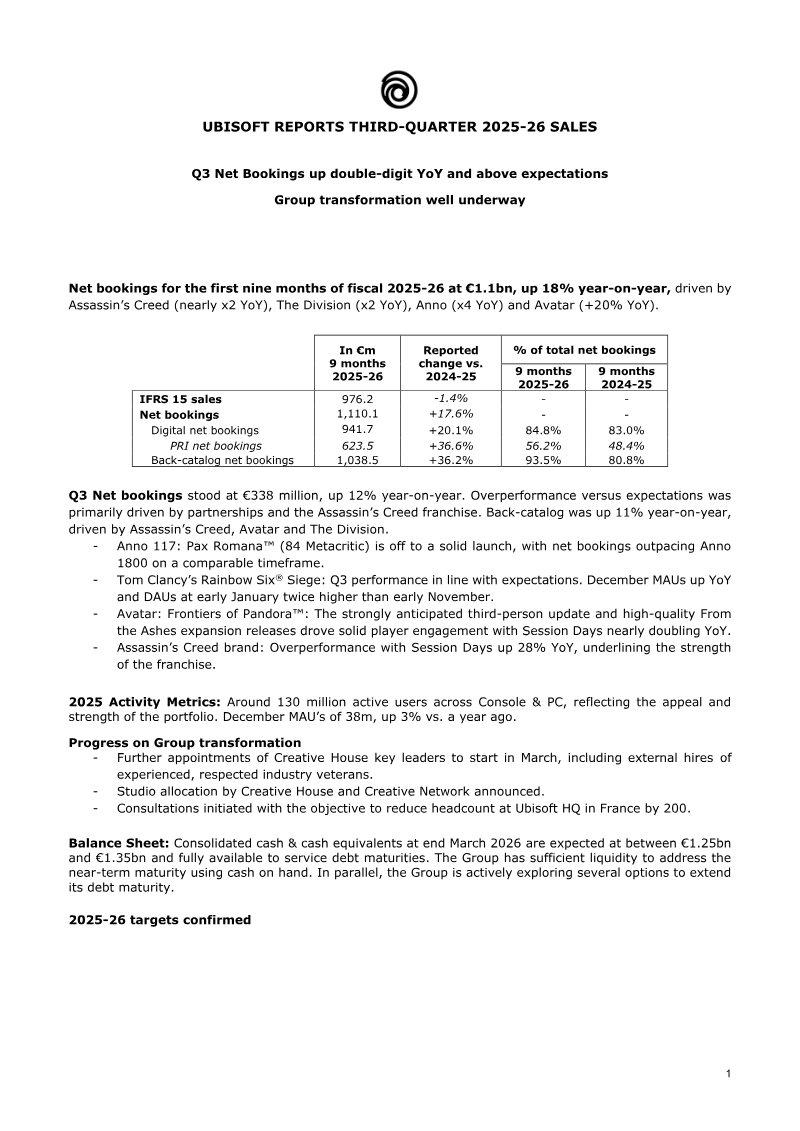
Steam is navigating complex regulatory pressures. The platform is dealing with compliance regarding Russian censorship laws concerning LGBTQ+ content.
Media friction
Roblox CEO faces contentious engagements with mainstream media.
Roblox leadership is experiencing heightened public relations friction. This stems from contentious engagements between its CEO and mainstream media outlets.
IP ownership shift
Naomi Alderman reacquires the Zombies Run franchise.
Naomi Alderman reacquired the Zombies Run franchise from a cryptocurrency firm.
Sector convergence
Late 2025 gaming is defined by labor unrest and regulation.
The gaming sector in late 2025 is defined by a convergence of labor unrest, increased regulatory scrutiny, and strategic corporate realignments. Industry discourse focuses on the intersection of technology and ethics.
The snapshot
November 2025 marks a volatile period for the gaming industry.
The industry update summarizes significant corporate and operational challenges.
Industry snapshot. The November 2025 industry update summarizes significant corporate and operational challenges within the global video game sector.
1 / 6
Ask AI about this report