ArticleLu Weiming
The AI Companions and Algorithmic Symphonies in Games
18 Nov 20231 pages~7 min full read
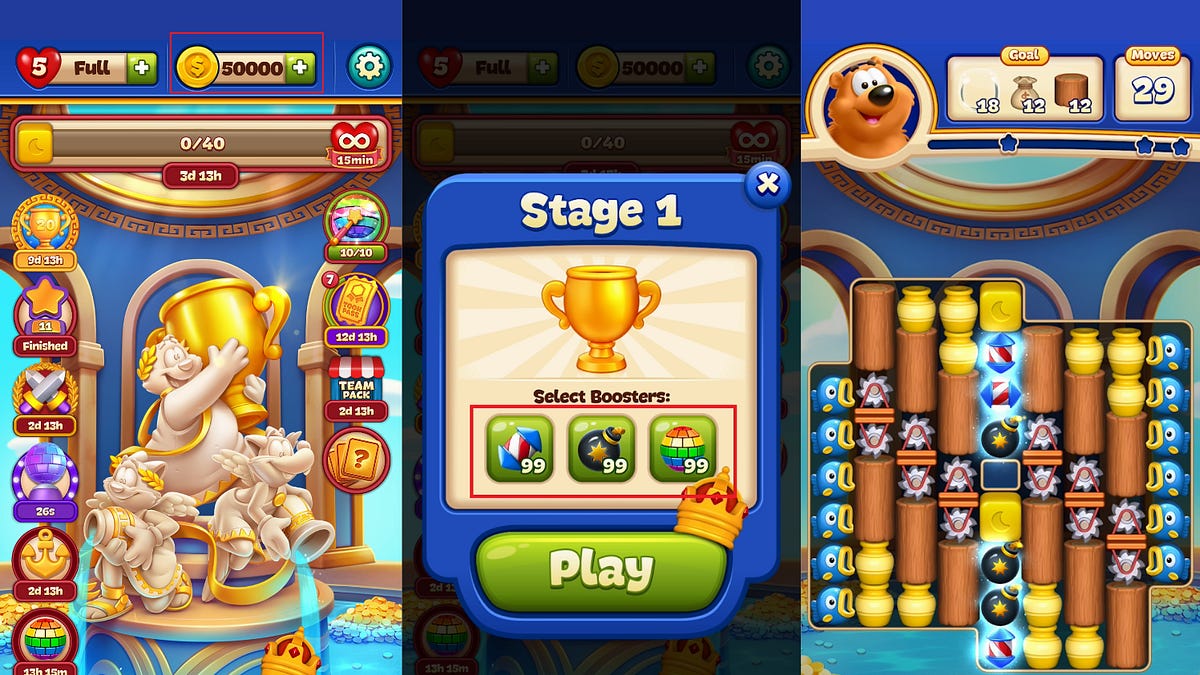
The freemium gaming model relies on sophisticated monetization strategies designed to maximize player spending through psychological triggers and algorithmic control. These games typically employ three primary revenue streams: stats-based purchases that provide competitive advantages, cosmetic or content-based items that enhance the user experience, and subscription-based perks such as battle passes or ad-free access. To drive these purchases, developers utilize a carrot-and-stick approach, which incentivizes spending through artificial scarcity, time-limited challenges, and dynamic difficulty adjustments.
A central finding is that many competitive elements in casual and mobile games are orchestrated by algorithms rather than genuine human interaction. Weekly tournaments, for instance, often feature AI-controlled participants designed to manipulate player behavior. These algorithms track login patterns and performance to create artificial pressure, forcing players into situations where they feel compelled to spend money to protect their time-invested progress. Furthermore, developers implement dynamic difficulty scaling, which acts as a soft cap on progression to ensure that content is not consumed too rapidly and that players remain consistently challenged.
The analysis suggests that these systems are pervasive across the mobile gaming sector, particularly in puzzle and casual titles. By understanding the underlying mechanics of these algorithmic symphonies, players can adopt counter-strategies—such as timing their entry into tournaments or managing their engagement with unlimited-life bonuses—to achieve better progress without resorting to real-money transactions. Ultimately, the industry’s reliance on these data-driven engagement loops highlights a shift toward highly optimized, developer-controlled environments that prioritize revenue retention over purely organic gameplay experiences.
BITKRAFT Ventures · 2026
modl.ai · 2025
Google Cloud · 2025
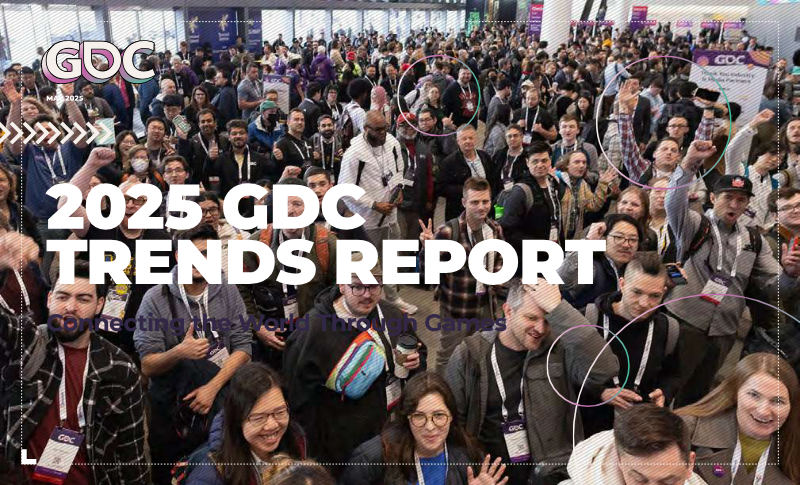
Game Developers Conference · 2025
Informa · 2024
Drake Star Partners · 2024

Perforce · 2024
Room 8 Group · 2024
Inworld AI · 2023
University of Bristol
InvestGame
GameAnalytics