1 free read left. Create a free account for unlimited reading + AI research.
Create free account
Tentpole Game Design: How to Make a Competitive Multiplayer Experience that Drives Deep Engagement
Key insights
7 takeaways- 01Monetization must prioritize aspirational content over pay-to-win mechanics to maintain a sustainable, non-predatory relationship with the player base.
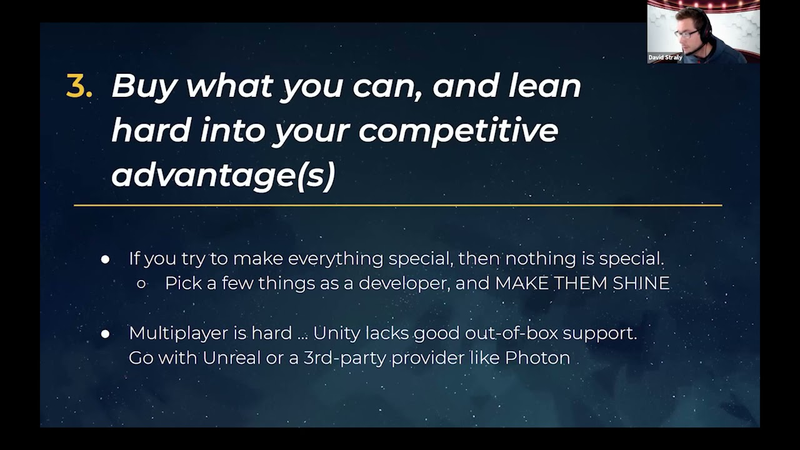
- 02Operational success relies on disciplined scoping by identifying only two or three core product advantages to avoid the quality compromises associated with over-scoping.
- 03Studios should leverage third-party tools for standard infrastructure to focus internal resources on the unique features that differentiate the product.
- 04Sustained player engagement requires a high-contrast design that balances immediate, dopamine-driven action with serotonin-boosting progression and community systems.
- 05Teams should prioritize a cyclical engagement model that encourages seasonal breaks rather than relying on purely addictive, high-intensity feedback loops.
- 06Building diverse teams through non-traditional hiring channels is essential for creating content that resonates with a broad, international audience.
- 07Developers should avoid burnout by implementing matchmaking variety that rotates players between high-performing, average, and supportive roles.
Ask AI about this video
Transcript
welcome uh to the stage uh david uh straighley i think that's right i hope i've not got that wrong well he can correct me in a minute who will be who is the engineering director of raid base um and it will is a superstar sessions this could be a good one is talking about how to make a competitive multiplayer experience that drives deep engagement that's good that sounds like a very promising talk no pressure david so uh david how are you doing i'm well thanks chris i appreciate being here and excited to talk with you all where abouts you in the world i'm from uh colorado usa these days oh nice fantastic risk 10 a.m in the morning for me yeah oh well that's good we started we had we had we had some some speakers from asia this morning so we've kind of gone going around the globe uh and it's
getting quite dark in the uk as you can see i don't know what's going on with my lighting it's ridiculous but anyway i'm gonna we're already a bit late but don't worry you've got your full-time um yeah yeah penultimate so it's only a pan after this so i'll let you crack on with it and then i'll come back with any questions at the end and we go from there sounds great thanks chris uh can everyone see my screen am i good there i'm good okay great thanks so yeah hey everyone my name is david shreley i'm uh the engineering director at rain bass and today i'm going to talk with you all about tentpole game design uh how to make a competitive multiplayer experience that drives deep engagement now uh to first kind of explain what the word tenfold means because it's not a super common term it actually comes from film um but it it means the company's most promising or prominent product and generally your tentpole game generates most of an organization's income making it possible for other studio employees to make products that may be more risky or less profitable so otherwise said this is a big budget big confidence game that we know is going to you know last
for years to come and again as i mentioned in film this has been a concept for decades uh and like you know disney does this with like you know marvel movies and like pixar movies that come out you know once a quarter or so but for video games it's really only been a recent thing in the last 10 years um the biggest ten poll games themselves too are normally competitive multiplayer games and to name a few of them right you might know are call of duty league of legends fortnite grand theft auto online even as an example um but i i i feel blessed that i had the opportunity for the last five years to be the uh first starting as a gameplay engineer and then became the engineering director of valorent which is a game that came out in 2020 um and uh it has like you know 15 million monthly actives and it's growing more and more but it's a very nascent young tentpole game but me being a part of that development process through the whole phase i learned a lot of lessons that i kind of want to share with you all you know in this quick 15 20 minute chat um i guess this is a brief bio too i worked
here and then before this i worked on payload and the xbox one so i've been around mainly in the pc and in console space i don't do a lot of mobile games but i think there's a lot of lessons that can be learned that kind of can be shared between all different industries uh if you want to hear this is this is more a high level talk too about design if you want to hear some nitty gritty detail about multiplayer implementation you can go watch this five minute video where i talk about head registration or i have a bunch of technical blogs that have been shared on the riot games forum that you can kind of go peruse at your leisure but today we're just going to talk about some core tenants i've got five of them specifically too so let's start from the top so the first point is hire the right people and uh so for engineering right if i want to get really brilliant engineers that are are experts i could snap my fingers and go hire you know a thousand people from facebook uh apple uh netflix google like those big mega tech corps but the problem is
i think in game development expertise is really not the thing you should be focusing on you should be focusing on culture i have an analogy so let's say we're on planet earth and we're trying to find some golden planet in a far off quadrant of the universe and i'm i'm trying to align my i guess rocket or slingshot to go find that when i hire people on culture they help me rotate the trajectory of where i'm going to take my shot to go find this planet and when i hire on expertise that's me adjusting the velocity of my ship to go faster or slower and if you hire just people who are good at expertise and they're only there to help you manipulate your velocity if you shot off in the one quadrant in the first part of development you're going to be lost forever and you're never going to ship the right game right it's really really really really important to get aligned first on what type of game you're making and where you want to go and having everyone on the team being aligned on that is absolutely critical and then you can always burn more money and hire more expertise in the later part of the process to catch up to a
ship date or slow down or do whatever you need to but um it's also harder to hire on culture too because it's a little bit more murky and it's a little bit more intrinsic to someone versus what's written on their resume i think the second point i learned a lot of this at riot and i'm using a lot of this now at rate base is hire those who can empathize with players a lot of people wanted to get into the game industry because they think it's cool or uh you know i've heard often from parents saying they want to be working in games because they want to make their kids proud right and that's a noble reason to want to make games but i think the the real type of people you want to work with are people who are gamers themselves who are passionate about what they're building because they're going to make the experience that they want to play which is ultimately the experience that everyone else wants to play and if you hire too many people that are there just to do a job or just clock in or clock out they're not going to be necessarily as motivated to make the right player choices and they'll kind of take shortcuts sometimes more often than they need to i guess it's pretty easy to get a you
know a 40 hour a week job anywhere in the world so let them go there and get only the most passionate people here here in gaming okay second point is is treat players with respect so in making a hyper competitive game you want a player to invest for uh many hours over a long duration of time right and you know players aren't dumb players are super smart just like you and me they they they want to know that there's there's light at the end of the tunnel or there's a reason for them to invest and i guess the first point of that is a deep mastery curve is a must think of you know league of legends is a game that's lasted 10 years rocket league is another really good game that's really easy to learn but takes a lot to master because of the kind of nuance or competitiveness between you know the opponents and yourself but if there's no reason or way for me to grow as i go over time i'm going to get bored and i'm going to fall off and there's not enough you know meat there for me to kind of bite onto second is if i spend months or years working on
my skill in this game to get as good as i can and there's no one else around me to respect or or collaborate with me or for us to like have social integration with then it's it's still a failure so you need to cultivate a community now competitive communities are normally the best because people always want to fight each other and and humans are naturally competitive um but there's other you know ecosystems that work really well like minecraft's a really good example that's not competitive right where people want to go kind of share and create but i'd say competitive ones are the most common ones and the ones i'm most familiar with and you can think of this through either you know forums or esports or tournaments or things that we've heard in previous talks second thing is is uh in in regards to shooting players with respect is don't nickel and dime or pay to win uh you want to make purchases aspirational if someone loves you enough as a player and wants to open their wallet and and you know give you a voice of loyalty with money you need to make sure their money is spent well right and you want them to feel good about spending money and you
want them to feel like it's it's it's it's a well-deserved treat and we usually do this through cosmetics or or fun augmentations to the game that don't necessarily mess with game palace a lot of the older mobile games and even some of these days right it's more like hey i'm going to put negative gates on you of like you need to pay a subscription to keep alive or you need to pay energy to kind of get in and while that may get more money out of a player in the short term in the long term you're going to burn them out because you're eroding trust over time because you're using them as kind of like a in a in a lecherous state where you're kind of leeching from them rather than collaborating with them and then the last thing and i think this is especially unique to games is is catered to all audiences boys girls men women and all cultures and if you think about like movies right when you make a marvel movie it's really hard to cater to all audiences because you only have you know two hours to make a script so very often it's hey i'm going to target you know teenage boys with like cool action stuff and they're gonna bring their families and i'm gonna get lucky and get all that but for games breath is a lot wider right not everyone
plays games for the same reasons and i say think player archetypes and as an example right some players may want to play because they want to be the best right they just want to grind and become like you know hardcore gladiators some want to style on other people they want to be social and they want to like flex on others and show how good they are in a very uh braggadocio way and then a third type maybe more your social gamers who i don't really play because i want to play the game i just playing because i want to be with my friends right and you just need to make sure what are all the types of audiences that are playing and then what can you do to cater to each one of them to make sure there's a unique compelling game element that makes them all feel like they're being loved okay moving right along uh number three this is more towards the development of a game buy what you can and lead hard into your competitive advantages so it's easier than ever to make video games these days there's a lot of second party and third-party software out there think unity unreal um and then all the different types of like you know uh art editing software
source control software meta services and online services etc uh so don't waste time reinventing the wheel you should you should take advantage of of the thousands and millions of other people that are working hard just like you and buy their stuff off the shelf and only build the things that differentiate if you try to make everything special than nothing special and at least for valerian we learned pretty early on that we wanted to hyper focus on 128 tick servers like rock solid client performance really good hit registration and uh response of kills and anti-cheat and everything else is okay kind of to be you know not the the thing in the spotlight but functional but not necessarily perfect and when you do that too you kind of put a stake in the ground and tell everyone hey i'm leaning hard into these few things and i'm i'm putting myself out there putting my neck out there to let you guys know that this is something special and unique if you try to just clone or make everything equal it does you don't really stand for anything right and even though it's scary to stand for something because you might fail standing for something is
also the only way for you to stand out and become exceptional oh we had a thing actually on the art team on valorum where uh we kept trying to make really really innovative characters that um were like never seen before and it ended up slowing a bunch of our pipeline down and eventually we realized hey it's okay sometimes to just go with with more like stock archetypes of things like omen is your typical ed floor that you see in a bunch of games and it turns out you know players and people like those types of characters anyway even if they're not you know uh brand new concepts and then they're they're seen before retreaded from from other games or genres before um the uh last note i'll do and i worked on this personally for three or four years for multiplayer is is multiplayer is hard so unity especially lacks good out of the box support um they're like net syncs and their variables are kind of kind of uh really nascent and there's there's a lot to be desired so if i were you i'd recommend you either go with unreal or a third-party provider like photon photon
for unity unreal native if you're just on that engine um it's it's going to save you use of time even for valerian i guess uh we only kept like 60 or 70 of the unreal code because we had to write a bunch of custom stuff for movement but that 60 that we did keep still saved us two years of development so it was totally worth it in the end two more points uh four is manage your studio in a conscious way and what i mean by this is think about how you develop so there's this triangle of of choice between time size and quality and the general i guess uh frame of references you can only pick two of the three triangle points to master and you always have to kind of let one fall and i'll talk about a few big studios to give you an example so for riot games or for valve is another good example uh they want to make hyper quality games they also don't want their team size to get too big they want maybe 100 people 150 people max or valve it's like no more than 50 people per team um
and because they want high quality and because they want a small team size what it means is their development time stretches out to infinity so sometimes they'll take five six seven eight nine ten years to make a game where some other studios are cranking them out a year or less but that's their choice of their two edges of the triangle another example is maybe rockstar games they make you know grand theft auto red dead redemption they have a really specific time they need to ship their game because they have a regular schedule they need to keep with with uh take two uh and they want a really high quality bar just like all the other games so what they let slip is size so that's why they see their design org at the size of 300 or they have six studios spread all across the world working you know all the way around the clock to make sure the quality bars hit but they let the size blow up really hard and there's a lot of logistics to doing that and it is a different strategy than say valve or riot but they can all succeed they just leaned into their advantage to give you a third example is respawn they want a really small team size they want to ship on time on a year or two schedule so they let the quality drop
and i don't mean a poor quality game what i mean is when they want to go develop a game for you know two or three years they say hey here's the 100 features we want to make and as soon as they start slipping along their schedule when they go towards ship they just start cutting and dropping features and they trim the game down to be narrower and narrower in scope and then by the end of that time they ship and guess what like titanfall 1 titanfall 2 jedi fall in order all those games are great and they're stable dependable and profitable um you could call out apex legends as like a an anti-example and you're right apex legends is like almost a happy accident for them i don't think they expected it to be as great or as big as it was and the funny enough actually a lot of respawn devs like actually don't like working on apex legends because it's a really long live service operation and a lot of the devs want to go work on fresh new content and rotate to a new title every year or two so they're having to staff a lot of the apex legends team with either like augmentative ea staff or hire people externally like for riot who are used to working on a live service to then go staff you know the the ongoing endeavors um but either way when you're building
out your studio and working you need to be really conscious about what are the two or three advantages i'm leaning towards and if you don't think about this eventually you start juggling too much and things start to drop and you either don't ship or you ship a game that you didn't want to actually make okay this is the last topic in in my mind the most important and this is most to game design specifically is that variety is the spice of life so i i this first bullet point life is most rewarding when you live in high contrast i live this personally very much and i believe that games need this as well in that if everything is always fun and good all the time you get tired of it like you can't just eat ice cream and cotton candy like every day for every meal and sustain happiness right you need to have high highs and low lows to really make it worth it you know why do people run marathons why do people climb mount everest you know they go for three months starving you know their fingers are getting frostbitten they don't have any food to
eat all because they want to get that one moment of triumph at the very top that they feel that they've made it you know to to the you know the the peak right um and uh games need to lean into this more i think like overwatch is is a fun game and did really well but but overwatch likes to keep everything kind of like high tone and positive or like everyone's always going on everything's always going good and they never really want to make you feel bad and that works for a short time but it doesn't give it the long legs because you need to have that roller coaster of emotion to kind of regulate to kind of go in the lung counter strike did that really well valor does that really well um and i'm hoping you know it'll have that kind of long lifetime like uh you know we've kind of planned out for i think the second thing and kind of related is make player investment in your game a worthy endeavor so every human has physiological requirements and there's three like big chemicals that are part of regulating our body and our mood and our happiness so one is dopamine dopamine is you know when you
uh get a head shot in a game or you get a like on instagram or you eat a good bite of food or you have sex or something that's like a quick energy action thing that kind of gives you a little pepper or boost serotonin mostly you get from sleeping well and good exercise but video games can kind of do it well too by letting you reflect on your past accomplishments and letting you think about the community an analogy is like when i run in a marathon and like my friends and family came to like watch me and cheer me on that gives me a serotonin booze that helps me regulate my mood because i know that i'm having an effect on the community around me and that that reflects internally well on me physiologically video games can do this through you know ranking systems like i'm slowly progressing from bronze to silver to gold or uh through camaraderie through like i have a champion mastery of the certain skill on this champ and and i can compare myself to these other champions and people respect me for what i'm doing oxytocin the last one is probably the hardest one to get to and video games
really can't do this except for on a six or month or one year or beyond timeline and it normally comes from something like you know a mother birthing her baby in like a maternal like you know child bond um or like you and your spouse if you're if you're married but uh oxytocin in a video game sense can come from um your guild mates or people in your clan or someone that you duo queue with a with in competitive games all the time with and you guys build a bond and you kind of know each other like the back of each other's hands or or even like you team a five in an esport venue and you guys have been training and working for years to kind of grow in there and really for someone as a human to be happy with a game and an investment they need to have a balance of all three of these to kind of regulate for them to really want to stick around and stay for a long time a lot of video games want to just focus on let me max out the dopamine let me play some casino sound effects let me show you bright colors and all these other things and that's all it kind of really does and you're going to get them excited and hooked just like a casino does like a physical casino but it's going to burn them out eventually
because you're not giving them like the mood regulation or the long-term bonding and eventually they're going to burn out or fall out and it turns out at least in my mind to my beliefs you can get a lot longer more modest engagement from someone over a long term that pays off better than trying to juice someone in a quicker turn of action like what we see in some other games um so anyway ultimately though like in summary i want you to be present i want you to be passionate about what you're doing and that i want you to cultivate a team that shares that same mission and mindset and as long as you find everyone else around you is just as passionate and cares just as much about what they're doing as you do the previous five tenants and we're almost gonna self-fulfill anyway uh it's just about hiring the right people and working with the right people um i uh was at riot before i'm presently at raid base i've been here a year and a half now we're a dozen strong we're making a super fun triple a game if you want to you know join or or work with me in the future let's chat my email discord and linkedin
i'm here for questions of course too thank you awesome thanks david that was good that's nice and uh short professional going through a lot of different points there that you've uh you've you've got a few of them so i expect there'll be some more um more uh challenging questions coming on on a few of them so i'm gonna try and um there's a few actually here around a lot of teams around company stuff so i'm gonna try and raise that uh raised up but yeah very impressive tv that's uh wow very cool um so um i've got a couple questions that are about kind of hiring i i guess um one is about how you because you you mentioned the team and and how who to attract you not to attract and i guess that their question was how do you balance hiring with with having a similar work culture but maintaining a diverse team surely having a different culture can widen your view and help you think out of the box and the other question which is kind of in the same area is well it's not saying but it's saying broad areas how do you attract talent currently in the the the ultra competitive landscape i guess there's a lot of money being raised at
the moment and a lot of uh a lot of games being made right so certainly if you've got anything you want to say to either of those i know you're not a hr manager or anything but that's fine yeah i i double a little bit in our current setup but um so uh i guess the first thing in the money is never a good attractor right if someone kind of wants to work with you because they want to make a lot of money it's a it's a skewed motivation right and uh that kind of leans towards hey i want to make choices to maximize my output right and and really it's more can i find someone who's mission focused who cares about you know the player experience uh more than anything and it is more about wanting to delight other people and peers or delight themselves through their own mission and then kind of go from there um so uh in regards to diversity i think you have to look for it right uh one of one of the one of the biggest fallacies of of doing diversity hiring i guess is that when a hiring manager or recruiter says oh i need to find you know a senior artist or a senior engineer
they think oh i'm going to go look at you know this really good college right here this really good company because they have someone that is certainly probably qualified for this job but as soon as you say hey i'm gonna go look at yale or i'm gonna go look at stanford and go hire those candidates you're already you're already leaning into the bias of the pipeline because 70 of the students at some of those top three colleges are like you know white males or asian males right and you end up just by nature self-selecting to certain seniority you only limit yourself to a certain pool right and i think leaning better into culture and finding people that want to opt into making games instead of people who are just pedigreed you actually find a much more broader talent base of different types of diversities so think of like hey i'm gonna go find people that are you know really passionate modders for a certain game right or people who um you know are passionate about game design on maybe twitter or something like that uh but but searching through i guess non-standard channels or being willing to hire more junior people uh you generally get a better representation of diversity because there's less bias in
the pipeline because it's more early in the pipe one thing for me i guess i'm early 30s but i went to college 10 years ago and um my computer science class was like uh you know eight females and and the remainder of the 40 were males and now it's much more close to 50 50. so you can see the pipeline actually pretty dramatically changing over time because a lot more people are interested in computer science at least as a specific example and that just makes it easier and easier for companies to kind of go get a better mix and then get a more rewarding set of diversity talent so you can then make a truly representative game that fits everyone's needs and that's i mean that's good i mean obviously it's it's it's certainly no longer the case that that uh the gaming isn't a proper job right i mean we are pretty pretty considerable uh industry not to convince anybody uh anymore when i was a little bit older than you and it was always like why are you why are you getting involved in video games when you get a proper job it's like okay it's not like that anymore it's great i love it yeah yeah um you mentioned about um female um male 1 bouncers there's a question here it's
kind of relevant to that um as an avid consumer and player baller and i've seen this game growing popularly popularity amongst many women gamers uh introducing many women to competitive fps gaming did this kind of surprised you um was it something you kind of played for or you know and did it impact how you how you kind of further developed the game at all i guess i i don't know i'm not i play valentine i don't know much about the community but they're saying this is a it's got a strong female uh player base i guess i don't know that's true so uh i i didn't i'm not taking any credit for it i didn't do any of it but anna donlon who is our studio director the head of it who currently still is um she is is wonderful she's a really good product manager she's a really good champion of voice the players um and a lot of her effort kind of leaning into uh making sure we host like female only esports tournaments like we've done recently in the last six months i'm not presently at valorant so it's it's hard for me to know sorry but yeah that's a good example and then i think another thing too is um when we
did our initial like twitch splash to get a bunch of like the sponsored streamers and things we made a very explicit intention to not just go hire your very typical dude bro or most like top-tier like uh twitch streamers and kind of get a nice mix of of all types of representation and um i think as well too in some of our game design making sure we have a really good representation of each hero or each agent comes from like a different country of origin and they have very unique interesting backstories and and and character representation everyone who plays can find someone that they relate to really well and they kind of want to invest their time and play as as their uh you know character yeah i think that's really important uh you know marvel very good at that right you got everybody's got heroes you can identify with i'm sure okay um there's a good question here which uh kind of resonated with me as well because you mentioned in one of your points about not trying to make everything special don't try to you know work out what you want to make special really you know what your strength is and really leading to that and you see the question here from the sophie is can you give any examples
about like that area that that was special that you leaned into one of your games whether it's a current game or a previous game you worked on what what sort of example of a thing that you went look this is our our niche i'm leaning into this you know yep sure so i'm not going to talk about my current game because we're absolutely lazy and i don't want to leak anything necessarily but i'll talk about valerian so you can talk about it uh so on valorent uh the thing that we we didn't we didn't actually know we wanted to do this until halfway through the development of the project but we wanted to make 128 tick servers so counter-strike global offensive is one of our i guess biggest competitors in the tactical shooter space and um you can only get 128 tick service from them if you pay for a subscription through like a third-party affiliate that hosts like tournament servers and we really wanted to lean into that is like a special different branch heater for our free to play game to really stand out and it took us admittedly like a team of five engineers like three years working non-stop just to optimize the server to be as fast as possible to even run at 128 tick and think too like you want to run
multiple servers on a single server rack so actually i need to run a server at like 800 fps so i can cross slice it on the server to scale for profitability so everyone can play it but it was a serious investment on on engineering time within the company as well we had to spend you know north of you know tens of millions of dollars on infrastructure spent to buy enough servers and enough rack space all across the global presence to put this game out there for free for everybody and that's a giant risk that i'm really happy that like riot leadership is willing to kind of invest in us as a studio to lean really hard in to make a really big investment like that without any players playing the game yet just on a on a judgment of faith in us that the pitch and the game and and the core loop of it is going to be fun enough to kind of pay off and um that's a really bold bet that someone has to take and not a lot of people are in the position that can take that bet and and leaning hard into those risks is kind of what lets things pay off in the end i think final question i'm not gonna i'm not gonna take julian's questions and i think it's possibly leaning into a whole political thing i don't think julian that uh that david meant that he
wouldn't take someone from a from a good college institution i think his point was more that he he he's more open and you don't have to just take people from the uh brett yeah yeah exactly yeah yeah i don't want to get into political thing there about uh i sense that could be a dangerous road together so the final question i was going to put you is uh this is quite interesting at the moment this is something that's uh been an issue in different countries you talk about player investment and the highs and lows and everything is is there how how much do you how'd you balance and i guess how you how do you take responsibility i suppose for that player investment emotionally um without causing issues like addiction i'm not saying like you know get we we're all everything's addictive right but um is is there anything you kind of have to do there to try and balance that it's quite a big question maybe it's too big for this this this topic that can be very brief yeah so i guess it's um it's not really i guess i talk about a bunch of the physiological things right and that's just interesting back science but uh really what it is is is the way to describe it is take care of the player
the way they want that like is proper right and if you think about like uh like a hard dopamine addiction of getting addicted to instagram and like liking all the time right or getting as many likes as you can or or or things like that like that that isn't taking care of the person's in in a holistic way and i guess the focus here is just to make sure you provide enough balance to them in all the ways that you can to kind of make sure it's regulated actually one example for valor and a very tactical one is um we briefly considered a different type of matchmaking where if you play 5v5 all the time it always gets really really sweaty because it's like neck to neck someone wins 13 12 or 12 to 13. but we we briefly consider doing like a bbbc matchmaking where one player is like an a 20 of time a b 60 of the time and a c 20 of the time and the idea there is that um sometimes you're the hero of the team sometimes you're the middle of the road of the team and sometimes you're the you're the chump of the team yeah but it gives a lot of like representative diversity when you play that you're not always going next to neck with everybody
and that kind of gives you different avenues for you to express yourself and gives you the variety i think that helps make you kind of get yourself out of a rut to kind of get more variety of what you need um and i think it's totally normal and expected too that players come in and play they like uh fall off and then they come back later it's more like that roller coaster not of just moments of moment play but also engagement with the game yeah i play i come off i come back i come off and i know a lot of people play league counter-strike where they just play every other season and that's totally fine and we love you that way no matter how you want to engage cool okay well i think i'm going to have to leave it there it's very very interesting i think i'm i play i play a bit of uh of my play of my with my son's uh son and his friends and i'm very much the ceo of every every match so uh i'm used to that level of uh being being the worst player but still thank you so much dave for your time i'm really looking forward to seeing the the new project when it comes out so we'll keep our eyes uh keenly keep me focused on hopefully you can come back and talk about that sometime i'll let you get off and enjoy uh enjoy your day now
thank you awesome well that was that was great
Summary
Creating a successful tentpole competitive multiplayer game requires a strategic alignment between internal team culture and the psychological needs of the player base. Rather than relying on purely technical expertise, studios must foster a mission-driven environment where staff members are deeply empathetic toward the user experience. This cultural foundation allows for the development of sustainable, non-predatory monetization models that prioritize aspirational content over pay-to-win mechanics. By leveraging existing third-party tools for standard infrastructure, developers can concentrate their internal resources on the unique features that differentiate their product in a crowded global market.
Operational success depends on disciplined scoping and the conscious management of the development triangle, which balances time, team size, and quality. Designers should identify two or three core advantages and avoid the common pitfall of over-scoping, which often leads to compromised final products. To ensure long-term viability, teams should be built through non-traditional hiring channels, fostering the diversity necessary to create content that resonates with a broad, international audience.
Sustained engagement is best achieved through a high-contrast design philosophy that balances immediate, dopamine-driven action with serotonin-boosting community and progression systems. To prevent player burnout, developers should move away from purely addictive, high-intensity feedback loops in favor of holistic balance. Implementing matchmaking variety—such as rotating player roles between high-performing, average, and supportive positions—provides a more dynamic experience that mitigates competitive fatigue. Ultimately, the most successful titles embrace a cyclical engagement model, encouraging players to take breaks and return seasonally, thereby ensuring the game remains a long-term fixture in the player’s lifestyle rather than a source of exhaustion.












Comments